How to Choose the Right Siomai Machine for Your Business in 2025
Selecting the right siomai machine demands careful attention to production goals, budget limits, and quality standards. Operators assess automation levels, product consistency, and safety features before making a purchase. They often compare after-sales support and machine reliability. Smart business owners prioritize features that match their specific needs, ensuring a valuable investment.
Siomai Machine Production Requirements
Daily Output and Volume
Business owners must determine the daily output required before selecting a siomai machine. Production volume depends on customer demand, business size, and sales targets. Operators often estimate the number of siomai pieces needed per day. They compare machine specifications to these numbers. Machines with higher capacity suit large restaurants or food factories. Small businesses may choose compact models with lower output.
Tip: Always plan for peak hours and seasonal demand when calculating daily volume. This approach helps prevent shortages and ensures customer satisfaction.
Speed and Efficiency
Speed and efficiency play a critical role in siomai production. A siomai machine with fast processing time increases productivity. Operators measure efficiency by the number of siomai pieces produced per minute. Machines with automated features reduce manual labor and minimize errors. Efficient machines help maintain consistent quality and reduce waste.
- Fast machines support high-volume orders.
- Efficient models lower operational costs.
- Automated systems improve workflow and reduce bottlenecks.
Scalability for Business Growth
Scalability ensures that a siomai machine can adapt to business expansion. Owners must consider future growth when investing in equipment. Machines with modular designs allow upgrades and capacity increases. Scalable models support new menu items and higher output.
| Scalability Feature | Benefit |
|---|---|
| Modular components | Easy upgrades |
| Adjustable settings | Flexible production |
| Expansion options | Supports business growth |
A scalable siomai machine helps businesses respond to market changes and customer trends. Owners who plan for growth avoid costly replacements and downtime.
Siomai Machine Types and Automation Levels
Manual, Semi-Automatic, and Fully Automatic Options
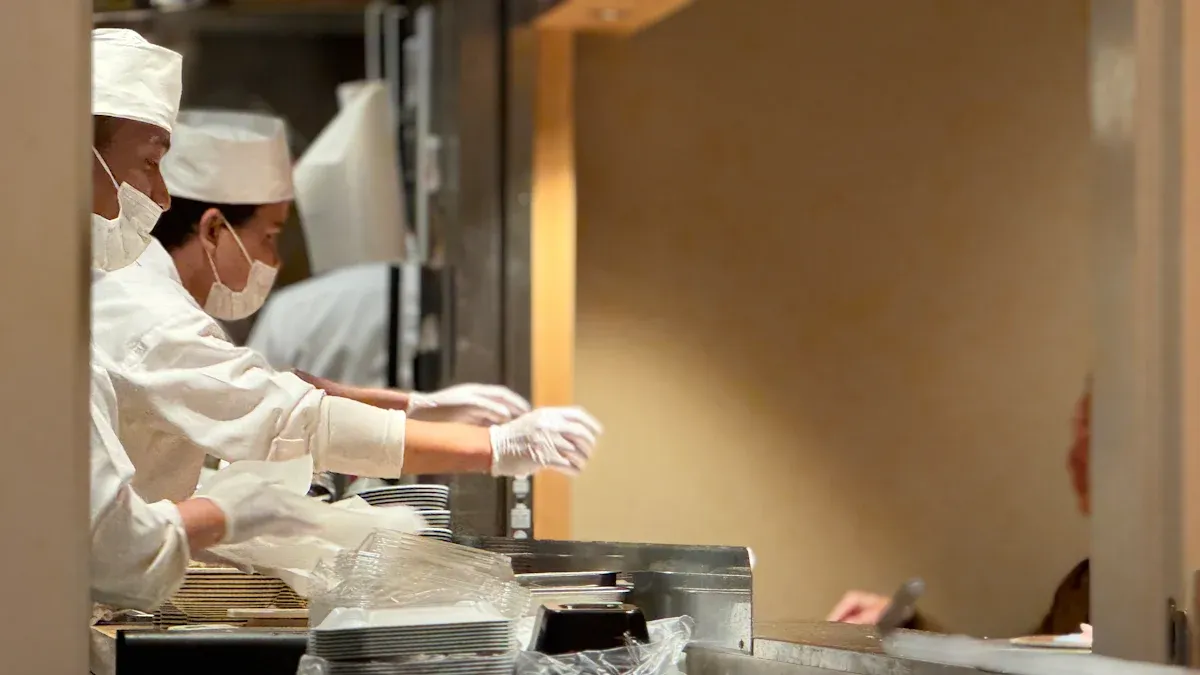
Business owners can choose from three main types of siomai machines: manual, semi-automatic, and fully automatic. Each type offers unique advantages and suits different business needs.
- Manual siomai machines require operators to perform most tasks by hand. These machines work best for small-scale operations or businesses with limited budgets. Manual models offer greater control over each piece but demand more labor and time.
- Semi-automatic siomai machines combine manual input with automated features. Operators may load ingredients or shape the siomai, while the machine handles mixing or forming. This option balances efficiency and control, making it suitable for medium-sized businesses.
- Fully automatic siomai machines handle the entire process, from mixing and filling to forming and sometimes even cooking. These machines deliver high output and consistent quality. Large-scale producers often select fully automatic models to meet high demand and reduce labor costs.
Note: Choosing the right type depends on production goals, available workforce, and budget constraints.
Automation and Workforce Considerations
Automation level directly impacts staffing needs and operational efficiency. Manual machines require more workers and hands-on attention. Semi-automatic models reduce labor but still need skilled operators for certain steps. Fully automatic machines minimize human intervention and allow businesses to reassign staff to other tasks.
| Machine Type | Labor Requirement | Output Level | Best For |
|---|---|---|---|
| Manual | High | Low | Small businesses |
| Semi-Automatic | Moderate | Medium | Growing operations |
| Fully Automatic | Low | High | Large-scale production |
A business must evaluate its workforce capacity before investing. Automation can help address labor shortages and improve consistency. However, higher automation often means a larger upfront investment.
Ease of Use and Training
Ease of use plays a vital role in daily operations. Manual machines require less technical knowledge but more physical effort. Semi-automatic and fully automatic machines often feature user-friendly controls and digital interfaces. These features simplify operation and reduce training time.
- Simple controls help new staff learn quickly.
- Clear instructions and visual guides support efficient onboarding.
- Some manufacturers offer training programs or video tutorials.
Tip: Always check if the siomai machine supplier provides training resources or technical support. Proper training ensures safe operation and maximizes productivity.
Siomai Machine Components and Customization
Mixing and Filling Features
Manufacturers design mixing and filling systems to handle a variety of ingredients. These components ensure that meat, vegetables, and seasonings blend evenly. Operators rely on adjustable mixing speeds to achieve the desired texture. Some machines feature automatic filling dispensers that portion each siomai accurately. This technology reduces waste and maintains uniformity. Businesses that offer custom recipes benefit from machines with programmable settings. These settings allow operators to switch between different filling types quickly.
Tip: Machines with easy-to-clean mixing bowls and filling nozzles help maintain hygiene and reduce downtime.
Forming and Shaping Mechanisms
Forming and shaping mechanisms determine the appearance and consistency of each siomai. Manufacturers use molds or rollers to create uniform shapes. Operators select machines with adjustable forming plates to produce different sizes. Some models offer interchangeable molds for specialty products. Consistent shaping improves presentation and customer satisfaction. Businesses that value product variety choose machines with flexible forming options.
- Interchangeable molds support menu expansion.
- Adjustable plates allow for size customization.
- Consistent shaping enhances brand image.
Cooking and Steaming Functions
Cooking and steaming functions play a vital role in siomai production. Integrated steamers cook each piece to perfection. Operators set precise temperature and timing controls to ensure food safety. Some machines feature multi-layer steam trays for higher output. Businesses that require fast turnaround select models with rapid steaming capabilities. Machines with built-in cooking systems streamline workflow and reduce the need for separate equipment.
| Feature | Benefit |
|---|---|
| Multi-layer trays | Increased capacity |
| Precise controls | Consistent results |
| Built-in steamers | Space-saving design |
A siomai machine with advanced cooking and steaming features supports efficient production and high-quality results.
Packaging Capabilities
Siomai businesses rely on efficient packaging to maintain product quality and streamline operations. Modern siomai machines often include integrated packaging systems that automate the wrapping, sealing, and portioning of each batch. These features help operators save time and reduce manual labor.
Packaging capabilities vary by machine model. Some machines offer basic wrapping functions, while advanced models provide vacuum sealing, portion control, and labeling. Operators select machines based on their production scale and packaging needs.
Key packaging features to consider:
- Automatic Wrapping: Machines wrap siomai in food-grade materials to preserve freshness.
- Sealing Mechanisms: Heat or pressure seals prevent contamination and extend shelf life.
- Portion Control: Adjustable settings allow operators to package siomai in specific quantities for retail or bulk sales.
- Labeling Integration: Some machines print labels with product information, batch codes, or expiration dates.
| Packaging Feature | Benefit |
|---|---|
| Automatic Wrapping | Faster workflow |
| Sealing Mechanism | Improved food safety |
| Portion Control | Consistent product sizing |
| Labeling | Enhanced traceability |
Operators who choose machines with advanced packaging capabilities gain several advantages. They reduce the risk of human error, improve hygiene, and meet regulatory standards more easily. Efficient packaging also supports branding and customer satisfaction.
Tip: Businesses should evaluate packaging speed and flexibility. Machines that handle multiple packaging formats help operators respond to changing market demands.
Siomai machines with robust packaging systems enable businesses to deliver products that look professional and stay fresh longer. Owners who invest in these features position their brands for growth and reliability in a competitive market.
Siomai Machine Quality and Food Safety
Consistency and Product Quality
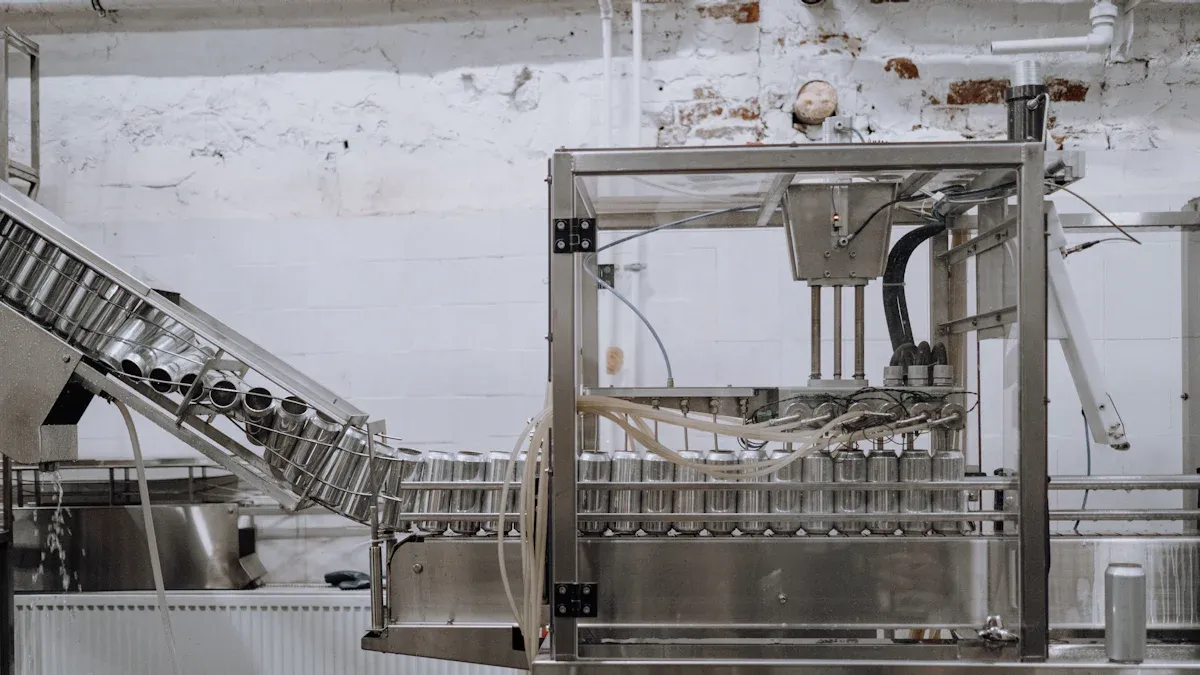
A business must deliver the same taste and appearance in every batch. Consistent product quality builds customer trust and supports brand reputation. Operators look for machines that form siomai with uniform size and shape. Reliable machines help maintain the right filling-to-wrapper ratio. Some models use advanced sensors to monitor weight and thickness. These features reduce human error and improve output.
Tip: Consistent quality leads to fewer customer complaints and higher repeat sales.
Food-Grade Certifications and Compliance
Food safety regulations protect both customers and businesses. Manufacturers design machines to meet strict industry standards. Operators should check for certifications such as ISO 22000, HACCP, or local food safety marks. Certified machines show that the equipment meets hygiene and safety rules. Compliance with these standards helps businesses avoid fines and legal issues.
| Certification | What It Means |
|---|---|
| ISO 22000 | International food safety |
| HACCP | Hazard analysis and control |
| Local Marks | Meets regional requirements |
A certified siomai machine supports safe production and builds customer confidence.
Materials and Hygiene Standards
High-quality machines use food-grade stainless steel and non-toxic plastics. These materials resist rust and prevent contamination. Smooth surfaces make cleaning easier and stop bacteria from growing. Operators should choose machines with removable parts for thorough washing. Some models include self-cleaning features to save time.
- Stainless steel parts last longer and stay clean.
- Removable trays and hoppers allow deep cleaning.
- Sealed joints prevent food particles from getting trapped.
Note: Regular cleaning and maintenance keep the machine safe and extend its lifespan.
Siomai Machine Maintenance and Support
Maintenance Needs and Costs
Regular maintenance keeps a siomai machine running smoothly. Operators must clean and inspect the equipment daily. They check moving parts for wear and lubricate gears as needed. Some machines require weekly deep cleaning to prevent food buildup. Maintenance schedules vary by model and usage.
Owners should budget for routine upkeep. Costs include cleaning supplies, replacement parts, and technician fees. Machines with simple designs often cost less to maintain. Complex models may need specialized service. A well-maintained machine reduces downtime and extends its lifespan.
Tip: Create a maintenance checklist and train staff to follow it. Consistent care lowers repair expenses and improves food safety.
Reliability and Warranty
Reliability matters in food production. A dependable siomai machine delivers consistent results and minimizes breakdowns. Manufacturers test machines for durability before shipping. Owners should review product reviews and ask for performance data.
Warranty coverage protects the investment. Most suppliers offer warranties that cover parts and labor for a set period. Longer warranties signal confidence in product quality. Owners must read warranty terms carefully. Some warranties exclude damage from improper use or lack of maintenance.
| Warranty Feature | Benefit |
|---|---|
| Parts Replacement | Reduces repair costs |
| Labor Coverage | Eases service expenses |
| Extended Duration | Ensures long-term support |
Technical Support and Spare Parts
Technical support helps operators solve problems quickly. Reliable suppliers provide phone, email, or chat assistance. Some companies offer on-site service for major repairs. Fast support reduces production delays and keeps operations running.
Access to spare parts is essential. Owners should choose machines with readily available components. Suppliers who stock common parts help businesses avoid long waits. Some manufacturers include starter kits with essential spares.
- Quick support prevents costly downtime.
- Spare parts availability ensures smooth operation.
- On-site service adds convenience for busy kitchens.
Note: Before buying, confirm the supplier’s support channels and spare parts policy. Strong after-sales service builds trust and keeps the business productive.
Making the Final Siomai Machine Decision
Balancing Features and Budget
Business owners often face tough choices when selecting equipment. They compare machine features against available funds. Some prioritize advanced automation, while others focus on basic reliability. A clear budget helps guide decisions. Owners list essential features, then check which models fit their price range. They avoid overspending by choosing machines that meet current needs without unnecessary extras.
Tip: Owners should request detailed quotes from suppliers. Comparing prices and included services helps prevent hidden costs.
| Feature Priority | Budget Impact |
|---|---|
| Essential | Must fit budget |
| Optional | Consider if funds allow |
| Luxury | Only if surplus exists |
Prioritizing Business Needs
Every business has unique requirements. Owners identify their top priorities before making a purchase. Some need high output for large orders. Others value flexibility for custom recipes. They consider staff skills, kitchen space, and future growth. A clear list of needs helps narrow down choices. Owners select machines that solve their biggest challenges.
- High output supports busy restaurants.
- Flexible settings help with menu changes.
- Compact designs fit small kitchens.
Owners who focus on their main goals make smarter investments. They avoid buying machines with features they will not use.
Supplier Reputation and Customer Feedback
Supplier reputation plays a key role in the decision process. Owners research brands and read customer reviews. Reliable suppliers offer strong warranties and fast support. Positive feedback signals good service and durable products. Owners contact other businesses for honest opinions. They check how suppliers handle repairs and spare parts.
Note: Owners should choose suppliers with proven track records. Trusted companies help ensure smooth operations and long-term satisfaction.
A siomai machine from a reputable supplier often delivers better results. Owners who value feedback and reputation protect their investment.
Selecting the right siomai machine requires careful planning. Business owners should match machine features to their goals, budget, and quality standards. They need to review production needs, automation levels, product quality, safety, and support options. By focusing on what matters most, they can make a smart investment that supports long-term growth and customer satisfaction.
FAQ
What is the average lifespan of a siomai machine?
Most siomai machines last 5 to 10 years with regular maintenance. High-quality models with stainless steel parts often last longer. Proper cleaning and timely part replacement help extend the machine’s service life.
How often should operators clean a siomai machine?
Operators should clean the machine after every production shift. Deep cleaning once a week prevents food buildup and bacteria growth. Regular cleaning keeps the machine safe and maintains product quality.
Can one machine handle different siomai recipes?
Many modern siomai machines support recipe changes. Adjustable settings and interchangeable molds allow operators to switch fillings and sizes. Always check the machine’s specifications for customization options.
What should a business do if the machine breaks down?
Contact the supplier’s technical support immediately. Use the warranty or service agreement for repairs. Keep spare parts on hand to reduce downtime and maintain production schedules.
See Also
Top Capsule Checkweighers To Consider For Purchase In 2025
Essential Industrial Vacuum Cleaners For Every Business In 2025
Key Factors That Define The Best Nameplate Supplier In 2025
Popular Features Of Folder Gluers For Carton Lines In 2025
Top Locations For Purchasing X-Ray Inspection Machines In China