Choosing the Perfect Office Water Dispenser for Your Workplace

You want everyone at work to stay refreshed and healthy. Picking the right office water dispenser can help with that. Think about what your team likes and needs. A good choice keeps people happy and ready to tackle the day. Clean water means better focus and more smiles.
Key Takeaways
- Assess your team's size and daily water needs to choose a dispenser that meets their demands.
- Consider the placement of the dispenser for easy access, ensuring it encourages regular use by employees.
- Evaluate the long-term costs of different dispenser types to find a budget-friendly option that saves money over time.
Office Water Dispenser: Matching Team Needs and Workplace Size

Assessing Team Size and Daily Water Usage
You want your office water dispenser to keep up with your team’s thirst. Start by looking at how many people work in your office and how much water they drink each day. Most adults need about 2 to 3 liters of water daily, so a team of ten could go through 20 to 30 liters every day. If your office gets busy in the summer or during flu season, water needs can jump by 40%. Tracking water use for a week helps you see real numbers. Here’s a quick table to guide your choice:
| Factor | Description |
|---|---|
| Real-World Water Needs | Check average daily use, not just headcount. |
| Capacity | Make sure the dispenser can handle your team’s size and habits. |
| Seasonal Spikes | Plan for higher use in hot months or busy times. |
Space and Placement Requirements
Think about where you’ll put your office water dispenser. You want it easy to reach, so people use it often. Place one in the break room for quick refills or near workstations in a large office. If you have guests, a dispenser in the reception area makes a good impression. Some models offer Braille overlays and lower panels for better access. Here are some popular spots:
- Break rooms
- Conference rooms
- Reception areas
- Workstations
Budget and Long-Term Costs
Your budget matters, but so do long-term savings. Bottled water systems can cost $35,000 to $45,000 over five years, while plumbed-in models run about $12,000. Bottleless systems usually cost 30-50% less per gallon after the first year. Regular maintenance and filter changes add to costs, but some rental plans include these in a flat monthly fee. You can save thousands by choosing the right office water dispenser for your team’s needs.
Office Water Dispenser: Features, Safety, and Sustainability
Dispenser Type: Bottled vs. Plumbed-In
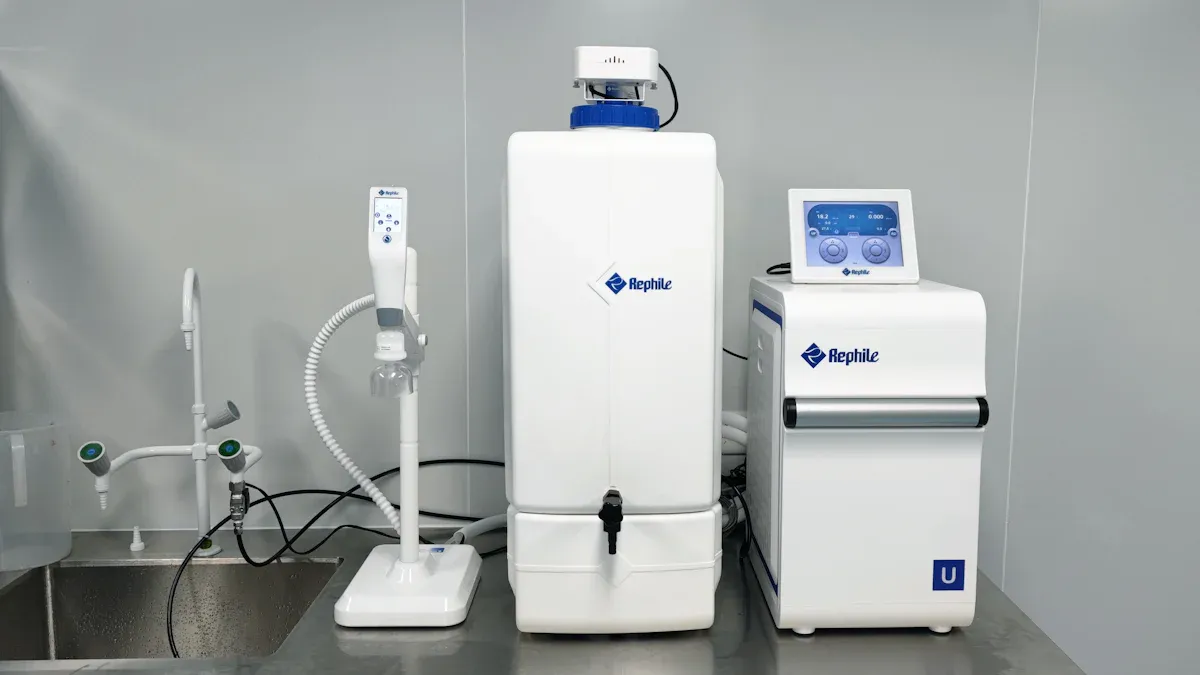
You have two main choices when picking an office water dispenser: bottled or plumbed-in. Each type has its own setup, costs, and benefits. Bottled dispensers work almost anywhere and need no plumbing. You just swap out the bottles when they run dry. Plumbed-in dispensers connect right to your water line and filter tap water on the spot. They need a spot near plumbing but never run out of water.
Here’s a quick look at how they compare:
| Feature | Bottled Water | Plumbed-in Water |
|---|---|---|
| Installation | No plumbing needed | Needs a nearby water line |
| Operation | Change bottles and schedule deliveries | Filters water instantly, no bottles |
| Maintenance | Route driver handles it | Service team handles it |
| Flexibility | Place anywhere | Needs plumbing access |
For medium-sized offices, bottled dispensers are portable and great for temporary spaces. You do have to deal with bottle changes and possible spills. Plumbed-in dispensers cost less over time and give you a steady water supply, but you need a pro to install them and good water pressure.
Cooling, Heating, and Smart Options
Modern office water dispensers do more than just give you cold water. Many offer hot water for tea or soup, and some even have room temperature options. You can find models with touchless technology, so you never have to press a button—just wave your hand. This keeps things clean and safe.
Some cool features you might see include:
- Multi-stage filtration with sediment and carbon filters
- UV sterilization for extra protection
- Smart alerts for filter changes
- Automatic cleaning cycles using UV light or ozone
- Child safety locks on hot water taps
- Antimicrobial surfaces
Smart dispensers can even track water quality, send maintenance alerts, and help you manage hydration programs at work. Here’s a table showing how these features help you:
| Feature | Benefit |
|---|---|
| Touchless operation | Keeps things clean and easy |
| Water quality sensors | Makes sure your water is safe |
| Data analytics | Helps you track use and plan maintenance |
| Health system integration | Supports wellness at work |
| Remote management | Makes upkeep simple |
| Less plastic waste | Helps you meet green goals |
Safety Certifications and Hygiene
You want your office water dispenser to be safe and clean. Look for models with NSF-certified filters, which meet strict standards for removing contaminants. Some dispensers also have UL certification, showing they meet safety rules for electrical products.
| Certification Type | Description |
|---|---|
| NSF-certified filters | Meet ANSI 42 and 53 standards for contaminant reduction |
| UL certification | Shows the dispenser is safe to use |
To keep things healthy, you should clean bottled dispensers every three months and plumbed-in ones every six months. Always test for things like lead, bacteria, and chlorine. California and other states have rules to make sure dispensers stay safe and clean, so regular maintenance is a must.
Tip: Regular cleaning and filter changes keep your water tasting fresh and your team healthy.
Energy Efficiency and Maintenance
Choosing an energy-efficient office water dispenser saves money and helps the planet. Brands like Elkay and ProDrinkingFountains offer models that use less power and cool water quickly. Some even have smart power management to cut down on energy use when not in use.
Regular maintenance matters, too. When you clean your dispenser and change filters on time, you use less energy and your machine lasts longer. Here’s how maintenance helps:
| Benefit | Explanation |
|---|---|
| Reduced energy use | Clean filters mean less work for the machine |
| Longer lifespan | Cleaning stops buildup that can break the dispenser |
| Steady water flow | Well-kept machines work better and faster |
Environmental Impact and Water Quality
If you care about the environment, a plumbed-in office water dispenser is a smart pick. Bottled dispensers create plastic waste and need trucks to deliver bottles, which adds to pollution. Plumbed-in systems cut down on plastic and lower your carbon footprint. They also help prevent workplace injuries from lifting heavy bottles.
| Aspect | Bottled Water Dispensers | Plumbed-in Systems |
|---|---|---|
| Plastic Waste | Creates lots of plastic waste | No plastic bottles needed |
| Carbon Emissions | Needs trucks for delivery | Fewer transport emissions |
| Waste Footprint | High across the supply chain | Much lower over time |
| Workplace Injuries | Lifting bottles can hurt people | No heavy lifting |
| Sustainability Goals | Not as green | Helps you meet green goals |
A good office water dispenser also supports your workplace’s sustainability goals. You use fewer single-use bottles and cups, save money, and keep your team happy and hydrated.
Note: Always check that your dispenser meets water quality standards. Test for lead, bacteria, and other contaminants to keep everyone safe.
You want the best for your team. Start by comparing options with these steps:
- Check water use.
- Look at your space.
- Set a budget.
- Test water quality.
- Review dispenser types.
A good dispenser boosts health and focus. See how:
| Benefit | Result |
|---|---|
| Better hydration | More energy, less fatigue |
Don’t forget to check reviews and warranty for long-term value.
FAQ
How often should you clean your office water dispenser?
You should clean your dispenser every three to six months. Regular cleaning keeps water fresh and helps your team stay healthy.
Can you use tap water in a plumbed-in dispenser?
Yes, you can use tap water. The dispenser filters it before you drink. Always check the filter status for best water quality.
What features make a dispenser easy to use?
- Touchless controls
- Clear instructions
- Fast dispensing
- Accessible height
These features help everyone get water quickly and safely.