How to Find a Trustworthy Collagen Manufacturer for Your Supplement Line
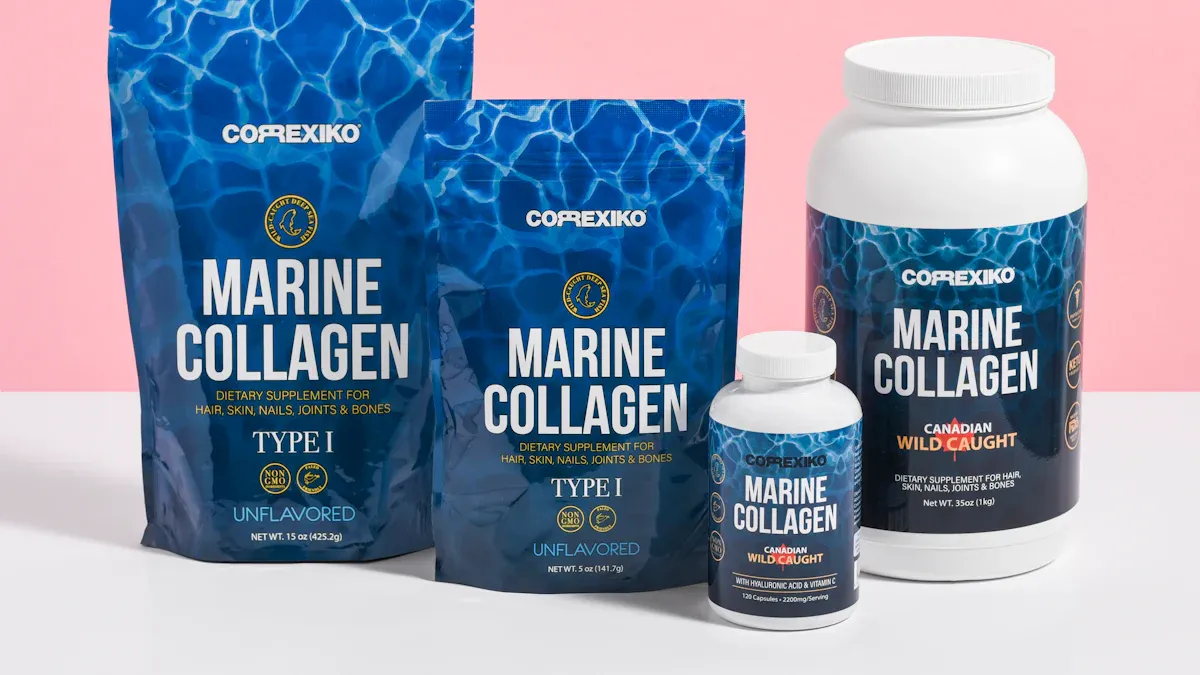
You want to trust collagen manufacturers that show proven quality, regulatory compliance, transparency, and reliable support. Choosing the right partner affects your supplement’s authenticity, consumer trust, and market growth.
| Impact Area | Description |
|---|---|
| Product Authenticity | Genuine products build consumer trust. |
| Regulatory Compliance | Standards prevent counterfeits and mislabeling. |
| Consumer Trust | Reputation attracts a broader consumer base. |
| Market Growth | Quality assurance creates a stable market environment. |
Key Takeaways
- Choose collagen manufacturers with strong quality assurance practices. Look for certifications like cGMP and ISO to ensure product safety and consistency.
- Prioritize transparency and communication. Reliable manufacturers provide detailed ingredient information and respond to inquiries about sourcing and testing.
- Customize your products to meet consumer needs. Unique formulations and convenient packaging can help your brand stand out in a competitive market.
Key Criteria for Choosing Reliable Collagen Manufacturers

Quality Assurance and Certifications
You need to check if collagen manufacturers follow strict quality assurance practices. Reliable companies use advanced technologies to keep their products consistent. Automated production lines help maintain uniformity. Integrated research and development teams work with medical institutions to test and validate products. These manufacturers stick to high quality standards to protect product integrity.
| Technology/Practice | Description |
|---|---|
| Automated Production Lines | Uses automation for consistent production. |
| Integrated R&D Capabilities | Collaborates with medical experts for clinical testing and validation. |
| Quality Standards | Follows strict guidelines to ensure product integrity. |
Collagen manufacturers also document each batch, source raw materials transparently, and meet HACCP and ISO standards. Many offer Halal and Kosher certifications if you request them. FNP Gelatin highlights the importance of meeting international food-grade standards. This ensures collagen ingredients stay clear, strong, and consistent from batch to batch. In China, the CNAS enforces rigorous testing and international standards. North America has different quality control standards, so you must check each region’s requirements.
Manufacturing Capabilities and Customization
You want collagen manufacturers who can create products that fit your brand’s needs. Personalization is important in today’s market. Manufacturers often develop unique formulations to meet consumer demands. Customization helps your product stand out by targeting specific health needs and preferences.
- Personalization is crucial for product differentiation.
- Manufacturers create unique formulations for consumer demands.
- Customization tailors products to health needs and preferences.
Technological advancements improve extraction and fractionation processes. Enhanced bioavailability lets you customize performance and user experience. Supplement brands often request organic and wild-caught marine collagen with sustainability documentation. Natural sweeteners improve flavor. Specialized formulations combine collagen with other ingredients for beauty and joint health.
- Brands request unique combinations for specific health issues.
- Common collagen types include Bovine (Type I & III), Marine (Type I), and Chicken Sternum (Type II).
- Functional ingredients like hyaluronic acid, vitamin C, and biotin boost benefits.
- Collagen coffee creamers, instant drink mixes, and stick packs offer convenience.
- Custom formulations can include or exclude flavors, colorants, and sweeteners.
- Options for organic, vegan, vegetarian, gluten-free, kosher, and halal products are available.
Transparency and Communication
You need collagen manufacturers who value transparency and clear communication. Consistent messaging across platforms builds trust and recognition. Emotional connections with consumers foster loyalty. Transparent brand storytelling helps customers trust your products.
| Aspect | Description |
|---|---|
| Ingredient authenticity | Confirms the product contains what is claimed on the label. |
| Dose accuracy | Ensures each serving contains the stated amount of collagen. |
| Contamination testing | Checks for banned substances, heavy metals, and microbiological risks. |
| Manufacturing standards | Guarantees products are produced in safe, controlled facilities. |
| Regulatory oversight | The Food Standards Agency enforces labeling accuracy and investigates ingredient safety. |
| Transparency in labeling | Brands provide detailed nutritional breakdowns and explain their sourcing. |
| Responsiveness | Transparent manufacturers answer inquiries thoroughly about testing methods and ingredient sourcing. |
| Certificates of analysis | Reputable brands provide these documents freely, indicating commitment to transparency and safety. |
Transparent collagen manufacturers answer your questions about testing methods and ingredient sourcing. They provide certificates of analysis to show their commitment to safety. You should expect detailed nutritional breakdowns and clear sourcing explanations.
Regulatory Compliance
You must choose collagen manufacturers who follow all regulatory requirements. Each region has its own rules for collagen products. Quality control standards protect product safety. Changes in regulations can affect market operations and product offerings.
The regulatory frameworks for collagen and related medical devices in major markets emphasize compliance with specific guidelines and standards for product safety and efficacy. This includes the production processes and quality control measures for recombinant humanized collagen, which is crucial for ensuring the safety and effectiveness of the final products.
Collagen manufacturers must meet guidelines in the United States, European Union, and Asia. These rules cover production processes and quality control. Regulatory oversight ensures your products stay safe and effective.
Value-Added Services from Collagen Manufacturers and Common Mistakes to Avoid
Formulation and Product Development Support
You can boost your supplement line with formulation support from collagen manufacturers. They help you create products that meet consumer health needs. Collagen supplements offer functional protein, which supports hair and nail strength. Manufacturers often combine collagen with vitamins, minerals, and botanicals. This approach helps you deliver innovative products that stand out. Many brands use clinical studies to show collagen’s benefits for joint health and skin resilience.
| Study Type | Findings |
|---|---|
| Open-label studies | Collagen hydrolyzates are safe and may improve pain and function in OA patients. |
| Double-blind studies | Small trials suggest collagen may help joint health. |
| Clinical trials | More research is needed for early and advanced OA. |
Packaging, Private Label, and Market Insights
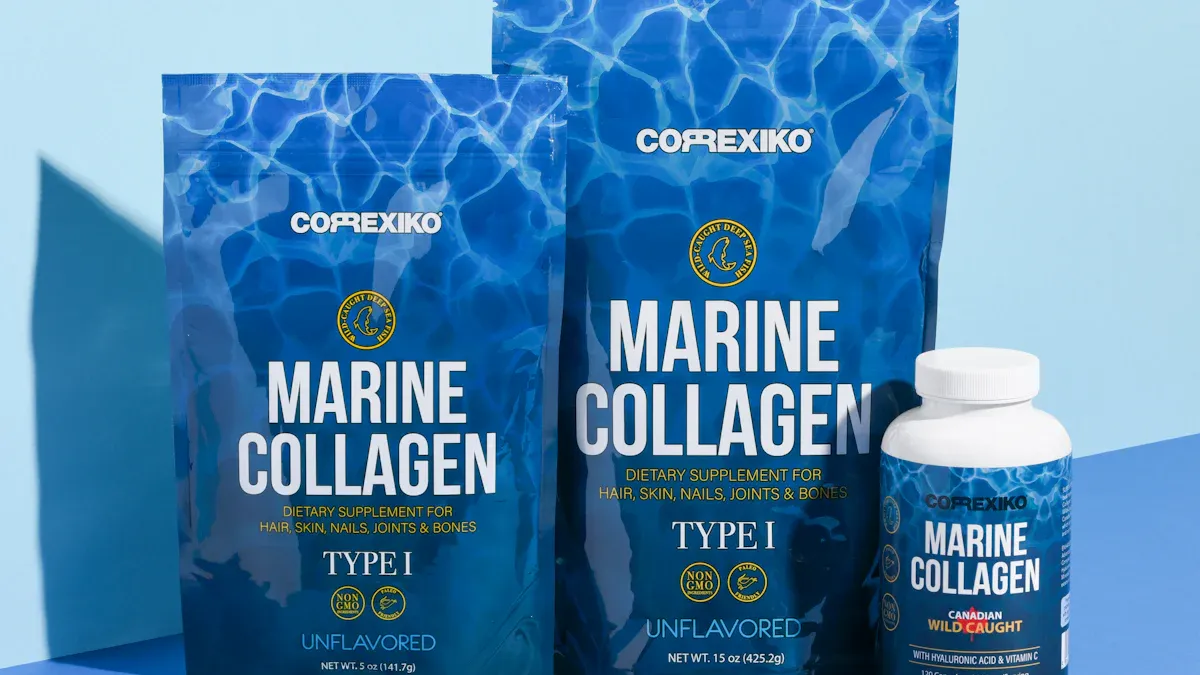
You can choose packaging options that fit your brand identity. Collagen manufacturers offer powders, gels, liquids, and tablets. Private label solutions let you customize flavors, ingredients, and delivery formats. This flexibility helps you attract more customers and increase profit margins.
- Customization enhances brand recognition.
- Unique products help you stand out in a crowded market.
- Convenient formats like bars and drinks appeal to busy consumers.
Tip: Innovative flavors and packaging make your products more enjoyable and memorable.
| Insight Type | Description |
|---|---|
| Strategic Foresight | Tracks market changes and regulatory shifts. |
| Consumer Trends | Adapts products to local preferences and campaigns. |
| Product Development | Focuses on innovation and customer needs. |
Common Mistakes When Selecting Collagen Manufacturers
You should avoid mistakes that can harm your supplement business.
- Poor quality collagen leads to ineffective products.
- Choosing the wrong collagen type ignores consumer needs.
- Insufficient dosage reduces product benefits.
- Mixing incompatible ingredients affects absorption.
- Neglecting a balanced diet limits collagen’s effectiveness.
Statistical tools help manufacturers monitor quality and compliance. If you ignore these tools, you risk production delays and regulatory penalties. After-sales support and quality certification are essential for long-term success.
You can evaluate collagen manufacturers by following these steps:
- Align collagen ingredients with your product category.
- Assess supplier expertise and partnership potential.
- Maximize sourcing efficiency.
- Seek scientific validation.
| Checklist Item | Description |
|---|---|
| FDA Facility Registration | Confirm active registration status. |
| Certificate of Analysis | Review batch-specific safety data. |
| Named Collagen Source | Verify specific sourcing. |
| cGMP Certification | Check facility certification. |
| Clinical Trials | Find relevant studies. |
| Stability Statement | Examine shelf-life data. |
| Allergen Controls | Ensure allergen safety. |
Prioritizing quality and compliance strengthens your brand and builds lasting partnerships with reliable collagen manufacturers.
FAQ
What certifications should you look for in a collagen manufacturer?
You should check for cGMP, ISO, and HACCP certifications. These show the manufacturer follows strict quality and safety standards.
How can you verify the source of collagen?
Ask for a certificate of analysis. You can also request details about the origin and type of collagen used in your supplement.
Why is transparency important when choosing a collagen manufacturer?
Transparency helps you trust the product. You can see ingredient lists, testing results, and safety information before you buy.
See Also
Discover The Health Benefits Of Bovine Gelatin Powder
Comparing The Best Manufacturers Of Ampoule Filling Lines
Creative Techniques To Incorporate Bovine Gelatin In Cooking