Boost Efficiency and Solve Your Top Packaging Problems
Manufacturers solve top packaging problems by focusing on two key areas: material optimization and strategic automation. They select high-barrier films to extend shelf life. Implementing automated systems like the SOONTRUE SW60 increases speed and reduces errors, justifying the initial Chips Packing Machine Price with significant gains in operational efficiency.
Select the Right Materials to Solve Freshness and Durability

A product's journey from the production line to the consumer's hands is fraught with challenges. The right packaging material is the first line of defense, acting as a critical barrier against spoilage, damage, and brand erosion. Companies that master material selection solve their most persistent freshness and durability problems, turning a potential liability into a competitive advantage. The financial impact of getting this wrong is significant; poor packaging practices contribute to inventory loss, costly returns, and diminished customer trust. Choosing the right film is a strategic decision that directly protects the product and the bottom line.
Choose High-Barrier Films to Extend Shelf Life
Snack products fail to maintain freshness for many reasons, including early staling, flavor degradation from oxidation, and moisture imbalances. These issues often stem from a single source: inadequate protection from the external environment. High-barrier films are engineered specifically to combat these threats by controlling the transmission of oxygen, moisture, and light.
For snacks high in oils, like potato chips and nuts, exposure to oxygen is the primary enemy. It leads to rancidity, causing unpleasant tastes and odors. A film's effectiveness is measured by its Oxygen Transmission Rate (OTR) and Water Vapor Transmission Rate (WVTR).
| Snack Product | Key Threat | Ideal OTR (cm³/m²/day) | Ideal WVTR (g/m²/day) |
|---|---|---|---|
| Potato Chips | Rancidity | < 3 | < 0.5 |
| Nuts/Seeds | Oxidation of oils | < 3 | < 0.5 |
To meet these stringent requirements, manufacturers turn to advanced materials like EVOH (Ethylene-vinyl alcohol), PVDC (Polyvinylidene chloride), and metallized films. EVOH's unique molecular structure, with its dense crystalline regions, makes it an exceptional gas barrier. Metallized films, such as Metallized PET, offer superior barrier properties and a premium metallic appearance, though they cannot be used with metal detectors.
Pro Tip: The choice of barrier material depends on the product's specific vulnerabilities. A transparent film with a PVDC coating offers good barrier properties and allows product visibility, while a metallized film provides the highest protection for light- and oxygen-sensitive items.
The results of using high-barrier films are clear and measurable. Case studies show that proper material selection dramatically extends shelf life:
- Vacuum-sealed meat products saw a 35% longer shelf life compared to traditional methods.
- Fruits packaged in high-barrier films experienced a 50% reduction in spoilage rates over three weeks.
- An edible high-barrier film kept sliced cheese and prosciutto fresh for up to 5 months under refrigeration.
Ensure Packaging Survives Shipping and Handling
A package must endure impacts, vibrations, and pressure throughout the supply chain. Failures during transit, such as punctures, crushed corners, and broken seals, lead to unsaleable products and a tarnished brand reputation. Durability is not an accident; it is engineered through intelligent material construction.
Multi-layer laminated films are the industry standard for creating robust flexible packaging. Each layer serves a distinct purpose, working together to provide comprehensive protection.
| Layer | Function | Typical Materials |
|---|---|---|
| Outer Layer | Provides strength, stiffness, and printability. | PET, OPA, OPP |
| Barrier Layer | Protects against gases, moisture, and light. | EVOH, PVDC, Aluminum foil |
| Tie Layer | Bonds dissimilar materials together. | Modified polyolefins, adhesives |
| Inner Layer | Provides sealability and product compatibility. | PE, PP, EVA |
This composite structure enhances overall strength, prevents delamination, and ensures strong heat seals that resist bursting. To verify this durability, packaging undergoes rigorous testing based on industry standards. These tests simulate real-world shipping hazards to ensure the package can withstand them. Key standards include:
- Drop Tests (ASTM D5276, ISTA 1A): Simulate impacts from being dropped from various heights and angles.
- Puncture Resistance Tests (ASTM F1306): Measure the film's ability to resist penetration from sharp objects.
- Impact Resistance Tests (ASTM D1709): Test the film's resilience against sudden impacts using a free-falling dart.
Integrate Sustainable and Recyclable Options
Today's consumers demand more than just a quality product; they expect brands to demonstrate environmental responsibility. Packaging material choices directly influence consumer perception of a brand's values. Research shows that 77% of consumers consider recyclability extremely or very important, and many are willing to pay more for products in sustainable packaging.
The challenge has been to create recyclable packaging that still offers the high-barrier properties needed for freshness. Historically, this was achieved with multi-material laminates that are difficult or impossible to recycle. The solution lies in designing for recyclability from the start.
This involves a shift toward mono-material structures, primarily using:
- Mono-PE (polyethylene)
- Mono-PP (polypropylene)
These materials can be recycled in existing streams. To achieve the necessary barrier performance, manufacturers now use ultra-thin, advanced coatings. For example, a thin layer of Aluminum Oxide (AlOx) or Silicon Oxide (SiOx) can be applied to a mono-material film, providing an excellent oxygen and moisture barrier while remaining fully recyclable. By embracing these innovations, companies can meet consumer expectations for sustainability without compromising on product protection.
Increase Throughput with Strategic Automation
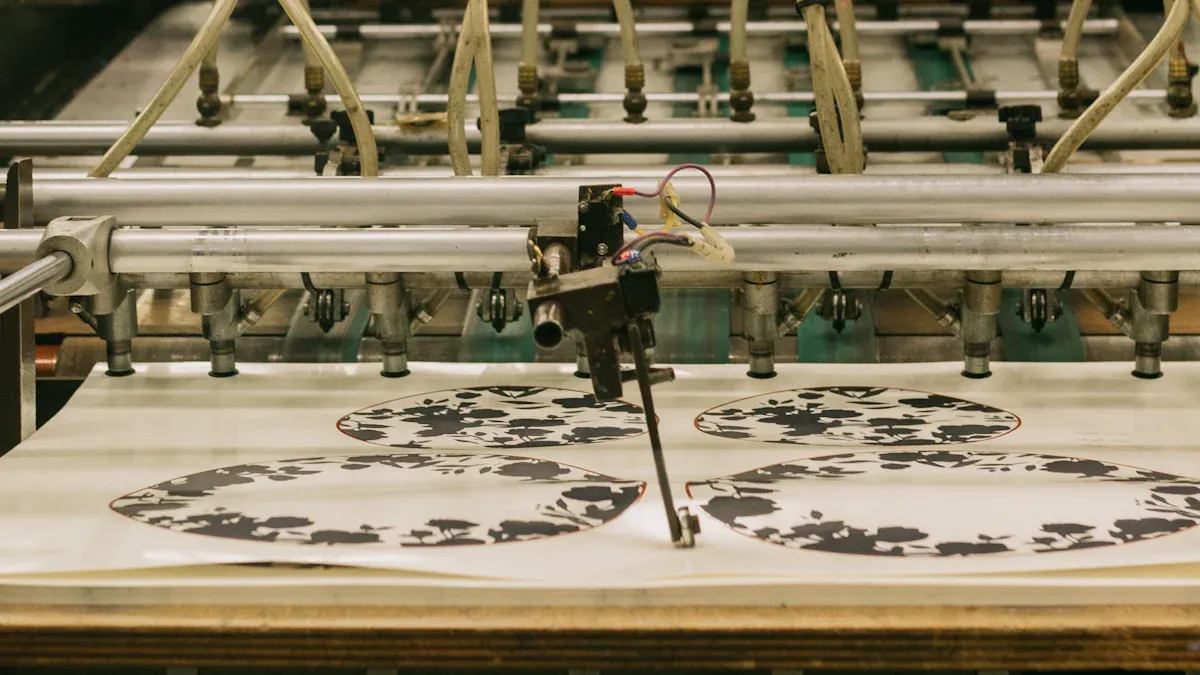
Excellent materials are only half the solution. The other half lies in how efficiently a company can package its products. Manual packaging lines often create significant bottlenecks, especially at the final pack-out stations where teams struggle to keep pace with production. These manual touchpoints introduce labor costs, increase the risk of human error, and slow down the entire operation. Strategic automation directly solves these problems by replacing repetitive, slow tasks with high-speed, precise machinery, transforming a production constraint into a powerful asset.
Automate Form-Fill-Seal Processes for Speed
The core of snack packaging is the form-fill-seal (FFS) process. Automating this single step delivers immediate and substantial gains in throughput. An automated FFS machine, like the SOONTRUE SW60, performs three actions in one seamless motion: it forms a bag from a roll of film, fills it with a precise amount of product, and seals it securely. This integrated cycle dramatically outpaces any manual equivalent.
Modern FFS machines boost operational efficiency through several key features:
- High Speed: Automated systems process hundreds of items per minute, allowing manufacturers to meet high demand without sacrificing quality.
- Lower Labor Requirements: Automation reduces the need for manual intervention. This minimizes the risk of human error and allows employees to focus on higher-value tasks like quality control.
- Reduced Waste: Precision film handling cuts and seals packaging to exact specifications, minimizing material consumption.
Beyond speed, automation excels at reducing product giveaway and material waste. Advanced machines use sophisticated systems to ensure accuracy.
- Servo-Driven Controls offer precise management over the filling cycle, ensuring consistent weights.
- No-Drip, No-Spill Nozzle Designs prevent product loss between fills, which is especially important for seasonings or sticky coatings.
- Auto-Centering Film Loaders automatically adjust the film's position, saving time and preventing misaligned bags that would otherwise be discarded.
Note: For delicate products like potato chips or puffed foods, an optional air flushing device can be integrated. This process uses nitrogen to displace oxygen, protecting the product from being crushed while also extending its shelf life.
Understand the Chips Packing Machine Price and ROI
The primary consideration for any business exploring automation is the initial investment. The Chips Packing Machine Price can vary significantly based on the machine's capabilities, speed, and features. A general overview provides a starting point for budgeting.
| Machine Type | Typical Price Range | Key Feature |
|---|---|---|
| Small Chips Packing Machine | Around $700 | Entry-level for small-scale operations. |
| Nitrogen Chips Packing Machine | Around $1,000 | Includes gas flushing for freshness. |
| Chips Pouch Packing Machine | Highest Price | Advanced features, high speed, and versatility. |
However, a focus solely on the upfront Chips Packing Machine Price is shortsighted. A proper analysis requires calculating the Return on Investment (ROI), which demonstrates how the machine pays for itself over time. The ROI for an automated packer is driven by tangible savings:
- Labor Savings: Automation drastically reduces the costs associated with manual labor. It allows staff to be reallocated from repetitive packing tasks to roles requiring more skill, such as machine maintenance or quality assurance.
- Increased Throughput: An automated machine operates consistently at high speeds, processing a larger volume of products in less time. This directly increases a company's capacity to meet consumer demand and generate revenue.
- Material Savings: Precision systems like multihead weighers prevent product overfill (giveaway), a major source of hidden costs. Efficient film usage also reduces material waste, lowering the cost per package.
When evaluating the total Chips Packing Machine Price, decision-makers must also consider long-term maintenance. Hidden costs can arise from machines that require proprietary parts or frequent repairs. Opting for a robustly built machine with accessible components and transparent service agreements is crucial for ensuring a low total cost of ownership and a favorable ROI. The initial Chips Packing Machine Price is an investment that yields returns through efficiency, while a low-quality machine's Chips Packing Machine Price is just the beginning of ongoing expenses.
Use Robotics for End-of-Line Case Packing
The benefits of automation extend beyond the primary packaging stage. The end of the line—where individual bags are packed into larger cases for shipping—is another common bottleneck. Robotic case packers solve this by automating the repetitive and physically demanding tasks of picking, orienting, and placing products into secondary containers.
The advantages of robotic case packing over manual labor are clear and compelling.
| Feature | Robotic Case Packers | Manual End-of-Line Packing |
|---|---|---|
| Speed & Efficiency | High speed, 24/7 operation, consistent quality. | Slower pace, limited hours, prone to fatigue and error. |
| Quality Control | Unmatched accuracy, error reduction via sensors. | Variable quality, higher potential for miscounts or damage. |
| Labor Impact | Reduces repetitive strain, improves workplace safety. | High risk of musculoskeletal injuries, higher labor needs. |
| Flexibility | Easily reprogrammed for different product sizes and patterns. | Requires retraining for new packing configurations. |
One of the most significant benefits is the improvement in workplace safety. Repetitive manual packing is a leading cause of musculoskeletal disorders (MSDs) like carpal tunnel syndrome and back injuries. Case studies consistently show that implementing robotics dramatically reduces these risks.
- In one snack food facility, a robotic packer reduced upper extremity MSD risk factors by 71%.
- Another study found that a collaborative robot eliminated thousands of repetitive hand motions per shift, significantly lowering injury risk.
Furthermore, robotic systems are engineered for seamless integration and scalability. They are often designed with a compact footprint to conserve valuable floor space and can be tailored to fit into existing production lines with minimal disruption. This inherent flexibility allows businesses to scale production up or down to meet fluctuating market demand without the need to hire or lay off temporary workers, providing a level of operational agility that is impossible to achieve with a manual workforce.
Manufacturers achieve superior packaging through a dual strategy of material upgrades and automation. Choosing better films and efficient machinery directly solves freshness, durability, and speed issues. The first step involves a material audit. Companies can then request a quote for an automated solution like the SW60 Flow Wrapper to calculate potential ROI.
FAQ
What is the main benefit of high-barrier films?
High-barrier films protect products from oxygen and moisture. This protection extends shelf life, prevents spoilage, and preserves the flavor and texture of snacks like potato chips.
How does the SOONTRUE SW60 improve packaging speed?
The SW60 automates the form-fill-seal process into one seamless motion. It operates at high speeds, packing up to 120 bags per minute for significantly increased production throughput.
Why is nitrogen flushing important for snack packaging?
Nitrogen flushing displaces oxygen inside the package. This process prevents snack oxidation and rancidity. It also creates a cushion, protecting delicate items like chips from crushing during transit.
See Also
Unpacking Plate Pack Benefits and Cost-Effectiveness: A 2025 Outlook
Revolutionizing Pharma: Capsule Decapsulation Machines Boost Efficiency and Productivity
Top Folder Gluer Innovations Shaping 2025 Carton Packaging Lines
Next-Gen Heat Exchangers: Advancements Boosting Industrial Efficiency and Output
Essential Capsule Checkweighers: A Buyer's Guide for 2025 Decisions