Performance Showdown Chinese 6090 UV Printers vs US Competitors
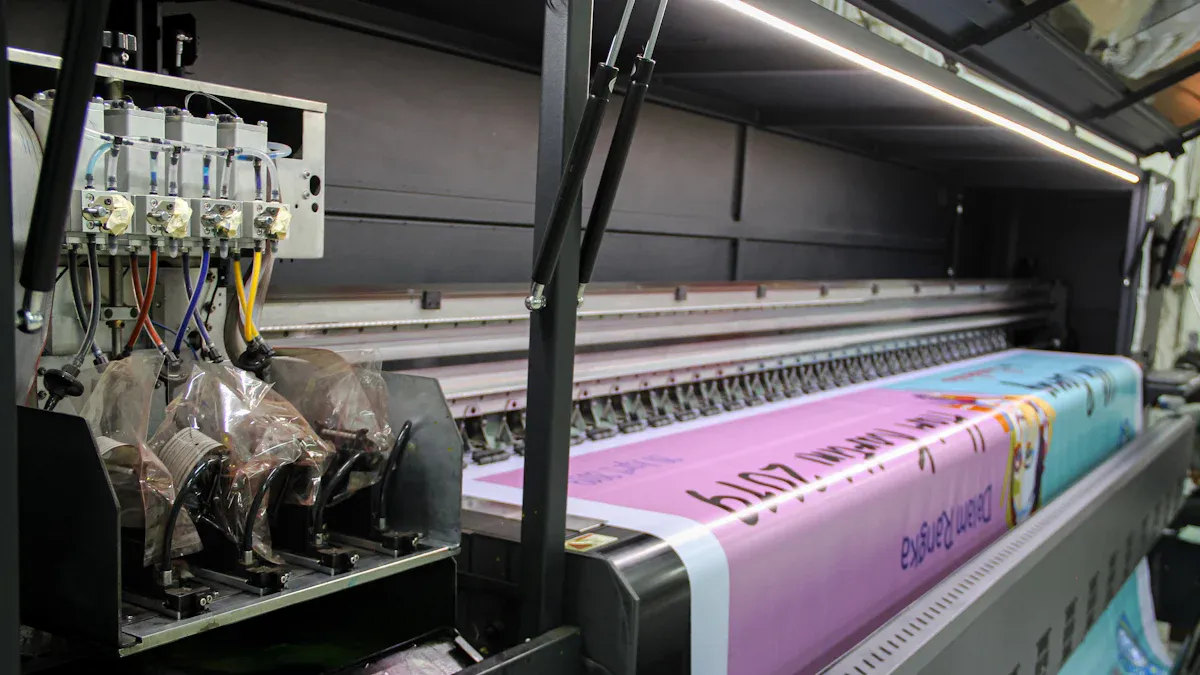
I often see startups with tight budgets select a Chinese 6090 UV printer. It provides an accessible entry point into the market. Established businesses, however, prioritize reliability for their primary UV printer or DTF printer. Your capital and technical comfort level will ultimately determine your ideal choice, whether that is a DTG Tshirt printer, roll to roll printer, or UV DTF printer.
Key Takeaways
- Chinese 6090 UV printers cost less upfront. They are good for new businesses with small budgets. You must be ready to do your own repairs.
- US UV printers cost more at first. They offer better reliability and support. This helps avoid long stops in work.
- Consider the total cost, not just the price tag. This includes ink, parts, and lost money when the printer is not working.
Price: Chinese Affordability vs. US Premium

When I consult with businesses, the conversation almost always starts with price. The cost difference between Chinese and American printers is the most dramatic point of comparison. It is the factor that shapes the entire purchasing decision for many shops.
Upfront Investment Costs
I see the appeal of Chinese printers for new businesses. The low initial cost is incredibly attractive. You can acquire a brand-new machine directly from a factory for a fraction of the price of a US-built competitor. From my research, a direct purchase of a single Chinese 6090 UV printer can be as low as $6,300. More broadly, I find that most industrial models from Chinese manufacturers fall within a $5,000 to $9,000 price range. This price point allows a startup to enter the market and begin generating revenue with minimal capital outlay.
American brands, in contrast, command a premium price. This higher cost is not arbitrary. I attribute it to significant investments in research and development, higher-grade domestic components, and comprehensive customer support networks. You are not just buying a machine; you are investing in an ecosystem designed for reliability and long-term performance. The upfront cost is higher, but it buys you peace of mind and a more predictable operational experience from day one.
Print Speed and Quality
After price, everyone asks about performance. How fast can it print, and how good does it look? Here, the specifications on paper can be misleading. Chinese manufacturers often advertise impressive speed and resolution figures.
For example, I've analyzed the typical speed ratings for these machines. They often present a range of options based on the desired output quality.
| Quality Mode | Speed (sqm/h) |
|---|---|
| Draft / Normal | 18 |
| Production / Standard | 10 |
| High Quality / Photo | 6 |
A speed of 18 square meters per hour looks great in a brochure. I must clarify that this is a draft mode, suitable only for rapid prototyping or proofs. A more realistic daily production speed is the standard quality setting, which operates around 10 square meters per hour.
Resolution is another area where numbers can be deceiving. I have seen Chinese printers advertised with very high resolutions. Some models list a maximum print resolution of 720x1440 DPI, while others claim up to 720x2880 DPI. These are photo-level specifications.
My Professional Takeaway: High DPI does not automatically equal high quality. The final print quality depends heavily on the precision of the printheads, the quality of the RIP software processing the file, and the effectiveness of the UV curing system. US brands often have a distinct advantage in the integration of these systems, producing sharper, more consistent prints even at lower nominal resolutions.
Build Quality of a 6090 UV Printer
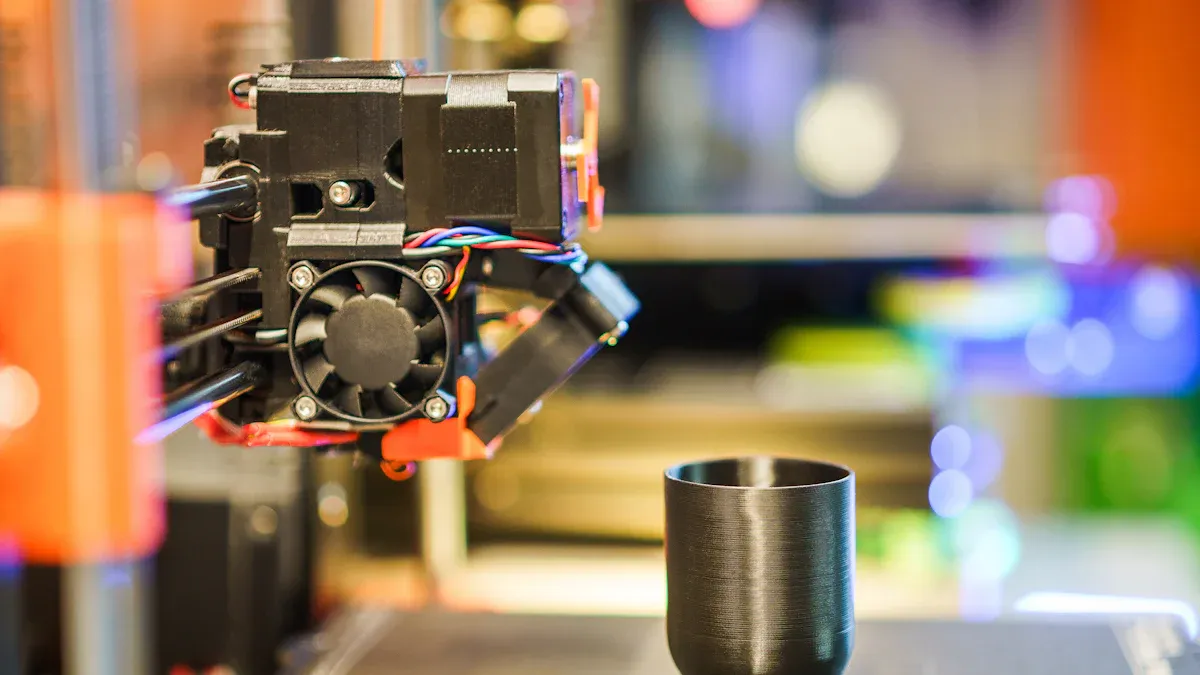
I always examine the physical construction of a printer. The build quality directly impacts print consistency and the machine's longevity. This is where I see a significant gap between Chinese and US models.
Frame and Component Grade
When I inspect a Chinese 6090 UV printer, I often find they use reputable core components. Many manufacturers equip their machines with quality Epson printheads, such as the I1600, I3200, or the older DX5 models. These are capable heads that can produce high-resolution output. However, a printer is more than just its printhead. The supporting components, like the frame, guide rails, and motion systems, are often lighter-duty than their American counterparts.
This is where I see problems arise. The integration of all these parts is critical. Common points of failure I encounter include:
- Poor printing patterns from uncalibrated nozzles or uneven guide rails.
- Inability to perform precise positioning due to faulty wiring or interface cards.
- Frequent stops or garbled output caused by data connection issues.
Reliability and Expected Lifespan
From my experience, the average operational lifespan for most UV printers is between 3 and 5 years, and Chinese models generally fall within this range. The key difference is the amount of maintenance required to get there. American machines are built for higher production volumes with less downtime.
Warranty periods can also be revealing. I've seen warranties for these printers ranging from 18 to 36 months. However, you must read the fine print.
My Professional Takeaway: Pay close attention to warranty exclusions. Most warranties do not cover parts that come into contact with ink, like the printhead, pumps, or tubes. A US brand's higher initial cost often includes a more robust warranty and a support system designed to minimize these uncovered failures.
Software and Usability
A printer's software is its brain. I find that the software and user experience are just as important as the mechanical hardware. This area reveals a major difference in philosophy between Chinese and US manufacturers.
RIP Software Comparison
The RIP (Raster Image Processor) software translates your design file into printable data. Its quality directly impacts color accuracy and workflow efficiency. When I evaluate Chinese printers, I see them bundled with a few common RIP packages.
- Maintop RIP is a popular choice I encounter in the Asian market, especially for entry-level machines.
- Acrorip / FlexiPRINT DX are other options I frequently find paired with smaller format printers.
These programs are functional. They get the job done for basic operations. However, US brands typically partner with industry-leading software developers like Onyx, Caldera, or PhotoPRINT. I believe these premium RIPs provide superior color management tools and workflow automation. This advanced software gives you more predictable and consistent results, which is critical for professional production environments.
User Interface and Training
The printer's control software is your daily touchpoint with the machine. I have noticed that the user interface on some Chinese printers can be challenging. You might encounter awkward English translations or a less intuitive layout. This can create a steep learning curve for new operators.
US brands, in my experience, invest heavily in creating a polished user experience. They also typically include professional, on-site training with your purchase.
My Professional Takeaway: Hands-on training is invaluable. An expert showing your team how to operate and maintain the machine correctly prevents costly errors and maximizes your investment from the very beginning. This level of support is a key differentiator for US brands.
Support and Maintenance
I always tell clients that a printer is only as good as the support behind it. When your machine goes down, every hour of downtime costs you money. This is where the support and maintenance models for Chinese and US brands differ significantly.
Technical Support Models
When I work with US brands, I find their support structure is built around minimizing downtime. They typically offer on-site service from a network of certified technicians. You get a direct phone number to call, and a professional can often be at your shop within 24-48 hours. This hands-on support is a core part of their premium price.
Chinese manufacturers, on the other hand, almost always provide remote support. I see this handled through email, WeChat, or video calls. While this can be effective for simple issues, it requires you to be the technician's hands. You must be comfortable opening up the machine and following instructions. Response times can also be a concern due to time zone differences. However, some companies are making clear commitments.
I found that some Chinese manufacturers, like AGP, guarantee a 6–12 hour response time for technical support. This ensures you receive troubleshooting help regardless of your location.
Parts and Consumables Logistics
Getting parts and ink is another critical factor I consider. US suppliers maintain domestic warehouses, so I can usually get replacement parts or ink delivered overnight. This speed is essential for keeping production on schedule.
Ordering from China presents a different logistical puzzle. The price of consumables is often much lower. I have seen significant cost differences in UV ink between suppliers.
| Supplier Location | Average Cost per Liter (USD) |
|---|---|
| China (direct) | ~$20 |
| US | ~$50 |
While the savings are attractive, I must account for shipping times. An ink order might take a week or more to arrive. A critical replacement part could take even longer, potentially shutting down your printer for an extended period. I advise clients to weigh the cost savings against the risk of prolonged downtime.
Total Cost of Ownership (TCO)
I guide my clients to look beyond the sticker price. The Total Cost of Ownership (TCO) is the most critical financial metric for any piece of production equipment. It reveals the true, long-term financial impact of your purchase. The initial investment is just one piece of a much larger puzzle.
Calculating Your True Cost
I calculate the true cost of a printer by looking at several factors together. The upfront price is the start. You must also add the ongoing costs of ink, maintenance parts, and software subscriptions. The most significant and often overlooked cost, however, is downtime.
When a printer stops working, your revenue stops with it. For small companies, I see losses of thousands of dollars per hour of downtime. This includes lost sales, idle staff wages, and the cost of the repair itself. The financial damage accumulates quickly.
According to a recent study, businesses lose an average of $5,600 per minute of IT downtime — and printers are often overlooked culprits.
This is not just a theoretical number. I see the real-world consequences for printing businesses. The hidden costs of a non-operational printer are substantial.
- Lost Productivity: Employees waste valuable time trying to find workarounds.
- Delayed Projects: Missed client deadlines can damage your reputation and lead to lost contracts.
- Increased Repair Costs: Emergency, reactive repairs are always more expensive than planned maintenance.
- Wasted Supplies: Frequent errors can lead to wasted ink and substrates, driving up your material costs.
This is where the TCO for a Chinese 6090 Uv Printer can diverge from a US model. The lower initial price is appealing, but you must factor in a higher risk of downtime if you are not prepared for hands-on maintenance. The premium for a US machine is essentially an insurance policy against these costly interruptions.
Long-Term Resale Value
I always advise businesses to consider their exit strategy for the equipment. The resale value of your printer directly impacts your TCO. This is an area where US and Chinese brands differ significantly.
American printers from well-known brands generally have a strong resale market. I find they hold their value better because a second-hand buyer knows they can still access a reliable network for parts, service, and support. The brand's reputation provides confidence and makes it a more liquid asset.
Chinese printers, on the other hand, tend to depreciate more quickly. The resale market is smaller. I see potential buyers hesitate due to uncertainty about future support and parts availability. The value of a used Chinese machine is often tied directly to its current working condition, with little premium for the brand itself.
I created a simple table to illustrate how this might look over three years.
| Printer Type | Initial Cost | Est. Resale Value (3 Yrs) | Depreciation |
|---|---|---|---|
| US Brand | $25,000 | $12,500 (50%) | $12,500 |
| Chinese Brand | $8,000 | $2,000 (25%) | $6,000 |
While the total dollar depreciation on the Chinese 6090 Uv Printer is lower, its value drops more steeply as a percentage. A US printer represents a more stable long-term asset for your business. You should align this financial reality with your company's long-term goals.
I see the final decision as a strategic choice for your business.
- Choose a Chinese 6090 Uv Printer for its low initial cost if you can handle your own maintenance.
- Select an American brand for superior reliability and support to minimize downtime.
Your investment must align with your long-term production goals.
FAQ
Which printer is better for my startup?
I recommend a Chinese printer for its low initial cost. A US brand is better if you need maximum reliability and support to avoid any production downtime.
Are the printheads in Chinese printers bad?
No, the printheads themselves are often quality models from Epson. I find the main difference is the integration of all components, which affects long-term reliability and print consistency.
See Also
Why Automated UV Coaters Are Crucial for Rapid Printing Operations
Comparing Top Ampoule Filling Line Manufacturers: A Comprehensive Review
Top 8 HTN LCD Screens: Unmatched Performance and Dependability
Innovative Folder Gluer Technologies Shaping 2025 Carton Production Lines
Six Essential Industrial Vacuums Every Business Needs for Cleanliness