Understanding the Role of Polyvinyl Alcohol in High-Performance Construction Mortars
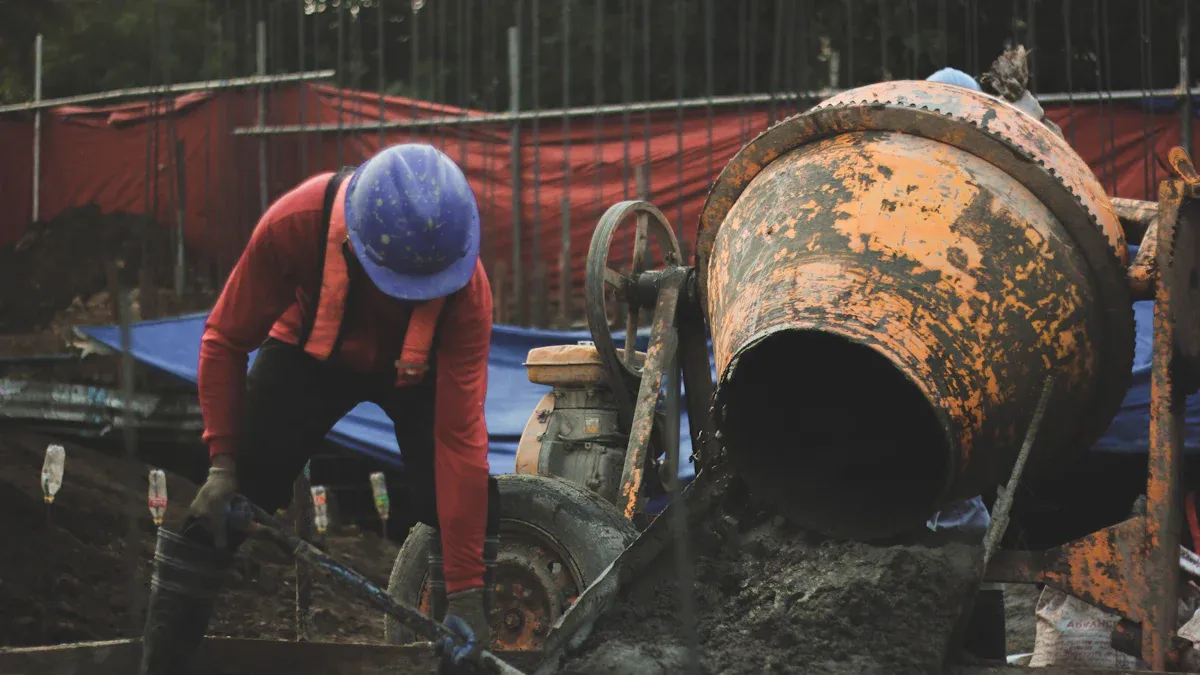
You can transform your dry-mix mortars by adding high-purity polyvinyl alcohol resin. Polyvinyl alcohol powder acts as a strong binder, film-former, and thickener. You improve tensile bond strength, flexibility, and water retention instantly. Formulators choose China Supplier PVA powder polyvinyl alcohol for Adhesive / Mortar Construction to stop shrinkage cracking, extend open time, and build durable cement mixtures.
Key Takeaways
- Adding polyvinyl alcohol powder to dry cement mortar builds stronger bonds and stops surface cracking.
- PVA holds water inside wet cement mixes to give workers extra time for easy tile installation.
- Partially hydrolyzed PVA grades dissolve fast in cold water to make flexible, long-lasting wall putties.
Key Technical Roles of PVA in Construction Mortars
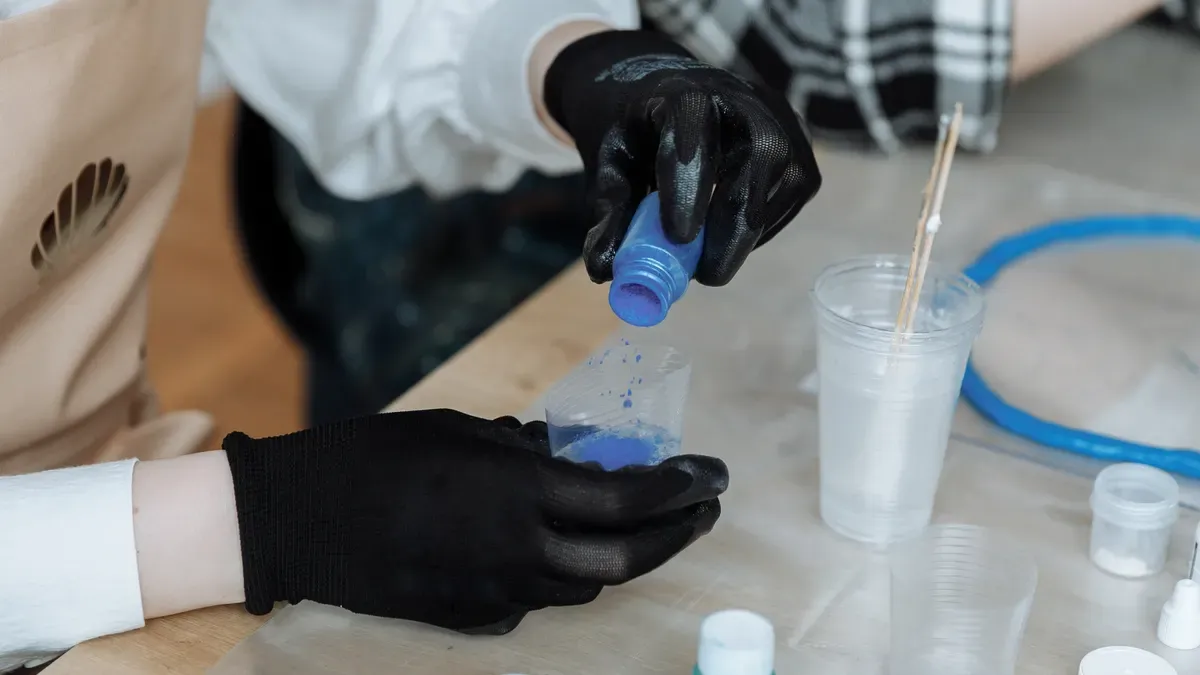
You can transform ordinary dry-mix formulations into high-performance construction mortars by adding polyvinyl alcohol powder. High-grade PVA resin acts as an effective binder, film-former, and thickener. You achieve better physical properties, superior mechanical strength, and excellent long-term durability in your cementitious products.
Superior Tensile Bond Strength and Adhesion
When you mix dry mortar with water, the PVA powder dissolves quickly and creates a uniform polymer matrix. This matrix coats the cement particles and fills microscopic voids inside the cement paste. As the cement hydrates, the polymer forms strong chemical bonds with both the substrate and the cementitious network. You gain much higher tensile bond strength, which prevents tile detachment, wall putty flaking, and surface delamination over time.
Researchers have thoroughly documented how polymer and fiber modifications strengthen cementitious matrices:
| Study Reference | Key Technical Role of PVA Investigated | Primary Finding Related to Mortar Performance | Supporting Detail |
|---|---|---|---|
| Deng et al. (2020) - Constr. Build. Mater. | Fiber reinforcement for tensile behavior | Improved tensile behavior of textile-reinforced mortar (TRM) | Short PVA fibers enhance the tensile performance of TRM systems. |
| Wang et al. (2018) - Constr. Build. Mater. | Fiber reinforcement in modified concrete matrices | Enhanced properties and performance in rubber concrete | PVA fibers improve the performance of rubber-modified concrete matrices. |
| Liu et al. (2024) - J. Build. Eng. | Interface enhancement in geopolymer systems | Improved interface performance in geopolymer concrete | Nano-SiO2 modified PVA fibers enhance the fiber-matrix interface. |
| Cheng et al. (2023) - Sustainability | Performance in Engineered Cementitious Composites (ECCs) | Review of PVA fiber performance in ECCs | Summarizes PVA fiber's role in achieving high-performance composite ductility. |
| Experimental Investigation (PMC Article) | Multiscale reinforcement mechanism | Optimal PVA content (0.4–0.8 vol%) enhances overall strength | PVA creates a 3D network that bridges microcracks and densifies the transition zone via hydrogen bonding. |
Flexible Film Formation and Crack Mitigation
Standard cement mortars contract as water evaporates during the curing phase. This drying shrinkage creates internal stress, causing surface microcracks that compromise structural integrity. Dissolved PVA resin distributes evenly throughout the wet paste. As your mortar dries, the polymer coalesce to form a continuous, flexible membrane across the microscopic pores.
Due to its unique molecular structure, PVA forms a tough, elastic film during the curing process, which improves the impact resistance and durability of the finished material while effectively reducing the formation of surface shrinkage cracks.
This polymer network bridges microcracks instantly and absorbs structural strain caused by thermal expansion or mechanical loads. You produce flexible skim coats, wall putties, and tile adhesives that withstand environmental movement without cracking or shrinking.
Water Retention and Workability Enhancement
Proper hydration requires adequate water retention inside fresh mortar. Standard cement mixtures quickly lose water through evaporation and absorption into porous substrates like bricks or concrete blocks. Rapid water loss starves the cement hydration reaction, causing low surface strength, dusting, and poor adhesion.
PVA powder contains abundant hydrophilic hydroxyl groups on its polymer chain. These functional groups bind water molecules through hydrogen bonds, holding moisture tightly within the wet mixture. You extend the open time of your mortars, giving tile setters and plasterers extra time to adjust materials. The thickened polymer solution also acts as a rheology modifier. You gain superior lubricity, smoother troweling characteristics, and strong anti-sag properties on vertical walls.
Abrasion and Impact Resistance
Unmodified cementitious mortars often exhibit poor surface hardness and brittle mechanical behavior under dynamic loads. PVA modification transforms the internal microstructure of hardened mortars. The continuous polymer film wraps around individual sand grains and hydration products, creating a co-matrix structure that distributes localized forces evenly.
Your cured mortars resist surface scraping, heavy foot traffic, and repeated mechanical impacts. The enhanced cohesion stops dust formation on floor screeds and protects exterior wall finishes against severe weather conditions. By incorporating high-purity PVA powder into your dry-mix formulations, you produce durable, long-lasting mortars that meet the toughest construction standards.
Primary Mortar Applications for PVA Powder
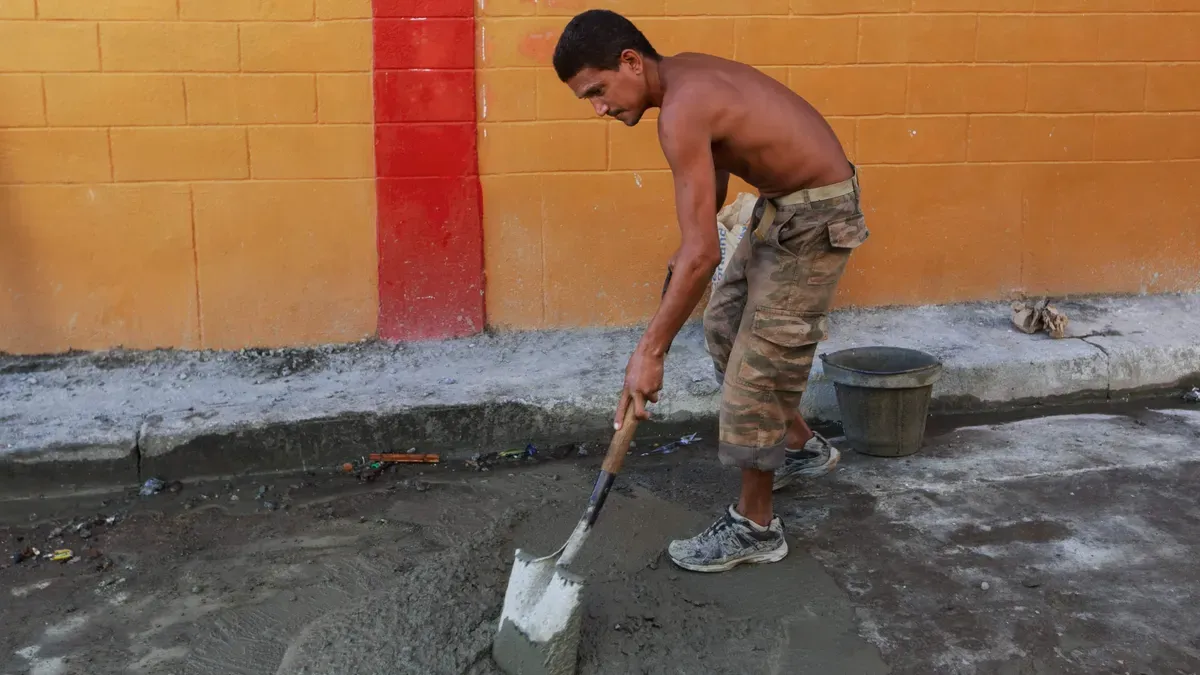
You can upgrade dry-mix mortars across many construction projects with high-purity polymer additives. Adding polymer resin improves physical properties and simplifies application processes for workers.
Tile Adhesives and Cementitious Grouts
Heavy tiles require exceptional bond strength and water resistance. Polyvinyl alcohol anchors cement pastes tightly onto slick porcelain surfaces and concrete walls.
- Modern grout formulations achieve optimal water resistance and strength with a 0.3% PVA fiber dosage.
- Strong polymer bonds prevent tiles from slipping down vertical surfaces during installation.
Wall Putty and Skim Coats
Thin wall putties need flexibility to stay smooth over time. PVA powder binds fine fillers, creating dense, crack-free surfaces.
Rehydrated polymers construct a dense protective network within wall putty. This system reduces water absorption, prevents surface powdering, and stops interface softening after moisture exposure.
Adding PVA powder delivers key structural benefits:
- Enhances overall layer elasticity.
- Reduces drying shrinkage significantly.
- Prevents thin microcracks on broad interior walls.
Self-Leveling Flooring Compounds
Floor underlayments demand rapid leveling and uniform surface hardness. Incorporating China Supplier PVA powder polyvinyl alcohol for Adhesive / Mortar Construction controls fluid rheology while preventing material segregation. You achieve flat, dust-free floors that cured rapidly under demanding conditions.
Exterior Insulation and Finish Systems (EIFS)
Exterior wall coats face constant thermal stress and driving rain. PVA resin provides the necessary flexibility for basecoat mortars over delicate insulation boards. You protect underlying insulation panels while building long-lasting, weather-resistant outer façades.
Formulating Cementitious Mortars with PVA Resin
You must calculate exact additive ratios to build strong, reliable dry-mix formulations. Polymer additives alter the physical network of cement paste. Adding the correct amount of polymer resin ensures ideal workability, strong bonding, and high crack resistance in your finished products.
Recommended Dosage Rates and Proportions
You must match your dosage rates to the specific performance demands of your application. Small adjustments in polymer content create large changes in tensile adhesion and water resistance. Cement-based tile adhesives require precise polymer loads to prevent vertical tile slipping and bond failure.
| Application Type | Recommended Dosage | Dosage Calculation Basis | Primary Formulation Goal |
|---|---|---|---|
| Cement-Based Tile Adhesives | 0.5% to 2.0% | Dry mix weight | Maximizes adhesion and extends open time |
| Anti-Crack Mortar (Fiber) | 0.9–1.2 kg/m³ | Actual batch yield | Prevents surface shrinkage microcracks |
| High Ductile Mortar (HDM) | Volume percent basis | Matrix volume | Enhances flexural strength and strain capacity |
You should calculate fiber dosage using the actual batch yield of your mixer rather than the nameplate volume. You can refine your mix design by following a structured trial protocol:
| Guideline Aspect | Evidence-Based Recommendation |
|---|---|
| Typical Dosage Range (Anti-Crack Mortar) | 0.9–1.2 kg of PVA fiber per cubic meter (m³) of mortar, with 6 mm fiber length as a common starting point. |
| Calculation Method (Dosage per Batch) | Fiber per batch (kg) = Specified dosage (kg/m³) × Actual batch yield (m³). Emphasizes using actual yield, not mixer nameplate volume. |
| Dosage Basis Specification | Use kg/m³ for ordinary mortar; volume percent for Engineered Cementitious Composites (ECC); dry-weight percent for fiber cement. Critical to state the basis to avoid errors (e.g., 2% by volume ≠ 2% by dry mass). |
| Trial Design Protocol | Maintain a fixed reference matrix and change one variable at a time. A suggested series for anti-crack mortar is a fiber-free control plus 0.9, 1.05, and 1.2 kg/m³. Hold water-to-binder ratio constant and adjust water reducer only in separate, documented trials. |
Selecting Hydrolysis and Viscosity Grades
You must choose the correct degree of hydrolysis and molecular weight for your mix. Hydrolysis determines how fast the polymer dissolves in cold water. Partially hydrolyzed polymers dissolve quickly in room-temperature water, making them ideal for field-mixed dry mortars.
| Aspect | Details |
|---|---|
| Recommended PVA Grade | PVA-2488 |
| Recommended Hydrolysis Degree | 86.0 - 89.0 mol% |
| Source of Recommendation | Manufacturer (MIXEON) specifically for construction products. |
| Primary Construction Applications | Dry-mix mortar, dry powder putty, gypsum products, tile bonding. |
| Key Benefits in Mortar | Increases adhesion to cement/lime/gypsum, improves workability, slows drying to prevent surface cracking. |
Polymer viscosity directly changes the wet flow behavior of fresh mortar mixes. Sourcing your materials from a reliable supplier like China Supplier PVA powder polyvinyl alcohol for Adhesive / Mortar Construction helps you achieve consistent viscosity control in every batch. The polymer chain network modifies internal cohesion instantly.
Flexible fibers (e.g., polypropylene and polyvinyl alcohol fiber) can increase viscosity through: (1) the deformation of fibers and formation of entangle structure; and (2) shear viscosity increased with the increase of the flexibility of the fibers that enable them to entangle into an S-shape structure and further block movement of particles.
Dry-Blending and Dispersion Best Practices
You must achieve uniform polymer dispersion inside dry powder mixes before adding mixing water. Poorly dispersed polymers create clumps, reduce strength, and cause surface flaws on finished walls.
| Mixing Stage | Action Required | Technical Outcome |
|---|---|---|
| Carrier Premixing | Meter polymer powder into a small carrier fraction like dry sand or fine filler. | Separates polymer particles evenly across fine minerals. |
| Main Dry Blending | Add the carrier premix to the main dry blend before adding water. | Distributes active ingredients uniformly throughout the dry batch. |
| Water Addition | Mix the blended dry powder with clean water for a short, fixed mixing cycle. | Hydrates the polymer quickly without forming fiber balls or resin clumps. |
Proper dispersion transforms the hardened performance of cement mortars. Uniform 2-dimensional fiber distribution coats cement particles evenly, increasing both flexural strength and deflection capacity in High Ductile Mortar systems. Uniform polymer coating strengthens the internal transition zone and prevents localized stress concentrations.
China Supplier PVA Powder Polyvinyl Alcohol for Adhesive / Mortar Construction
You need reliable raw materials to manufacture consistent cementitious mortars. Sourcing high-purity resin from an established manufacturer guarantees superior product performance. Shanghai Zoran New Material Co. Ltd supplies top-tier polymer additives for your global construction projects.
Quality Verification and Purity Standards
You must verify polymer purity before mixing large production batches. Modern laboratories perform strict testing under standard conditions of 20°C room temperature and 50% relative humidity.
You can confirm material quality using four standard density tests:
- Solid True Density Test: Uses the pycnometer method on fully dried samples to eliminate moisture interference.
- Bulk Density Test: Uses the fixed-volume funnel method to measure loose powder stacking density for accurate hopper feeding.
- Solution Density Test: Employs a digital density meter on aqueous solutions to calibrate real-time solid content.
- Standard Testing Conditions: Maintains strict environmental control to guarantee uncompromised purity.
Automated PLC systems monitor factory production under ISO9001 and ISO14001 certifications. You receive verified Certificates of Analysis with every shipment.
Grade Selection for Construction Formulations
You should select specific polymer grades based on your exact product requirements. Shanghai Zoran New Material Co. Ltd produces various resin models, including PVA17-99, PVA26-99, PVA17-88, and PVA05-88. Partially hydrolyzed grades dissolve rapidly in cold water. You can select China Supplier PVA powder polyvinyl alcohol for Adhesive / Mortar Construction to boost open time and bond strength in tile adhesives, skim coats, and self-leveling floors.
Supply Chain Reliability and Bulk Procurement
You safeguard your manufacturing facility against material shortages by partnering directly with Chinese producers. China offers exceptional cost stability because domestic vinyl acetate supplies over 80% of the raw material chain. Large production capacities permit rapid output scaling during sudden demand spikes. Proximity to major shipping ports ensures fast export cycles. Furthermore, you can secure flexible packaging options ranging from 12.5 kg bags to 1000 kg bulk woven sacks. Establishing local buffer stock further protects your operation against ocean freight delays.
Polyvinyl alcohol powder provides vital adhesion, flexibility, and moisture control for your high-performance mortar products. You achieve superior tensile strength and long-term durability in every cementitious mix. Sourcing high-purity resin from a trusted China Supplier PVA powder polyvinyl alcohol for Adhesive / Mortar Construction helps you maintain consistent quality while optimizing material costs effectively.
FAQ
What degree of hydrolysis works best for dry-mix mortar formulations?
You should choose partially hydrolyzed PVA grades with 86% to 89% hydrolysis. These grades dissolve quickly in cold water and improve overall mortar adhesion rapidly.
How does PVA powder prevent cracking in wall putties and renders?
PVA forms a flexible polymer film during the curing phase. This continuous network bridges microcracks, absorbs shrinkage stresses, and enhances moisture retention inside fresh mortar.
Why should you source PVA powder from Shanghai Zoran New Material Co. Ltd?
Shanghai Zoran New Material offers ISO-certified, high-purity PVA grades like PVA17-88 and PVA24-88. You gain guaranteed product quality, stable viscosity control, and reliable bulk supply.
See Also
How Molybdenum High Temperature Furnaces Work And Are Designed
A Complete Guide To Molybdenum High Temperature Furnaces Today
Why Construction Silicone Sealant Is Essential For Modern Homes
Why Automatic UV Coating Machines Matter For Fast Printing
Best Precoating Materials Used For Advanced Industrial Filtration Systems