A Guide to HTPB and Its Role in Modern Industrial Applications
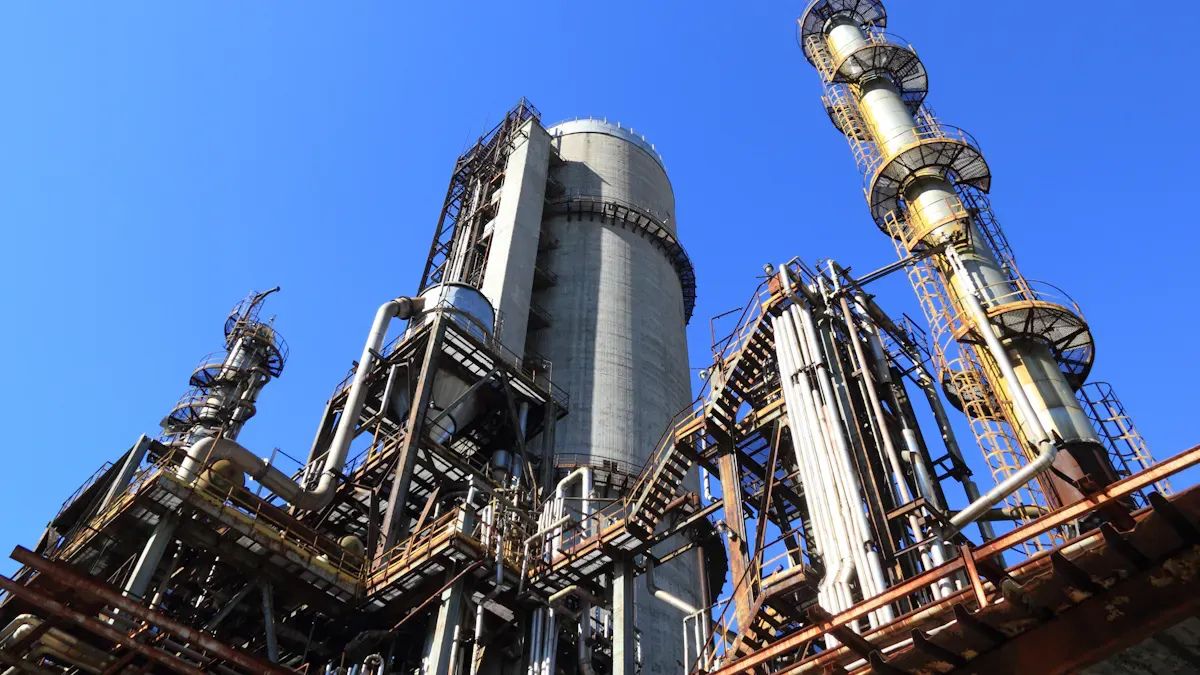
You use Hydroxyl-Terminated Polybutadiene (HTPB) as a high-performance liquid polymer in many industries. HTPB is essential for polyurethane, propellants, adhesives, sealants, and coatings. China HTPB Manufacturer supply HTPB for polyurethane to meet growing demand.
- The HTPB market size was $1.322 billion in 2024.
- It is expected to reach $2.25 billion by 2035.
Aerospace, defense, construction, automotive, and electronics rely on HTPB for advanced solutions.
Key Takeaways
- HTPB is a versatile polymer used in industries like aerospace, automotive, and construction for creating strong and durable products.
- Using HTPB in polyurethane systems enhances flexibility, chemical resistance, and bonding strength, making it ideal for sealants and coatings.
- HTPB serves as a reliable binder in propellants, ensuring performance under extreme conditions, which is crucial for aerospace applications.
China HTPB Manufacturer Supply HTPB for Polyurethane
HTPB in Polyurethane Systems
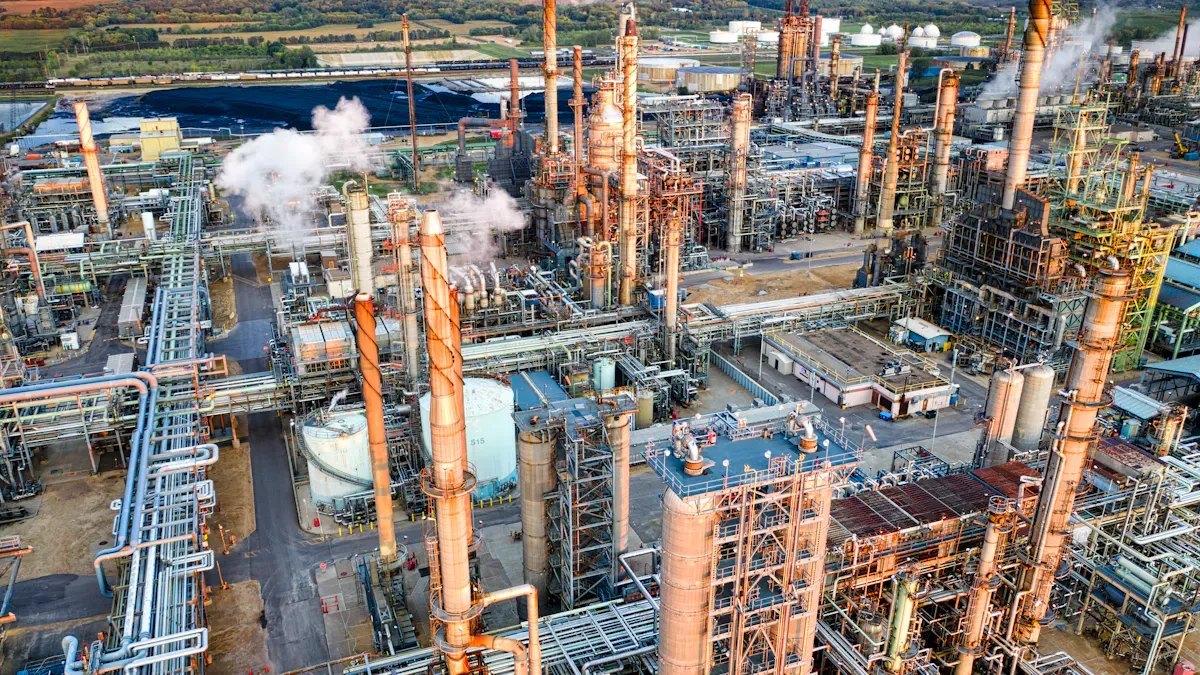
You see HTPB used in many polyurethane systems. China HTPB Manufacturer supply HTPB for polyurethane to help you create elastomers and sealants with strong bonding and chemical resistance. You use HTPB for air- and water-tight sealing in construction and automotive projects. It gives you durable materials that withstand extreme conditions. You also find HTPB in flexible foam products for cars, airplanes, and insulation. These foams offer excellent cushioning. China HTPB Manufacturer supply HTPB for polyurethane to make specialty coatings and paints. These coatings protect surfaces from corrosion and harsh environments in oil, gas, marine, and automotive industries.
- HTPB helps you produce elastomers and sealants with strong bonds.
- You use HTPB for air- and water-tight sealing in construction and automotive.
- HTPB creates flexible foams for cushioning in cars, planes, and insulation.
- You apply HTPB in specialty coatings for protection against corrosion.
Key Properties for Polyurethane Applications
China HTPB Manufacturer supply HTPB for polyurethane because of its unique molecular structure. HTPB is a liquid telechelic polymer with hydroxyl groups at both ends. This structure lets you react HTPB with curing agents to form high-performance polyurethane. You benefit from flexibility, strong adhesion, and chemical resistance. HTPB has a low glass transition temperature, so your products stay flexible even in cold conditions.
Tip: You can rely on HTPB for low glass-transition temperatures, hydrophobicity, acid-base resistance, and excellent dielectric properties.
Here is a table showing key properties of HTPB:
| Property | Benefit for Polyurethane |
|---|---|
| Low glass-transition temperature | Flexibility in cold climates |
| Hydrophobicity | Water resistance |
| Acid-base resistance | Chemical durability |
| Excellent dielectric properties | Electrical insulation |
Industrial Examples and Benefits
China HTPB Manufacturer supply HTPB for polyurethane to improve product performance. You notice flexibility in polyurethane products. HTPB gives you excellent adhesion and strong chemical resistance. You see low glass transition temperatures, which help your products perform well in many conditions. HTPB also provides low temperature flexibility, hydrophobicity, hydrolytic stability, and extremely low dielectric constant. You benefit from low dissipation factor and low moisture vapor transmission rate.
- You use HTPB in automotive foams for comfort and durability.
- HTPB helps you create sealants for construction that resist water and chemicals.
- You apply HTPB in coatings for oil and gas equipment to prevent corrosion.
- HTPB improves insulation materials for aerospace and electronics.
China HTPB Manufacturer supply HTPB for polyurethane to help you meet strict industry standards and deliver reliable products.
HTPB in Propellants, Adhesives, Sealants, and Coatings
HTPB as a Binder in Propellants
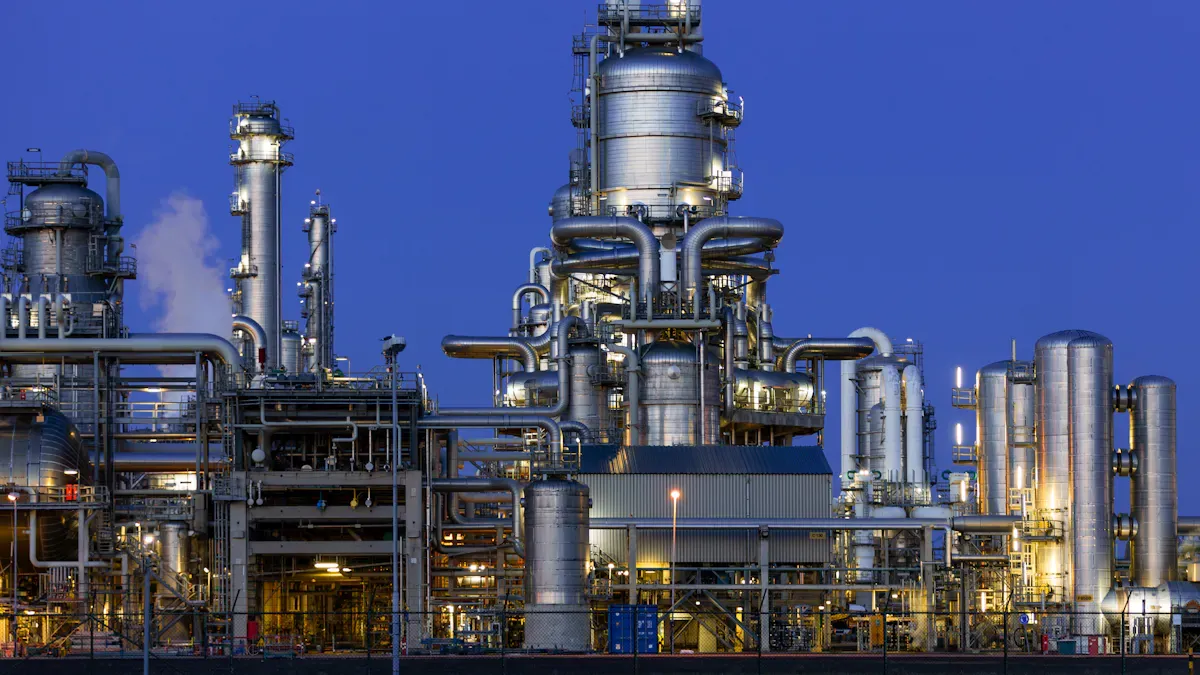
You find HTPB as a key ingredient in solid rocket propellants. It acts as a binder that holds oxidizers and fuel particles together. This role is important because it keeps the propellant strong even under extreme pressure and heat. When you use HTPB, you get propellants that burn longer and stay flexible. This flexibility helps rockets perform well during launch and flight. You can trust HTPB to deliver reliable results in high-stress environments. Many aerospace and defense projects depend on this material for safe and efficient propulsion.
Note: HTPB’s mechanical flexibility and strong binding ability make it a top choice for modern rocket propellants.
China HTPB Manufacturer supply HTPB for polyurethane, but you also see them provide HTPB for advanced propellant systems. This ensures you have access to high-quality materials for your aerospace needs.
HTPB in Adhesives and Sealants
You use HTPB in adhesives and sealants because it meets strict industry requirements. It gives you products that work well in cold and wet conditions. HTPB bonds strongly with metals and glass. You get long-lasting performance, even as products age. The following table shows the main requirements that HTPB fulfills in these industries:
| Requirement | Description |
|---|---|
| Low Temperature Flexibility | Maintains performance in cold conditions |
| Hydrophobicity | Repels water, enhancing durability |
| Hydrolytic Stability | Resists degradation in humid environments |
| Excellent Adhesion | Bonds well with metals and glass |
| Water Resistance | Protects against moisture-related damage |
| Property Retention with Age | Maintains performance over time |
You often choose HTPB-based adhesives for construction, automotive, and electronics. These adhesives help you create strong, water-resistant bonds. Sealants made with HTPB protect buildings and vehicles from leaks and corrosion. China HTPB Manufacturer supply HTPB for polyurethane, and you benefit from their expertise when you need reliable adhesives and sealants.
HTPB for Industrial Coatings
You rely on HTPB for industrial coatings that protect surfaces from harsh environments. HTPB-based coatings resist chemicals, water, and extreme temperatures. You use these coatings on pipelines, storage tanks, and machinery. This protection helps extend the life of your equipment. HTPB coatings also provide a smooth finish and prevent corrosion. You see these coatings in oil and gas, marine, and automotive industries.
Tip: Choose HTPB-based coatings when you need long-lasting protection and strong resistance to chemicals and moisture.
China HTPB Manufacturer supply HTPB for polyurethane, and their products help you achieve high standards in industrial coatings. You can count on HTPB to deliver performance and durability in every application.
You see HTPB used in many industries. Its versatility helps you create strong polyurethane, reliable propellants, and durable adhesives, sealants, and coatings.
- Aerospace, defense, automotive, and construction use HTPB more each year.
- You meet new demands for lightweight, fuel-efficient products with HTPB.
Understanding HTPB helps you lead in material innovation.
FAQ
What is HTPB used for?
You use HTPB in polyurethane, propellants, adhesives, sealants, and coatings. It helps you create strong, flexible, and durable products for many industries.
Is HTPB safe to handle?
You should wear gloves and goggles when you handle HTPB. It can irritate your skin and eyes. Always follow safety instructions.
How do you store HTPB?
Store HTPB in a cool, dry place. Keep the container tightly closed. Avoid heat and direct sunlight to protect the material.
See Also
A Comprehensive Overview of Semi-Welded Heat Exchangers
Innovations in Heat Exchanger Manufacturing Boost Industrial Efficiency
The Role of Plate Air Preheaters in Boosting Efficiency