A Look Inside Defoiling Machines and Why China is the Top Source
A defoiling machine is specialized industrial equipment. It is also known as an aluminum-plastic separating machine. This equipment separates aluminum from plastic found in composite materials like pharmaceutical blister packs and food packaging. A China defoiling machine factory often produces these systems.
Its primary function is to recycle these materials. The machine cleanly recovers valuable aluminum and plastic components for reuse, addressing both economic and environmental needs.
Key Takeaways
- Defoiling machines separate aluminum and plastic from waste like blister packs. This process helps recycle materials and protects the environment.
- These machines work in three steps: crushing waste, using electricity to separate aluminum from plastic, and then collecting pure materials.
- The recycled aluminum and plastic are very pure. Companies can use them to make new products, which makes the recycling process valuable.
- China is a top maker of defoiling machines. This is because of its strong factories, low costs, government help, and much experience from its own large market.
How a Defoiling Machine Works: The Separation Process
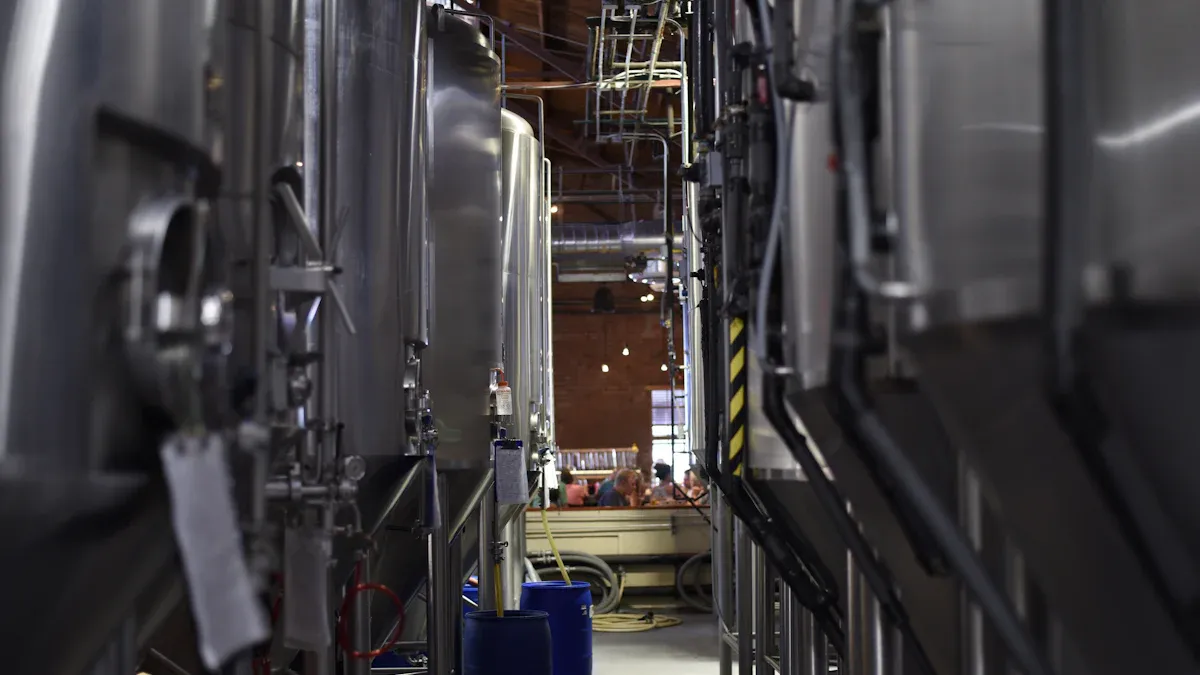
A defoiling machine executes a sophisticated, multi-stage process to reclaim raw materials. This entire operation is physical. It uses mechanical force and electrostatic principles to achieve separation without chemicals, making it an environmentally friendly recycling method. The process unfolds in three primary stages: crushing and grinding, electrostatic separation, and the final output of pure materials.
The Crushing and Grinding Stage
The process begins when operators feed aluminum-plastic composite waste into the machine's hopper. The material first enters a crusher or shredder. This initial stage uses powerful, slow-moving blades to tear the composite materials into smaller, more manageable pieces. A typical shredder for this task operates at a low speed, for instance, around 35 RPM, to ensure high torque for effectively ripping through the tough materials.
Next, these shredded pieces move into a grinding mill. The mill pulverizes the fragments into a fine, mixed powder. Achieving the correct particle size is critical for the success of the next stage. The system must grind the material finely enough to liberate the individual aluminum and plastic particles from each other.
- Optimal particle sizes often fall below 2 mm.
- Specific applications may require even finer powders, with ideal ranges between 0.30–0.45 mm to ensure efficient separation.
The Electrostatic Separation Stage
This stage is the technological core of the defoiling machine. The mixed powder from the grinder is fed into a high-voltage electrostatic separator. Inside, the particles encounter a powerful electric field. This field interacts differently with conductive and non-conductive materials, which is the key to their separation.
The principle behind this separation relies on the different electrical properties of aluminum and plastic. Aluminum is a conductor, while plastic is an insulator (non-conductor). The machine exploits this fundamental difference to sort the materials with remarkable precision.
The science of the separation process involves several key actions:
- The system uses the 'image charge' principle to differentiate materials.
- Conductive aluminum particles quickly gain a charge and then transfer it to an earthed rotating drum, causing them to fall off into a collection bin.
- Non-conductive plastic particles retain their charge. This makes them stick to the drum via electrostatic attraction for a longer duration.
- A brush or a secondary electrode then removes the plastic from the drum, dropping it into a separate collection bin.
Industrial machines require significant power to generate these strong electric fields. The specific voltage depends on the machine's size and capacity.
| Machine Type | Operating Voltage | High Voltage Output |
|---|---|---|
| Industrial Separator | 380V | Varies by model |
| Mini Electrostatic Separator | 220V | DC 5KV |
The Final Output: Pure Raw Materials
The final stage delivers the results of the entire process: two distinct streams of valuable raw materials. One outlet discharges pure aluminum powder, while the other discharges clean plastic powder or granules. Modern defoiling machines from leading China defoiling machine factory locations can achieve separation purity rates exceeding 99%. This high level of purity makes the recycled materials suitable for a wide range of industrial applications, effectively closing the recycling loop. ♻️
Recycled Aluminum Powder Uses:
- It is a key material in additive manufacturing (3D printing).
- Manufacturers use it to construct civil structures and consumer products.
- It can be blended with virgin powder for reuse in high-tech defense applications.
Recycled Plastic Powder Uses:
- It serves as a component in advanced composite materials.
- Companies use it for products in high-power electronics and 5G technology.
- It acts as a reinforcing agent in polyurethane foams.
Key Applications in Modern Recycling
Defoiling machines are versatile tools that process a wide range of aluminum-plastic composite waste. Their technology provides critical recycling solutions across several major industries, turning problematic waste streams into valuable resources. These applications highlight the machine's importance in a circular economy.
Pharmaceutical Blister Packs
Pharmaceutical blister packs are a primary target for defoiling machines. These packages protect medications using a combination of plastic (PVC or PET) and aluminum foil. This fused design makes them notoriously difficult for standard recycling facilities to process. A defoiling machine efficiently solves this problem by shredding the packs and separating the materials.
The economic viability of recycling blister packs presents a complex picture. Different models show varying levels of profitability, highlighting the importance of scale and operational efficiency.
- A study on the pharmaceutical industry in Bangladesh found that recycling blister packs can reduce overall production costs.
- In contrast, some programs note that the value of the recovered material may not cover the high cost of the specialized recycling process. They propose shared responsibility models to overcome this financial barrier.
Food and Beverage Packaging
The food and beverage industry relies heavily on aluminum-plastic composite packaging. These materials create an excellent barrier against moisture, oxygen, and light, extending the shelf life of many products. Defoiling machines process this packaging to recover clean aluminum and plastic. Common examples include:
- Bags for roasted coffee, instant coffee, and premium chocolates
- Wrappers for biscuits, cookies, and pastries
- Packaging for meats and other bakery products
- Containers for acidic or salty foods like sauerkraut, sliced citrus, and marinades
Cosmetic and Chemical Packaging
Many products in the cosmetic and chemical sectors also use composite packaging. Items like toothpaste tubes, single-use sample sachets, and pouches for industrial chemicals depend on these layered materials for product integrity and safety. Without specialized equipment, this packaging often ends up in landfills. Defoiling machines offer a sustainable alternative, cleanly separating the aluminum and plastic components for reuse in new manufacturing cycles. ♻️
Why a China Defoiling Machine Factory Leads the Global Market
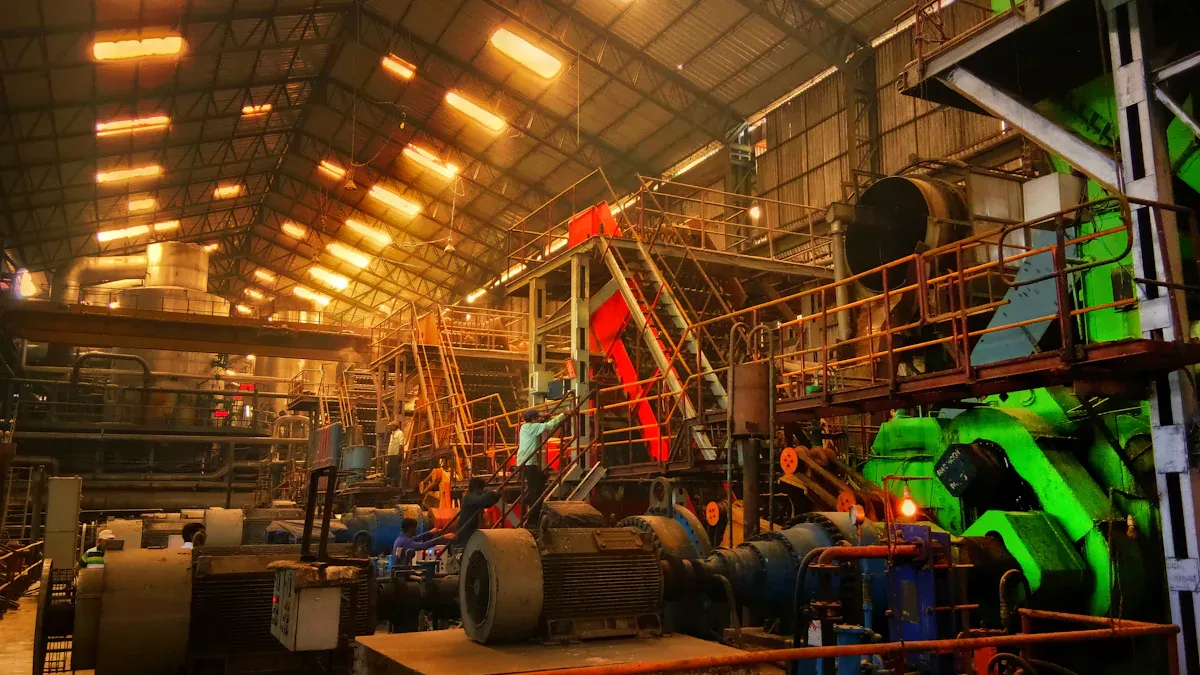
China has established itself as the dominant force in the global market for recycling equipment. This leadership extends to the specialized field of defoiling machines. The country's success is not accidental. It results from a powerful combination of manufacturing prowess, economic strategy, and strong government backing. These factors allow a China defoiling machine factory to produce high-quality, efficient machines at a scale and price that few competitors can match.
Integrated Supply Chain and Manufacturing
China's manufacturing ecosystem is one of the most comprehensive in the world. This integration provides a significant advantage for producing complex industrial machinery like defoiling systems. Factories have direct and immediate access to every component needed for production.
This complete industrial chain means manufacturers do not rely on importing critical parts. They can source everything from raw steel and electric motors to sophisticated control panels and electrostatic components from nearby suppliers. This proximity accelerates production timelines and reduces logistical costs.
Key advantages of this integrated system include:
- Raw Material Access: Abundant domestic production of steel, aluminum, and plastics keeps material costs low.
- Component Availability: A vast network of electronics and parts manufacturers provides everything from PLCs to high-voltage generators.
- Skilled Labor: A large, technically skilled workforce specializes in industrial equipment assembly and quality control.
- Rapid Prototyping: Engineers can quickly develop and test new machine designs, fostering continuous innovation.
This self-sufficient environment allows a China defoiling machine factory to control the entire production process, ensuring quality while maintaining speed and flexibility.
Competitive Pricing and Cost-Effectiveness
The manufacturing advantages translate directly into competitive pricing. By minimizing supply chain costs and leveraging economies of scale, Chinese manufacturers can offer defoiling machines at a fraction of the cost of their Western counterparts. This cost-effectiveness does not come at the expense of quality. Modern machines offer high separation purity and robust construction.
Businesses worldwide can acquire advanced recycling technology without a prohibitive initial investment. This accessibility makes it feasible for small and medium-sized enterprises to enter the recycling market, expanding the global capacity for processing aluminum-plastic waste. The value proposition is clear: obtain a technologically advanced, reliable machine that delivers a swift return on investment through the sale of recovered raw materials.
Favorable Government Policies and Support
The Chinese government actively promotes the growth of its domestic recycling and environmental technology sectors. This support creates a highly favorable business environment for equipment manufacturers. Policies provide direct financial incentives that lower operational costs and encourage innovation.
For instance, China's 'two new' policy specifically targets recycling and equipment upgrades with a range of benefits. These programs are designed to build a circular economy and position the nation as a leader in green technology. The government allocates funds and offers financial tools to support companies in this space.
| Policy Type | Specific Support Provided |
|---|---|
| Tax Incentives | VAT exemptions and reduced tax rates for high-tech enterprises. |
| Financial Support | Low-interest loans for equipment upgrades and technological transformation. |
| Direct Subsidies | Central budget funds allocated for waste recycling and treatment projects. |
| Tax Claims | Qualified recyclers can use purchasing invoices for tax deduction claims. |
These supportive measures reduce the financial burden on manufacturers and their customers. A China defoiling machine factory can invest more in research and development, leading to more efficient and powerful machines. This strategic government partnership is a cornerstone of the industry's global leadership. 📈
Experience from a Massive Domestic Market
China's position as a global manufacturing hub is built on more than just production capacity. It is also forged from the immense experience gained by serving its own massive domestic market. This internal demand acts as an unparalleled proving ground for industrial equipment, including defoiling machines. The country's vast population and rapid economic growth generate a staggering volume of consumer and industrial waste, particularly aluminum-plastic composites from packaging.
This enormous domestic waste stream is not just a problem; it is a real-world laboratory. It provides manufacturers with constant, high-volume challenges that drive innovation and refinement in machine design and performance.
This hands-on experience creates a powerful feedback loop. Recycling facilities across China process tons of material daily, from pharmaceutical blister packs containing tablets and capsules to countless food pouches. They encounter every possible variation in material composition and condition. This operational data flows directly back to the equipment producers. A China defoiling machine factory uses this information to make practical, data-driven improvements.
This iterative design process leads to several key advantages:
- Robustness and Reliability: Machines are built to withstand continuous, heavy-duty operation because they are tested in the most demanding environments.
- High Efficiency: Manufacturers constantly refine their systems to maximize separation purity and throughput, as even a small percentage increase in efficiency translates to significant value at a national scale.
- Versatility: Exposure to a wide variety of waste materials forces engineers to design machines that can handle different types of aluminum-plastic composites effectively.
- Problem-Solving Expertise: Factories develop deep knowledge about overcoming specific recycling challenges, such as dealing with contaminants or varying material thicknesses.
Ultimately, this experience means that the machines offered on the global market are not theoretical prototypes. They are battle-tested systems, optimized for performance and durability through years of intensive, real-world application.
Choosing the Right Machine for Your Business
Selecting the right defoiling machine is a critical investment for any recycling operation. Businesses must evaluate several key factors to ensure the equipment meets their specific operational needs and financial goals. A careful assessment of capacity, purity, and long-term support will lead to a successful purchase.
Assessing Capacity and Throughput
Capacity refers to the volume of waste a machine can process over a set period, often measured in kilograms per hour (kg/h). This is the most fundamental specification to consider. A small-scale startup has different needs than a large municipal recycling facility. Businesses should analyze their current and projected waste streams to choose a machine that can handle the load without becoming a bottleneck. Chinese manufacturers offer a wide spectrum of models, from compact units processing 100-200 kg/h to industrial systems capable of several tons per hour.
Evaluating Separation Purity
The purity of the final output directly impacts its market value. Top-tier defoiling machines from a China defoiling machine factory can achieve separation rates exceeding 99%. This high level of purity ensures the recycled aluminum and plastic are valuable commodities.
Buyers can verify these purity claims through established scientific methods. For example, experts use Optical Emission Spectrometry (OES) to analyze the recovered aluminum for elemental contaminants. For certain plastics like PVC, Fourier transform infrared spectroscopy (FTIR) provides detailed analysis.
Considering Maintenance and Support
A machine's long-term value depends on its durability and the availability of support. Regular maintenance is essential for keeping the equipment running efficiently. Daily and periodic checks prevent downtime and extend the life of critical components. ⚙️
| Component | Frequency | Maintenance Task |
|---|---|---|
| Blades & Guides | Daily | Inspect for wear and clean chips |
| Chip Brush | Daily | Inspect for wear, replace if worn |
| Lubricant Screen | Every Three Months | Clean reservoir and screen |
Reputable Chinese suppliers understand the importance of after-sales service. They often provide robust support to ensure customer satisfaction. Key support features include:
- A focus on on-time delivery of products and spare parts.
- Strong customer service for both private and government sector clients.
- The ability to offer custom solutions or components to meet specific needs.
Defoiling machines are essential tools in the circular economy. They effectively turn aluminum-plastic composite waste, such as tablet blister packs, into valuable raw materials.
China's market dominance results from a powerful combination of an integrated manufacturing ecosystem, significant cost advantages, and strategic government support.
For businesses aiming to enhance their recycling capabilities, a China defoiling machine factory provides technologically advanced and cost-effective solutions. This makes them a primary source for companies worldwide.
FAQ
What is a defoiling machine?
A defoiling machine, or aluminum-plastic separator, is industrial equipment. It separates aluminum from plastic in composite waste like blister packs. The machine's purpose is to recover pure raw materials for recycling, supporting both economic and environmental goals.
How does it process pharmaceutical blister packs?
The machine first crushes empty blister packs into a fine powder. Next, an electrostatic separator uses a high-voltage electric field. This field effectively sorts the conductive aluminum particles away from the non-conductive plastic particles, resulting in two pure material streams.
Is the recovered aluminum and plastic valuable?
Yes, the recovered materials are highly valuable commodities. The process yields aluminum and plastic powders with purity rates often exceeding 99%. Manufacturers eagerly purchase these clean materials to produce new goods, making the recycling process profitable.
Why are Chinese factories leaders in this market?
Chinese factories leverage a fully integrated supply chain and large-scale production. This reduces costs significantly. Favorable government policies and vast experience from their domestic market also allow them to produce innovative, reliable, and competitively priced machines for the global stage.
See Also
Discovering Top Chinese Suppliers for Advanced X-Ray Inspection Technology
Essential Industrial Checkweighers for Optimal Food Plant Operations
Comparing Leading Ampoule Filling Line Manufacturers for Your Production Needs
Boosting Pharma Efficiency with Advanced Capsule Decapsulation Machine Technology
Evaluating Investment in Automated Virus Sampling Tube Assembly Lines