How Modern Methods Shape Chicken Sternum Collagen Type II Production
Modern producers use advanced extraction and purification technologies to enhance chicken sternum collagen type ii. The table below shows how ultrasound-assisted methods yield higher quantities and improved functional properties compared to traditional techniques.
| Method | Yield (g) | Functional Properties Improvement |
|---|---|---|
| Ultrasound + Pepsin | 3.37 | Significant improvements in amino acid profile, water absorption, oil absorption, foaming, etc. |
| Non-Ultrasound + Pepsin | 1.73 | No significant improvements |
Growing demand in the dietary supplement industry reflects increased interest in joint health, sports nutrition, and effective osteoarthritis solutions.
Sourcing and Preparing Chicken Sternum Collagen Type II
Selecting and Cutting Sternal Cartilage
Producers begin the process by sourcing fresh chicken sternal cartilage from reputable suppliers. They prioritize birds raised under strict quality standards to ensure the raw material meets safety and nutritional requirements. Technicians inspect each sternum visually to confirm the absence of defects or contamination.
They use specialized cutting tools to separate the sternal cartilage from surrounding tissues. Precision in this step prevents damage to the cartilage matrix, which preserves the integrity of chicken sternum collagen type ii. Workers trim away excess fat and connective tissue, leaving only the purest cartilage for further processing.
Tip: Consistent sizing of cartilage pieces improves extraction efficiency and ensures uniformity in the final product.
Cleaning and Sanitizing Procedures
After cutting, the cartilage undergoes a thorough cleaning process. Workers rinse the pieces with chilled, purified water to remove blood, bone fragments, and residual tissue. This step reduces the risk of microbial contamination and prepares the cartilage for subsequent treatments.
Sanitization follows strict industry protocols. Facilities often use food-grade sanitizing agents and maintain controlled temperatures to inhibit bacterial growth. Technicians monitor each batch for cleanliness, using both visual checks and laboratory tests. These procedures guarantee that only high-quality cartilage enters the extraction phase.
A meticulous approach during sourcing and preparation lays the foundation for a safe and effective supplement.
Extraction and Purification of Chicken Sternum Collagen Type II
Enzymatic Hydrolysis and Denaturation
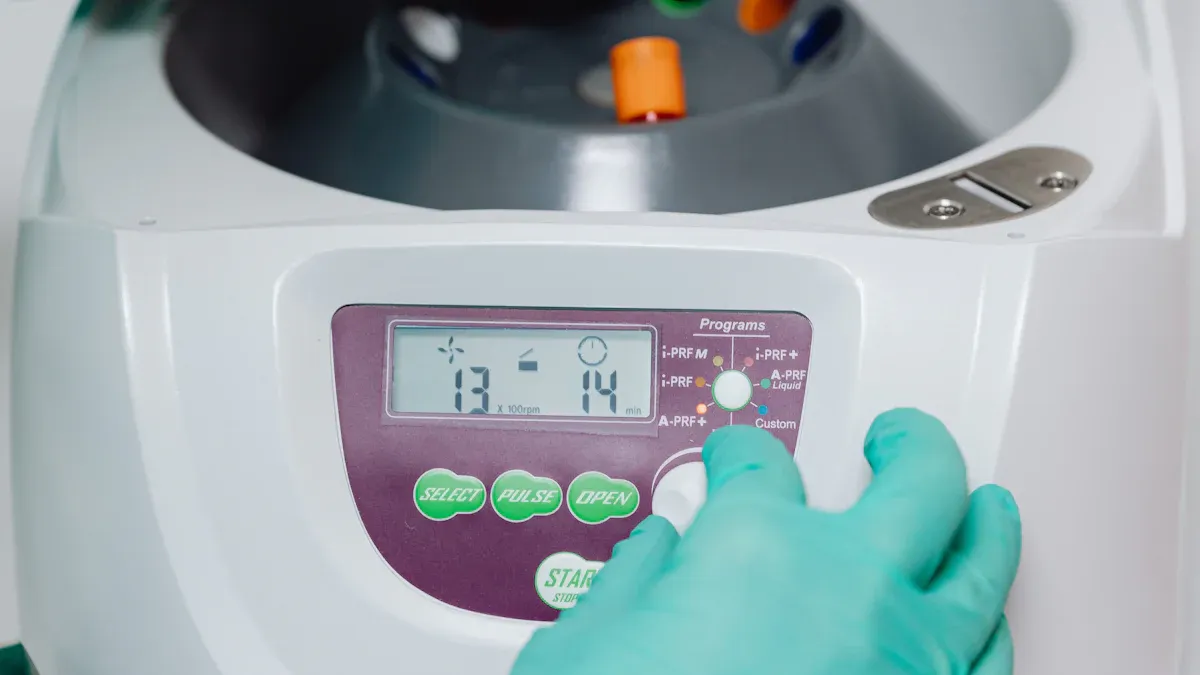
Producers rely on enzymatic hydrolysis to extract collagen from chicken sternal cartilage. This process uses specific enzymes to break down the cartilage matrix, releasing collagen molecules while preserving their essential triple-helical structure. Maintaining this structure is critical because it supports the bioactivity of chicken sternum collagen type ii. The process also generates chondroitin-4-sulfate, a compound recognized for its positive effects on joint health.
To maximize collagen yield, technicians follow a series of optimized steps:
- Acetic acid pretreatment at 0.5 mol/L for 24 hours increases extraction efficiency, resulting in a collagen yield of 30.12%.
- Using 1% pepsin at 30 °C further enhances extraction, yielding 66.85 g of collagen per 100 g of cartilage.
- Maintaining the extraction temperature at 30 °C helps control costs and ensures high yield.
Note: Careful control of temperature and enzyme concentration preserves the functional properties of the collagen.
Pepsin Digestion and Sodium Chloride Precipitation
Pepsin digestion plays a vital role in breaking down the cartilage and solubilizing type II collagen. After enzymatic digestion, sodium chloride precipitation separates collagen from other proteins and impurities. This step increases the purity and stability of the final product.
| Evidence Description | Details |
|---|---|
| Purification Method | Type II collagen was purified using pepsin digestion, NaCl precipitation, and ion exchange chromatography. |
| Stability | Pepsin-solubilized type II collagen showed higher stability with specific extraction conditions. |
| Analysis Techniques | The purified collagen was analyzed using RP-HPLC and SDS-PAGE, confirming its purity and structure. |
| Intermolecular Crosslinks | DSC and FTIR analysis indicated retention of intermolecular crosslinks during purification. |
Technicians use advanced analytical techniques to confirm the purity and structural integrity of chicken sternum collagen type ii. These methods ensure that the product maintains its beneficial properties throughout the purification process.
Ion Exchange Chromatography and Filtration
Ion exchange chromatography further purifies the collagen by separating molecules based on their charge. This technique removes residual impurities and enhances the consistency of the final product. Producers then use advanced filtration systems to eliminate any remaining contaminants. These systems operate at low temperatures to preserve the biological activity of the collagen.
The manufacturing process begins with high-quality chicken sternum cartilage from antibiotic-free animals. Technicians carefully control temperature and pH during extraction, which helps retain the essential molecular structure. Advanced filtration methods remove pathogens and unwanted particles while maintaining the necessary molecular weight for optimal biological activity.
Tip: Combining ion exchange chromatography with precise filtration ensures a highly pure and effective supplement.
Quality Control and Final Processing of Chicken Sternum Collagen Type II
Purity and Safety Testing
Manufacturers implement strict quality control measures to guarantee the safety and purity of chicken sternum collagen type ii. They use standardized active ingredients and verify the amount of type II collagen in each batch. Many producers choose trademarked ingredients such as UC-II® to ensure consistency. Sourcing practices focus on hormone-free, antibiotic-free, and cage-free chickens. Third-party laboratories, including NSF and USP, test the final product for heavy metals and potency. These steps help build trust with consumers and ensure a safe supplement.
| Quality Control Measure | Description |
|---|---|
| Standardized Active Ingredients | Ensure the label specifies the amount of Type II Collagen, ideally with trademarked names like UC-II®. |
| Purity & Sourcing | Look for hormone-free, antibiotic-free, and cage-free sourcing to ensure higher quality. |
| Third-Party Testing | Seek seals from independent labs (e.g., NSF, USP) to confirm safety from heavy metals and potency. |
Drying, Grinding, and Powder Formation
After purification, technicians dry the collagen using controlled temperature methods. This process preserves the molecular structure and prevents degradation. They then grind the dried collagen to achieve a fine powder. The milling process uses a rotating jar with ball bearings and continues for 12 hours. This technique reduces particle size and improves solubility in supplement formulations. The resulting powder offers consistent quality and easy mixing for consumers.
- The chicken sternum cartilage extract is milled to reduce particle size.
- The milling process uses a rotating jar with ball bearings for 12 hours.
Packaging for Supplements and Non-GMO Assurance
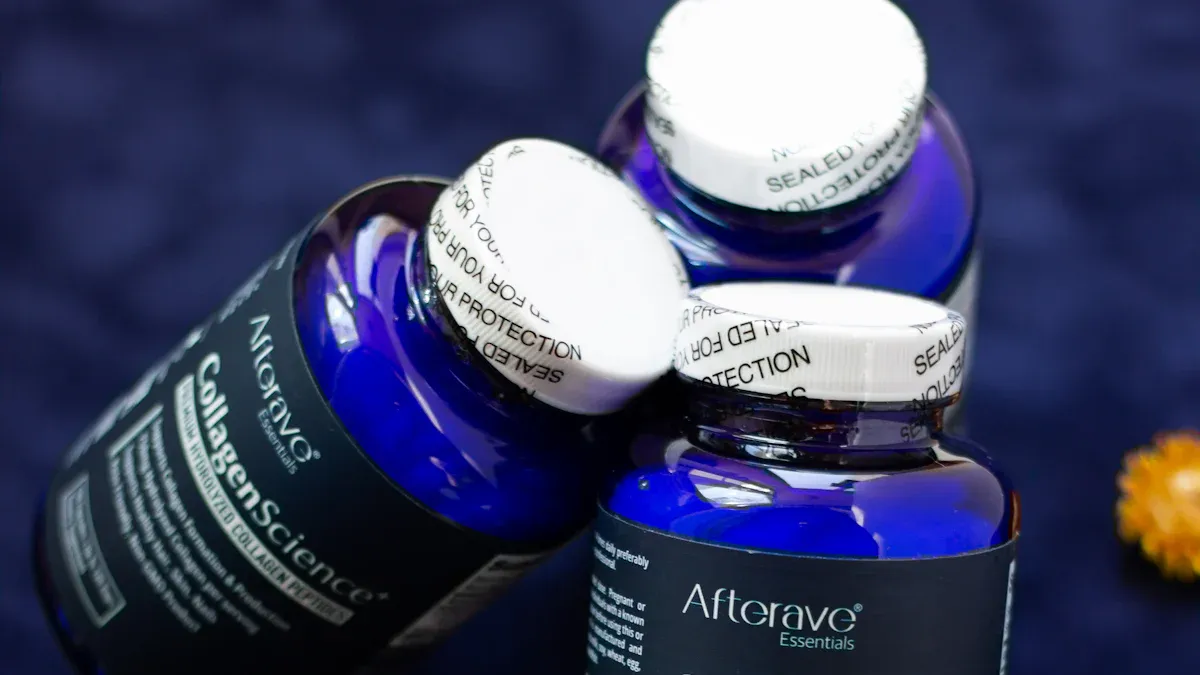
Producers package chicken sternum collagen type ii in materials that protect the product from moisture and light. They often use glass containers for powders and mason jars for smaller quantities. Bulk drums serve large-scale distribution. Each package includes clear labeling and storage instructions.
| Packaging Material | Description | Benefits |
|---|---|---|
| Glass | Suitable for liquid or powder forms | Preserves quality and extends shelf life |
| Mason Jars | Ideal for smaller quantities | Customizable for scalability |
| Bulk Drums | For larger quantities | Efficient for storage and transport |
- Store in a dry, cool place away from light.
- Typical packaging: 25KG/drum.
Many brands highlight non-GMO assurance and use patented forms like UC-II® to meet market demand for clean-label supplements.
Modern production methods deliver efficient, pure, and health-promoting collagen supplements.
- Hydrolyzed collagen stimulates chondrocytes and supports joint and skin health.
- Advanced technologies and strict quality control foster consumer trust.
Manufacturers respond to demand for natural, effective solutions by prioritizing safety and product performance.
FAQ
What makes chicken sternum collagen type II different from other collagen types?
Chicken sternum collagen type II contains a unique triple-helix structure. This structure supports joint health more effectively than type I or III collagen.
Is chicken sternum collagen type II safe for daily use?
Manufacturers test each batch for purity and safety. Third-party labs verify the absence of heavy metals and contaminants. Most people tolerate this supplement well.
How should consumers store chicken sternum collagen type II powder?
Store the powder in a cool, dry place. Use airtight containers to protect it from moisture and light. Proper storage preserves quality and extends shelf life.
See Also
Comparing Bovine Gelatin Powder With Fish And Pork Varieties
Understanding The Composition And Production Of Bovine Gelatin
The Production Process And Ingredients Of Edible Gelatin
Innovations In Heat Exchanger Manufacturing Boost Industrial Efficiency
Reliable Steel Processing Solutions For Heat Exchange Applications