Making Poultry Products Safer with RaymanTech Chicken Bone X-Ray Inspection
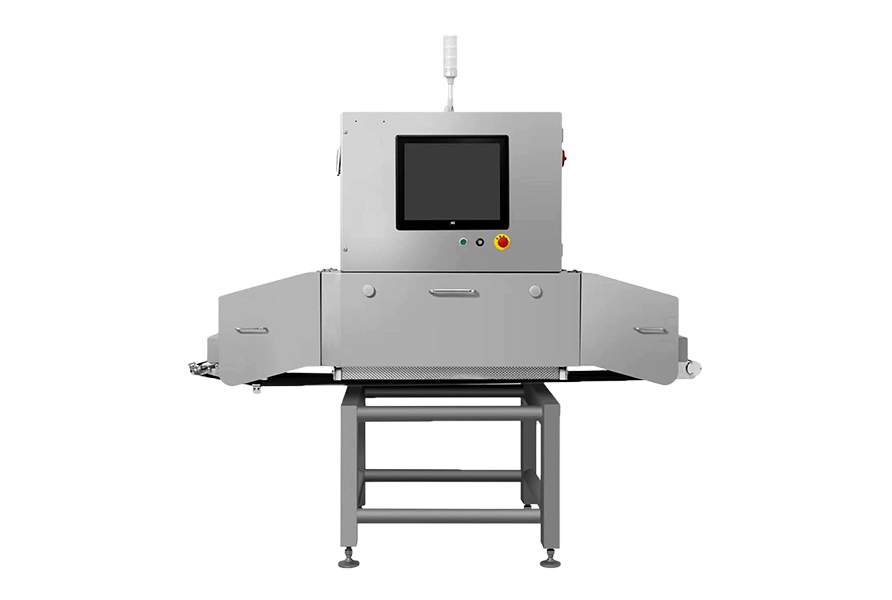
Chicken bone x ray inspection systems play a vital role in making poultry products safer. These systems find hidden bone fragments and other contaminants, which protects consumers from health risks. Advanced technology, like dual energy imaging, boosts detection accuracy for small bones and low-density materials. RaymanTech leads the industry by offering solutions with flexible inspection widths, fast conveyor speeds, and high hygiene standards.
X-ray inspection systems provide a crucial safety measure by identifying foreign objects such as chicken bones, which enhances food safety and quality control. This directly leads to better consumer health outcomes by minimizing contamination risks.
Key Takeaways
Chicken bone x-ray inspection systems enhance food safety by detecting hidden bone fragments and contaminants, protecting consumers from health risks.
Advanced dual-energy technology improves detection accuracy, identifying small bones and low-density materials that traditional methods often miss.
Automated inspection reduces human error and increases operational efficiency, leading to cost savings and improved product quality for poultry producers.
Ensuring the removal of bone fragments is crucial for consumer safety, as these can cause serious injuries, especially to vulnerable populations like children and the elderly.
RaymanTech's innovative solutions support compliance with safety standards, helping producers maintain consumer trust and protect their brand reputation.
Chicken Bone X Ray Inspection for Safer Poultry
Benefits for Consumers and Producers
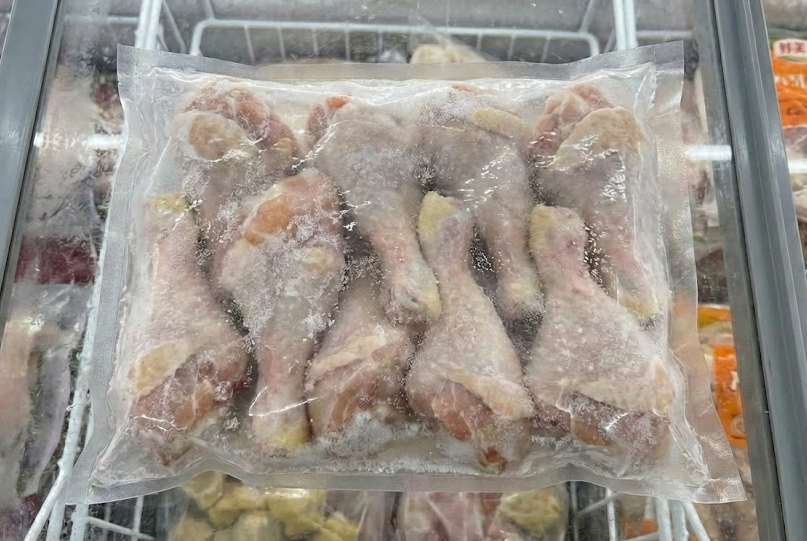
Chicken bone x ray inspection systems offer important advantages for both consumers and poultry producers. These systems use advanced technology to find bone fragments and other foreign materials that traditional methods often miss. This means safer food reaches the table and fewer complaints from customers.
The chicken bone x ray inspection system provides unparalleled sensitivity in detecting bone fragments, ensuring that no bones larger than 1.5mm make it to consumers. This capability significantly enhances product safety and quality, thereby boosting consumer confidence.
For producers, these systems help streamline operations and improve efficiency.
Minimized human error: Automated inspection reduces mistakes compared to manual checks.
Reliable and consistent results: X-ray inspection delivers dependable outcomes, improving operational efficiency.
Quality assurance: The system can count components and estimate mass, which helps ensure packages meet weight requirements and reduces product giveaway.
Cost savings: Early detection of contaminants prevents equipment damage and lowers processing costs.
Streamlined processes: Automation combines multiple inspection tasks, saving time and reducing the need for separate stations.
Reduced labor costs: Less manual inspection means lower labor expenses.
Rapid throughput: High-speed operation allows quick inspections, which is crucial for bulk production.
Increased efficiency: Combining inspection processes boosts productivity.
Consistency: Uniform inspections reduce variability and errors.
Reduced equipment costs: Fewer check/weigh stations mean lower expenses.
Minimized waste: Advanced detection reduces false positives, leading to less food waste.
RaymanTech’s Dual-Energy X-Ray Inspection System compares high- and low-energy images to achieve precise residual bone detection in meats such as poultry, pork, beef, and fish. It also analyzes fat content and inspects overlapping or uneven products for low-density contaminants like plastics and rubber. The system offers inspection widths from 240 to 400mm and conveyor speeds from 10 to 40 meters per minute, making it adaptable to different production lines. With an IP69K rating, it supports full washdown cleaning, ensuring hygiene and safety.
Addressing Food Safety Concerns
Food safety is a major concern in poultry processing. Bone fragments in chicken products can cause serious injuries, such as choking or throat lacerations, especially for children and the elderly. The U.S. Department of Agriculture sets strict rules for the maximum allowed size of bone fragments in poultry, highlighting the need for reliable detection.
Bone fragments in poultry products pose significant food safety risks, including choking hazards and potential injuries.
The presence of bone fragments can lead to consumer complaints, product recalls, and financial penalties for producers.
Consumer trust and brand reputation are heavily impacted by the presence of bone fragments in food products.
Bone fragments can cause serious injuries such as throat lacerations and choking, particularly affecting vulnerable populations like children and the elderly.
Bone fragments can lead to broken teeth and serious choking hazards.
Sharp bone pieces can cause internal injuries, including lacerations to the throat and digestive tract.
Chicken bone x ray inspection technology surpasses traditional methods by detecting a broader array of contaminants, including non-metallic foreign bodies like bones, which metal detectors miss. This advanced technology enhances food safety by identifying even small bone fragments, minimizing the risk of contamination. The dual-energy X-ray inspection technology is a significant advancement in food safety, especially in meat processing. It can detect tiny bones that are often difficult to find, reducing the chances of contaminated meat reaching consumers and helping to prevent costly recalls.
Ensuring the complete removal of chicken bones from poultry products is of paramount importance to any poultry food company, as these bones create health hazards for consumers and can damage a company's reputation.
RaymanTech’s system operates with less than 1 μSv/h X-ray leakage and supports air-conditioned cooling, making it safe and reliable for continuous use. The system works in temperatures from 0 to 40°C and humidity from 30 to 90%, fitting various production environments. By using chicken bone x ray inspection, producers can meet regulatory standards, protect their brand, and deliver safer products to consumers.
Risks of Bone Fragments and Contaminants
Health Impact on Consumers
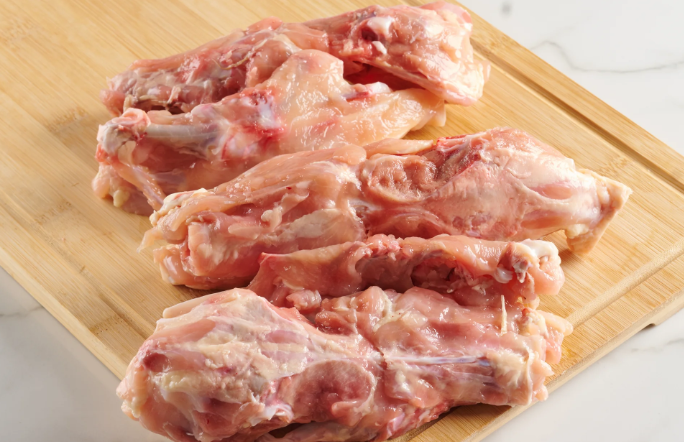
Bone fragments and contaminants in poultry products can cause serious health problems. Small bones may lead to choking, especially in children and older adults. Sharp fragments can cut the mouth, throat, or digestive tract. Some people have suffered broken teeth after biting into hidden bones. Contaminants such as heavy metals from environmental pollution can enter poultry meat. These metals build up in the body and may cause long-term health issues.
Poultry workers often report exposure to strong chemicals during processing. Common symptoms include stinging or burning of the eyes, nose, and throat. Some workers experience shortness of breath, headaches, and nausea. Asthma-like symptoms can develop after repeated exposure.
Peracetic acid (PAA) is used to kill bacteria in poultry plants. PAA is corrosive and can injure the eyes and skin. Workers exposed to PAA over time may develop breathing problems and other health concerns.
Health Risk | Description |
|---|---|
Choking | Small bones block airways |
Cuts and Lacerations | Sharp fragments injure mouth or throat |
Heavy Metal Poisoning | Metals accumulate and harm organs |
Chemical Exposure | Irritation, headaches, and respiratory symptoms |
Detection Challenges
Finding bone fragments and contaminants in poultry is difficult. Natural variation in chicken pieces makes detection harder. Bones are often lightweight and hollow, which makes them hard to spot. The production process is complex, and contaminants can go unnoticed.
The lightweight nature of bones means they may blend in with meat.
Overlapping or uneven products hide small fragments.
Low-density contaminants like plastic or rubber are not easily detected by traditional methods.
Processors need advanced technology to overcome these challenges. Dual-energy X-ray systems compare high- and low-energy images to separate materials. This helps identify bones, fat, and low-density contaminants with greater accuracy.
Advanced inspection systems improve food safety by finding what manual checks and metal detectors often miss.
Advanced Dual Energy X-Ray Technology
How Dual Energy AI Works
Dual energy X-ray technology uses two different energy levels to scan food products. This method helps the system tell the difference between bones, meat, and other materials. Unlike standard X-ray systems, which work best for finding dense objects like metal, dual energy systems can spot small, low-density bones and even thin pieces of plastic or rubber. The technology measures how much energy each material absorbs at both energy levels. This makes it easier to find tiny contaminants that might otherwise go unnoticed.
RaymanTech’s Dual-Energy X-Ray Inspection System uses advanced AI to analyze these energy patterns. The system can detect residual bones in poultry, pork, beef, and fish. It also checks fat content, helping producers manage recipes and ensure consistent quality. The system works well with overlapping or uneven products, making it ideal for busy production lines.
Detecting Small Bones and Low-Density Contaminants
Chicken bone x ray inspection systems must find more than just bones. They also need to detect low-density contaminants like plastic, rubber, and paper. Dual energy technology excels at this task. By comparing images from two energy levels, the system can separate food tissue from foreign materials. This reduces false alarms and improves food safety.
RaymanTech offers two models, RXD-MS-2410C and RXD-MS-4010C, with flexible configurations. The inspection width ranges from 240 to 400mm, and the inspection height is 100mm. Conveyor speeds can be set between 10 and 40 meters per minute. The system operates safely, with X-ray leakage below 1 μSv/h. It uses air-conditioned cooling and works in temperatures from 0 to 40°C and humidity from 30 to 90%. The power supply is 220V AC, 50/60Hz.
The IP69K rating means the system can handle high-pressure, high-temperature washdowns. This is important for keeping equipment clean and meeting food safety rules. Quick washdown cleaning helps prevent contamination and keeps the production line running smoothly.
RaymanTech’s system does more than detect bones and contaminants. It checks product sealing, fill level, weight, and fat content. These checks help producers deliver safe, high-quality products. The system also supports data transfer and remote troubleshooting. Real-time monitoring and diagnostics allow most issues to be fixed without on-site visits, reducing downtime and costs.
Check Type | Benefit |
|---|---|
Fill level verification | Ensures proper fill height and detects contaminants at the same time |
Fat Analysis | Helps manage raw materials for consistent recipes and product safety |
Dual energy X-ray technology gives producers a powerful tool for chicken bone x ray inspection, helping them protect consumers and improve product quality.
RaymanTech’s Whole-Chain Inspection Solutions
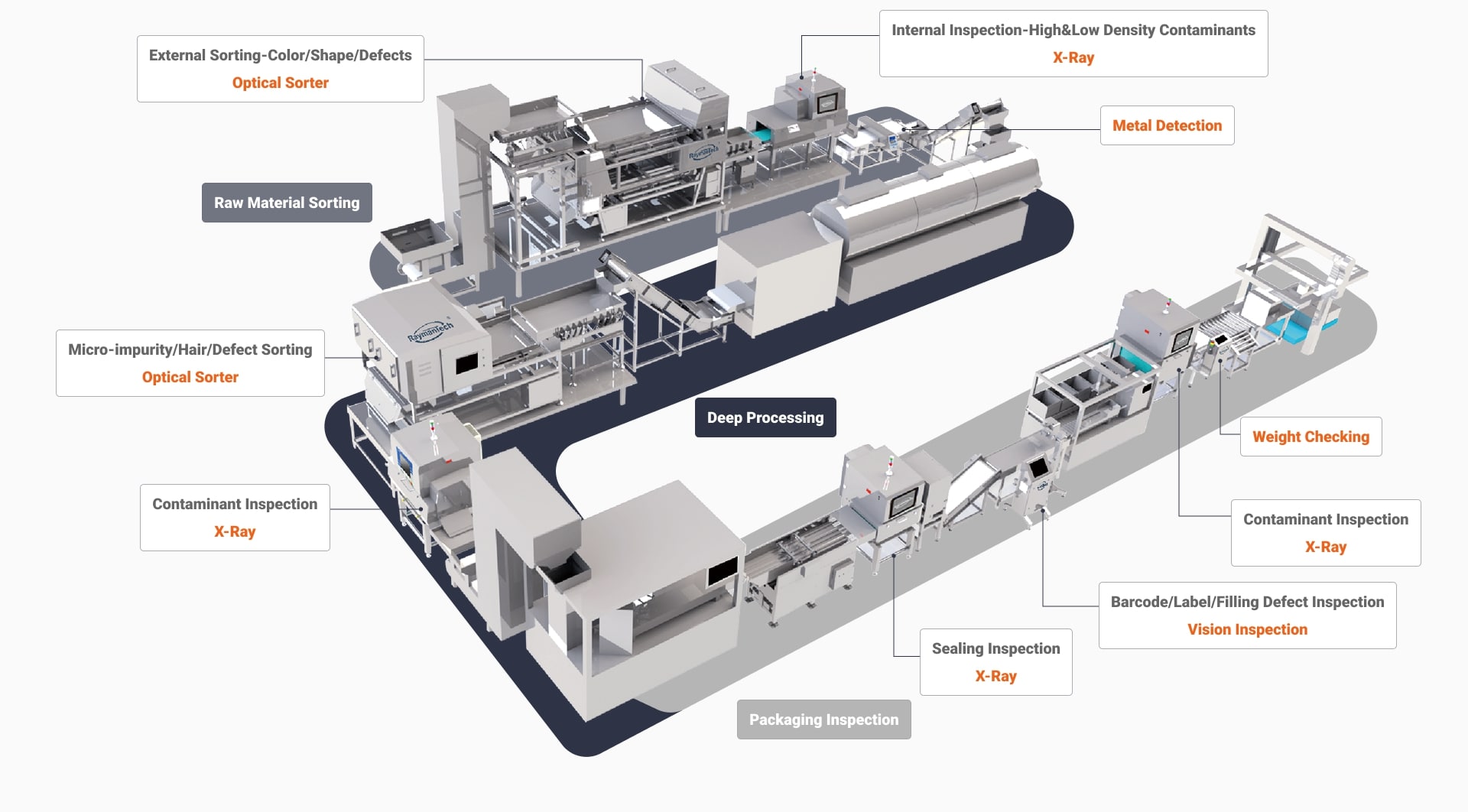
Comprehensive Safety from Raw to Packaged Products
RaymanTech stands out as an innovator in food safety technology. The company’s whole-chain inspection solutions protect every stage of poultry processing. These systems use advanced dual-energy X-ray technology and AI-powered image processing to detect contaminants from raw ingredients to finished, packaged products.
X-ray inspection systems identify bones, metal, glass, and other foreign materials.
AI enhances accuracy, making it easier to spot tiny bone fragments and low-density contaminants.
The system addresses issues left by mechanical deboning, finding non-metallic bone remnants that are hard to see.
Inspection width ranges from 240 to 400mm, and conveyor speeds reach up to 40 meters per minute.
The IP69K rating allows for quick, high-pressure washdowns, keeping equipment clean and safe.
RaymanTech’s solutions have helped reduce food safety incidents and contamination-related recalls. For example, a traceability system once mapped the route of a contaminated batch, allowing for a fast and targeted recall. This approach improves information collection and decision-making, which is vital for managing contamination risks.
Brand Protection and Operational Efficiency
Protecting a brand’s reputation is crucial in the food industry. RaymanTech’s inspection systems use low-energy X-rays to scan products and detect density differences. Contaminants absorb more X-rays than meat, so the system can identify foreign materials effectively. An automatic rejection mechanism removes contaminated items before they reach consumers.
The system detects metal, glass, bone, and other contaminants that manual checks might miss.
Advanced X-ray technology finds quality defects, preventing hazardous products from leaving the facility.
Penetrating radiation checks inside packaged items, ensuring thorough inspections.
Compliance with safety standards helps maintain consumer trust and brand integrity.
RaymanTech’s AI-powered multi-channel X-ray solutions boost operational efficiency. UHD technology keeps high contrast and resolution at fast speeds, identifying tiny objects and subtle defects. This precision reduces waste and maximizes yield, allowing manufacturers to operate at optimal capacity.
Industry Type | Examples of Applications |
|---|---|
Meat | Beef, Pork, Lamb |
Seafood | Fish, Shellfish |
Dairy | Milk, Cheese, Yogurt |
Nuts | Almonds, Cashews, Peanuts |
Bakery | Bread, Pastries |
Snacks | Chips, Crackers |
Coffee | Ground Coffee, Whole Beans |
Grains | Rice, Wheat, Oats |
Canned/Bottled Food | Vegetables, Soups, Sauces |
Pet Food | Dog Food, Cat Food |
Frozen Vegetables/Fruits | Mixed Vegetables, Frozen Berries |
Convenience Food | Ready-to-eat Meals |
Baby Food | Pureed Fruits, Vegetables |
Pharmaceutical | Tablets, Capsules |
RaymanTech’s inspection systems adapt to many industries, from poultry and meat to bakery and dairy. This flexibility ensures that food producers can maintain high safety and quality standards across all product lines.
Chicken bone x ray inspection systems deliver major improvements in poultry safety.
They detect bone fragments and contaminants, protecting consumers and brands.
Automated inspection reduces human error and supports regulatory compliance.
These systems find bones as small as 1 mm and lower false reject rates, increasing efficiency.
RaymanTech leads with AI-powered solutions that boost detection accuracy and production speed. Future food safety technology will use AI, robotics, and advanced sensing to further improve quality and safety across the poultry industry.
FAQ
How does RaymanTech’s Dual-Energy X-Ray Inspection System improve poultry safety?
RaymanTech’s system uses dual-energy X-rays to find small bone fragments and low-density contaminants. It compares high- and low-energy images to separate bones, fat, and foreign materials. This process helps keep poultry products safe for consumers.
What types of contaminants can the system detect?
The system detects bones, plastics, rubber, paper, and other low-density materials. It also finds metal and glass. This wide detection range helps producers maintain high food safety standards.
Tip: Dual-energy technology works well with overlapping or uneven products, making it ideal for busy production lines.
What are the main technical specifications of the inspection system?
Inspection width: 240–400mm
Inspection height: 100mm
Conveyor speed: 10–40m/min
X-ray leakage: Less than 1 μSv/h
IP rating: IP67/IP69K
Cooling: Air-conditioned
Temperature: 0–40°C
Humidity: 30–90%
Power: 220V AC, 50/60Hz
Can the system analyze fat content in meat products?
Yes. The system measures fat-to-lean ratios in poultry, pork, beef, and fish. This analysis helps processors meet production requirements and prepare products for further processing.
Is the system easy to clean and maintain?
The IP69K rating allows for high-pressure, high-temperature washdowns. Cleaning takes only a few minutes. Air-conditioned cooling keeps the system running smoothly in different environments.