Top Tips for Choosing Chia Seed Sorting Technology in 2026
Selecting the right chia seed sorting technology in 2026 requires careful evaluation of accuracy, processing speed, and adaptability. Companies face a rapidly growing market:
- Global chia seed market: valued at $1.5 billion, projected to reach $3.2 billion by 2033.
- Packaged organic chia seeds: currently $200 million, forecasted to hit $450 million.
Advanced sorting systems boost quality and business efficiency.
| Benefit | Description |
|---|---|
| Sorting Accuracy | Enhances chia seed quality and purity. |
| Labor Cost Reduction | Automation cuts manual labor and expenses. |
| Minimization of Waste | Modern processes reduce product loss during sorting. |
Why Chia Seed Sorting Technology Matters
Impact on Seed Quality and Purity
Chia seed sorting technology plays a crucial role in achieving high seed quality and purity. Leading suppliers, such as Benexia in Chile, have set industry benchmarks by reaching a purity content of 99.95 percent through advanced sorting and cleaning processes. These processes mirror pharmaceutical production standards. They also use traceable seed selection and chemical-free sterilization to minimize moisture and microbial content. This approach ensures that seeds remain uncontaminated and maintain their nutritional value. Companies that invest in modern sorting solutions can consistently deliver premium products to the market.
Role in Operational Efficiency
Modern chia seed sorting systems significantly improve operational efficiency. Facilities that adopt these technologies report measurable gains in productivity and cost savings.
| Metric | Value |
|---|---|
| Efficiency Rate | 85% |
| Time Saved | 20 hours |
| Cost Reduction | 15% |
| User Satisfaction | 90% |
These improvements allow businesses to process larger volumes with fewer errors and less manual labor. Teams can focus on higher-value tasks, while automated systems handle repetitive sorting work.
Influence on Profitability
Advanced chia seed sorting solutions drive profitability by increasing revenue and reducing costs. The global market for chia seeds is projected to reach USD 1.22 billion in 2025, with an annual growth rate of over 11 percent. Companies that invest in these technologies often see a strong return on investment.
| Financial Component | Calculation | Amount |
|---|---|---|
| Total Investment Cost | Purchase + Installation + Training | ($70,000) |
| Added Revenue | Premium Price Uplift (e.g., 15%) | $120,000 |
| Cost Savings | Reduced Labor + Reduced Product Loss | $105,000 |
| Net Profit (B + C - A) | $120,000 + $105,000 - $70,000 | $155,000 |
| ROI (D / A x 100) | ($155,000 / $70,000) x 100 | 221% |
Companies that upgrade their chia seed sorting equipment can expect both immediate and long-term financial benefits.
Latest Chia Seed Sorting Technologies in 2026
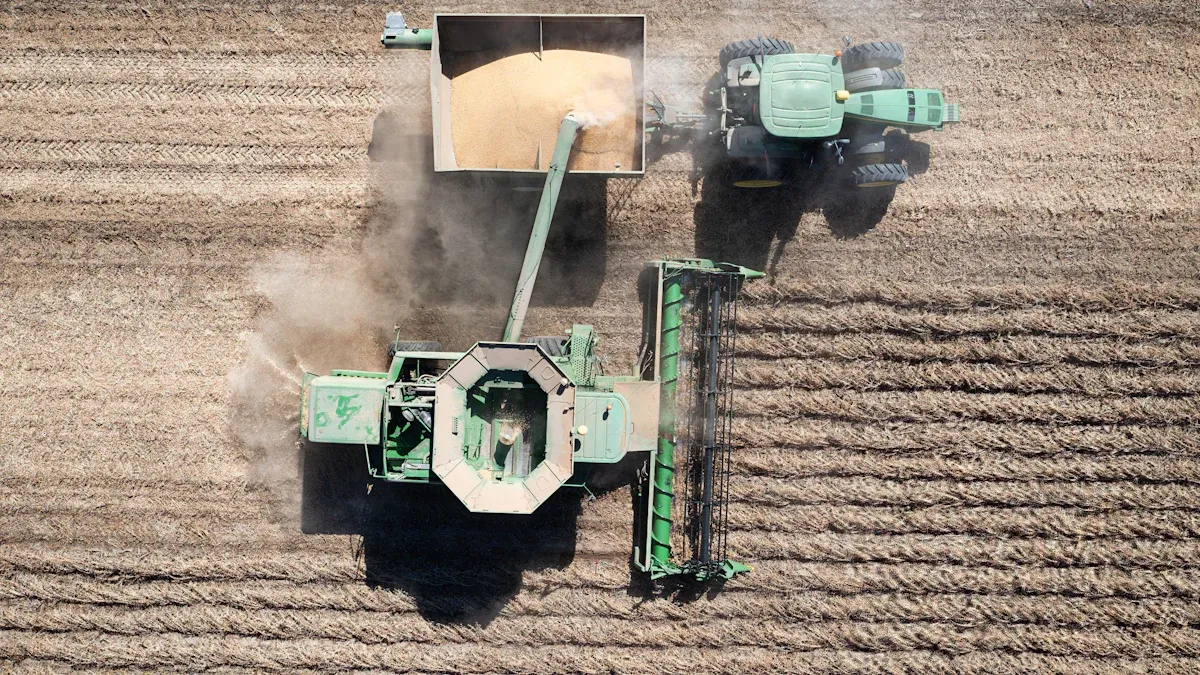
Optical Sorting Systems
Optical sorting systems remain a top choice for chia seed sorting in 2026. These machines use advanced cameras and sensors to detect color, size, and shape differences. Leading models, such as Kelida, deliver high precision for export-grade seeds. However, they require a significant initial investment and regular cleaning due to dust sensitivity.
| Solution Type | Best Suited For | Potential Issues | Budget Consideration |
|---|---|---|---|
| Optical Sorter (Kelida) | Precision grading for export | High initial cost; sensitive to dust | $$ |
AI-Powered Sorting Machines
AI-powered machines have transformed chia seed sorting by learning to identify subtle defects and contaminants. These systems adapt to new seed varieties and changing quality standards. Operators benefit from real-time adjustments and improved accuracy, which reduces waste and increases yield.
Multi-Stage Sorting Solutions
Multi-stage solutions combine several sorting steps in one process. Facilities use these systems to handle pre-sorting, dust removal, and final grading. Brands like Furui offer integrated machines that boost efficiency but require careful maintenance due to their complexity.
Hybrid Sorting Systems
Hybrid systems integrate multiple technologies, such as RGB cameras, NIR sensors, and high-speed air jets. This combination allows for precise detection of color defects, density, and moisture. The table below highlights the core components and their benefits:
| Core Component | Function | Key Benefits |
|---|---|---|
| RGB Cameras | Capture high-resolution images | Quickly detect color defects and foreign materials |
| NIR (Near-Infrared) | Analyzes density and moisture | Identifies contaminants with similar color profiles |
| High-Speed Air Jets | Eject defective seeds | Ensures minimal waste and maintains fast speeds |
IoT-Enabled Monitoring and Control
IoT-enabled systems provide remote monitoring and control for chia seed sorting operations. Managers track performance, receive alerts, and schedule maintenance from any location. This technology helps prevent downtime and ensures consistent product quality.
Essential Features to Look For in Chia Seed Sorting
Sorting Accuracy and Consistency
Manufacturers prioritize sorting accuracy and consistency when designing chia seed sorting machines. These features determine the quality of the final product and help companies meet international standards. Machines must comply with ISTA accuracy tolerances for chia seed types. Operators monitor throughput and precision rates to ensure repeatable results. The following table highlights key industry benchmarks:
| Metric | Description |
|---|---|
| Division Accuracy | Compliance with ISTA accuracy tolerances for chia seed types. |
| Throughput | Number of samples processed per hour. |
| Precision Rate | Documented repeatability in division results, measured by variance in divided weights. |
| Noise Levels | Operational noise levels during sorting. |
| Cleaning Ease | Ease of cleaning between samples to prevent cross-contamination. |
High sorting accuracy reduces the risk of contamination and ensures that only premium seeds reach the market. Consistency in sorting results builds trust with buyers and supports brand reputation.
Processing Speed and Throughput
Processing speed and throughput play a vital role in meeting production targets. Facilities that use advanced chia seed sorting technology can process thousands of samples per hour. Fast sorting minimizes bottlenecks and supports timely delivery. Operators track throughput rates to optimize workflow and maximize output. Machines with high-speed capabilities help companies scale operations and respond to market demand.
Scalability and Flexibility
Scalability and flexibility allow businesses to adapt to changing production volumes. Manufacturers offer modular designs that support customization and expansion. Automation and IoT capabilities enhance operational efficiency and simplify management. Companies benefit from machines that provide higher precision and greater throughput. The following list outlines common scalability options:
- Modular designs enable easy adaptation to different production volumes.
- Automation and IoT integration streamline operations and support remote monitoring.
- Indian cooperatives simplify logistics and support scalable sourcing.
- Chinese producers use vertical integration to ensure consistent bulk shipments.
- Latin American exporters focus on traceability and certifications for organic supply chains.
Flexible sorting solutions help companies respond to seasonal fluctuations and market growth.
Ease of Maintenance and Cleaning
Ease of maintenance and cleaning impacts machine longevity and product safety. Operators prefer machines with accessible components and simple cleaning procedures. Quick cleaning between batches prevents cross-contamination and maintains seed purity. Manufacturers design equipment with minimal downtime in mind, allowing for routine maintenance without disrupting production schedules.
Tip: Regular cleaning and scheduled maintenance extend the lifespan of chia seed sorting machines and protect product quality.
User Interface and Automation
A user-friendly interface simplifies operation and reduces training time. Automation features allow operators to monitor sorting processes and make adjustments in real time. Machines with intuitive controls support efficient workflow and minimize errors. Companies benefit from systems that offer remote access and automated reporting, which improve oversight and decision-making.
Energy Efficiency and Sustainability
Energy efficiency and sustainability have become essential considerations for modern chia seed sorting technology. Manufacturers design machines that consume less power and use eco-friendly materials. Energy-efficient systems lower operating costs and reduce environmental impact. Companies that invest in sustainable equipment demonstrate commitment to responsible production and appeal to environmentally conscious buyers.
Customization for Chia Seed Characteristics
Customization features enable manufacturers to address the unique properties of chia seeds. Machines use high-resolution cameras and advanced optical sensors to detect subtle differences in color, size, and shape. Operators adjust sorting parameters to match specific requirements. The table below summarizes key customization features:
| Feature | Description |
|---|---|
| High-Resolution Cameras | Capture detailed images of seeds for accurate color detection. |
| Advanced Optical Sensors | Detect subtle color differences, size, shape, and defects in seeds. |
| Customizable Sorting Parameters | Allow adjustments for color thresholds, shape recognition, size sorting, and defect detection. |
| High Sorting Accuracy | Achieve high accuracy in sorting, minimizing false positives. |
| Real-Time Image Processing | Analyze images swiftly for rapid decision-making in sorting. |
| High Throughput Capacity | Process large quantities of seeds efficiently. |
| User-Friendly Interface | Easy monitoring and adjustment of sorting processes. |
| Multiple Sorting Modes | Accommodate various sorting requirements based on color, size, shape, and defects. |
Customizable sorting solutions help companies maintain high standards and meet diverse market needs.
Comparing Leading Brands and Models for Chia Seed Sorting
Top Brands in 2026
Several brands have established themselves as leaders in the chia seed sorting equipment market by 2026. Companies such as Kelida, Furui, and TZQY/QSX have gained recognition for their innovation and reliability. Kelida focuses on high-precision optical sorting systems, which appeal to exporters who demand strict quality standards. Furui offers integrated multi-stage solutions that streamline the sorting process for large-scale operations. TZQY/QSX specializes in versatile machines that handle a wide range of throughput requirements, making them suitable for both small and large facilities. These brands continue to invest in research and development, ensuring their machines remain at the forefront of technology.
Strengths and Weaknesses of Popular Models
Each model on the market brings unique advantages and potential drawbacks. Kelida’s optical sorters deliver exceptional accuracy and consistency, which helps producers achieve export-grade purity. However, these machines require regular maintenance and careful cleaning due to their sensitivity to dust. Furui’s multi-stage sorters integrate several processes, reducing manual intervention and increasing efficiency. Their complexity, though, can lead to higher maintenance demands and longer training periods for operators. TZQY/QSX models stand out for their scalability and broad throughput range. Smaller facilities benefit from their lower entry cost, but these machines may lack some of the advanced features found in higher-end models. Users should consider their specific operational needs when evaluating these options.
Tip: Facilities that prioritize ease of use and low maintenance often select models with modular designs and accessible components.
Price vs. Performance Considerations
Buyers must balance price and performance when selecting chia seed sorting equipment. The market in 2026 offers a range of options to suit different budgets and production scales. The following table highlights three popular models, their price ranges, review scores, and throughput capacities:
| Product Name | Price Range | Review Score | Throughput |
|---|---|---|---|
| Stone Removing Machine Chia Seed Destoner | $4,000–$4,200 | 5.0 | Custom |
| Seed Grain Bean Gravity Destoner | $3,700 | 5.0 | 5T/H |
| TZQY/QSX Series Seed Destoner | $1,000–$2,000 | 4.9 | 2.5–45T/H |
Stone Removing Machine Chia Seed Destoner and Seed Grain Bean Gravity Destoner both receive top review scores, reflecting strong user satisfaction. The Gravity Destoner offers a fixed throughput of 5 tons per hour, while the Stone Removing Machine provides custom throughput options. TZQY/QSX Series Seed Destoner stands out for its wide throughput range, accommodating both small and large operations. Its lower price point makes it accessible to new entrants, although it scores slightly below the other two models. Buyers should assess their expected production volume, desired automation level, and available budget before making a decision.
Note: High review scores often indicate reliable performance and strong after-sales support, but buyers should always test machines with their own chia seeds before finalizing a purchase.
Practical Tips for Evaluation and Maintenance of Chia Seed Sorting Machines
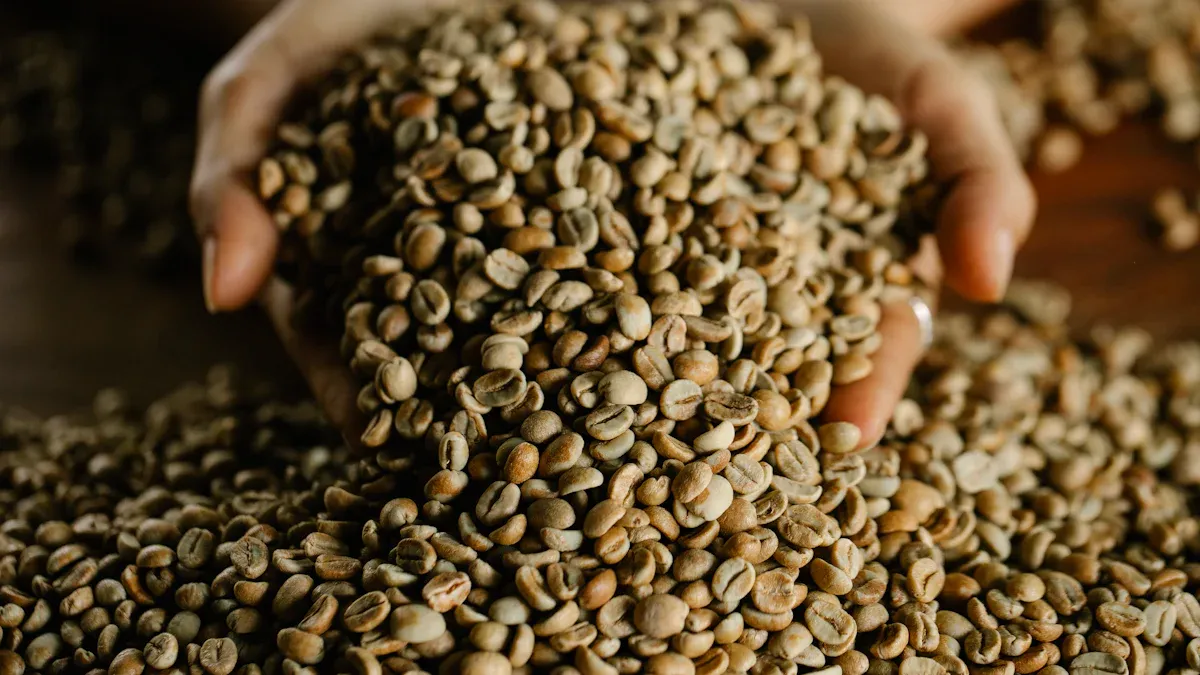
How to Assess Sorting Performance
Operators measure sorting performance by checking seed purity, throughput, and defect removal rates. They use sample batches to compare sorted output against industry standards. Consistent results across multiple runs indicate reliable machine operation. Facilities often record data to track trends and identify areas for improvement.
Maintenance Best Practices
Routine maintenance extends machine lifespan and ensures consistent sorting quality. Teams inspect moving parts, clean sensors, and replace worn components on a set schedule. Quick cleaning between batches prevents contamination. Many facilities keep a maintenance log to monitor service intervals and repairs.
Regular maintenance reduces downtime and protects product quality.
Training and Support Availability
Manufacturers offer several training and support options to help operators master chia seed sorting machines. The table below outlines common methods:
| Training Method | Description |
|---|---|
| On-site Training | Engineers visit customer sites for hands-on instruction and machine setup. |
| Factory Visits | Customers learn about machine operation during visits to the manufacturer. |
| Online Training | Remote sessions or video tutorials guide users through machine functions. |
Comprehensive training ensures staff can operate, adjust, and maintain equipment efficiently.
Warranty and After-Sales Service
Reliable warranty and after-sales service provide peace of mind for buyers. The following table summarizes typical offerings in 2026:
| Warranty | After-sales Service |
|---|---|
| 1 Year | Overseas Engineer |
Manufacturers send engineers to resolve issues and support customers worldwide.
Testing with Your Own Chia Seeds
Facilities should test machines with their own chia seeds before finalizing a purchase. This step verifies sorting accuracy and compatibility with specific seed varieties. Operators observe machine performance under real production conditions and confirm that output meets quality requirements.
Quick-Reference Checklist for Chia Seed Sorting Buyers
Key Questions to Ask Before Buying
Buyers should approach the selection process with a clear set of questions. These questions help identify the best fit for operational needs and long-term goals:
- What is the required throughput for current and future production volumes?
- Does the machine support the specific size and purity standards for chia seeds?
- How accurate and consistent is the sorting performance?
- What are the maintenance requirements and cleaning procedures?
- Is the user interface intuitive for operators with varying skill levels?
- Does the system offer remote monitoring or IoT integration?
- What is the total cost of ownership, including installation, training, and after-sales support?
- Can the manufacturer provide references or case studies from similar operations?
- How flexible is the machine for handling different chia seed varieties or future upgrades?
- What warranty and technical support options are available?
Tip: Buyers who ask these questions gain a deeper understanding of each machine’s strengths and limitations.
Must-Have Features Summary
A successful investment in chia seed sorting technology depends on securing essential features. The following table summarizes the must-have attributes for 2026:
| Feature | Why It Matters |
|---|---|
| High Sorting Accuracy | Ensures premium seed quality and purity |
| Fast Processing Speed | Meets production targets efficiently |
| Modular Scalability | Adapts to changing business needs |
| Easy Maintenance & Cleaning | Reduces downtime and contamination risk |
| User-Friendly Interface | Simplifies operation and training |
| Energy Efficiency | Lowers operational costs and supports sustainability |
| Customization Options | Matches unique chia seed characteristics |
| Reliable After-Sales Support | Provides peace of mind and long-term value |
Buyers who prioritize these features position their business for growth and consistent product quality.
Selecting chia seed sorting technology requires careful attention to quality, efficiency, and long-term value. Companies benefit from advanced systems that improve product quality and reduce costs. The table below highlights key factors that support smart investment decisions:
| Factor | Benefit |
|---|---|
| Advanced Technology | Higher product quality, lower operational costs |
| AI Quality Assurance | Real-time monitoring, improved safety compliance |
| Cost-Performance | Competitive pricing, broader market appeal |
| Climate-Controlled Logistics | Longer shelf life, better seed integrity |
Companies should compare options and consult industry experts before making a final purchase.
FAQ
What is the most important feature in chia seed sorting machines?
Sorting accuracy stands out as the top feature. High accuracy ensures premium seed quality and helps companies meet strict export standards.
How often should operators perform maintenance on sorting equipment?
Operators should follow the manufacturer’s schedule. Most recommend weekly cleaning and monthly inspections. Regular maintenance prevents breakdowns and protects seed quality.
Can one machine handle different chia seed varieties?
- Yes, many modern machines offer customizable settings.
- Operators can adjust parameters for size, color, and shape to match various chia seed types.
See Also
Essential Capsule Checkweighers To Explore For 2025
Three Must-Have Industrial Checkweighers For Food Facilities
Best Precoating Options For Filtration Systems This Year
Popular Folder Gluer Innovations For Carton Production In 2025