Chia Seed Sorting: How Intelligent Color Sorters Achieve Precise Grading
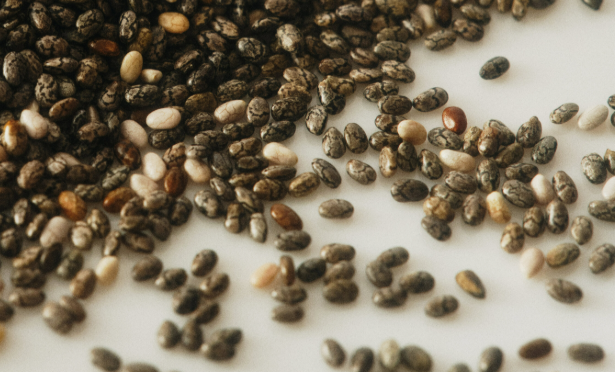
RaymanTech’s AI-powered chia seed sorting machine uses high-resolution cameras and artificial intelligence to select only the best seeds. Optical sorting removes foreign contaminants, damaged seeds, and underdeveloped seeds. This process ensures consistent quality, improves food safety, and increases market value for chia seed producers.
Key Takeaways
Chia seed sorting enhances quality by removing contaminants and defective seeds, ensuring only the best seeds reach the market.
Using advanced technology like AI and optical sorting improves accuracy, achieving up to 99.9% precision in grading chia seeds.
Automated sorting systems reduce labor costs and improve food safety, making the production process more efficient and hygienic.
What Is Chia Seed Sorting
Importance for Quality and Value
Chia seed sorting is a process that separates high-quality seeds from defective or contaminated ones. This process uses advanced technology to ensure that only seeds with the right color, size, and shape reach the market. The sorting steps include removing impurities, dust, and debris, followed by eliminating lightweight contaminants and ensuring uniform seed density. Fine cleaning and optical sorting help detect and remove discolored, damaged, or underdeveloped seeds. Optical sorting is especially important because it removes foreign contaminants and ensures that only viable chia seeds are selected. Companies that use a chia seed sorting machine can achieve greater accuracy and speed. This results in seeds that are uniform in quality, which is essential for meeting consumer expectations and maintaining a high market price. Uniformity and purity are key factors that influence the value of chia seeds in premium markets.
Tip: Consistent sorting improves food safety and boosts the reputation of chia seed producers.
Main steps in chia seed sorting:
Pre-cleaning with a vibratory sieve to remove coarse impurities, dust, and debris.
Using an air recycling aspirator to eliminate lightweight contaminants.
Gravity separation to ensure uniform seed density and purity.
Fine cleaning with a super fine screen cleaner for precision.
Optical sorting to detect and eliminate discolored or defective seeds.
Industry Applications
Many industries rely on chia seed sorting technology to maintain quality and safety.
Agriculture: Ensures seed quality and compliance with standards.
Food Processing: Maintains purity and uniformity for consumer products.
Biotech: Supports research and development of new chia seed varieties.
A chia seed sorting machine is essential for these industries because it helps deliver reliable and high-quality seeds for various applications.
How Chia Seed Sorting Machines Work
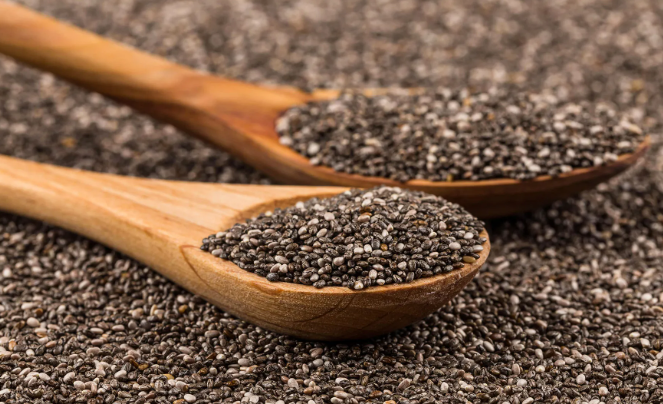
Key Technologies and Components
RaymanTech’s chia seed sorting machines use advanced technology to achieve precise grading. The AI Standard Optical Sorter and Multi Functional Chute Color Sorter are two examples of these machines. Both models combine high-resolution imaging, deep learning algorithms, and adaptable sorting systems. These features allow the machines to detect subtle differences in color, shape, and size.
Technology Type | Description |
|---|---|
Advanced Imaging Systems | Utilizes high-resolution cameras for detailed defect detection and sorting. |
High-Resolution Sensors | Detects subtle color differences and shape deformities in seeds. |
Deep Learning Algorithms | Enables the system to learn and identify complex defects beyond simple color recognition. |
UHD Imaging Capabilities | Captures fine details for precise sorting based on color, shape, and size. |
The AI Standard Optical Sorter uses ultra-high-definition cameras and deep learning to scan each seed. The Multi Functional Chute Color Sorter adds X-ray detection, which finds internal defects and foreign objects. Both machines adapt to dry and wet materials, making them suitable for many types of seeds and grains. Operators can switch between products quickly, which improves efficiency and reduces downtime.
Note: Dual detection systems in RaymanTech machines provide higher accuracy than traditional sorters. This ensures that only the best seeds reach the final output.
Sorting Process Overview
The sorting process starts after harvest. Seeds enter the chia seed sorting machine, where they are processed to remove impurities such as sand, plant debris, and broken seeds. The machine uses optical sorting to separate foreign contaminants, damaged seeds, and small, underdeveloped seeds. This step is crucial because it ensures that only high-quality, viable chia seeds are selected.
The workflow includes several stages:
Input: Seeds are loaded into the machine.
Pre-cleaning: The system removes large debris and dust.
Grading: The machine scans each seed for color, size, and shape.
Sorting: AI algorithms and high-resolution cameras identify and remove defective seeds.
Output: Only full, healthy chia seeds remain for packaging or further processing.
The process improves purity, germination rate, and vigor. Real-time detection and instant feedback allow operators to respond quickly to sorting issues. The machines can handle mixed or irregularly shaped products, which enhances sorting capabilities.
Defect Detection Capabilities
RaymanTech’s chia seed sorting machines detect a wide range of defects and contaminants. The combination of optical and X-ray technology allows for thorough inspection. The machines identify:
Discolored seeds
Foreign grains
Sticks
Stones
Mold spots
Immature seeds
Chia seeds can also be contaminated with microorganisms such as Salmonella and filamentous fungi. Removing these contaminants is important for food safety. The machines scan and grade each seed, ensuring consistent quality and reducing health risks.
AI algorithms improve sorting precision by learning from large datasets. They recognize subtle color variations and adapt in real-time to changing sorting criteria. This results in high detection rates and minimizes errors. Continuous feedback and data analysis refine sorting techniques over time.
Tip: Adaptability to different materials means operators can switch between nuts, grains, and dried fruits with minimal adjustments. This flexibility helps maintain consistent quality and boosts operational efficiency.
The chia seed sorting machine combines advanced imaging, AI, and X-ray detection to deliver reliable results. It removes foreign contaminants, damaged seeds, and underdeveloped seeds, ensuring that only high-quality chia seeds are selected for consumers.
Grading Precision and Benefits
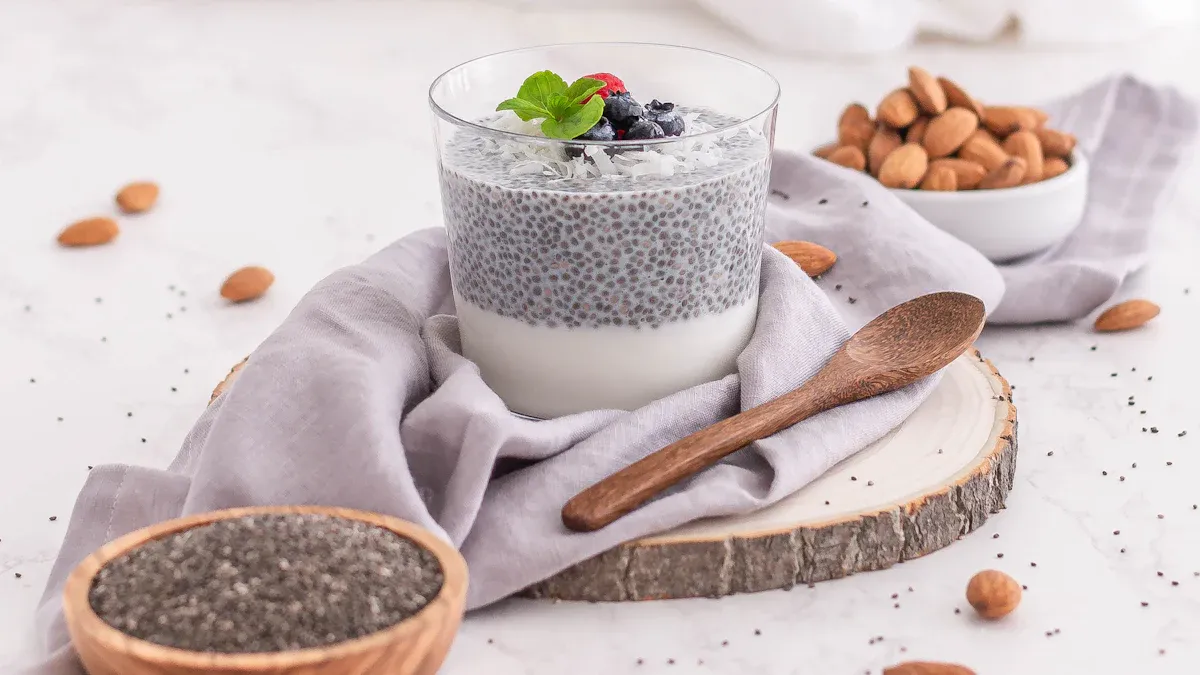
Grading Criteria and Accuracy
RaymanTech’s intelligent color sorters use advanced technology to grade chia seeds with remarkable accuracy. The machines evaluate each seed based on several important criteria. These criteria help ensure that only the highest quality seeds reach the final product. The table below shows the main grading standards used by the system:
Grading Criteria | Description |
|---|---|
Color | Intelligent algorithms can distinguish up to 16 different color grades. |
Size | The sorter measures the size of each chia seed for uniformity. |
Surface Texture | The system checks the surface for any quality issues or irregularities. |
Quality Issues | The sorter identifies mold, insect damage, and immature seeds. |
The chia seed sorting machine uses high-resolution cameras and deep learning to analyze these features. It can sort seeds by color or shape and remove any that do not meet the set standards. The machine also ejects impurities and foreign materials during the process. RaymanTech’s AI-powered systems achieve up to 99.9% accuracy in sorting. This high level of precision means fewer good seeds are mistakenly rejected. Compared to traditional methods, RaymanTech’s machines have a much lower false reject rate. Human inspectors usually reach about 80-85% accuracy, but AI-powered systems can achieve over 99%. This improvement leads to better quality control and less waste.
Product Quality and Efficiency
Precise grading has a direct impact on the quality and safety of chia seed products. The chia seed sorting machine removes foreign contaminants, damaged seeds, and underdeveloped seeds. This process ensures that only healthy, viable seeds are selected. The benefits of this approach include:
Improved food safety, as harmful microbes and pathogens are removed.
Preservation of nutritional value, since gentle processing protects the seeds’ natural qualities.
Enhanced flavor and texture, which makes the final product more appealing to consumers.
RaymanTech’s machines also increase efficiency in production. The advanced technology allows for high-speed sorting without sacrificing accuracy. This means producers can process more seeds in less time. The system provides real-time feedback, so operators can quickly adjust settings if needed. The result is a consistent, high-quality output that meets industry standards.
Tip: Consistent sorting not only improves product quality but also helps maintain a strong reputation for chia seed producers.
Labor and Safety Advantages
Automated sorting systems offer several advantages for labor and workplace safety. RaymanTech’s machines reduce the need for manual inspection, which can be slow and prone to error. The main benefits include:
Reduced labor costs, as fewer workers are needed for sorting tasks.
Lower risk of injury, since workers spend less time handling machinery or inspecting seeds by hand.
Improved workplace hygiene, because the system minimizes human contact with the seeds.
The chia seed sorting machine also supports food safety by logging data and generating reports automatically. This feature helps producers meet regulatory requirements and maintain high standards. For those interested in seeing the technology in action, RaymanTech offers demonstrations of their equipment. A hands-on demo can show how the system works and how it can improve sorting processes.
RaymanTech’s intelligent color sorters deliver precise grading for chia seeds. Optical sorting removes damaged and underdeveloped seeds, improving quality and safety. The table below shows key features that enhance consumer satisfaction:
Feature | Description |
|---|---|
Reduces aflatoxin and foreign impurities. | |
High Efficiency | Removes stalks and shells with 99% efficiency. |
Advanced Technology | Accurate color detection with InGaAs sensors. |
Unique Design | Dust-removing system lowers food safety risks. |
Producers can upgrade their sorting process by following these steps:
Step | Description |
|---|---|
Cleaning | Remove impurities and foreign materials. |
Sorting | Categorize seeds by size and quality. |
Grading | Package only the best seeds. |
FAQ
How does optical sorting improve chia seed quality?
Optical sorting removes foreign contaminants, damaged seeds, and underdeveloped seeds. This process ensures only high-quality, viable chia seeds move forward for packaging.
Can RaymanTech sorters handle different types of seeds?
Yes. RaymanTech machines adapt to various seeds, including chia, flax, pumpkin, and sunflower. Operators can switch products quickly with minimal adjustments.
Why is precise grading important for chia seeds?
Precise grading increases food safety and market value. Only uniform, healthy seeds reach consumers, which helps producers maintain a strong reputation.