Inside the High-Speed World of Cherry Optical Sorting in 2026
A cherry optical sorter uses advanced imaging and automation to deliver rapid, precise sorting of cherries. In 2026, growers and processors rely on this technology for several reasons:
- It processes large quantities much faster than manual sorting.
- Automation reduces time and labor, especially during peak harvests.
Cherry Optical Sorter: The Technology Driving High-Speed Sorting
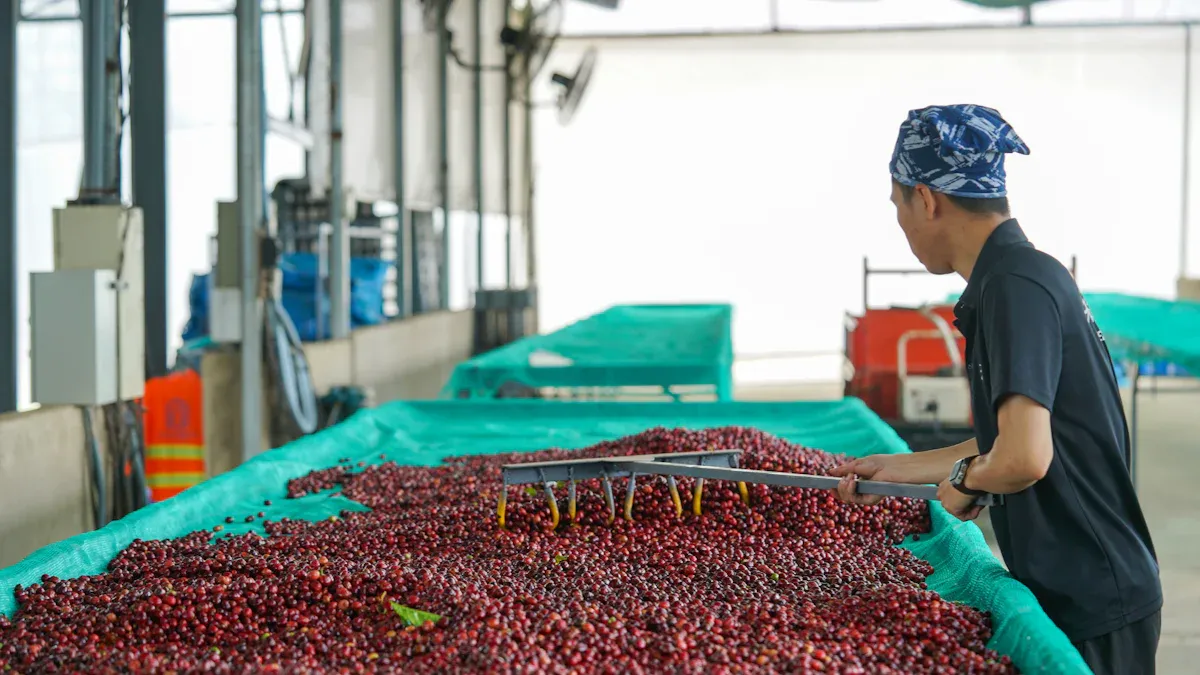
Advanced Imaging Systems
Cherry optical sorter technology in 2026 relies on a suite of advanced imaging systems to achieve rapid and precise sorting. These systems combine multiple components to analyze cherries from every angle and deliver comprehensive quality assessments. The following table outlines the main components and their functions:
| Component | Description |
|---|---|
| High-speed cameras | Capture detailed images of fruits from multiple angles for comprehensive analysis. |
| Hyperspectral imaging (HSI) | Captures data across hundreds of wavelength bands to create a unique spectral signature for each fruit. |
| 3D and structured-light scanning | Creates a topographical map of the fruit's exterior, calculating dimensions, volume, and shape. |
| Chlorophyll fluorescence (CF) | Measures ripeness by detecting the natural glow emitted as chlorophyll breaks down in ripening fruit. |
These imaging systems enable the cherry optical sorter to detect subtle differences in color, shape, and ripeness. The technology also improves defect detection by using radiai™ technology from GP Graders. This system utilizes convolutional neural networks to automatically recognize defects, reduce false positives, and adapt to high-speed packing operations. The radiai™ system can differentiate between stems and fruit imperfections, minimizing unnecessary waste. It also detects various crack placements for nuanced grading.
Tip: The radiai™ system builds a comprehensive dataset of cherry defects, allowing the cherry optical sorter to classify defects with greater accuracy than traditional systems.
Deep Learning Integration
Deep learning plays a critical role in enhancing the accuracy of cherry optical sorting. By leveraging advanced neural networks, the cherry optical sorter identifies defects such as edge cracks and cosmetic blemishes with remarkable precision. This capability leads to higher product quality and less waste, maximizing output for growers and processors.
The integration of deep learning models has resulted in measurable improvements in defect classification accuracy:
- YOLOv8-Multipleattn model achieves 91.714% accuracy, 0.9191 precision, 0.920 recall, and 0.9193 F1-score.
- YOLOv8n model reaches 89.714% accuracy, 0.8971 precision, recall, and F1-score.
- The overall measurement accuracy of the proposed system stands at 98.6%.
These results demonstrate the effectiveness of deep learning in distinguishing between subtle defects and ensuring only the highest quality cherries move forward in the sorting process.
Real-Time Data Processing
Real-time data processing forms the backbone of high-speed cherry optical sorting. The system uses high-tech cameras to capture up to 30 images per cherry, enabling precise sorting and defect detection. A real-time data dashboard provides immediate insights on defects and quality, allowing operators to make quick decisions and maintain consistent standards.
| Feature | Contribution to Speed and Reliability |
|---|---|
| High-tech cameras | Capture 30 images per cherry for precise sorting and defect detection |
| Real-time data dashboard | Provides immediate insights on defects and quality for quick decisions |
| Advanced algorithms | Enhance accuracy in detecting defects and sorting characteristics |
Advanced algorithms process this data instantly, ensuring the cherry optical sorter maintains both speed and reliability. Operators benefit from immediate feedback, which helps them optimize the sorting process and respond to any issues without delay.
Cherry Optical Sorter: Step-by-Step Sorting Process
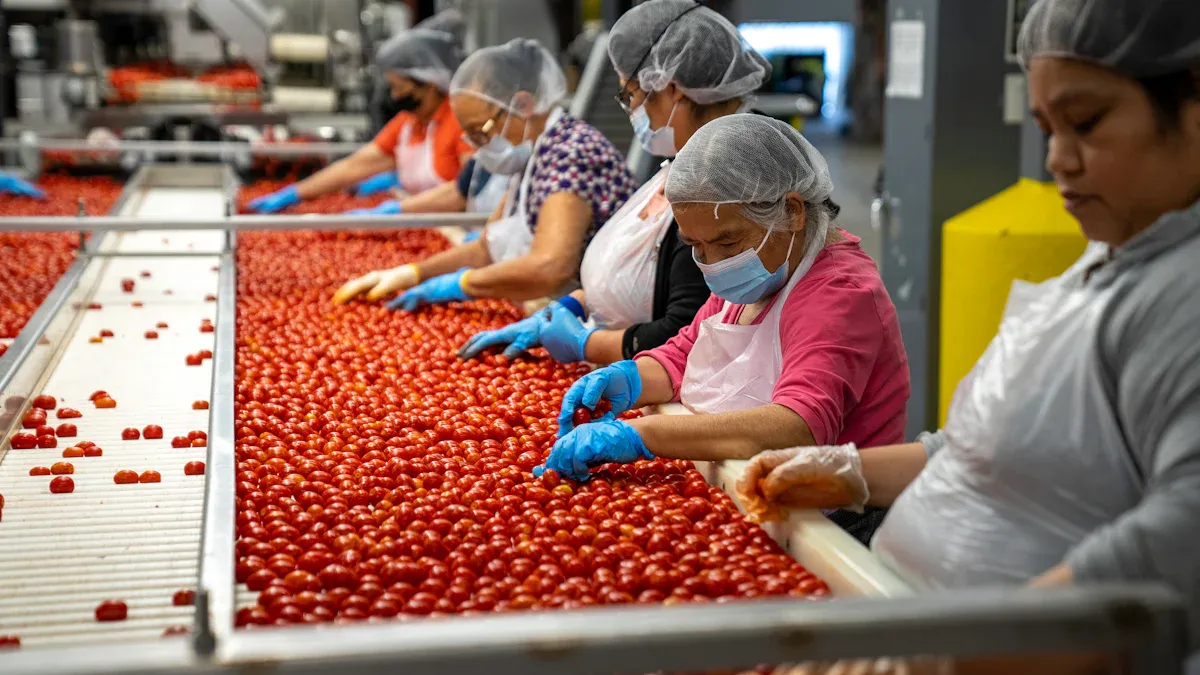
Initial Loading and Alignment
Operators load cherries onto the infeed system, where the machine gently aligns each fruit for optimal inspection. The conveyor belt moves cherries in single file, ensuring that every cherry receives equal exposure to the imaging systems. This precise alignment prevents overlap and maximizes the accuracy of subsequent assessments.
High-Speed Imaging and Quality Assessment
The cherry optical sorter uses advanced imaging technology to evaluate each cherry at high speed. The system employs:
- Color cameras for capturing surface color and uniformity.
- Infrared cameras to identify internal and external defects.
- Multiple image captures per fruit for comprehensive quality assessment.
These imaging tools work together to deliver a detailed profile of every cherry, supporting rapid and reliable sorting.
Defect Detection and Classification
Modern systems combine fluorescence imaging and multi-spectral analysis with deep learning algorithms. This approach enables the detection of subtle defects and diseases with accuracy rates exceeding 98%. The technology surpasses manual inspection by identifying issues such as anthracnose, cracks, and blemishes. Non-visible information further enhances detection, raising accuracy for certain defects from 86% to 94%.
Note: Deep learning models and multi-spectral imaging have transformed defect classification, making the process both faster and more precise.
Automated Sorting and Separation
After classification, the system sorts cherries by size and quality using automated mechanisms. The process includes:
- Specialized machines that grade cherries based on analyzed characteristics.
- Conveyor belts and cameras that direct cherries into designated areas.
- Machine vision and grading techniques, such as deep convolutional neural networks and support vector machines, which achieve accuracy rates up to 98.5%.
| Mechanism Type | Description | Accuracy Rate |
|---|---|---|
| Image Processing | Deep CNN classifies by size, ripeness, and defects. | 96%, 92%, 90% |
| Machine Vision | Electronic systems replace manual sorting for flexibility and repeatability. | N/A |
| Grading Techniques | ANN and SVM classify agricultural products. | 98.5%, 89.62% |
This automated process ensures that only cherries meeting strict quality standards move forward, while others are separated efficiently.
Cherry Optical Sorter: Benefits for Growers and Processors
Increased Efficiency and Throughput
Growers and processors demand speed and reliability during harvest. Automated sorting systems deliver rapid results, handling thousands of cherries per minute. Operators no longer rely on manual inspection, which often slows production and introduces inconsistencies. The technology ensures that every cherry receives the same level of scrutiny, regardless of volume. As a result, facilities can process larger harvests in less time, meeting tight market deadlines and maximizing output.
Consistent Quality and Reduced Waste
Uniform quality remains a top priority in the cherry industry. The cherry optical sorter uses advanced imaging and machine learning to identify and remove cherries that do not meet strict standards. This process guarantees that only the best fruit reaches consumers. The system also plays a crucial role in reducing waste by eliminating under-ripe, overripe, or defective berries before they enter the supply chain. The following table highlights how the technology optimizes berry utilization and minimizes post-harvest losses:
| Evidence Type | Description |
|---|---|
| Waste Reduction | The sorter removes under-ripe, overripe, or defective berries, thus optimizing high-quality berry utilization. |
| Post-Harvest Losses | It reduces losses by eliminating moldy or fermented cherries before further processing. |
By removing low-quality fruit early, processors avoid unnecessary transportation and storage costs. This approach also supports sustainability goals by minimizing food waste.
Cost Savings and Labor Reduction
Labor shortages and rising wages challenge many agricultural businesses. Automated sorting technology addresses these issues directly. The machines process cherries quickly and accurately, reducing the need for large sorting teams. This shift leads to significant cost savings and improved profitability. Farms that adopt this technology often see a boost in product quality standards, sometimes by as much as 30%. The following points summarize the impact on operational costs:
- Automated sorting technology reduces labor costs significantly, enhancing profitability for growers.
- The machines process cherries quickly and accurately, minimizing waste and maximizing harvest value.
- Farms using cherry sorting technology can see an increase in product quality standards by up to 30%, meeting consumer expectations and regulatory guidelines.
Operators can reassign workers to higher-value tasks, further increasing efficiency across the operation.
Enhanced Food Safety
Food safety regulations continue to evolve, demanding greater transparency and control. Automated systems provide detailed records of every batch, including images and quality data. This traceability helps processors respond quickly to recalls or quality concerns. The cherry optical sorter also removes cherries with visible mold or signs of fermentation, reducing the risk of contamination. By ensuring that only safe, high-quality fruit enters the market, growers and processors protect their brands and meet regulatory requirements.
Cherry Optical Sorter: Key Technical Features
Automation and Robotics
Modern cherry sorting systems rely on advanced automation and robotics to achieve high-speed, precise sorting. Robotic arms and automated conveyors move cherries through each stage of the process. These machines handle delicate fruit with care, reducing bruising and maintaining quality. Sensors and actuators work together to ensure accurate placement and separation, even at high throughput rates. Automation also allows facilities to operate longer hours with fewer interruptions.
Adaptability to Cherry Varieties
A cherry optical sorter must handle a wide range of cherry types and sizes. Manufacturers design these machines with adjustable chain or roller gaps, which allow for precise size grading. Operators can configure sensitivity parameters to match the unique characteristics of each cherry variety. This flexibility ensures that the sorter can process popular sweet cherry varieties efficiently. Adaptability remains essential for growers who need to switch between different crops during the season.
Integration with Packing Lines
Seamless integration with existing packing lines sets modern sorting systems apart. The sorter connects directly to upstream and downstream equipment, such as washing stations and packaging machines. This integration streamlines the workflow, reduces manual handling, and minimizes the risk of contamination. Facilities benefit from a unified system that increases productivity and maintains consistent quality standards.
User-Friendly Controls
Operators interact with intuitive software interfaces that simplify operation and maintenance. Many systems offer:
- User-friendly software available on Raynbow optical sorters
- User-friendly software available on Rayvolution optical sorters
These controls reduce training time and help operators monitor performance in real time. Easy-to-use dashboards and clear alerts enable quick adjustments, ensuring smooth operation throughout the sorting process.
Cherry Optical Sorter: Future Trends and Innovations
Smarter Algorithms and Predictive Analytics
Artificial intelligence continues to transform the cherry industry. Smarter algorithms now drive real-time quality assessments, allowing processors to maximize value and minimize losses. Predictive analytics uses non-destructive testing and advanced modeling to forecast shelf life based on initial quality. This technology enables stakeholders to make informed decisions about sorting and distribution. Early identification of defective batches ensures only premium cherries reach consumers. AI-powered systems deliver accurate and consistent grading, reducing waste and labor costs. Operators benefit from automated complex tasks, improved grading speed, and enhanced defect detection. These advancements guarantee that cherries meet customer requirements, regardless of batch variability.
Sustainability and Energy Efficiency
Sustainability remains a top priority for modern food processing. Manufacturers design new sorting systems to use less energy and minimize environmental impact. Energy-efficient motors and smart power management reduce operational costs. Many facilities now recycle water and use eco-friendly materials in machine construction. These efforts support global sustainability goals and help processors meet regulatory standards. Lower energy consumption also translates to long-term savings for growers and packers.
Expanding Applications
The cherry optical sorter continues to evolve beyond traditional uses. Processors now adapt this technology for other small fruits and specialty crops. Flexible software and modular hardware allow quick reconfiguration for different products. This adaptability increases the value of investment and supports year-round operation. As the technology matures, more industries will benefit from high-speed, precise sorting solutions.
The cherry optical sorter transforms cherry processing with unmatched speed and precision. Key industry takeaways include advancements in automation, a focus on sustainability, and growing demand for high-quality produce:
| Key Takeaway | Description |
|---|---|
| Advancements in Technology | Innovations in sorting technologies and automation are driving market growth. |
| Increased Demand for High-Quality Produce | Consumer preferences are pushing for better quality, influencing sorting technology adoption. |
| Focus on Sustainability and Efficiency | The industry is moving towards more sustainable and energy-efficient sorting solutions. |
| Concentration Areas | Europe and North America lead in adoption, while Asia-Pacific is rapidly growing. |
| Characteristics of Innovation | Innovations include robotic sorting, advanced defect detection, and cloud-based analytics. |
| Impact of Regulations | Stringent food safety regulations are promoting the use of sophisticated sorting technologies. |
| End User Concentration | Large-scale processors significantly influence market trends and technology adoption. |
| Level of M&A | Moderate mergers and acquisitions are shaping the industry landscape, with ongoing consolidation. |
Future advancements will bring AI integration, improved defect detection, and greater efficiency. Growers and processors gain efficiency, consistency, and cost savings as innovation continues.
FAQ
How fast can a cherry optical sorter process fruit?
A modern cherry optical sorter can process up to 30 cherries per second. This speed ensures high throughput during peak harvest periods.
What types of defects can the sorter detect?
The system identifies cracks, blemishes, mold, and ripeness issues. Deep learning algorithms improve detection accuracy for both visible and subtle defects.
Is it difficult to operate a cherry optical sorter?
Operators use intuitive touchscreens and clear dashboards. Most systems require minimal training, making operation straightforward for new staff.
See Also
Innovative Folder Gluer Trends for Carton Production in 2025
Exploring Capsule Sorters and Their Importance in Defect Elimination
Insights from Computer Chips on Designers' Creative Processes
Comparing Leading Manufacturers of Ampoule Filling Production Lines
Is Investing in Automated Virus Sampling Tube Assembly Worth It?