Simple Steps to Extend the Life of Your Cheese X-Ray Inspection System
Consistent maintenance ensures the cheese x-ray machine operates efficiently. Technicians who perform regular care see fewer breakdowns and longer equipment life. These simple steps require no advanced technical skills. Operators and supervisors can easily manage daily tasks. Routine attention protects the system and supports reliable production.
Cheese X-Ray Machine Hygiene
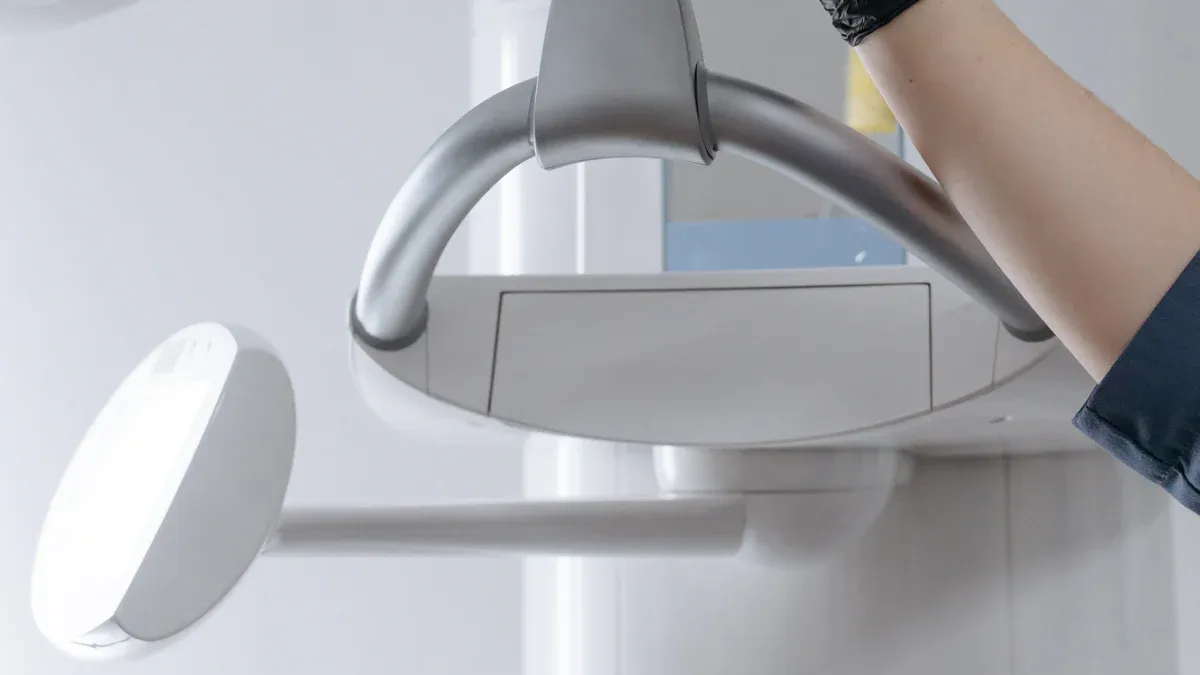
Cleaning the Exterior
Operators should clean the exterior of the cheese x-ray machine daily. Dust, cheese particles, and moisture can accumulate on the outer surfaces. These contaminants may lead to corrosion or interfere with machine sensors. Use a soft, damp cloth and a mild, food-safe detergent. Avoid abrasive materials that could scratch the stainless steel finish. Always wipe in the direction of the grain to maintain the surface integrity. Regular exterior cleaning preserves the professional appearance of the equipment and supports a hygienic production environment.
Sanitizing Contact Surfaces
Sanitizing all contact surfaces is essential for food safety and compliance. The cheese x-ray machine follows 3-A Sanitary Standard 75-01, which ensures the construction supports easy cleaning. The system meets IP69 ingress protection, allowing for thorough sanitation without damaging sensitive components. Operators can quickly disassemble the machine, which minimizes downtime and maximizes production. The open conveyor design and sloped surfaces prevent water and debris from collecting. All exposed stainless steel parts feature a 32μin Ra surface finish, meeting dairy industry requirements for cleanliness.
Tip:
Always use approved sanitizers and follow the manufacturer's recommended procedures. This practice helps maintain compliance and extends the life of the equipment.
Key points for sanitizing contact surfaces:
- Disassemble machine parts as needed for access.
- Clean and sanitize all areas that touch cheese products.
- Inspect for residue or buildup before reassembly.
- Allow surfaces to air dry or use clean towels.
Preventing Product Build-Up
Product build-up can cause operational issues and compromise food safety. Cheese fragments, oils, and moisture may accumulate in hard-to-reach areas. The cheese x-ray machine features sloped and open surfaces to reduce these risks. Operators should inspect the machine after each production run. Remove any visible debris immediately. Use brushes or compressed air for tight spaces. Consistent removal of product build-up ensures accurate inspection results and prevents contamination.
Keeping the X-Ray Tube Enclosure Dust-Free
Dust inside the x-ray tube enclosure can affect image quality and machine performance. The enclosure protects sensitive components, but airborne particles may still enter during operation or cleaning. Technicians should check the enclosure weekly. Use a lint-free cloth or vacuum with a HEPA filter to remove dust. Avoid using water or liquid cleaners near electrical parts. Keeping the x-ray tube enclosure dust-free helps maintain optimal inspection accuracy and extends the lifespan of the cheese x-ray machine.
Regular Checks for Cheese X-Ray Machine

Inspecting Belts and Conveyors
Technicians should inspect belts and conveyors on a routine basis. These components move cheese through the inspection area. Worn or misaligned belts can cause jams or uneven product flow. Guide rail jams often slow production and may require electrical troubleshooting. Operators should look for cracks, fraying, or debris on the belts. They should also check for proper tension and alignment. Quick action prevents unexpected downtime and maintains consistent inspection quality.
Checking for Loose Parts
Loose parts can create serious safety and operational risks. A loose lid or missing lid exposes sensitive components and increases contamination risk. Dents in the machine may signal previous impacts or ongoing mechanical issues. Operators should check all fasteners, covers, and panels during each shift. They should tighten or replace any loose or missing items immediately.
Potential consequences of operating with loose parts include:
- Loose lid
- Missing lid
- Dents
Regular attention to these details protects both the cheese x-ray machine and the product.
Monitoring X-Ray Tube and Detector
The x-ray tube and detector serve as the heart of the inspection system. Operators should monitor these parts for signs of wear or malfunction. Unusual noises, overheating, or error messages may indicate problems. Hardware or software malfunctions can cause the machine to fail to start, restart unexpectedly, or misorient products. Early detection allows for prompt repairs and reduces the risk of extended downtime.
Testing and Realigning X-Ray Beams
Accurate x-ray beam alignment ensures clear images and reliable detection. Image distortion or blurring often results from misaligned beams or scattering x-rays. Technicians should test the beam alignment regularly. They can adjust the beam width to correct blurry images. Proper alignment supports precise inspection and reduces the chance of missing foreign objects.
| Issue Type | Description |
|---|---|
| Image Distortion or Blurring | Blurry images can indicate scattering x-rays, which can be fixed by adjusting the beam width. |
| Guide Rail Jams | Jams can cause production slowdowns; electrical shorts may require technician intervention. |
| Hardware and Software Malfunctions | Issues may include failure to start, automatic restarts, or incorrect product orientation. |
Checking Radiation Exposure Time and Kilovoltage Peak
Operators should check the radiation exposure time and kilovoltage peak (kVp) settings regularly. These parameters affect both image quality and equipment longevity. Incorrect settings may lead to poor inspection results or unnecessary wear on the x-ray tube. Technicians should compare current settings to manufacturer recommendations. Adjustments help maintain optimal performance and extend the life of the cheese x-ray machine.
Tip:
Schedule these checks as part of a daily or weekly routine. Consistent monitoring prevents small issues from becoming major problems.
Consistency in Cheese X-Ray Machine Maintenance
Creating a Maintenance Schedule (Daily, Weekly, Monthly, Quarterly, Annual)
A structured maintenance schedule helps teams manage tasks efficiently. Operators should divide maintenance into daily, weekly, monthly, quarterly, and annual routines. Daily checks include cleaning surfaces and inspecting belts. Weekly routines involve dust removal from enclosures and checking for loose parts. Monthly tasks focus on deeper inspections, such as verifying x-ray tube performance. Quarterly and annual actions require more detailed reviews, including calibration and professional servicing. A clear schedule ensures no step gets overlooked.
Tip:
Post the maintenance schedule near the cheese x-ray machine. This visual reminder keeps everyone accountable.
Logging Inspections and Actions
Accurate records support consistent maintenance. Teams should log every inspection and action in a maintenance logbook or digital system. Each entry must include the date, task performed, and the name of the technician. This practice creates a clear history of care and helps identify recurring issues. Supervisors can review logs to ensure compliance and spot trends that may require attention.
Sample Maintenance Log Table:
| Date | Task | Technician | Notes |
|---|---|---|---|
| 2024-06-01 | Cleaned exterior | J. Smith | No issues found |
| 2024-06-02 | Checked belts | L. Nguyen | Minor wear |
Training Staff on Routine Tasks
Proper training ensures every team member understands their responsibilities. Supervisors should provide hands-on instruction for cleaning, inspection, and basic troubleshooting. Refresher sessions help reinforce best practices. When staff know how to maintain the cheese x-ray machine, they prevent mistakes and extend equipment life. Well-trained teams contribute to a safer and more efficient production environment.
Warranties and Parts for Cheese X-Ray Machine
Using Manufacturer Support
Manufacturers offer valuable resources for maintaining inspection systems. They provide technical support, troubleshooting guides, and warranty coverage. Teams can contact manufacturer representatives for advice on repairs or replacement parts. This support network helps operators resolve issues quickly and maintain compliance with industry standards.
Replacing Worn Components Early
Early replacement of worn components prevents unexpected breakdowns. Operators should monitor parts that experience frequent use, such as belts, seals, and sensors. Replacing these items before failure reduces downtime and protects product quality. Proactive maintenance extends the lifespan of the equipment and supports continuous production.
Keeping Spare Parts on Hand
A reliable supply of spare parts ensures the cheese x-ray machine operates without interruption. High-quality food x-ray machines require regular maintenance and immediate access to replacement parts. Stockable kits for critical components, such as belts, sensors, and fuses, minimize downtime when parts wear or fail. A robust support network, including spare parts and service, keeps the inspection system running smoothly.
Tip:
Store spare parts in a clean, organized area near the machine for quick access during maintenance.
Scheduling Annual Professional Service
Annual professional service provides a thorough inspection and tune-up. Certified technicians check all major components, update software, and verify safety features. This service identifies hidden issues and ensures the system meets regulatory requirements. Scheduling yearly visits from qualified professionals supports long-term reliability.
Calibrating the X-Ray System
Calibration is essential for accurate detection and food safety. Teams should calibrate the system every year to ensure the detector functions properly. Calibration should also occur for each new product, allowing the system to learn product characteristics and set detection limits. Regular calibration helps the system detect contaminants effectively and prevents unsafe products from reaching consumers.
Regular cleaning and inspection keep cheese x-ray machines reliable. Consistent maintenance extends equipment life. Manufacturer resources provide valuable support.
“These predictive maintenance techniques enable us to identify potential issues early, allowing for timely maintenance and reducing the risk of unexpected failures,” says Colyer.
- Reduces downtime and production losses through early detection of potential failures.
Start with one simple action today to protect your investment.
FAQ
How often should operators clean the cheese x-ray machine?
Operators should clean the machine daily. Regular cleaning prevents contamination and supports consistent inspection results.
What spare parts should teams keep on hand?
Teams should keep belts, sensors, and fuses available. Quick access to these parts reduces downtime and maintains production flow.
Does calibration require a professional technician?
A professional technician should perform annual calibration. Operators can handle product-specific calibration with manufacturer guidance.
See Also
Top Locations for Purchasing X-Ray Inspection Machines in China
Is It Worth Investing in Automated Virus Sampling Tube Lines?
Enhancing Pharmaceutical Efficiency with Modern Capsule Decapsulation Machines
Three Essential Industrial Checkweighers for Food Processing Plants
Simple Maintenance Tips to Avoid Dumbwaiter Elevator Failures