Beyond the Cooler Budget-Friendly Water Dispenser Alternatives
A water delivery service can drain your budget.
- Monthly costs often range from $30 to $50.
You can find a great cheap water dispenser alternative. Consider water filter pitchers, faucet filters, or countertop systems. These options save you money and eliminate heavy jug refills. Your best choice depends on your needs for cost and convenience.
Key Takeaways
- Water filter pitchers are cheap and portable. They are good for students or small homes.
- Faucet filters give you clean water fast. They are good for renters and busy kitchens.
- Countertop and under-sink systems clean water the best. They remove many bad things from water.
Water Filter Pitchers: The Ultra-Affordable Choice
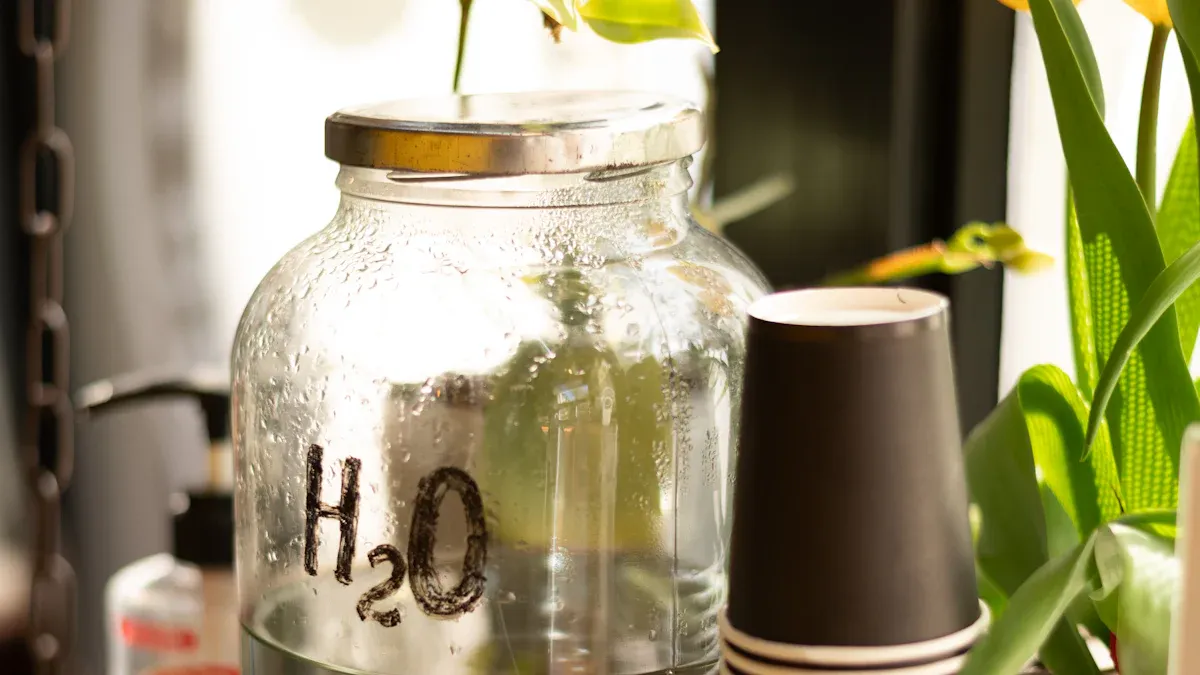
Water filter pitchers are the most popular and accessible entry point for better-tasting water at home. You can find them in almost any major retail store. They offer a simple solution without any complex setup.
How They Work and What They Filter
Using a pitcher is straightforward. You pour tap water into the top reservoir. Gravity then pulls the water through a filter cartridge and into the main basin. Most filters use activated carbon, a material that attracts and traps contaminants. This process is very effective at removing substances that affect how your water tastes and smells.
Many pitchers are certified to significantly improve your water quality.
What can a certified pitcher filter? 💧
- Chlorine (for better taste and odor)
- Lead
- Microplastics
- Chemicals like PFOA and PFOS
Who Are They Best For?
You might find a water filter pitcher is perfect for your situation. They are an excellent choice for:
- Students in dorms
- Renters who cannot make permanent changes
- Individuals or small households with lower water consumption
- Anyone wanting a portable option
Pitchers require no installation and take up minimal space. You can easily move one from the counter to the fridge for chilled, filtered water.
Breaking Down the Cost
Pitchers are very light on your wallet upfront. You can find many popular models with an initial cost between $39 and $55. Your main long-term expense will be the replacement filters. Most filters need changing every two months or after filtering about 40 gallons of water. This recurring cost is still far less than a water delivery service.
Faucet-Mounted Filters: Convenience on Tap
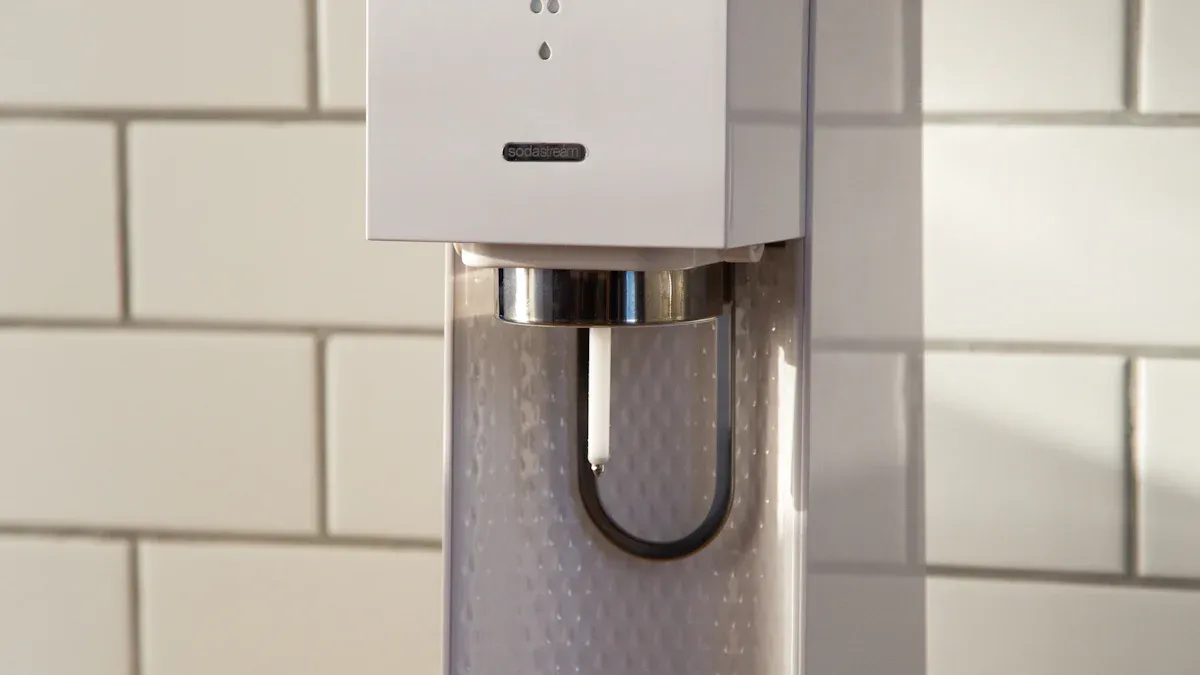
If you want filtered water without the wait, a faucet-mounted filter is an excellent solution. These compact devices attach directly to your kitchen faucet. You get clean water instantly with the flip of a switch, making them a top choice for on-demand use. Installation is simple and requires no special tools.
How They Work and What They Filter
A faucet filter screws onto the end of your existing faucet. A small lever on the side of the unit lets you switch between a filtered stream and a regular, unfiltered stream. When you select the filtered option, tap water is diverted through an internal cartridge. This cartridge often contains activated carbon and other media to capture impurities.
What can a certified faucet filter reduce? 🚰
- Toxic metals like lead and mercury
- Volatile organic compounds (VOCs)
- Microplastics
- Many pesticides
- Emerging compounds such as BPA and DEET
Who Are They Best For?
You will appreciate a faucet filter if you value immediate access to clean water. They are ideal for:
- Renters who need a non-permanent upgrade.
- Households that use filtered water for both drinking and cooking.
- People with limited counter or fridge space.
- Anyone who dislikes waiting for a pitcher to filter.
Breaking Down the Cost
The initial investment for a faucet-mounted filter is very reasonable. You can find most units priced between $28 and $45. The ongoing cost comes from filter replacements. You typically need to replace the filter cartridge every three months or after filtering about 100 gallons. This provides a steady supply of clean water for a fraction of the cost of a water cooler service.
Countertop Filtration Systems: Power Without Plumbing
You can get powerful water filtration without calling a plumber. Countertop systems sit right on your counter and deliver purified water from a dedicated tap. These units offer a significant upgrade in filtration power compared to pitchers and faucet mounts. They are an excellent middle-ground solution.
How They Work and What They Filter
Most countertop systems have two containers. You fill the top chamber with tap water. Gravity pulls the water through advanced filter elements into a lower storage tank. Some high-end systems use powerful technologies for maximum purification.
Advanced Countertop Filtration Methods 🔬
- Reverse Osmosis (RO): This process uses a special membrane to remove up to 99% of dissolved solids. It targets fluoride, heavy metals, and salts.
- Ultraviolet (UV) Purification: Some units, like the iSpring RCD100, use a UV light to neutralize 99.99% of bacteria and viruses.
These systems can remove an impressive list of contaminants. The Epic Pure Dispenser, for example, is certified to reduce many harmful substances.
| Contaminant | Removal Percentage |
|---|---|
| Fluoride | 97.8% |
| Forever Chemicals (PFAS) | 99.6% |
| Lead | 99.94% |
| Microplastics | 99.62% |
| Pesticides | Up to 99.9% |
Who Are They Best For?
A countertop system is a great fit if you need more filtration power. You may find this is your best option if you are:
- A renter who cannot install a permanent system.
- Concerned about specific contaminants like fluoride or lead.
- Looking to reduce plastic waste from bottled water.
- Needing a practical solution for daily drinking and cooking water.
Breaking Down the Cost
You should expect a higher initial cost for a countertop system, typically ranging from $60 to over $200. The price depends on the filtration technology. While the upfront investment is more, the long-term value is excellent. The filters last much longer than pitcher or faucet filters, providing superior water quality for a reasonable ongoing cost.
Under-Sink Filters: The Hidden Powerhouse
You can get powerful, on-demand filtered water without sacrificing counter space. Under-sink filters are a permanent solution that connects directly to your plumbing. They stay completely out of sight, providing clean water from a dedicated faucet right at your sink.
How They Work and What They Filter
These systems tap into your cold-water line to filter water before it ever reaches the faucet. The installation is a manageable DIY project for many homeowners.
How an Under-Sink Filter is Installed 🛠️
- You mount a new, dedicated faucet through an opening in your sink.
- You attach the filter unit to the cabinet wall under the sink.
- You connect tubing from the filter's "OUT" port to the new faucet.
- You connect the filter's "IN" port to your cold-water supply line using a T-fitting.
Under-sink systems offer some of the most advanced filtration available. Many use multi-stage filters, including reverse osmosis (RO) membranes, to remove a vast range of contaminants like lead, fluoride, chlorine, and dissolved solids.
Who Are They Best For?
An under-sink filter is an excellent choice if you own your home and want a seamless, integrated system. You will benefit most if you value:
- A space-saving design. The entire system is hidden, keeping your countertops clear.
- Low maintenance. You only need to replace filters every 6 to 12 months. RO membranes can last up to two years.
- A discreet solution. The system works silently behind the scenes without cluttering your kitchen.
Breaking Down the Cost
The initial cost for an under-sink system ranges from $100 for a basic carbon filter to over $1,000 for a high-end reverse osmosis unit. Professional installation may add $100 to $300. While the upfront cost is higher than other alternatives, the long-term value is significant. The filters last longer and provide superior purification, making it a cost-effective choice over time.
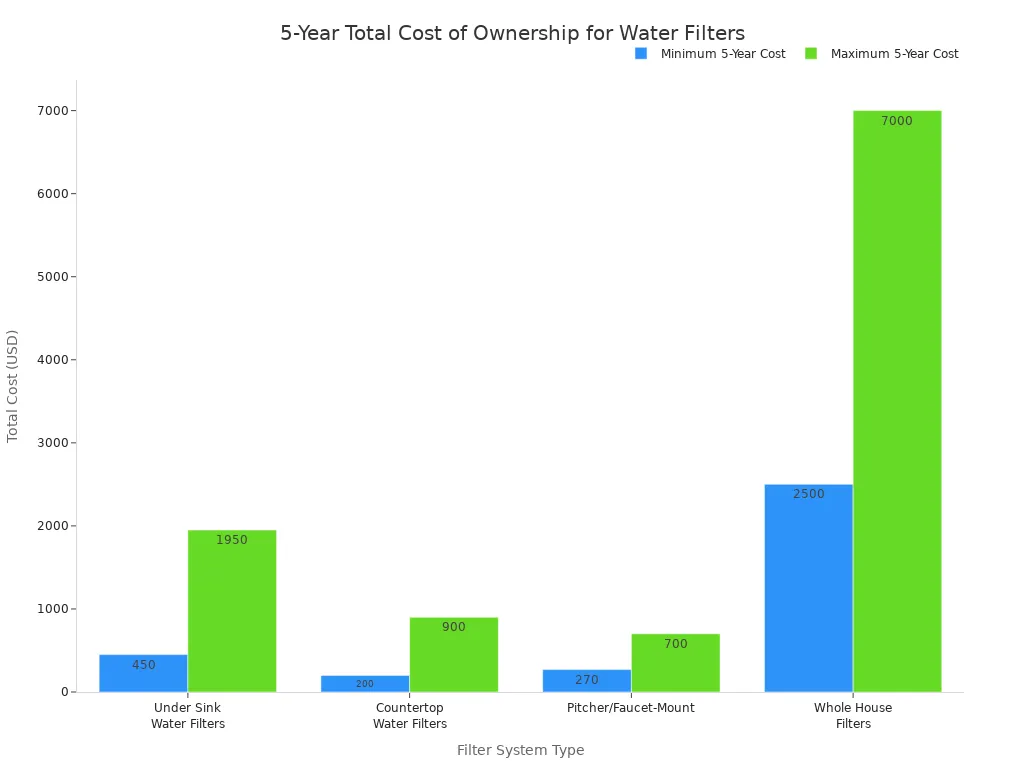
Finding a Cheap Water Dispenser Alternative: A Quick Comparison
Choosing the right system can feel tricky. You need to balance cost, convenience, and filtration power. This quick comparison will help you find the best cheap water dispenser alternative for your home.
Comparing Initial and Long-Term Costs
Your budget involves more than just the initial price. You must also consider the long-term cost of replacement filters. A cheap water dispenser option like a pitcher has a low upfront cost, but its filters need frequent changes. Under-sink systems cost more initially, but their filters last much longer, which can save you money over time.
| Filter Type | Typical Filter Lifespan |
|---|---|
| Water Pitcher | Every 2 months |
| Faucet Filter | Every 2-3 months |
| Countertop System | Every 3-6 months |
| Under-Sink System | Every 6-12 months |
Rating Day-to-Day Convenience
Convenience is about how easily you can get filtered water.
- Faucet and Under-Sink Filters: You get instant access to clean water right from the tap. There is no waiting.
- Pitcher and Countertop Filters: You must wait for gravity to pull water through the filter. This can take several minutes.
If you dislike waiting, a faucet-mounted filter is a great cheap water dispenser solution.
Understanding Filtration Levels
Not all filters remove the same things. For basic taste improvement, most options work well. For specific health concerns, you should look for official certifications.
Key Certifications to Look For 🛡️ Check the product box for NSF/ANSI 53 for lead reduction or NSF/ANSI 401 for emerging contaminants like pesticides. These standards guarantee the filter performs as advertised.
Portability and Space Savings
Your living situation matters when selecting a cheap water dispenser alternative. Pitchers and countertop units are perfect for renters. You can take them with you when you move, and they require no installation. Under-sink systems are hidden and save counter space, but they are a more permanent choice best suited for homeowners.
You can now find the best cheap water dispenser alternative for your home. Your ideal choice matches your budget and lifestyle.
- Pitchers offer portability and low cost.
- Faucet filters provide instant convenience.
- Countertop and under-sink systems deliver the most powerful filtration.
You can confidently select a solution for clean, great-tasting water.
FAQ
What is the cheapest water dispenser alternative?
Water filter pitchers are your most budget-friendly choice. You can find many models for under $55. They offer a very low initial cost for clean, great-tasting water.
Do you need NSF-certified filters?
Yes, you should choose NSF-certified filters. This certification guarantees the filter removes the specific contaminants listed on its packaging. It ensures your water is safe and clean.
Are these filters better than bottled water?
Yes, these filter options are better for your budget and the planet. You will save money over time. You also significantly reduce plastic waste from single-use bottles.