Chic and Cool A Ceramic Water Dispenser with Stand Review
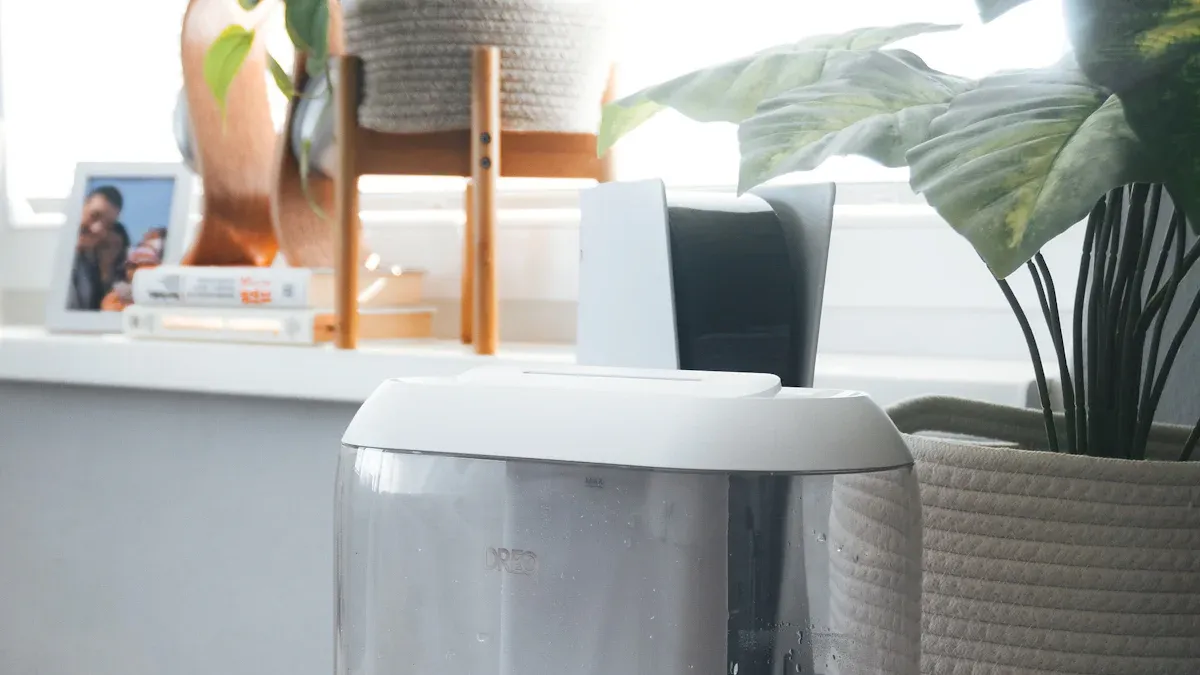
A ceramic water dispenser with stand can be an excellent choice for your home. You might prioritize aesthetics, better-tasting water, and less plastic use. Many people value appliances that blend with their home decor. This dispenser meets that need perfectly. However, it is not the right fit for every household. The ceramic material is fragile and requires more maintenance compared to other options.
Key Takeaways
- Ceramic water dispensers offer style and keep water cool naturally. They help reduce plastic waste.
- These dispensers need regular cleaning to prevent mold. They are fragile and can break easily.
- Refilling involves lifting heavy water jugs. The spigot may leak over time.
The Upside: Why You'll Love a Ceramic Dispenser
You may wonder what makes a ceramic water dispenser a great addition to your home. These dispensers offer a unique combination of beauty, function, and sustainability. Let's explore the key benefits you will enjoy.
Pro 1: Unmatched Style and Aesthetics
A ceramic water dispenser with stand elevates your home's decor. It moves beyond a simple appliance and becomes a statement piece. You can find them in various colors, patterns, and finishes. This allows you to match your dispenser to your kitchen, dining room, or office style. The smooth, glossy surface of the ceramic adds a touch of elegance that plastic or metal dispensers cannot replicate. It transforms a daily necessity into a beautiful object.
Design Tip: Place your dispenser in a well-lit area where it can serve as a functional art piece. Choose a color that complements your existing decor for a cohesive look.
Pro 2: Naturally Cool and Pure-Tasting Water
You will notice a significant improvement in your water's taste and temperature. Ceramic material has natural properties that benefit your drinking water in two main ways.
First, the porous ceramic keeps your water refreshingly cool without electricity. The material's tiny pores absorb a small amount of water. This moisture then evaporates from the outer surface. The process of evaporation naturally lowers the temperature of the ceramic, which in turn cools the water inside. It is a simple, effective, and silent cooling system.
Second, ceramic preserves the pure taste of water. The material is inert, meaning it does not react with the water it holds. This ensures you get a clean, crisp taste every time.
- Modern ceramic is lead-free and cadmium-free, so no harmful materials will leach into your drink.
- You will not experience the metallic aftertaste that sometimes comes from metal bottles.
- It avoids the chemical taste that plastic containers can impart over time. Some research also shows that storing water in clay or ceramic pots can reduce cloudiness, which may improve the water's taste and smell.
Pro 3: An Eco-Friendly, Plastic-Free Choice
You can reduce your environmental footprint with a ceramic dispenser. This choice helps you move away from single-use plastic water bottles. By refilling your dispenser with filtered tap water or from large, returnable jugs, you significantly cut down on plastic waste. Ceramic is a natural, durable material made from clay. It offers a long-lasting alternative to plastic dispensers that can degrade and end up in landfills. Choosing a ceramic water dispenser with stand is a small change that supports a more sustainable lifestyle.
Pro 4: Simple Setup and Use
You will find that setting up and using your ceramic dispenser is incredibly straightforward. There are no wires, plugs, or complicated electronics to manage. You simply place the ceramic crock on its stand, fill it with water, and place the lid on top. The spigot provides a reliable, gravity-fed flow of water. Dispensing water is as easy as pushing a lever or turning a knob. This simplicity makes it a user-friendly option for everyone in your household.
The Downside: What to Consider Before Buying
While a ceramic dispenser offers many benefits, you should also understand its potential drawbacks. This appliance is a commitment to a certain lifestyle. You need to be aware of the maintenance and care it requires before you make a purchase.
Con 1: Requires Regular Cleaning
You must clean your dispenser regularly to keep your water safe and fresh. The moist, dark environment inside the crock can become a breeding ground for mold, mildew, and bacteria if you neglect it. Unlike sealed systems, the open design requires your attention.
Cleaning frequency can vary, but you should establish a consistent routine. Here are some common schedules users follow:
- Some people wash the crock with hot, soapy water once a month.
- Others prefer to clean their dispenser twice a month to be safe.
- Using a food-safe wipe monthly can also work, especially with highly purified water.
For a more structured approach to prevent any buildup, you can follow a detailed cleaning plan.
- Weekly: You should wipe down the spigot and all outer surfaces with a food-safe sanitizing wipe.
- Monthly: You need to drain all the water from the dispenser. Then, you should flush it with fresh water before refilling.
- Quarterly: You might consider a deep sanitization. This full cleaning removes mineral deposits and ensures no microbial growth, especially in high-use areas.
Con 2: It's Fragile and Can Break
You need to handle your dispenser with care because the ceramic material is fragile. Unlike durable plastic or metal, ceramic can chip, crack, or shatter if you bump or drop it. A small impact against a countertop can cause a hairline crack. A more significant fall could destroy the dispenser completely. This fragility extends to the stand as well, which must be placed on a stable, level surface. If you have active children or pets, or if you plan to move the dispenser often, you must consider the risk of accidental damage.
Con 3: Limited Capacity and Manual Refills
You will need to refill your dispenser by hand, which requires time and effort. Ceramic crocks typically hold between 2 and 5 gallons of water.
- A 2-gallon model is often enough for one or two people.
- A family of three to five people will likely need a larger 3 to 5-gallon model to avoid constant refilling.
The biggest challenge is refilling the dispenser with large water jugs. A standard 5-gallon water bottle weighs about 40 pounds. Lifting this heavy and awkward bottle can be difficult. You risk muscle strain and back injury if you do not lift correctly. The process can also be stressful, as you must maneuver the heavy jug into place without spilling water or dropping it. If lifting 40 pounds is a concern, you might have to use smaller, 3-gallon bottles, which means you will be refilling more often.
Con 4: Potential for Spigot Leaks
You may eventually experience a leak from the spigot. The spigot, or tap, is the most common point of failure on a ceramic water dispenser with stand. Over time, the washers and seals that keep it watertight can wear out, leading to slow drips or a steady leak. A puddle on your floor is not only messy but can also cause water damage if you do not notice it quickly.
Quick Fix Tip: You can often fix a leaky spigot yourself. A common and effective DIY solution involves using standard garden hose washers. Place one washer on the inside of the crock and another on the outside before tightening the spigot. This creates a strong seal and is a cheap, easy way to stop a leak.
Key Features of a Ceramic Water Dispenser with Stand
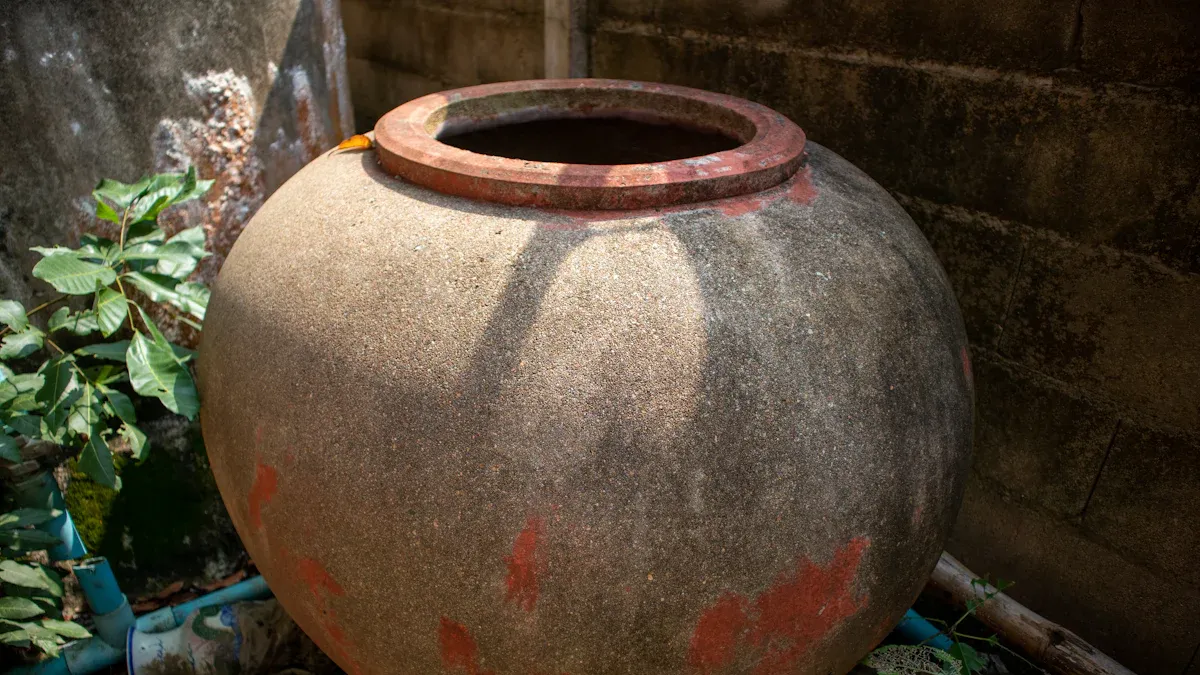
You will find that a ceramic water dispenser with stand offers several unique features. These characteristics set it apart from other water coolers and contribute to its appeal. Understanding these key features helps you appreciate its simple yet effective design.
No Electricity Needed
You can place your dispenser anywhere in your home without worrying about outlets. It operates entirely off-grid. This feature saves you money on your energy bill. It also makes the dispenser a reliable source of water during a power outage. Its portability allows you to easily move it from the kitchen to a patio for outdoor gatherings.
Natural Cooling Properties
You get naturally cool water thanks to the ceramic material. The clay is porous, which allows a tiny amount of water to evaporate from the outer surface. This process of evaporation cools the crock and the water inside. It is a silent, natural, and continuous cooling system that keeps your water refreshingly cool 24/7.
Preserves Water Purity
You can trust that your water will taste pure and clean. High-quality ceramic is made from safe, inert materials.
- Advanced ceramics may use Alumina and Zirconia for their stable, porous structure.
- Simpler filters use a base of clay, with materials like sawdust creating pores during firing.
- Some filters add colloidal silver, which acts as a natural disinfectant to kill bacteria.
Safety First! 🛡️ Always check that the product you choose has safety certifications. You should look for labels that explicitly state the dispenser is 'Certified Lead-Free' to ensure the glaze is non-toxic.
Reliable Water Flow
You can expect a consistent and easy-to-use water flow. The spigot, operated by gravity, provides water on demand. Manufacturers often use two main types of materials for spigots. Stainless steel spigots offer superior durability and are great for heavy use. Plastic spigots are a more affordable option that works well for lighter, everyday use, providing a steady flow without leaks.
The Verdict: Who Is This Dispenser For?
Deciding on a water dispenser is a personal choice. This appliance is a great fit for some lifestyles but not for others. You should weigh the pros and cons to see if it matches your daily needs and home environment.
It's Perfect For You If...
You will likely love a ceramic water dispenser with stand if you identify with these points. It is an ideal choice for your home if:
- You prioritize aesthetics. You want a beautiful appliance that complements your decor and adds a touch of elegance.
- You are a water purist. You seek clean, chemical-free water and dislike the plastic taste from other containers.
- You live an eco-friendly lifestyle. You are committed to reducing plastic waste and prefer sustainable, long-lasting products.
- You appreciate simplicity. You want a portable, off-grid solution that provides naturally cool water without using electricity.
This dispenser is for the person who sees beauty in function and values health and sustainability. It turns the simple act of drinking water into a pleasant experience.
You Might Want to Skip It If...
On the other hand, this dispenser may not be the right fit for you. You should probably consider other options if:
- You have a high-traffic home. The fragile ceramic material is a risk in households with active children or pets. You might prefer a more durable model with a flat, heavy base for stability.
- You want low-maintenance appliances. You cannot commit to the required weekly and monthly cleaning schedule.
- You struggle with heavy lifting. Refilling the dispenser with a 40-pound water jug is a physical challenge for you.
- You need to see the water level. The opaque ceramic means you cannot quickly check how much water is left.
A ceramic water dispenser offers a great blend of style and function. You trade durability and convenience for superior taste and a beautiful design. If you value aesthetics and sustainability, this is a worthwhile investment for your home. You can find many crock styles in an affordable price range.
- Blue Stripe Crock: $39.99 – $74.99
- White Ceramic Crock: $39.99 – $74.99
- Sunflower Crock: $39.99 – $74.99
Note: Remember that the stand is often sold separately.
FAQ
Can you put hot water in a ceramic dispenser?
No, you should not use hot water. The extreme temperature change can cause thermal shock, which may crack the ceramic. It is designed for cool water only.
Where can you find a replacement spigot?
You can find replacement spigots online or at hardware stores. Look for food-grade stainless steel or BPA-free plastic models that fit the dispenser's opening.
Does the stand come with the dispenser?
The stand is often sold separately. You should always check the product description before you buy to confirm what is included with your purchase.
Pro Tip 💡 Measure the diameter of the spigot hole on your crock before buying a replacement. This ensures you get a perfect, leak-free fit.