CAT320D Used Excavator A Smart Investment or a Risky Bet?
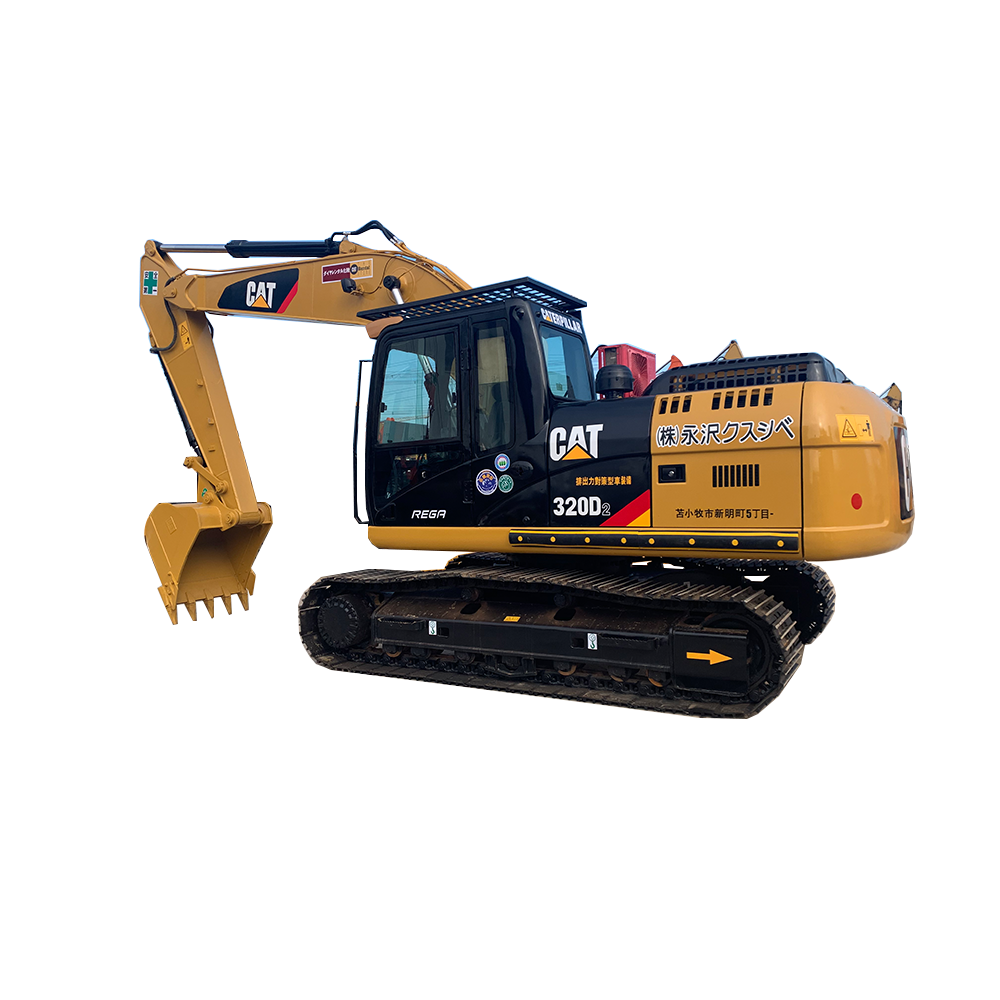
A used CAT 320D presents a smart investment, offering proven power for a significantly lower upfront cost than new models. However, it becomes a risky bet when a buyer overlooks signs of poor maintenance.
Note: For all used excavators, a diligent pre-purchase inspection is the crucial step that separates a valuable asset from a financial liability.
The "Smart Investment": Key Advantages of the CAT 320D
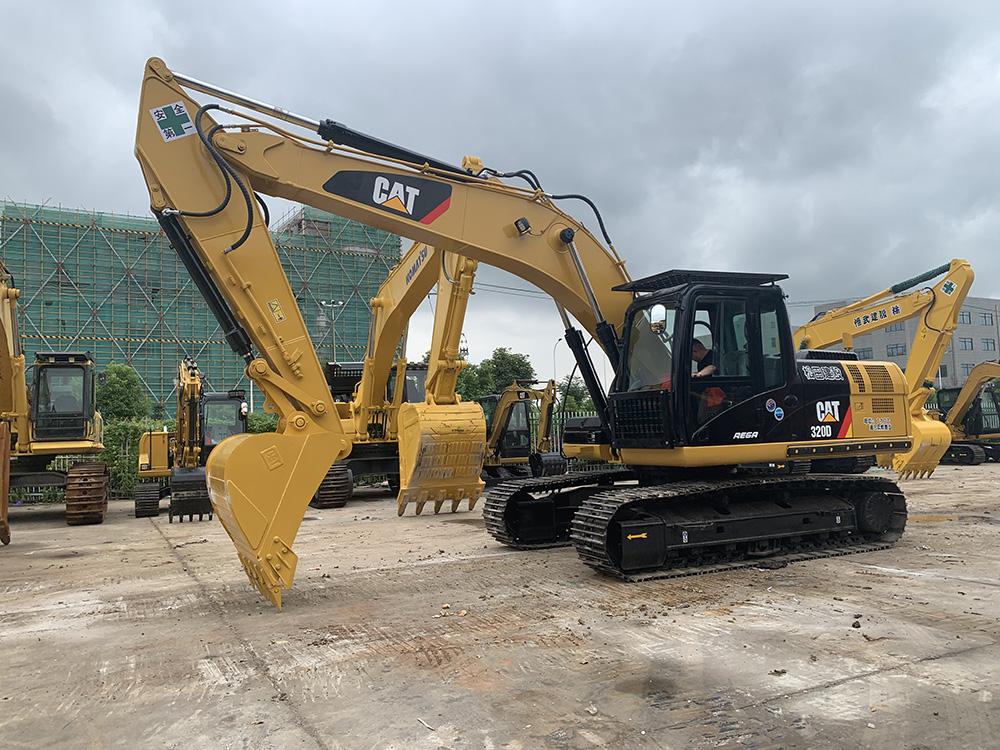
Opting for a used CAT 320D can be a strategic financial decision for many businesses. The model presents a compelling case by balancing proven performance with a significantly lower cost of entry. This section explores the primary advantages that make the 320D a smart investment for the right buyer.
Significant Upfront Cost Savings
The most immediate benefit of choosing a used CAT 320D is the substantial reduction in initial capital outlay. New heavy equipment represents a major expense, and purchasing used allows businesses to allocate funds to other critical areas. The price of a used 320D varies based on its age, condition, and operating hours, but the savings are consistently significant. For example, many available units are priced between $15,000 and $25,000.
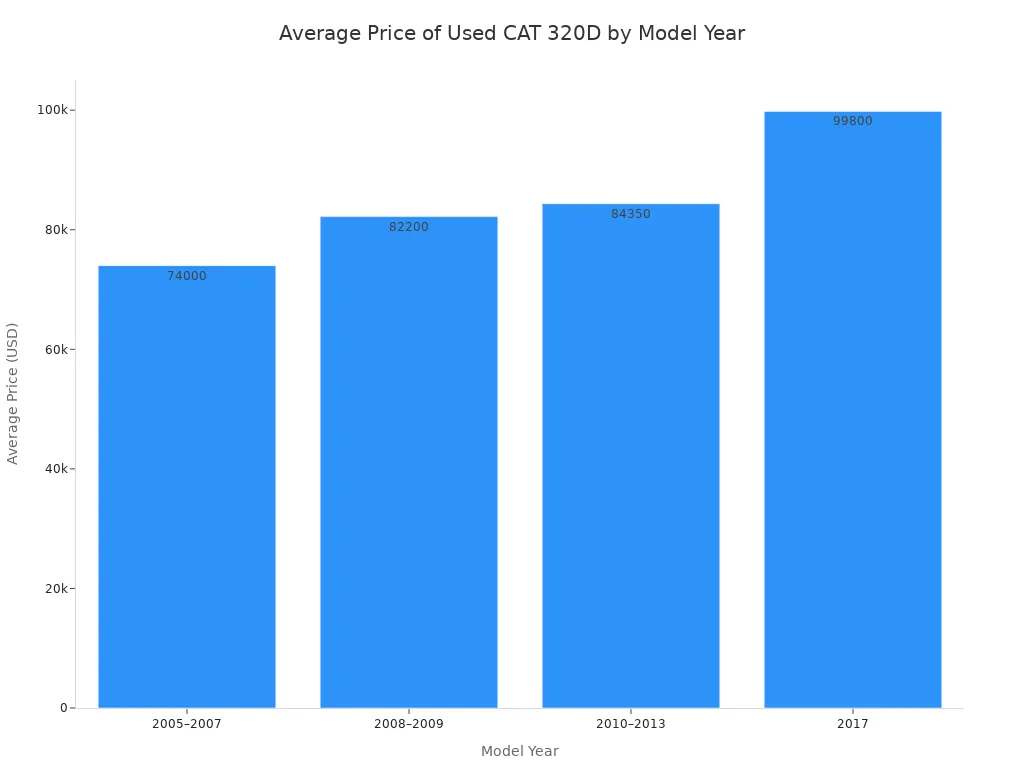
The model year directly influences the price, as demonstrated by market data.
| Model Year | Price Range (USD) |
|---|---|
| 2005–2007 | $69,000–$79,000 |
| 2008–2009 | ~$79,500–$84,900 |
| 2010–2013 | ~$78,900–$89,800 |
| 2017 | Nearly $99,800 |
Operating hours also play a crucial role in valuation. A machine with over 10,000 hours might be $20,000–$40,000 cheaper than a new unit, offering an accessible entry point for buyers with limited budgets.
Proven C6.6 ACERT Engine Reliability
At the core of the CAT 320D is the formidable Cat C6.6 ACERT™ engine. This power plant earned its reputation for rugged reliability and consistent performance under demanding conditions. Caterpillar engineered the ACERT technology with durable components, ensuring the engine can handle the rigors of daily work on construction and excavation sites.
💡 Did You Know? The C6.6 engine in the 320D includes a Fuel Saving Mode. This feature can reduce fuel consumption by up to 15%, directly lowering operational costs and improving the machine's overall efficiency.
This focus on robust engineering means the 320D's engine is a known quantity. Owners and operators can trust its ability to deliver ample power for tough jobs, day in and day out.
Powerful Hydraulic Performance
The CAT 320D excels in productivity thanks to its advanced hydraulic system. This system is engineered for power and precision, enabling operators to complete tasks swiftly and efficiently. It delivers impressive digging force and lifting capacity, making it a versatile tool for a wide range of applications.
The system's specifications speak for themselves:
- High System Pressure: 35,000 kPa
- Dual Pump Flow Rate: 205 L/min per pump
This combination generates significant hydraulic power, which translates into faster cycle times and improved digging performance. The responsive controls give operators the precision needed for intricate tasks, reducing fatigue and maximizing on-site productivity.
Simpler Maintenance and Parts Availability
Compared to modern machines laden with complex electronics, the CAT 320D offers a more straightforward mechanical design. This simplicity is a major advantage for owners who prefer hands-on maintenance or rely on independent mechanics. Troubleshooting and repairs are often less complicated, reducing potential downtime.
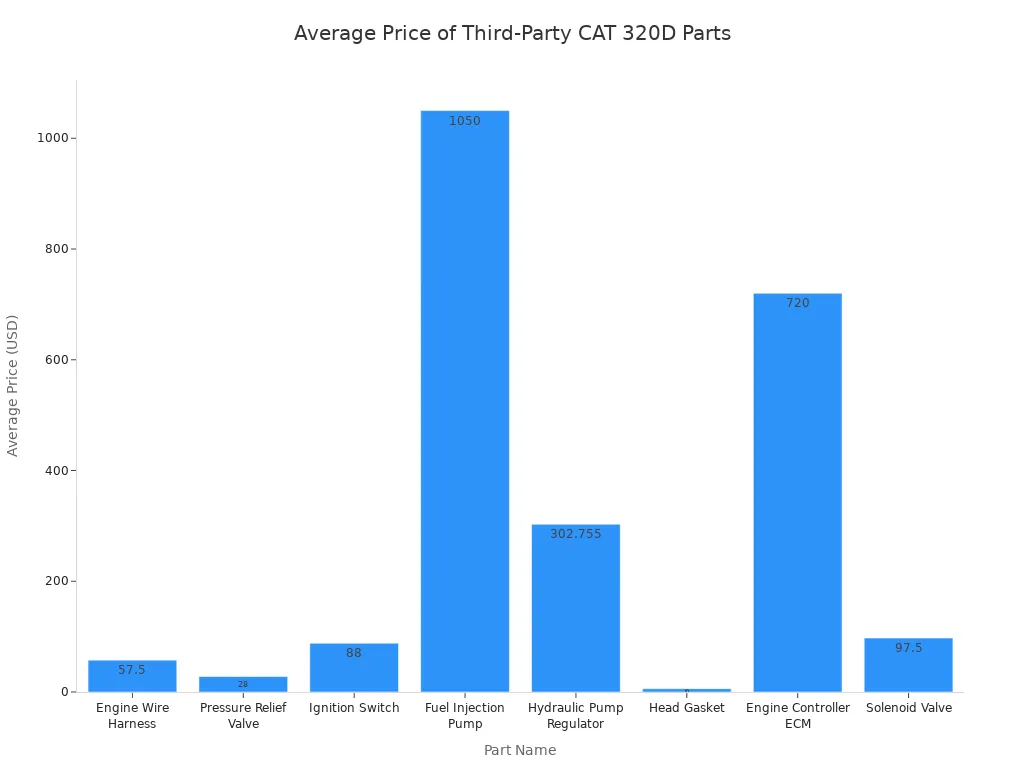
Furthermore, the global parts market for used excavators like the 320D is extensive. A robust network of third-party manufacturers, particularly from Asia, produces a wide array of compatible components at competitive prices. This availability provides a cost-effective alternative to OEM parts. The price differences can be substantial, as seen with common replacement items.
| Product Name / Key Part Number | Price Range (USD) | Supplier Type |
|---|---|---|
| Engine Wire Harness (520-7000/296-4617) | $55 - $60 | Supplier |
| Pressure Relief Valve (352-7123) | $26 - $30 | Manufacturer |
| Solenoid Valve (312-5620) | $95 - $100 | Supplier |
| Fuel Injection Pump (326-4635/10R-7662) | $800 - $1,300 | Manufacturer |
| Engine Controller ECM (221-8874) | $640 - $800 | Supplier |
The high cost of some OEM components is a primary factor driving buyers toward these quality aftermarket alternatives. For instance, a fuel injector (326-4700) can range from $59 to $123 from third-party suppliers, offering significant savings and making long-term ownership more affordable.
The "Risky Bet": Potential Downsides to Consider
While the CAT 320D offers compelling advantages, a buyer must also weigh the potential risks. The lower price tag often comes with trade-offs in condition, efficiency, and technology. Understanding these downsides is essential for making a truly informed investment decision and avoiding a purchase that could become a financial burden.
Inherited Wear and Tear
The most significant risk with any used heavy equipment is its operational history. A CAT 320D with high operating hours has endured thousands of cycles of digging, lifting, and swinging. This accumulated stress inevitably leads to wear on critical components. While routine maintenance can slow this process, major repairs become more probable as the machine ages. Buyers must budget for potential high-cost issues that are common in older used excavators.
The financial impact of these repairs can be substantial, turning a low-cost purchase into an expensive liability.
| Problem Type | Low Cost (USD) | High Cost (USD) |
|---|---|---|
| Hydraulic Leak | $500 | $3,000 |
| Engine Trouble | $1,000 | $6,000 |
| Undercarriage | $2,000 | $5,000 |
| Swing System | $800 | $3,500 |
| Electrical Fault | $200 | $2,000 |
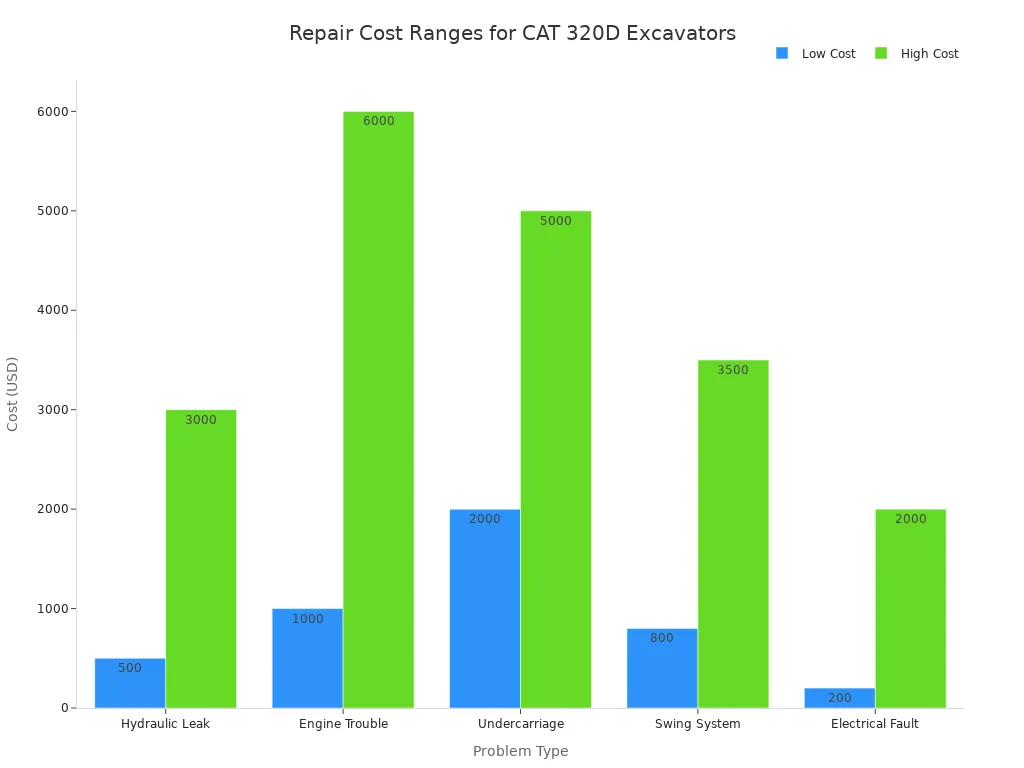
Key areas of concern include:
- Undercarriage: Components like tracks, rollers, and sprockets are subject to constant friction and impact. A complete undercarriage replacement is one of the most expensive repairs an owner can face.
- Engine Trouble: While the C6.6 engine is reliable, high-hour units can suffer from issues like overheating or internal wear. A full engine rebuild can easily cost thousands of dollars.
- Swing System: Poor lubrication or excessive use can damage the swing motor and bearings. Neglecting these components often leads to a full system replacement.
Higher Fuel Consumption vs. New Models
Technology has advanced significantly since the 320D was first introduced. One of the most notable improvements in modern excavators is fuel efficiency. The CAT 320D, while a workhorse, consumes more fuel than its contemporary counterparts. Newer models like the CAT 320 and 323 can offer up to 25% lower fuel consumption. Over the lifetime of the machine, this difference can add up to significant operational expense.
This efficiency gain in modern machines is not accidental. It results from a complete re-engineering of the core systems.
The improvement is attributed to a 'digital heart' in each machine, standardizing an electrohydraulic control valve, electronically controlled pump, and electronically controlled engine... The electronically controlled engine operates at lower RPMs, and the highly efficient... electrohydraulic system contribute to fuel savings. Additionally, a redesigned cooling package with five electronically controlled fans (e-fans) further reduces fuel consumption by providing on-demand and independent cooling.
This technological gap means a 320D owner will spend more at the pump for every hour of operation compared to an owner of a Next Gen model.
Lack of Modern Tech and Comforts
The CAT 320D comes from an era before advanced digital integration became standard. Buyers will not find modern features like factory-integrated GPS, automated grade control (like Cat GRADE with 2D or 3D), or sophisticated telematics for remote fleet management. Even newer "no-frills" models like the Cat 320GC are designed without these digitally-guided controls to keep costs down. For the 320D, this lack of technology is simply a function of its age.
Projects requiring precise grading or digital site plans will necessitate expensive aftermarket systems or a different machine altogether. Furthermore, operator cabs in newer models offer superior comfort, visibility, and ergonomic controls, which can reduce operator fatigue and increase productivity over long shifts.
Potential Emissions Standard Hurdles
Regulatory compliance is a growing concern in the construction industry. Diesel engines must meet specific emissions standards, which are tiered based on the engine's manufacturing date and technology. The CAT 320D is equipped with a Tier 3 engine. While this was compliant for its time, many regions now enforce stricter Tier 4 Final standards.
This can create significant operational challenges:
- Job Site Restrictions: Some government contracts or projects in environmentally sensitive areas may explicitly ban the use of equipment that does not meet Tier 4 standards.
- Fines and Penalties: Operating a non-compliant machine in a restricted zone can lead to substantial fines.
- Limited Resale Market: As regulations become more widespread, the resale value and demand for Tier 3 machines may decline in certain markets.
A buyer must verify local and state regulations to ensure a used 320D will be permitted on their intended job sites without facing legal or financial penalties.
How to Evaluate Used Excavators: Your 320D Checklist
A thorough inspection separates a smart investment from a risky bet. A buyer should follow a systematic checklist to assess the condition of any CAT 320D. This process helps identify potential problems before the purchase.
Verify Maintenance Records and Hours
A seller should provide comprehensive maintenance logs. These records offer a clear history of the machine's care and past issues. A detailed log includes:
- Equipment ID and date of service
- Name of the inspector
- Specific problems found
- Corrective actions taken
Buyers must also verify the operating hours. The digital display can sometimes be inaccurate.
Some older CAT displays can show incorrect hours. The numbers stored in the Engine Control Unit (ECU) are often more accurate. A technician can access this data with a computer for true verification.
Inspect the Undercarriage and Tracks
The undercarriage is a high-wear, high-cost area. A visual inspection can reveal signs of a failing final drive or swing motor. Key warning signs include jerky movements, unusual grinding or popping noises, and visible hydraulic fluid leaks around the housing.
Check for Hydraulic System Leaks
Hydraulic integrity is critical for performance. A buyer should carefully inspect the machine for any fluid leaks, which signal failing seals or damaged components. Common problem areas on used excavators include:
- Bucket cylinders and their seals
- The bucket control valve
- Hoses and connections around the pump
Test All Machine Functions
A hands-on test reveals the machine's operational health. A buyer should start the engine and listen for unusual knocking or whining sounds. Next, observe the exhaust; black smoke indicates a fuel issue, while blue smoke points to the engine burning oil. Operate all controls to test hydraulic responsiveness, looking for smooth, consistent movements.
Schedule a Professional Inspection
While these steps provide a good overview, they do not replace a professional assessment. An experienced heavy equipment mechanic should conduct a final, detailed inspection. This is the most reliable way to confirm the condition of used excavators and make a confident purchase.
Is the 320D's Performance Still Relevant Today?
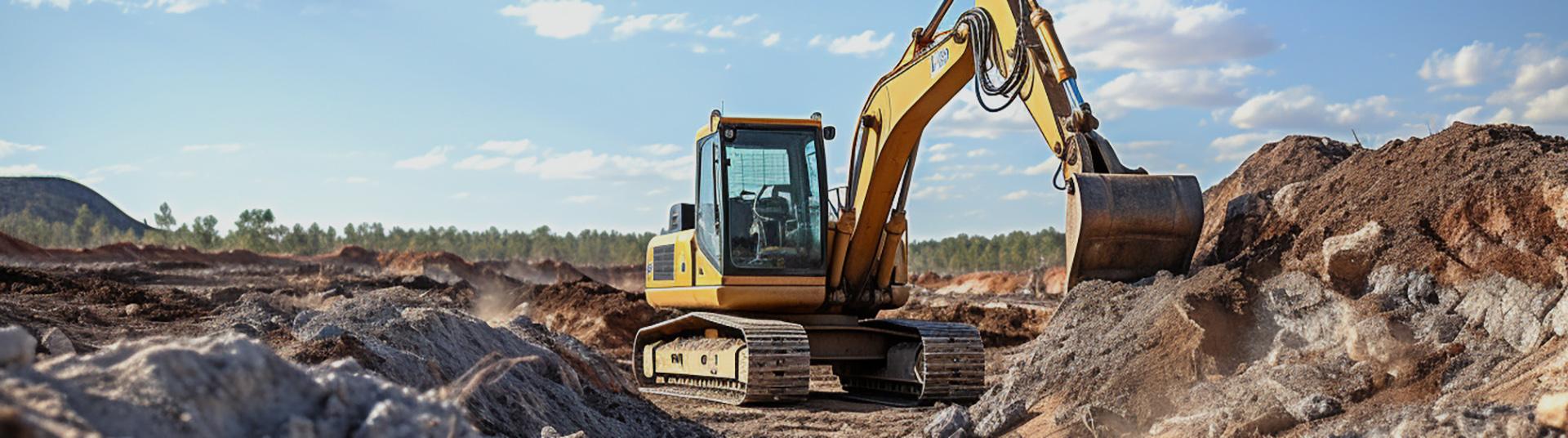
Despite its age, the CAT 320D’s core performance specifications remain highly competitive for a wide range of modern construction tasks. The machine’s engineering delivers the power and reach necessary to complete jobs efficiently, making it a relevant choice for many contractors today. Its capabilities in digging, lifting, and general site work continue to meet industry demands.
Digging Force and Lifting Capacity
The 320D generates substantial power, a key factor in its enduring value. The hydraulic system provides impressive breakout forces, allowing the machine to handle dense or compacted materials with ease. This raw power translates directly into productivity on the job site. The official specifications highlight its robust capabilities.
| Specification | Value (kN) |
|---|---|
| Bucket Digging Force | 150 |
| Stick Digging Force | 106 |
These figures confirm the 320D has the strength required for serious excavation and material handling.
Suitability for General Construction
As a 20-ton medium excavator, the CAT 320D strikes an excellent balance between power and versatility. It is perfectly suited for the demands of general construction and utility work.
The machine excels at a variety of medium to light-duty tasks, including earthworks, digging foundations, and trenching. Its stability and efficiency make it a reliable all-around choice for most standard construction projects.
This versatility allows it to handle lighter jobs effectively while still possessing the power needed for more demanding operations.
Reach and Depth Capabilities
The 320D offers an impressive operational envelope, enabling it to perform tasks without constant repositioning. Its long reach is crucial for digging deep trenches or grading large areas efficiently. The machine’s specifications provide a clear picture of its working range.
- Maximum Reach at Ground Level: 9830 mm (32.25 ft)
- Maximum Digging Depth: 6690 mm (21.95 ft)
These dimensions make the CAT 320D a highly capable machine for projects requiring significant depth and reach.
The CAT 320D stands as a calculated investment, offering robust power without the high price of new equipment. It best suits buyers who prioritize proven mechanical simplicity over advanced telematics. The potential risks are manageable with one non-negotiable step.
A thorough, professional inspection is essential to ensure you acquire a smart investment, not a risky bet.
FAQ
What is the main advantage of a used CAT 320D?
The primary advantage is significant upfront cost savings. Buyers acquire a powerful, reliable machine for a fraction of the price of a new model, preserving capital for other business needs.
How many hours are too many for a used 320D?
There is no single answer. A machine with over 10,000 hours requires careful inspection.
Note: Maintenance history is more important than the hour meter alone. A professional assessment is always the most reliable way to judge a machine's condition.
Can the CAT 320D work on modern job sites?
Yes, it excels at general construction. However, its Tier 3 engine may not meet emissions standards for certain restricted projects. Buyers must verify local regulations before making a purchase.
See Also
Evaluating TDC Residential Door Hinges: A Smart Investment for Your Home?
Selecting the Ideal 10KW High-Power Diesel Generator for Optimal Performance
Custom Cargo Lifts: Weighing the Advantages and Disadvantages for Businesses
Automated Virus Sampling Tube Assembly Lines: A Prudent Investment Decision?
Top Capsule Checkweighers for Buyers to Consider in the Year 2025