Applications of Carboxyl-terminated Polybutadiene CTPB CAS 586976-24-1 in Modern Manufacturing
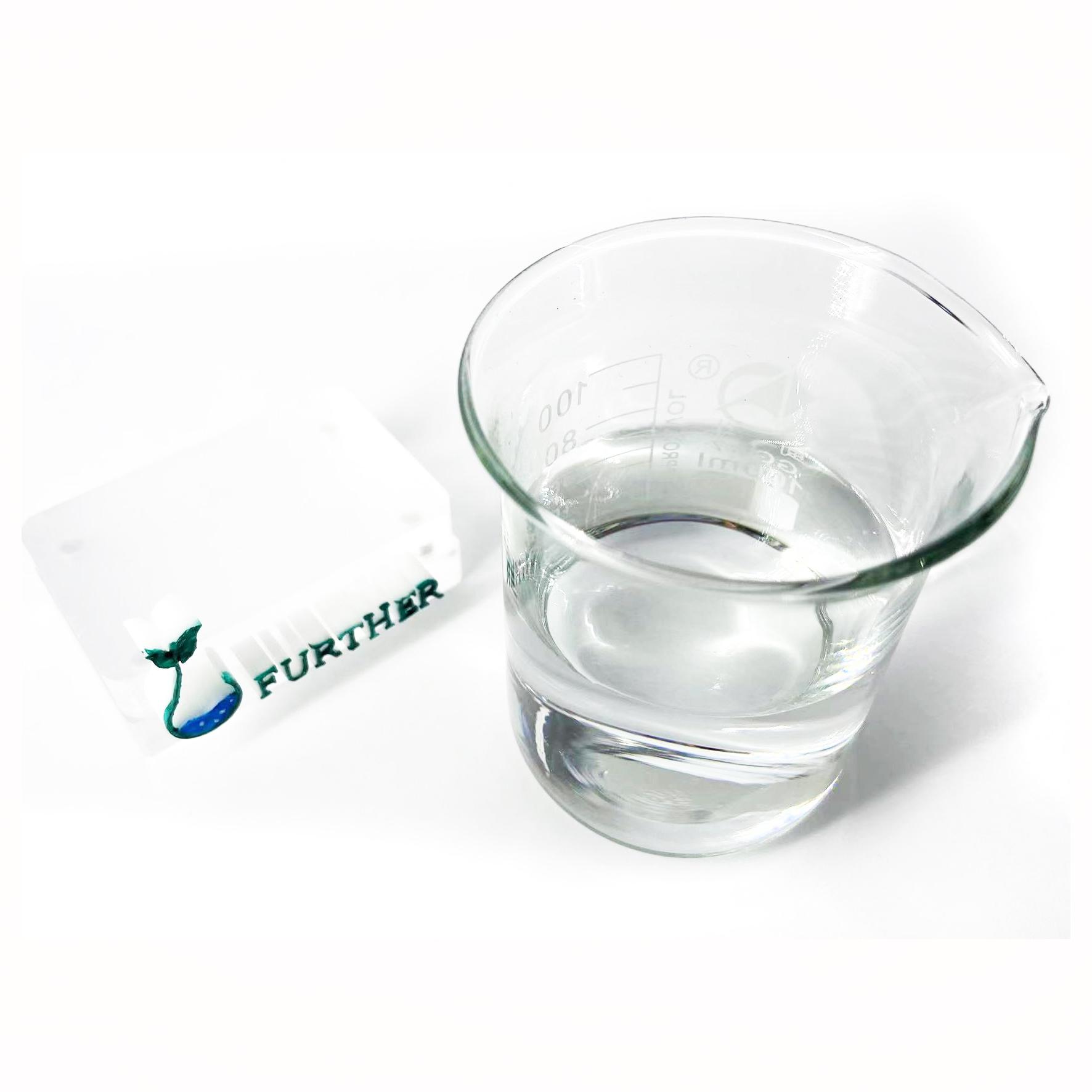
You see Carboxyl-terminated polybutadiene(CTPB) CAS 586976-24-1 in many industries, including aerospace, automotive, electronics, construction, marine, and sports equipment. CTPB boosts product strength and flexibility. Its carboxyl terminal groups create strong chemical bonds, and its high molecular weight with low glass transition temperature helps products last longer.
Key Takeaways
- Carboxyl-terminated polybutadiene (CTPB) enhances product strength and flexibility, making it ideal for various industries like aerospace and automotive.
- CTPB's unique properties, such as excellent cold resistance and high elasticity, improve the durability and performance of adhesives, sealants, and rubber parts.
- Choosing the right grade of CTPB based on carboxyl value and viscosity can help you meet specific manufacturing needs and improve product quality.
Understanding Carboxyl-terminated Polybutadiene(CTPB) CAS 586976-24-1
Definition and Structure of CTPB
You can find Carboxyl-terminated polybutadiene(CTPB) CAS 586976-24-1 as a liquid rubber with carboxyl groups at both ends of its chain. These carboxyl groups help CTPB bond with other materials. The structure looks like a long chain of butadiene units, capped by carboxyl groups. This unique design gives CTPB special abilities. You can use it to make products stronger and more flexible.
Tip: The carboxyl groups at the ends of CTPB make it easy to mix with epoxy resins and other polymers.
Key Properties for Industrial Applications
You will notice several important properties when you use CTPB in manufacturing. These properties make it a top choice for many industries.
- Excellent cold resistance: Products stay flexible even in low temperatures.
- High elasticity: Materials stretch and return to their original shape.
- Low viscosity: You can easily process and mix CTPB with other substances.
- Toughening effect: CTPB improves the strength of adhesives and sealants.
- Chemical resistance: Products last longer when exposed to harsh chemicals.
| Property | Benefit for Manufacturing |
|---|---|
| Cold resistance | Keeps products flexible |
| Elasticity | Enhances durability |
| Low viscosity | Simplifies processing |
| Toughening effect | Strengthens adhesives |
| Chemical resistance | Increases product lifespan |
You can select different grades of CTPB to match your needs. Each grade offers a unique balance of carboxyl value, viscosity, and molecular weight. This flexibility helps you create products that meet strict industry standards.
Industry Applications of Carboxyl-terminated Polybutadiene(CTPB) CAS 586976-24-1

Aerospace and Defense Applications
You will find Carboxyl-terminated polybutadiene(CTPB) CAS 586976-24-1 in many aerospace and defense products. You can use it to make adhesives and sealants that hold up under extreme conditions. CTPB helps parts stay strong and flexible when temperatures drop or rise quickly. You can rely on it to improve the toughness of composite materials in aircraft and missiles. When you need to protect sensitive equipment from vibration or shock, CTPB gives you the durability you want. Many engineers choose it for rocket motor binders and insulation because it resists cracking and keeps its shape.
Automotive Manufacturing Uses
You see CTPB in the automotive industry because it makes vehicles safer and longer-lasting. You can use it in adhesives that bond car parts together. It helps seal windows and doors, keeping out water and dust. When you add CTPB to rubber parts, you get better flexibility and resistance to wear. This means tires, gaskets, and hoses last longer. You also find it in coatings that protect car bodies from rust and damage. CTPB helps you meet strict safety and quality standards in modern vehicles.
Electronics Industry Applications
You can use Carboxyl-terminated polybutadiene(CTPB) CAS 586976-24-1 to improve many electronic products. It works well as a toughening agent in epoxy resin adhesives and sealants. These adhesives hold electronic parts together and protect them from bumps and drops. CTPB also keeps materials flexible in cold conditions, which is important for devices that face changing temperatures. You can find it in several other electronic uses:
- Sealing materials that keep out moisture and dust
- Coatings that protect circuit boards
- Elastic fibers for flexible cables
- Rubber modifiers that improve the strength of plastic parts
When you use CTPB, you help electronic devices last longer and work better.
Construction Sector Uses
You will notice CTPB in many building materials. It helps make sealants and adhesives that hold up in harsh weather. You can use it to create coatings that protect concrete and metal from water and chemicals. CTPB adds flexibility to expansion joints, so buildings can move without cracking. When you use it in roofing and flooring, you get surfaces that resist wear and stay strong over time. Builders trust CTPB to improve the quality and lifespan of construction projects.
Other Industries: Marine, Sports Equipment, and Specialty Polymers
You can find CTPB in boats and ships because it resists saltwater and harsh marine conditions. It helps seal and protect hulls, decks, and fittings. In sports equipment, CTPB gives you better shock absorption and flexibility. You see it in running shoes, protective gear, and even artificial turf. Manufacturers use CTPB to make specialty polymers that need to be both tough and elastic. This makes it a smart choice for products that face heavy use and rough environments.
Note: When you choose Carboxyl-terminated polybutadiene(CTPB) CAS 586976-24-1, you get a material that adapts to many industries. Its unique properties help you solve tough challenges in manufacturing.
Advantages of Carboxyl-terminated Polybutadiene(CTPB) CAS 586976-24-1 in Manufacturing
Enhanced Durability and Flexibility
You want your products to last and perform well. Carboxyl-terminated polybutadiene(CTPB) CAS 586976-24-1 helps you achieve this goal. The unique structure of CTPB gives materials extra toughness. You can use it in adhesives and sealants to make them stronger. When you add CTPB to rubber parts, you get more flexibility. Your products can bend and stretch without breaking. This means tires, gaskets, and sports gear stay in good shape even after heavy use.
- CTPB improves elasticity in rubber compounds.
- You see better shock absorption in sports equipment.
- Adhesives with CTPB hold parts together longer.
Tip: Choose the right grade of CTPB to match your durability needs.
Chemical Resistance and Performance Benefits
You need materials that stand up to harsh chemicals. CTPB gives you this advantage. It protects surfaces from water, salt, and other chemicals. You can use it in marine equipment to resist corrosion. Electronics benefit from CTPB because it keeps moisture out. Construction materials with CTPB last longer in tough environments.
| Application | Performance Benefit |
|---|---|
| Marine coatings | Resists saltwater damage |
| Electronics | Blocks moisture and dust |
| Construction | Prevents chemical wear |
You see CTPB used in many industries because it boosts product performance. Your products stay strong and reliable.
You see CTPB used in aerospace, automotive, electronics, construction, marine, and sports equipment. It helps you create stronger, more flexible products.
- You boost durability and performance in every industry.
CTPB lets you solve tough manufacturing challenges and improve product quality.
FAQ
What is the shelf life of CTPB Carboxyl-terminated Polybutadiene?
You can store CTPB for up to 12 months. Keep it in a cool, dry place away from sunlight and strong oxidizers.
Can you use CTPB with epoxy resins?
Yes, you can mix CTPB with epoxy resins. This combination gives your products extra toughness and flexibility.
How do you choose the right grade of CTPB?
Tip: Check the carboxyl value and viscosity. Pick the grade that matches your product’s needs for strength, flexibility, or processing.