Breakthroughs in Capsule Separation for Crewed Missions
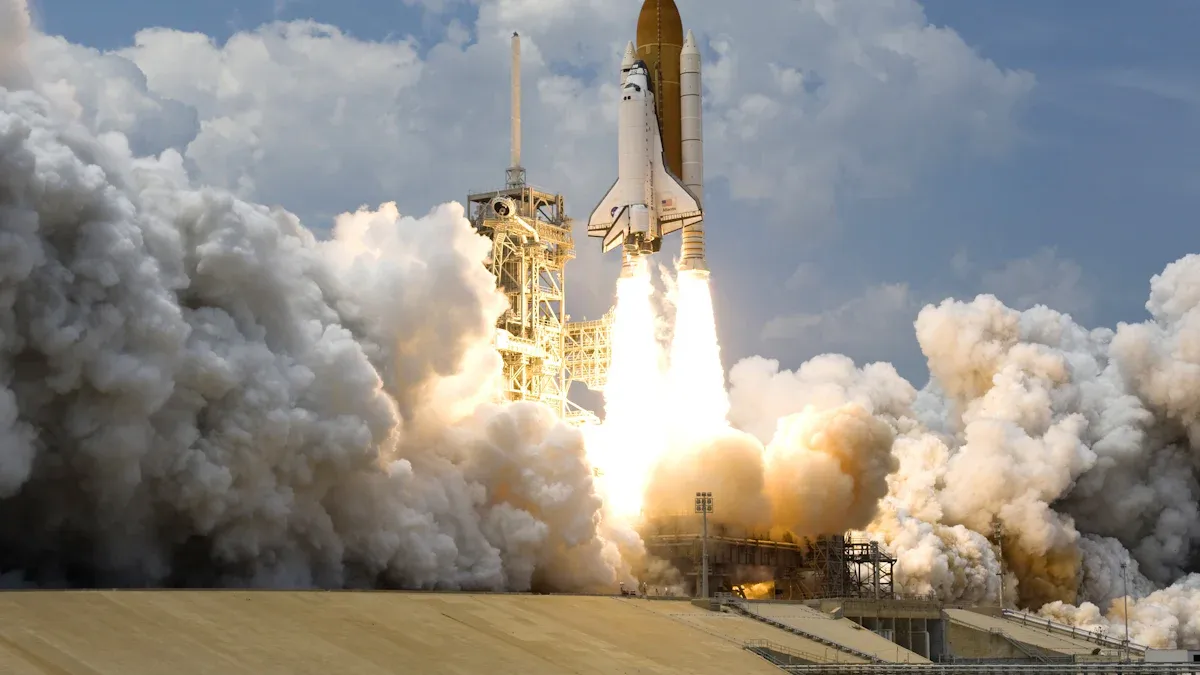
You now see how capsule separation has changed crewed missions. New systems use advanced diagnostics, automation, and lightweight materials to keep astronauts safe and missions reliable. The table below shows how each innovation supports these goals:
| Innovation Type | Description |
|---|---|
| Advanced Diagnostics | Accurate monitoring of capsule systems and passenger health through real-time data collection. |
| Improved Life Support Systems | Secure environment with better air filtration, temperature control, and radiation protection. |
| Automation and AI Integration | Real-time decision-making and optimized escape strategies without manual help. |
| Lightweight and Durable Materials | Lower capsule weight while keeping strong structures in harsh conditions. |
When you use an empty capsule separator or a new capsule separator, you help ensure a safer return to Earth.
Key Takeaways
- Advanced diagnostics and real-time monitoring enhance astronaut safety during capsule separation.
- Autonomous systems improve the reliability of capsule docking and undocking, reducing the need for human intervention.
- Choosing the right separation mechanism, whether pyrotechnic or non-pyrotechnic, is crucial for mission safety.
- Innovative materials make capsules lighter and stronger, ensuring they withstand the harsh conditions of space travel.
- Continuous testing and data collection during missions lead to improvements in capsule separation technology.
Recent Breakthroughs in Capsule Separation
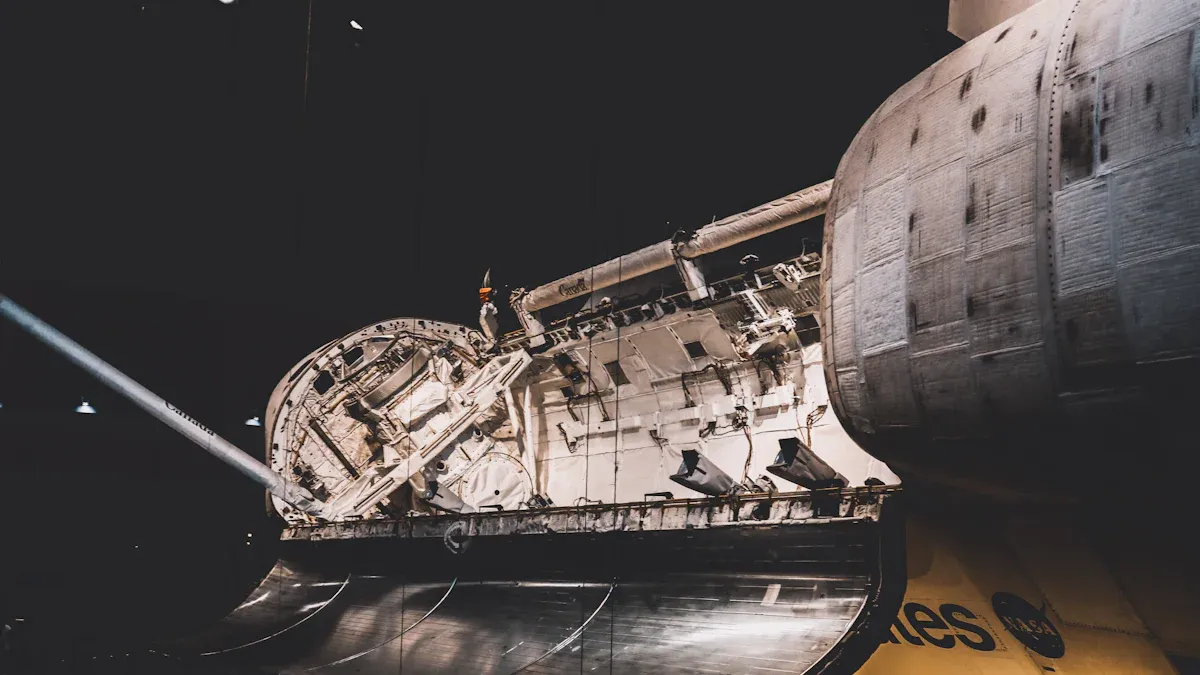
Autonomous Capsule Separation and Landing Technologies
You now see spacecraft using advanced autonomous systems for capsule separation and landing. These systems help you by making the process safer and more reliable. For example, SpaceX’s Crew Dragon uses a hinged nosecone and a set of sensors, such as LIDAR and cameras, to dock and undock without human help. The spacecraft can even move between docking ports on its own. This technology protects the docking mechanism during launch and reentry, which means you get better reusability and safety.
| Feature/Aspect | Description |
|---|---|
| Autonomous Docking Technology | Crew Dragon uses a hinged nosecone and sensors (LIDAR, cameras, thermal) for automated docking. |
| Milestone Achieved | Crew Dragon Demo-1 was the first American spacecraft to dock autonomously with the ISS. |
| Flexibility | SpaceX Dragons can relocate between ports autonomously. |
| Design Advantage | Docking mechanism stays protected during launch and reentry. |
| Advanced Computing | Machine vision and LIDAR provide precise tracking and redundancy. |
You face several challenges with these systems. Sensing and perception can be hard because sensors have limits in range and must adapt to changing environments. Flight control needs advanced algorithms to handle complex systems. Decision-making must process lots of data quickly, especially in emergencies. Safety and reliability also depend on strong rules and fault-tolerant controls. When you use these new systems, you help make capsule separation safer for every mission.
Real-Time Monitoring Systems for Capsule Separation
You benefit from real-time monitoring systems that track every step of capsule separation. These systems use advanced sensors to collect data on pressure, temperature, and other important factors. For example, some capsules use wireless sensor arrays to measure pressure and temperature changes instantly. This helps you spot problems early and respond quickly.
| Advancement | Description |
|---|---|
| PressureCap | Endoscopic sensor capsule for real-time pressure monitoring with wireless arrays. |
| Smart Capsule | Detects inflammation, pressure, pH, transit time, and temperature. |
| Medtronic’s SmartPill® | Measures pressure, pH, transit time, and temperature. |
| Philips’ VitalSense® | Records temperature profiles. |
| Kalantar-Zadeh's Capsule | Uses miniaturized gas sensors and wireless data communication. |
With these tools, you can monitor the capsule’s condition during separation and landing. You get alerts if something goes wrong, which means you can act fast to keep the crew safe. Real-time data also helps engineers improve future capsule separation systems.
Advanced Pyrotechnic and Non-Pyrotechnic Separation Mechanisms
You see two main types of separation mechanisms: pyrotechnic and non-pyrotechnic. Pyrotechnic devices, like those on the Orion spacecraft, use explosive bolts and lines to separate the crew module quickly. These methods work well and have high reliability, but they create strong shocks and can be less safe.
- Orion uses eight pyrotechnic devices, including separation bolts and explosive transfer lines.
- The separation sequence starts with the umbilical connection and ends with the crew module breaking away from the service module.
Non-pyrotechnic mechanisms use magnets or other smooth-release systems. Researchers are testing magnets that can hold and release parts at the touch of a button. These systems can be heavy or light, depending on the mission needs. They reduce shock and improve safety, making them better for modern spacecraft.
| Method Type | Reliability | Safety Concerns |
|---|---|---|
| Pyrotechnic | Highly reliable | High release shock, poor safety |
| Non-pyrotechnic | Designed to reduce shock | Improved safety, suitable for modern applications |
Pyrotechnic methods are reliable but can be dangerous due to the shock they create. Non-pyrotechnic methods focus on safety and smooth operation, which helps protect both the crew and the capsule.
When you choose the right separation mechanism, you help ensure that capsule separation happens smoothly and safely. This choice protects the crew and increases the chances of a successful mission.
Novel Materials in Capsule Separation Structures
You see new materials changing how engineers design capsule separation structures. These materials help you get better safety, lighter weight, and stronger capsules. When you use advanced materials, you make sure the capsule can handle the stress of space travel and separation.
Many engineers now test ultra-fine (UF) materials, healing agents, and special resins. These materials give you strong protection and help the capsule recover from damage. Some healing agents can even fix small cracks by themselves. This means you get a safer trip and less risk during capsule separation.
Here is a table that shows some of the new materials and their performance:
| Capsule Material | Diameter (mm) | Thickness (mm) | Radius-to-Thickness Ratio | 28-day Compressive Strength (MPa) | Flexural Strength (MPa) |
|---|---|---|---|---|---|
| UF | 10 to 1000 | 0.2 to 8 | 8 to 39 (up to 107 to 5000) | 28 to 56 | 8.4 to 10.6 |
| Healing Agents | - | - | - | - | - |
| Epoxy Resin, DCPD, Sodium Silicate, Calcium Nitrate Tetrahydrate | - | - | - | - | - |
You notice that UF materials have high compressive and flexural strength. This means the capsule can take heavy loads and bend without breaking. Healing agents, like sodium silicate and calcium nitrate tetrahydrate, help the capsule last longer. Epoxy resin and DCPD add extra toughness and help the capsule resist cracks.
Tip: When you use these novel materials, you help engineers build capsules that are lighter and stronger. This makes every mission safer for the crew.
You can expect more new materials in the future. These materials will keep improving how you experience capsule separation and space travel.
Science and Engineering of Capsule Separation
Separation Dynamics and Forces
You play a key role in understanding how forces work during capsule separation. The process depends on several scientific principles. When the external magnetic field matches the magnetization direction of the permanent magnet, you see an attractive force between modules. If the magnetic field points in the opposite direction, a repulsive force appears, and torque acts on the magnet. These forces help you control how the capsule separates from the spacecraft.
Here is a table showing the main principles:
| Principle | Description |
|---|---|
| Assembly Function | When the external magnetic field direction aligns with the magnetization direction of the permanent magnet, an attractive force is generated between modules. |
| Separation Function | When the external magnetic field is opposite to the magnetization direction of the permanent magnet, a repulsive force occurs, along with torque on the permanent magnet. |
You also need to consider other factors that affect separation dynamics:
- Mechanical interference
- Dynamic performance of separation devices
- Stiffness of lateral-restraining springs
- Preload of clamp bands
- Density of V-segments
These factors influence how smoothly and safely the capsule separates.
Mechanical and Electronic Innovations in Capsule Separation
You benefit from new mechanical and electronic systems that make capsule separation more reliable. Automated sorting systems now sort capsules without human help, which reduces errors and saves time. Vacuum mechanisms collect capsule contents quickly, so you see less waste and better results. Advanced control panels give you more control over the separation process, making operations safer and more efficient.
| Innovation Type | Description |
|---|---|
| Automated Sorting Systems | These systems enhance the efficiency of capsule separation by automatically sorting capsules, reducing manual labor. |
| Vacuum Mechanisms | Utilized to collect capsule contents efficiently, ensuring minimal waste and improved processing. |
| Advanced Control Panels | Provide operators with better control over the separation process, improving overall operational efficiency. |
Tip: You can trust these innovations to improve the safety and reliability of every mission.
Redundancy and Fail-Safe Strategies
You must always prepare for unexpected problems during capsule separation. Engineers design systems with redundancy, so if one part fails, another can take over. You see backup sensors, duplicate control lines, and extra springs in many capsules. Fail-safe strategies help you avoid accidents and keep the crew safe. You can rely on these systems to protect you during critical moments.
Note: Redundant systems and fail-safe designs give you peace of mind and help ensure a successful mission.
Testing and Validation of Capsule Separation
Ground-Based Simulation and Prototyping
You help engineers test new ideas before sending them to space. Ground-based simulation and prototyping let you see how capsule separation works in a safe setting. Engineers use many methods to check if the system will work as planned. You can look at the table below to see some of the main testing methods:
| Testing Method | Description |
|---|---|
| Parabolic Flight Test | Used to check design during short periods of weightlessness. |
| Drop Tower Campaign 1 | Tested the separation mechanism in a low-gravity facility. |
| Drop Tower Campaign 2 | Used a longer capsule interface for better observation. |
| Drop Tower Campaign 3 | Focused on qualification and acceptance testing. |
| High-speed Imaging | Measured release speed with special cameras. |
| Wireless IMU | Detected rotation during release. |
| Action Cameras | Captured how parts moved and touched during separation. |
| Deceleration Cushion | Made sure the capsule landed softly and did not bounce dangerously. |
You see that each method checks a different part of the process. These tests help you find problems early and fix them before flight.
In-Flight Data Collection and Analysis
You collect important data during real missions. Engineers use sensors and cameras to watch every step of the separation. You measure things like temperature, pressure, and movement. Some capsules send data back to Earth using satellite networks, even during re-entry. This lets you track the capsule’s health in real time.
Tip: When you gather and study this data, you help improve future designs and make space travel safer.
Insights from Recent Crewed Capsule Separation Events
You learn many lessons from recent missions. For example, the KREPE-2 mission tested heat shields that survived temperatures over 4,000 degrees Fahrenheit. Capsules sent data through satellites, so you could follow their journey. Engineers studied this information to make better spacecraft. Students even led some projects, gaining real experience in space technology.
Recent events also show you the value of safety and open communication. NASA now uses three Technical Authorities, including the Chief of Safety and Mission Assurance. This helps you speak up if you see a problem and makes sure every voice is heard before making big decisions. You help build a culture where safety comes first in every step of capsule separation.
Impact of Capsule Separation on Crew Safety and Reliability
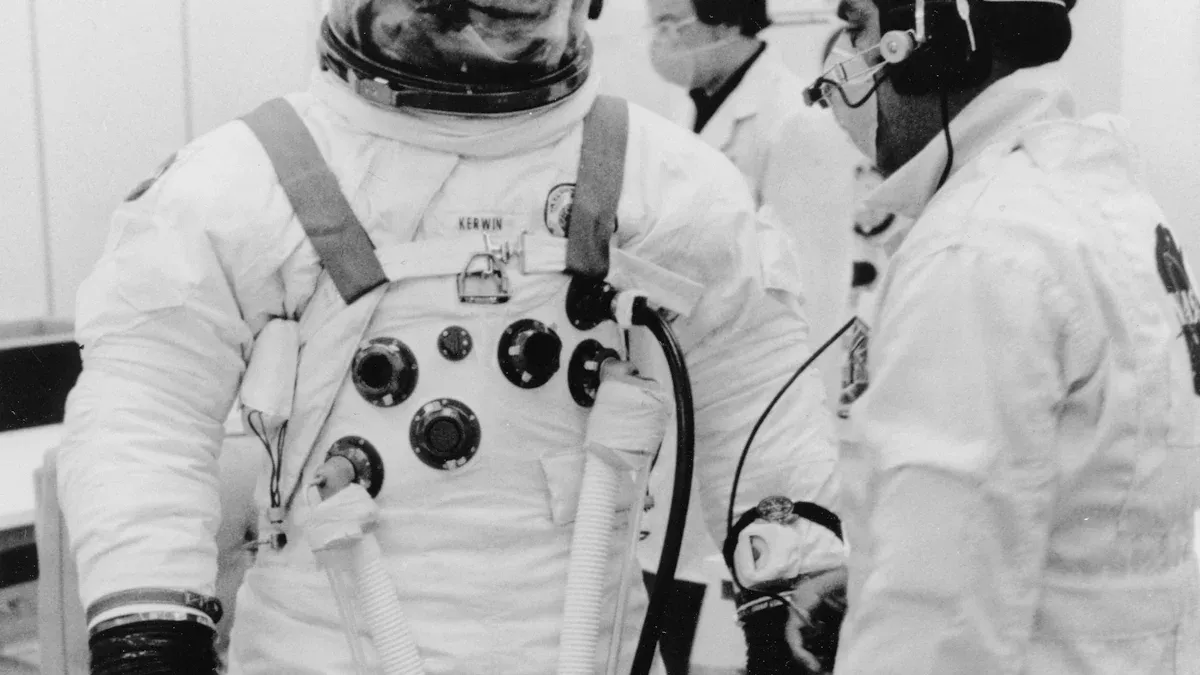
Enhanced Protection During Critical Mission Phases
You depend on strong protection during the most dangerous parts of a mission. Capsule separation plays a key role when your spacecraft leaves the launch vehicle. A clean detachment keeps the capsule stable and safe. This becomes even more important during re-entry and recovery. Good separation dynamics lower the risks you face in these moments. You can trust that the capsule will stay steady and protect you from harm as you return to Earth.
Reduction of Separation-Related Risks
You want every mission to be as safe as possible. Engineers design new systems to reduce the risks that come with separating the capsule. They use sensors to watch for problems and alert you right away. Strong materials and smart designs help prevent damage during separation. You see fewer accidents and less chance of failure. These improvements make your journey safer and give you peace of mind.
Tip: Always check the capsule’s systems before and after separation. This helps you spot issues early and keep the crew safe.
Improved Emergency Escape Capabilities
You need to know that you can escape quickly if something goes wrong. New advances in capsule separation give you better emergency options. The table below shows how these improvements help you:
| Improvement Type | Description |
|---|---|
| Advanced Materials | Use of composite materials has resulted in lighter yet more robust capsules capable of withstanding extreme conditions. |
| Enhanced Communication Systems | Real-time tracking and two-way communication have improved the chances of successful rescue operations. |
| Robust Engineering Techniques | Innovations in engineering have led to the development of more efficient and durable rescue capsules. |
You can rely on these features to help you escape safely in an emergency. Better materials, stronger engineering, and faster communication all work together to protect you.
Capsule Separation and the Future of Crewed Spaceflight
Integration with Next-Generation Spacecraft
You will see new spacecraft designs that use smarter capsule separation systems. Engineers now build capsules that work with reusable rockets and advanced docking stations. These capsules connect and disconnect without human help. You get safer missions because computers control the timing and force of separation. Some spacecraft use sensors to check the capsule’s position before release. You notice that these systems help you avoid mistakes and keep the crew safe. Next-generation capsules also use lighter materials, which means you travel farther and faster.
Implications for Lunar and Mars Missions
You will face new challenges when you travel to the Moon or Mars. Capsule separation becomes even more important on these long journeys. You need systems that work in harsh environments, like extreme cold or dust storms. Engineers design capsules that can separate quickly if you need to escape. You see stronger heat shields and better landing gear. These features help you survive tough landings on rocky surfaces. You also benefit from real-time monitoring, which lets you track the capsule’s health during separation. This technology gives you confidence as you explore new worlds.
Tip: Always check the capsule’s sensors before landing on the Moon or Mars. This helps you spot problems early and stay safe.
Ongoing Research and Development in Capsule Separation
You see many companies working to improve capsule separation for future missions. The Exploration Company (TEC) builds capsules that switch from cargo to crewed missions. TEC focuses on safety and certification during launch. You notice that TEC tests capsule ejection systems for launch aborts, which takes a lot of time and money. The company studies faults in older capsules, like the Boeing Starliner, to make better designs. You benefit from these efforts because each new capsule becomes safer and more reliable.
- TEC develops capsules for both cargo and crewed missions.
- TEC tests ejection systems for launch aborts.
- TEC studies faults in existing capsules to improve safety.
You will see more research in the future. Engineers keep finding new ways to make capsule separation safer for every mission.
You see capsule separation technology making space missions safer and more reliable. These breakthroughs help you protect astronauts and improve mission results. You benefit from stronger materials, smarter sensors, and better emergency systems. You can expect new steps in capsule separation soon:
| Next Steps in Capsule Separation | Description |
|---|---|
| Advancements in Automation | Companies invest in fully automated systems to optimize operations. |
| Integration of AI and IoT | Real-time monitoring and predictive maintenance improve efficiency. |
| Sustainability and Quality Control | Green materials and better processes keep capsules strong. |
You will watch space travel become safer and smarter with each new mission.
FAQ
What is capsule separation in space missions?
You see capsule separation when the crew module detaches from the rocket or service module. This step protects you during re-entry and landing. Engineers design this process to keep you safe and make sure the mission succeeds.
How do new materials improve capsule safety?
You benefit from stronger and lighter materials. These materials help the capsule resist damage and handle extreme conditions. You get better protection during launch, separation, and landing.
Why do engineers use both pyrotechnic and non-pyrotechnic mechanisms?
You see pyrotechnic devices for quick and reliable separation. Non-pyrotechnic systems reduce shock and improve safety. Engineers choose the best method for your mission needs.
How does real-time monitoring help during capsule separation?
You get instant updates from sensors inside the capsule. These systems alert you to problems right away. You can act fast to keep the crew safe.
What future advancements can you expect in capsule separation?
You will see more automation, smarter sensors, and better emergency systems. Engineers keep testing new ideas to make your missions safer and more reliable.
See Also
Enhancing Pharmaceutical Efficiency With Capsule Decapsulation Technology
The Importance of Capsule Sorters for Defect Elimination
Key Capsule Checkweighers To Evaluate For 2025 Purchases
Comparing Top Manufacturers of Ampoule Filling Production Lines
Recent Innovations in Nitric Acid Separation and Purification