Canned Food X-Ray Inspection and Safety Standards Explained

Canned food x-ray inspection is safe and carefully regulated. Many people worry about radiation, but these systems use shielded cabinets and strict controls. Foods remain safe, with no changes in quality.
Concern | Fact |
|---|---|
X-ray Safety | Cabinet systems are fully shielded and follow strict regulations. |
Food Quality | No changes to nutrition or taste occur during inspection. |
Key Takeaways
Canned food x-ray inspection is safe and regulated, using shielded systems that do not change food quality.
X-ray technology detects foreign materials and checks packaging integrity, ensuring food safety and freshness.
Strict safety standards protect consumers and workers, making x-ray inspection a trusted method in the food industry.
Canned Food X-Ray Process and Benefits
How X-Ray Inspection Works
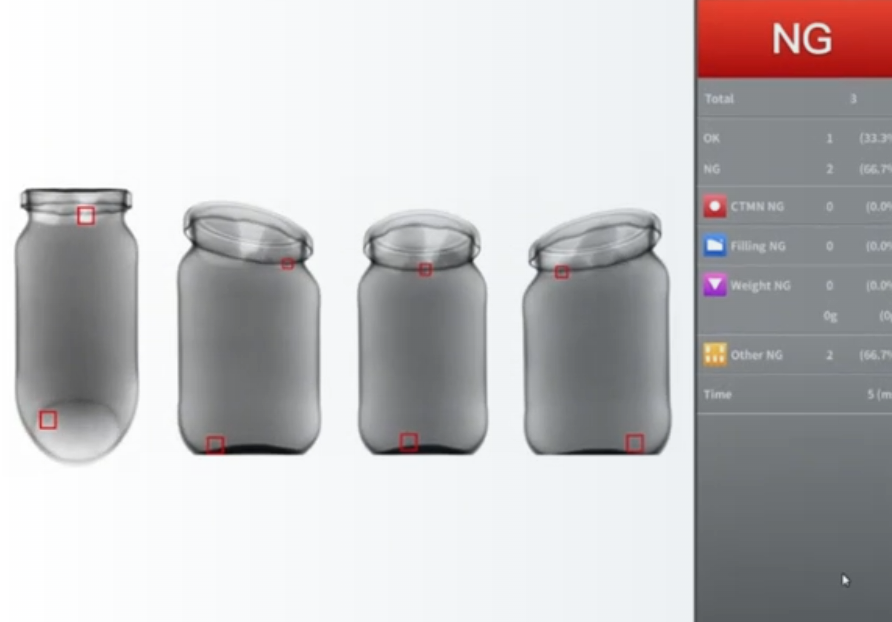
Canned food x-ray inspection is a key process in the food industry. It uses advanced technology to scan packaged foods and spot unwanted materials. The system sends x-rays through the food and packaging. It then compares the density of the food to any possible contaminants. Heavier items, such as metal or glass, show up clearly in the x-ray images. The system can quickly remove any product that does not meet safety standards.
This process works for many types of packaging, including cans, jars, and bottles. It can detect both metallic and non-metallic contaminants, which makes it more versatile than traditional metal detectors. The technology helps reduce the risk of recalls and protects customers from hazards. Real-time monitoring allows for immediate adjustments during production, which keeps food quality high and ensures compliance with safety regulations.
Tip: X-ray inspection systems can be customized for different container sizes and shapes, making them suitable for a wide range of food products.
Contaminant Detection and Packaging Integrity
Canned food x-ray systems do more than just find foreign objects. They also check the quality of the packaging. These systems can detect materials such as ceramic, porcelain, glass, and even calcified bone. They also spot metal fragments, stones, and hard plastics. This wide range of detection helps keep food safe for everyone.
Maintaining packaging integrity is important for food safety. X-ray inspection checks for proper sealing of cans and jars. It can find dents, deformations, or other abnormalities that might let air or bacteria into the food. This protects the shelf life and freshness of the product. Accurate filling and clear labeling are also checked during the process. The system ensures each container is filled to the correct level and that labels are present and readable.
Contribution to Filling and Labeling | Description |
|---|---|
Fill Level Verification | Ensures containers are filled to the correct levels. |
Contaminant Detection | Detects foreign materials, enhancing food safety. |
Packaging Quality Check | Identifies defects like improperly sealed packages or missing labels. |
Ensuring packaging integrity and accurate labeling builds consumer trust and helps brands maintain a strong reputation.
Multi-Beam Technology Advantages
RaymanTech’s multi-beam x-ray systems offer advanced features for the canned food x-ray process. These systems use several cameras and sensors placed around the conveyor belt. This setup provides nearly 360-degree coverage, so every part of the container is inspected. The system analyzes the shape, color, and texture of each item in real time. This means even small contaminants or subtle packaging defects are detected.
Multi-beam technology improves detection accuracy and reduces false alarms. It also streamlines quality control, making the inspection process faster and more reliable. RaymanTech’s solutions work for many types of food, including canned fruits and vegetables, sauces, bottled beverages, and even pet food. The technology supports full product traceability and helps manufacturers meet strict safety standards.
Food Product Type | Description |
|---|---|
Canned Foods | Includes vegetables, fruits, soups, and meats; detects foreign objects and ensures proper sealing. |
Bottled Beverages | Covers water, soft drinks, juices, and alcoholic beverages; checks fill levels and cap placement. |
Jarred Products | Encompasses sauces, jams, condiments, and baby foods; inspects for fill levels and foreign objects. |
Frozen Foods | Examines various packaging types to ensure uniformity and proper sealing. |
Pet Food Packaging | Includes canned pet food and treats in jars or bottles; ensures safety and quality. |
Canned food x-ray inspection enhances quality control by providing real-time analysis, ensuring packaging integrity, and allowing for precise measurements. This technology works on many packaging types, making it a valuable tool for the food industry.
Safety Standards and Consumer Protection
Regulatory Standards Overview
Food safety organizations set strict rules for canned food x-ray inspection. These rules come from both international and national agencies. The U.S. Food and Drug Administration (FDA) creates standards for x-ray systems used in food processing. The Codex Alimentarius, developed by the World Health Organization and the Food and Agriculture Organization, gives global guidelines. The European Union (EU) also has its own food safety laws. These standards make sure that all x-ray inspection equipment is safe for both workers and consumers.
Manufacturers must follow several important regulations. Some of the most recognized standards include:
FDA 21 CFR 1020.40 for x-ray system safety in the United States
HACCP (Hazard Analysis and Critical Control Points) for identifying and controlling hazards
FDA Food Safety Modernization Act (FSMA) for preventive controls
BRC Global Standards for high-risk products
IFS Food for European certification
GFSI (Global Food Safety Initiative) recognition for international acceptance
These rules help companies keep food safe and protect public health.
Radiation Limits and Equipment Requirements
Canned food x-ray systems must meet strict radiation limits. The maximum allowable radiation level for these machines is 1.0 micro Sieverts per hour. This level is so low that it is considered equal to no radiation emission. Health Canada enforces these limits through the Radiation Emitting Device Act. These rules make sure that any possible radiation leakage stays well below levels that could harm people.
To keep radiation exposure as low as possible, equipment must have special safety features. Some of these features include:
Tunnel curtains that block x-ray emissions
Safety interlocks that stop x-rays if a door opens
Lockable power isolators for safe maintenance
Emergency stop buttons that are easy to reach
Lamp stacks on top of the machine for 360° visibility
Comprehensive shielding to contain all x-ray radiation
Lead curtains for extra protection
These features work together to keep workers and food safe during inspection.
Compliance and Monitoring
Manufacturers must follow strict procedures to meet safety standards. They need to test and certify their x-ray machines on a regular schedule. Operators must receive training to use the equipment safely. Companies must also follow rules like the Ionizing Radiation Regulations 1999 and the American Standard 1020.40 CFR.
Compliance Standard | Description |
|---|---|
FDA 21 CFR 1020.40 | Regulatory compliance for X-ray systems |
HACCP | Critical Control Point for physical hazard prevention |
FDA FSMA | Preventive controls for foreign material hazards |
BRC Global Standards | Required for high-risk product categories |
IFS Food | European food safety certification requirements |
GFSI Recognition | Accepted by all GFSI-benchmarked schemes |
Manufacturers must also perform regular radiation surveys and safety audits. They keep detailed records to show inspectors that they follow all rules. These steps help protect workers and consumers.
Note: Regular monitoring and certification help ensure that canned food x-ray systems stay safe and effective.
Safety standards do more than just protect people from radiation. They also improve food quality. X-ray inspection systems can find foreign objects like stone, plastic, or metal fragments. These systems also check fill levels, seal integrity, and container shape. This reduces the risk of unsafe food reaching consumers. The FDA confirms that x-ray inspection does not change the taste or nutrition of food. The World Health Organization says food can go through millions of x-ray scans without any harm. Strict rules about chemicals, such as limiting Bisphenol A (BPA), also help keep canned foods safe and high in quality.
Addressing Common Concerns
Radiation and Food Safety
Many people wonder if x-ray inspection affects the safety of their food. Scientific studies show that x-ray inspection preserves food quality and detects a wide range of contaminants. There are no measurable changes to flavor, nutrients, or safety characteristics after inspection. Foods remain safe and nutritionally adequate even at radiation levels much higher than those used in food inspection.
The amount of radiation used in these systems is extremely low. For comparison:
The average person receives about 2,400 micro Sieverts (μSv) of natural background radiation each year.
The radiation dose from an x-ray inspection system is typically less than 1 μSv per hour.
Even workers who operate these machines all year receive less radiation than they get from natural sources.
Note: X-ray inspection does not make food radioactive or unsafe to eat.
Health Risks and Misconceptions
Some myths about x-ray inspection can cause confusion. Here are a few common misconceptions:
The higher the density, the easier it is to detect foreign objects. In reality, detectability depends more on the atomic number of the material, not just its density.
X-ray inspection units require a lot of space. Modern systems are designed to fit into existing production lines, even for small products.
These facts show that x-ray inspection is both safe and efficient.
Why X-Ray Inspection Is Trusted
Industry experts and regulatory agencies support the use of x-ray inspection for food safety. X-ray systems help food processors find and remove foreign materials early in production. This process is essential for meeting strict requirements from agencies like the USDA and FSMA. Enhanced screening improves food safety, increases consumer trust, and makes audits smoother.
Public perception has improved over the past decade. Advances in x-ray technology have eliminated bone fragments and other hazards in canned foods. As awareness and education about food safety technologies grow, more people trust x-ray inspection to keep their food safe.
X-ray inspection protects consumers by detecting metal, glass, and plastic in canned foods.
It ensures accurate fill levels and strong seals for product safety.
Low power levels make the process safe for both workers and consumers.
Advanced technology and strict standards improve detection and keep food safe. Trust grows when companies follow industry best practices.
Industry Standard | Description |
|---|---|
Global Food Safety Initiative (GFSI) | Advocates for safe and transparent food manufacturing processes. |
Good Manufacturing Practice (GMP) | Requires compliance with safety standards in food production. |
X-ray Inspection | Provides high levels of product inspection and is increasingly used for supplier selection by retailers. |
FAQ
Does x-ray inspection make canned food radioactive?
No. X-ray inspection uses very low energy. Food does not become radioactive. It stays safe and keeps its original taste and nutrition.
What types of contaminants can x-ray systems detect?
X-ray systems find metal, glass, stone, bone, and some plastics. They also spot packaging defects, such as dents or poor seals.
How often do manufacturers check x-ray equipment for safety?
Manufacturers perform regular safety checks and maintenance. Most companies follow strict schedules for inspections and certifications to ensure ongoing safety.