Canine Influenza Virus Antigen Test Tales Which Test Tells the Truth
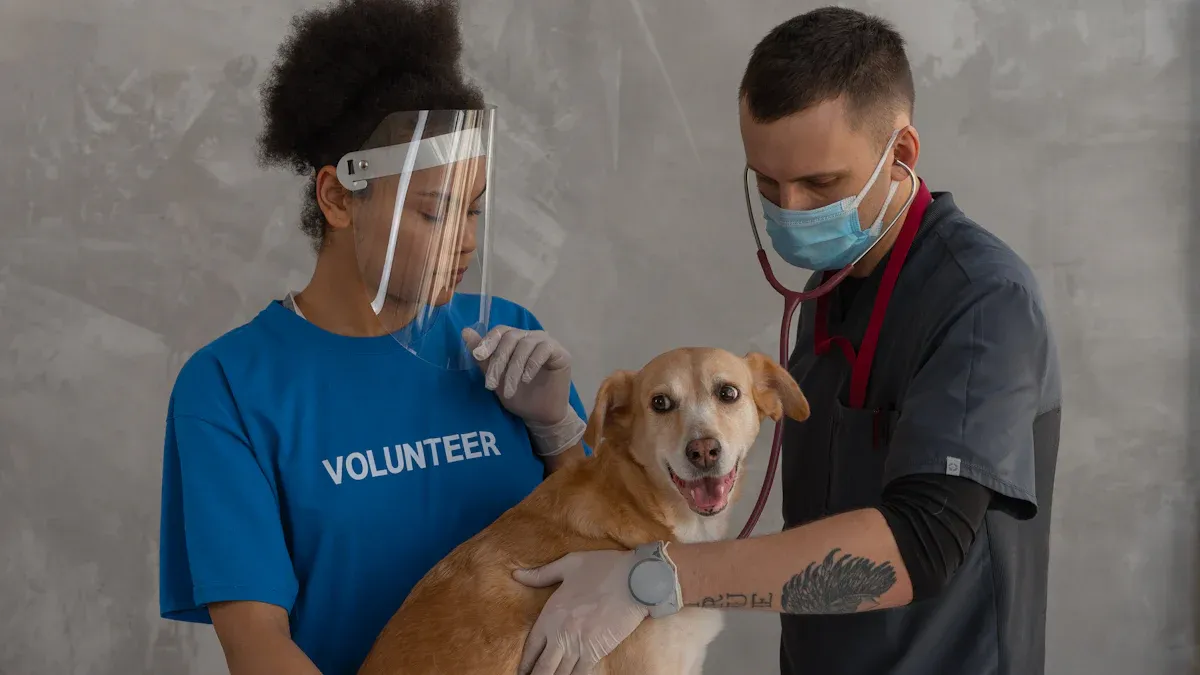
You want your dog to stay healthy, right? The Canine Influenza Virus Antigen Test helps you catch problems early. Did you know that less than 10% of dogs worldwide show signs of the virus, even though both H3N2 and H3N8 strains spread everywhere? Smart Pet Testing gives you peace of mind.
Key Takeaways
- The Canine Influenza Virus Antigen Test helps detect flu early, ensuring your dog stays healthy.
- Choose the right test based on your dog's symptoms and vaccination history for accurate results.
- Consult your vet to find the most reliable test for your dog's needs, as they can guide you in making the best choice.
Overview of Canine Influenza Virus Antigen Tests
Main Types of Antigen Tests
You have a few choices when it comes to testing your dog for the flu. Each test works a little differently. Some give you results fast, while others dig deeper for more details. Here’s a quick look at the main types you might see at your vet’s office:
| Test Type | Description |
|---|---|
| Rapid Influenza Diagnostic Tests (RIDTs) | Quick results within minutes, ideal for veterinary clinics for prompt decision-making. |
| Direct Fluorescent Antibody (DFA) Tests | High specificity and accuracy, valuable for confirming canine influenza diagnosis. |
| Reverse Transcription Polymerase Chain Reaction (RT-PCR) | Highly sensitive and specific, used for detecting viral RNA. |
| Serological Assays | Used to detect antibodies against the virus, helpful in understanding immune response. |
Tip: If you want answers fast, RIDTs can help you make quick decisions. If you need to confirm a diagnosis, your vet might suggest DFA or RT-PCR.
Popular Brands and Products
You might notice several brands when you search for a Canine Influenza Virus Antigen Test. Some focus on speed, while others aim for accuracy or ease of use. Here’s a sample of what’s out there:
| Brand Name | Product Description |
|---|---|
| N/A | Canine Influenza Virus Antigen Rapid Test Kit - Aiming to be a leading brand in the Chinese market, focusing on quality, service, and distribution. |
Many brands compete to offer the best test for your dog. Some products are popular in certain countries or clinics. Always ask your vet which test they trust most.
Head-to-Head Comparison of Major Canine Influenza Virus Antigen Test Products
IDEXX SNAP Canine Influenza Virus Antigen Test
You probably hear about the IDEXX SNAP test at your vet’s office. This test stands out for its accuracy and reliability. You get results in minutes, so you don’t have to wait long. Many clinics trust this test because it rarely gives false positives. If you want a Canine Influenza Virus Antigen Test that vets recommend, this one tops the list.
Anigen Rapid Canine Influenza Virus Ag Test
The Anigen Rapid test gives you quick answers. You just need a small sample from your dog. The test works well for busy clinics that need to make fast decisions. You might see this test used in emergency cases. It’s easy to use and doesn’t require special equipment.
VetScan Canine Influenza Virus Test
VetScan offers a simple test kit. You can get results in less than 15 minutes. The kit comes with clear instructions, so you won’t feel lost. Many pet owners like VetScan because it’s easy to handle and doesn’t need a lab. You get a clear answer fast.
Prometheus Bio Inc. CIV Ag Test
Prometheus Bio Inc. makes a test that focuses on accuracy. You use this test when you want to confirm a diagnosis. The kit works best in clinics with trained staff. You get reliable results, but the process takes a bit longer than some rapid tests.
ViraxVet Canine Influenza Virus Antigen Test Card
ViraxVet’s test card gives you a quick readout. You just add the sample and wait for the lines to appear. The card is small and easy to store. Many vets use this test for screening large groups of dogs. You get results in about 10 minutes.
AffiVET Canine Influenza Virus Ag Rapid Test Card
AffiVET’s rapid test card is popular in animal hospitals. You can use it for routine checks or when you suspect an outbreak. The card is simple to use and doesn’t need extra tools. You get a clear result that helps you decide what to do next.
Kedi Labs 10-Minute Rapid Test for Canine Influenza Virus
Kedi Labs offers a test that works fast. You get results in just 10 minutes. The kit is compact, so you can carry it anywhere. Many mobile vets use this test during house calls. You don’t need special training to use it.
Abbexa Canine Influenza Virus Antigen Rapid Test Kit
Abbexa’s kit is designed for quick screening. You can test several dogs in a short time. The kit is easy to open and set up. You get results that help you spot infections early. Many shelters use Abbexa for routine health checks.
Elabscience Canine Influenza Virus Antigen Lateral Flow Assay Kit
Elabscience uses lateral flow technology. You add the sample and watch for a color change. The kit is reliable and gives you results in less than 20 minutes. You can use it in clinics or at home. The instructions are simple and easy to follow.
Frenovo Biotech Canine Influenza Virus Antigen Rapid Test Kit
Frenovo Biotech makes a rapid test that focuses on speed. You get results in under 15 minutes. The kit is lightweight and easy to store. Many vets use Frenovo for quick screening during flu season. You don’t need extra equipment.
Assure Tech Canine Influenza Virus Antigen Test Device
Assure Tech’s device is user-friendly. You just follow the steps and wait for the result. The device is sturdy and works well in busy clinics. You get a clear answer that helps you decide on treatment. Many vets trust this device for routine checks.
Rapid Labs Canine Influenza Virus Antigen Rapid Test Device
You might want to know about the cost when choosing a test. Rapid Labs offers a test kit with a minimum order of 50 boxes, each box containing 10 tests. You get 500 tests in total. This bulk option works well for clinics that test many dogs.
- Minimum order: 50 boxes (500 tests)
- Each box: 10 tests
- Good for clinics with high testing needs
Pet Healthcare CIV Canine Influenza Virus Rapid Test
Pet Healthcare’s CIV test stands out for its clinical validation. You get high sensitivity and specificity, so you can trust the results. A positive result means your dog has an active infection. Sometimes, false negatives happen, so you may need a follow-up test. Here’s a quick look at the data:
| Evidence Type | Description |
|---|---|
| Test Name | CIV Ag Test |
| Sensitivity | High sensitivity in detecting the Canine Influenza Virus antigen. |
| Specificity | High specificity, although false negatives can occur. |
| Interpretation | A positive result indicates an active infection with the virus. |
You can also use the HI Test to check for antibodies. This test finds responses as early as 7 days after infection. It works best for cases with symptoms lasting more than 5 days.
| Evidence Type | Description |
|---|---|
| Test Name | HI Test |
| Sensitivity | High sensitivity, can detect antibody responses as early as 7 days post-infection. |
| Usage | Recommended for defining influenza virus infection in clinical cases beyond 5 days of symptoms. |
Tip: If your dog shows symptoms for more than a week, ask your vet about the HI Test for a deeper look.
Reliability and Truthfulness of Each Canine Influenza Virus Antigen Test
Sensitivity and Specificity Explained
When you look at a Canine Influenza Virus Antigen Test, you might wonder how well it works. Sensitivity shows how often the test finds sick dogs. Specificity tells you how often the test avoids false alarms. You want both numbers to be high. Here’s a table that shows how some tests perform:
| Test Type | Sensitivity (%) | Specificity (%) |
|---|---|---|
| cELISA | 93.98 | 98.71 |
| HI Assay | High | High |
| FAT | High | High |
If you pick a test with high sensitivity and specificity, you get answers you can trust.
Real-World Performance and User Experiences
You might hear stories from other pet owners or vets. Many say rapid tests give quick results, but sometimes miss mild cases. Some tests, like the ACCUVET CIV AG TEST, work well for checking eye or nose samples. You can use these tests in clinics or at home. Most users like tests that are easy to use and give clear answers. You want a test that fits your needs and gives you peace of mind.
What Studies and Experts Say
Veterinary experts share a few tips when you choose a test:
- The ACCUVET CIV AG TEST helps you find the virus in eye or nose secretions.
- You use this test for animal diagnosis in the clinic.
- It shows sensitivity of 97.20% and specificity of 95.30%.
If you want to make sure your dog gets the right care, ask your vet which test they trust most. You can feel confident when you use a Canine Influenza Virus Antigen Test with strong expert support.
Pros, Cons, and Best Use Cases for Canine Influenza Virus Antigen Tests
Strengths and Weaknesses of Each Test
You want to pick the right test for your dog, but each option has its own ups and downs. Let’s break it down so you can see what works best for you.
Strengths:
- Rapid tests give you answers in minutes. You don’t have to wait or send samples to a lab.
- Many kits work with simple samples like saliva or nasal fluid. You don’t need special tools.
- Most tests have high sensitivity and specificity. You can trust the results for quick screening.
- Some brands, like IDEXX SNAP, rarely give false positives. You get peace of mind.
Weaknesses:
- Rapid tests might miss mild cases. If your dog has very early or weak symptoms, you could get a false negative.
- Some kits need you to follow instructions closely. If you skip a step, the result might not be accurate.
- Tests that need lab equipment or trained staff take longer. You might wait for results.
- Not every test works well at home. Some are best for clinics with skilled workers.
Tip: Always read the instructions before you start. If you feel unsure, ask your vet for help.
Here’s a quick look at features you should consider:
| Feature | Details |
|---|---|
| Intended Use | For rapid screening of Canine Influenza Virus in canine eye and conjunctival secretions, nasal fluid or saliva. |
| Sample Requirements | Suitable for testing eye secretions, nasal fluids, and saliva samples. Must be tested within 1 hour after dilution. |
| Sensitivity | ≥ 95% |
| Specificity | ≥ 97.5% |
| Stability | 2-30 ℃ unopened validity period of 2 years. |
| Precautions | Read instructions carefully before use. |
How to Choose the Right Canine Influenza Virus Antigen Test
Checklist for Pet Owners and Vets
Picking the best test for your dog can feel tricky. You want answers fast, but you also want results you can trust. Here’s a simple checklist to help you get started:
- Check when your dog started showing symptoms. The timing matters for accurate results.
- Ask your vet about the types of tests available. Some work better in the first few days after symptoms appear.
- Think about your dog’s vaccination history. Vaccines can change how the test reads the results.
- Look for tests that match your situation. Some work best in clinics, while others are easy to use at home.
- Read the instructions before you begin. Following each step helps you avoid mistakes.
Tip: If you feel unsure, talk to your vet. They know which test fits your dog’s needs.
Here’s a table to help you see what matters most:
| Factor | Description |
|---|---|
| Timing of Sample Collection | Samples should be taken within a day or two of the onset of clinical signs for accurate results. |
| Types of Tests Available | Options include PCR testing and serology, with PCR being more reliable within the first 4 days. |
| Importance of Vaccination History | Vaccination status can influence test results and interpretation, especially in symptomatic cases. |
Decision Guide for Common Situations
You might wonder which test to use in different scenarios. Let’s break it down:
- If your dog just started coughing or sneezing, choose a rapid test or PCR. These work best early on.
- For dogs with symptoms lasting more than five days, ask about serology. This test checks for antibodies.
- If you run a shelter or clinic, pick a test that lets you screen many dogs quickly.
- For home use, look for kits with clear instructions and easy sample collection.
The Canine Influenza Virus Antigen Test gives you quick answers, but always match the test to your dog’s needs. Your vet can help you decide if you need a rapid test, PCR, or serology.
You want the best for your dog, right? The IDEXX SNAP Canine Influenza Virus Antigen Test gives you reliable answers. Other tests work fast and make things easy. Pick the test that fits your needs. Talk to your vet before you decide. Your dog’s health matters most.
Tip: Ask your vet which test works best for your situation.
FAQ
How fast can I get results from a rapid canine influenza test?
You usually see results in 10–20 minutes. Some tests work even faster. You do not need to wait long for answers.
Tip: Always follow the instructions for the most accurate timing.
Can I use these tests at home, or do I need a vet?
Some rapid tests work at home if you follow the steps. For the best results, ask your vet to help or check your dog.
What should I do if my dog’s test is positive?
- Keep your dog away from other pets.
- Call your vet for advice.
- Watch for new symptoms.
| Action | Why It Matters |
|---|---|
| Isolate | Stops the virus spread |
| Call the vet | Gets expert guidance |
| Monitor signs | Tracks your dog’s health |
See Also
Selecting The Ideal A1 A2 Milk Testing Kit For Dairy
Comprehensive Guide To Choosing Tablet Sampling Machines
Comparing Manufacturers Of Ampoule Filling Production Lines