California DTF Hot Peel Film The 2025 Printing Trend
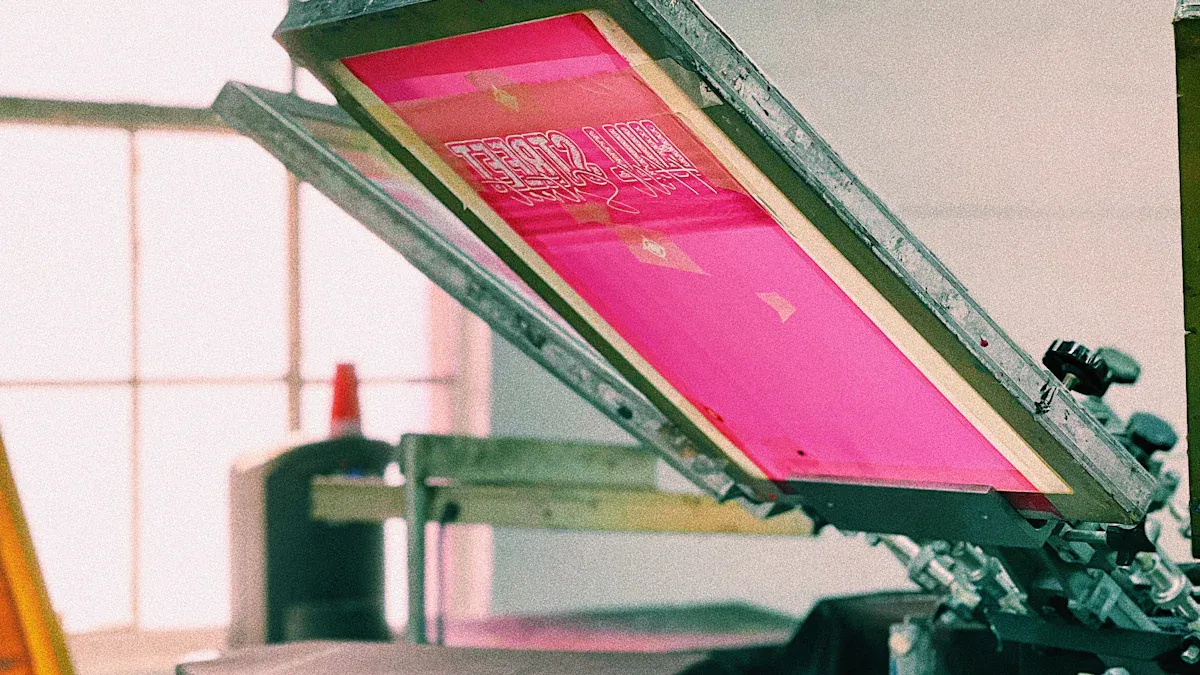
Switching to california dtf hot peel film can dramatically increase a print shop's production speed and efficiency. This advantage, however, comes with a steeper learning curve for application. The primary benefit is the ability to scale operations, while the main trade-off is mastering the precise pressing technique.
Key Takeaways
- Hot peel DTF film helps print shops make clothes much faster. You can peel the film right after pressing, which saves time.
- Hot peel film makes clothes feel softer and look more modern. The colors also look brighter and richer.
- Using hot peel film needs practice. You must learn the right way to press and peel to avoid mistakes and wasted materials.
Key Differences: Hot Peel vs. Cold Peel DTF
Understanding the fundamental distinctions between hot peel and cold peel DTF is crucial for any print shop. The choice impacts everything from production speed to the final garment's appearance.
The Peeling Process Explained
The "peel temperature" defines the core difference between these two films. A film's release layer has a specific chemical composition. This microscopic coating determines the exact temperature at which the ink and adhesive transfer successfully.
- Hot Peel Film: Operators peel the film away immediately after the heat press opens, while the transfer is still hot. Its adhesive is a quicker-setting formula designed for rapid release.
- Cold Peel Film: Operators must wait for the transfer and garment to cool completely before peeling the film. This process uses a stronger bond adhesive that requires time to set properly.
Impact on Workflow and Time
The peeling process directly affects a shop's workflow and overall efficiency. Hot peel film offers a significant time advantage. For a 100-shirt order, the ability to press and peel immediately eliminates the cooling bottleneck. This continuous motion allows a single operator to produce garments much faster. Cold peel, in contrast, introduces a mandatory waiting period for each item, slowing down high-volume production runs and increasing labor costs per piece.
Differences in Finish and Feel
The final product's characteristics vary significantly between the two methods. Hot peel transfers integrate more deeply into the fabric fibers. This creates a desirable soft hand-feel and a modern, matte finish. Cold peel transfers tend to sit more on top of the fabric, resulting in a glossier finish and a slightly thicker feel, similar to traditional vinyl.
| Feature | California Hot Peel | Traditional Cold Peel |
|---|---|---|
| Finish | Matte, less reflective | Glossy or semi-glossy |
| Feel | Softer, more integrated | Slightly thicker hand |
| Durability | Good wash durability | Excellent wash fastness |
While hot peel offers good durability, cold peel's oil-based adhesive composition often provides superior long-term washing fastness, making it a reliable choice for premium apparel requiring maximum longevity.
The Pros: Why Your Shop Should Switch to Hot Peel
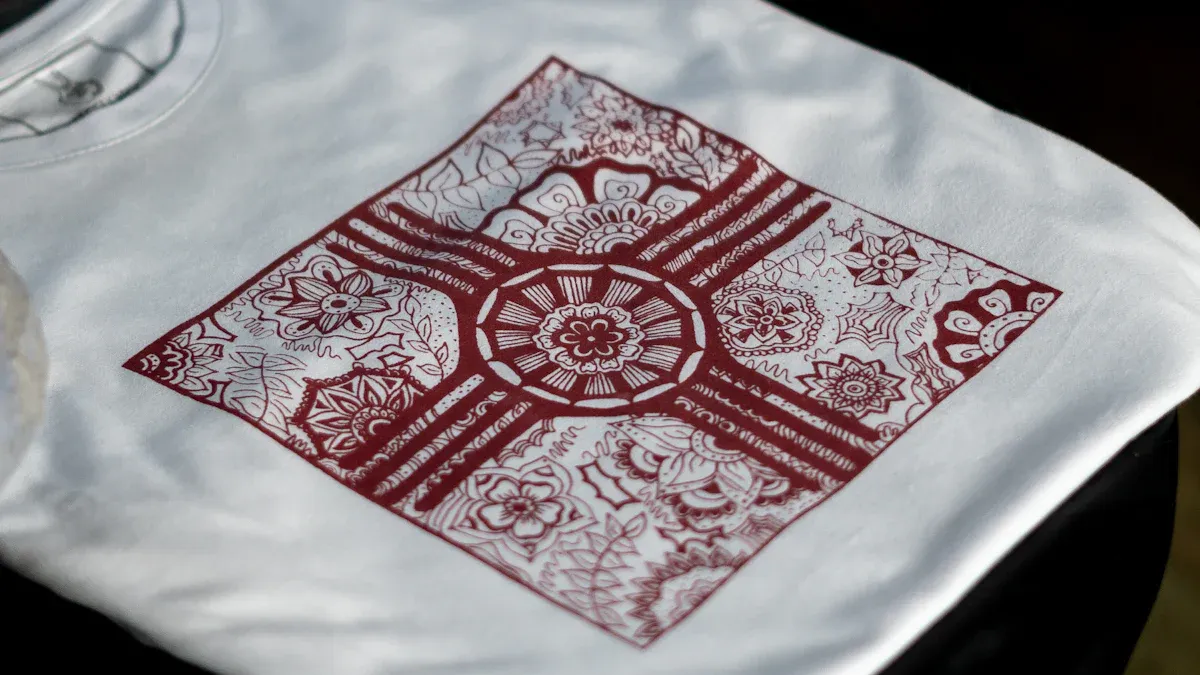
Adopting California hot peel DTF film presents a strategic opportunity for print shops to elevate their production capabilities and product quality. The benefits extend beyond simple speed improvements. They impact workflow, product feel, and final appearance, giving businesses a significant competitive edge.
Drastically Increase Production Speed
Time is the most valuable resource in a production environment. Hot peel DTF technology directly addresses workflow bottlenecks. The primary advantage is the elimination of the cooling period required by cold peel transfers. Operators press the garment and can peel the film away immediately. This single change creates a continuous, uninterrupted workflow.
For high-volume orders, this speed is transformative. A single operator can move from one garment to the next without pausing, dramatically increasing the number of units produced per hour. This streamlined process delivers several key benefits for production lines:
- Rapid Workflow: The immediate peeling process after pressing significantly cuts down the overall production time for each garment.
- High Productivity: Faster production cycles enable shops to process more garments per hour, improving throughput and accommodating larger orders.
- Fewer Interruptions: Removing the cooling step creates a smoother, more manageable workflow ideal for fulfilling bulk orders efficiently.
- Superior Turnaround: This method offers a much faster workflow compared to cold peel, making it the superior choice for jobs with tight deadlines.
Achieve a Softer, Premium Hand-Feel
The final feel of a printed garment, known as "hand-feel," is a critical factor in customer satisfaction. Hot peel transfers excel in this area. During the application process, the heat and immediate peel cause the ink to embed itself into the fabric's fibers rather than sitting on top. This integration results in a print that is remarkably soft and flexible.
Expert Insight: While some traditional transfer methods can leave a rigid, plastic-like feel on the fabric, hot peel technology produces a result closer to premium screen printing. The print moves and stretches with the garment, providing the comfort and quality that consumers expect from high-end apparel.
This softer hand-feel makes garments more comfortable to wear. It also enhances the perceived value of the product. Customers can immediately feel the difference, associating the soft texture with superior craftsmanship.
Enhance Print Vibrancy with a Matte Finish
Hot peel DTF transfers produce a distinct, modern matte finish. This non-reflective surface is highly desirable in today's apparel market. Unlike the glossy or semi-gloss finish of cold peel transfers, a matte look appears more integrated with the fabric, giving it a professional, high-end appearance.
This finish also plays a crucial role in color perception. A matte surface scatters less light than a glossy one. As a result, colors appear deeper, richer, and more vibrant to the human eye. Designs printed with hot peel film often look more saturated and true to the original digital file. This visual pop helps designs stand out, making graphics appear sharper and more impactful on the final product.
The Cons: Challenges of Adopting California DTF Hot Peel Film
While the benefits of hot peel DTF are compelling, a successful transition requires overcoming several key challenges. Shops must prepare for a demanding learning process, manage new cost structures, and understand material limitations. Addressing these potential drawbacks is essential for a smooth and profitable adoption.
Master the Steeper Learning Curve
The speed of hot peel technology comes with a demand for precision. Unlike cold peel, which offers a forgiving cooling window, hot peel requires immediate action. This leaves little room for error. Operators must master the technique to avoid costly mistakes and ensure consistent quality. Success depends on a solid understanding of the entire process, from file preparation to the final peel.
Beginners often encounter issues by overlooking fundamental steps. Common mistakes include:
- Incorrect Heat Press Settings: Every fabric requires precise temperature, pressure, and time. Too much heat can scorch the garment or melt the adhesive, while too little results in a weak bond and peeling prints.
- Choosing the Wrong Consumables: Low-quality film or incompatible ink leads to poor adhesion, faded colors, and failed transfers. The film's release layer and the ink's formulation must work together perfectly.
- Neglecting Fabric Pre-Treatment: Some textiles, especially those with moisture-wicking properties or coatings, need pre-pressing to remove moisture and ensure a flat surface for optimal adhesion.
- Improper Powder Curing: The adhesive powder must be cured correctly to create a durable bond with the ink. Rushing this step is a primary cause of prints failing after washing.
- Poor File Preparation: Graphics with low resolution (below 300 DPI) will produce blurry or pixelated prints, undermining the quality of the final product.
Expert Tip: Mastering the hot peel technique is a process of calibration and repetition. Operators should practice on scrap material to perfect their timing and feel for the peel. A swift, confident peel at a low angle is key to a clean release.
Manage Higher Costs and Potential Waste
Adopting california dtf hot peel film can involve higher upfront and operational costs. The specialized film, inks, and powders are often priced at a premium compared to their cold peel counterparts. Business owners should conduct a thorough cost analysis before making the switch.
A typical breakdown of consumable costs highlights this investment:
| Consumable | Cost Range (per unit) |
|---|---|
| DTF Film (A4 sheet) | $1.50 - $2.50 |
| DTF Film (60cm roll) | $15 - $25 per sq meter |
| CMYK Ink | $0.15 - $0.30 per ml |
| White Ink | $0.40 - $0.60 per ml |
| Hot-Melt Powder | $30 - $40 per kg |
Beyond material costs, the steep learning curve can lead to increased waste during the initial training period. Failed transfers from incorrect peeling, improper heat settings, or environmental factors like high humidity directly impact profitability. Each ruined garment represents a loss of film, ink, powder, and the blank item itself. Effective training and standardized procedures are crucial to minimize this waste and protect profit margins.
Test for Fabric and Design Compatibility
Hot peel DTF is versatile, but it is not a universal solution for every fabric. Certain materials present significant adhesion challenges. Shops must test for compatibility to avoid production issues and ensure product durability. The properties of some textiles can prevent the hot-melt adhesive from forming a strong bond.
Fabrics that often prove difficult for california dtf hot peel film include:
- Heavily Waterproofed Materials: Water-repellent coatings create a barrier that blocks the adhesive.
- Silicone-Coated Fabrics: Silicone finishes are non-stick by nature and actively repel the transfer's adhesive.
- Low-Quality Polyester: Some polyesters can melt, discolor, or shrink at the required application temperatures.
- High-Pile Fleece: The deep texture of thick fleece can prevent the transfer from making even contact, leading to partial adhesion.
Shops should establish a standardized testing protocol for any new fabric before committing to a production run. This simple process saves time, reduces waste, and guarantees a quality result.
- Obtain a Scrap Piece: Always use a sample of the exact fabric for testing.
- Start with Baseline Settings: Begin with a low temperature (e.g., 285°F) and a short press time (10 seconds).
- Apply and Peel: Press the transfer and attempt an immediate hot peel. If it fails, press again for another 5 seconds and re-test.
- Inspect the Result: Check for complete adhesion, vibrant color, and any signs of scorching or fabric damage.
- Perform a Wash Test: A successful wash test is the ultimate confirmation of a durable bond.
- Document Settings: Record the successful temperature, time, and pressure settings for future use.
Decision Guide: Is Hot Peel Right for Your Business?
Choosing between hot peel and cold peel film is a strategic decision. It depends entirely on a shop's production needs, order types, and business goals. This guide helps businesses identify the right technology for their specific situation.
When to Make the Switch
A business should switch to hot peel film when production speed becomes a top priority. The technology offers incredible efficiency for projects with a high volume of prints. This makes it perfect for fulfilling large orders quickly. The immediate peeling process after pressing significantly increases the production rate, allowing shops to handle more work in less time.
Consider making the switch if your shop frequently handles:
- High-Volume Production: Hot peel film is the superior choice for bulk orders and jobs with tight deadlines.
- Event Merchandise: This method efficiently produces large quantities of promotional apparel for events.
- Rapid Turnaround Jobs: The faster workflow allows businesses to accept and complete rush orders with confidence.
Note: The efficiency gains from hot peel are most noticeable in a high-throughput environment. Shops that consistently process hundreds of garments will see the largest return on investment.
When to Stick with Cold Peel
Cold peel film remains a valuable and reliable option for specific applications. Shops should stick with cold peel when their focus is on intricate, high-value items rather than mass production. The slower, deliberate process provides a wider margin for error and often yields superior wash fastness.
Cold peel is the better choice for businesses specializing in:
- Smaller, Premium Orders: Boutique-style apparel and custom one-off items benefit from the glossy finish and robust durability of cold peel.
- Designs Requiring Maximum Longevity: The strong adhesive bond is ideal for workwear or premium garments where long-term wash fastness is critical.
- Beginner-Friendly Operations: The forgiving cooling period makes cold peel easier for new operators to master without wasting materials.
California dtf hot peel film offers unmatched speed and a premium finish, but it demands a precise application process. Businesses that master the technique gain a significant competitive advantage through improved efficiency. Prudent shops should order a sample pack of california dtf hot peel film to test the process before full commitment.
FAQ
What equipment is needed for hot peel DTF?
Businesses need a DTF printer, a powder shaker, and a quality heat press. A controlled environment helps ensure consistent results and reduces waste during production.
Is hot peel as durable as cold peel?
Hot peel offers good wash durability. However, cold peel's stronger adhesive bond provides superior longevity, making it ideal for items like heavy-duty workwear.
What is the best temperature for hot peel film?
The ideal temperature varies by fabric. Operators should always test on scrap material first. A common starting range is 285°F to 320°F for 10-15 seconds.
See Also
Essential Folder Gluer Innovations for 2025 Carton Production Lines
Leading Precoating Materials Optimizing 2025 Filtration System Performance
Analyzing Plate Pack Benefits and Cost-Effectiveness for 2025
Automatic UV Coaters: Indispensable for Modern High-Speed Printing Operations
Identifying the Foremost Nameplate Supplier for Excellence in 2025