2026 Buyer's Guide for Touchless Water Dispensers
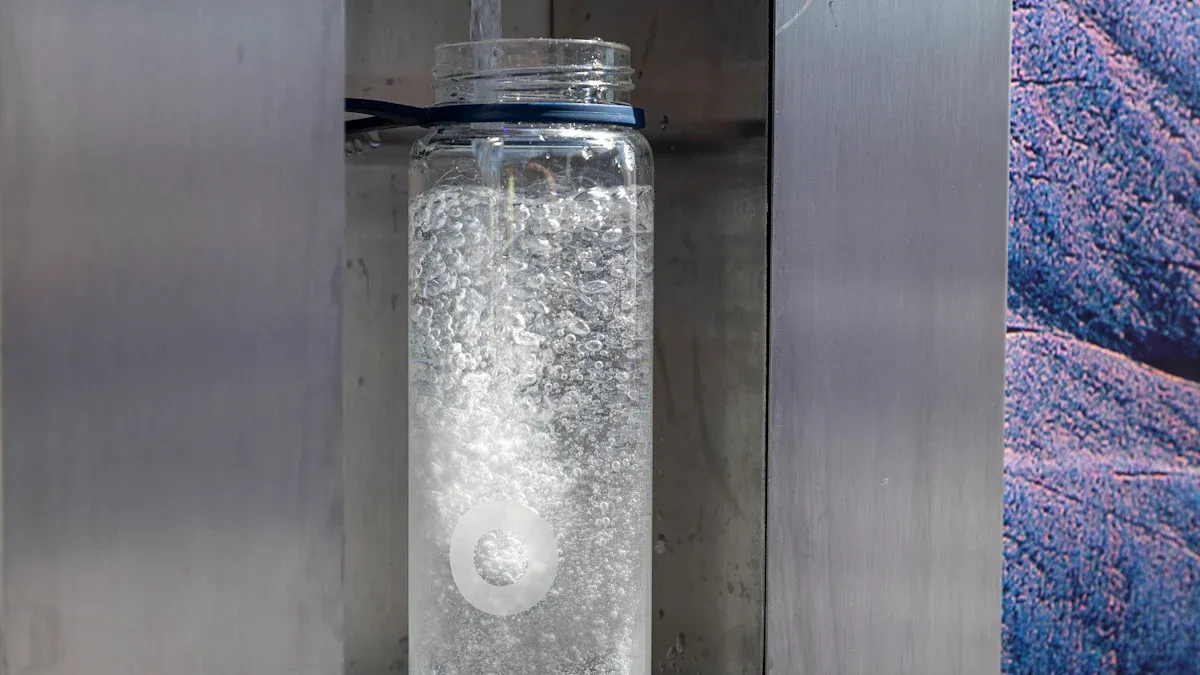
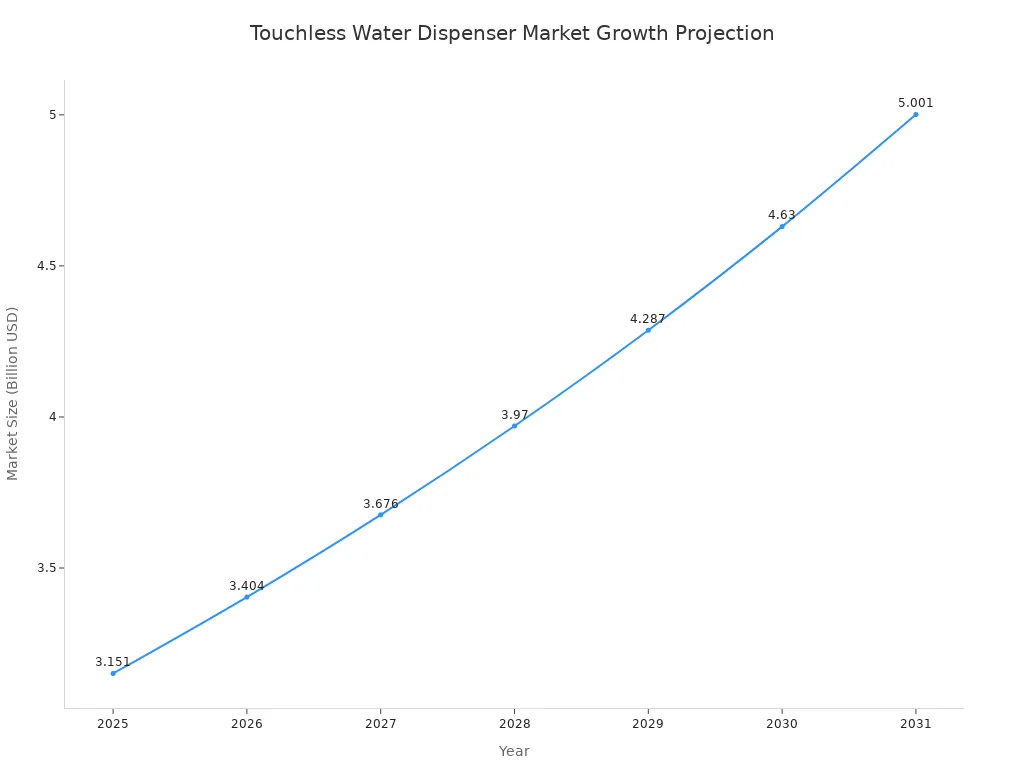
A touchless water dispenser boosts hygiene and convenience in your home or office. More people are choosing these modern devices. This trend reflects a growing focus on health and advanced technology. The market is projected to grow significantly, reaching over $3.4 billion in 2026. This guide will help you understand the essential factors to consider.
Key Takeaways
- Touchless water dispensers improve health by stopping germ spread and offer easy water access.
- Choose between bottled or bottleless dispensers, and pick a filtration system like carbon or reverse osmosis for clean water.
- Consider the dispenser's size, water capacity, and energy use to find the best fit for your home or office.
Why Go Touchless? Key Benefits Explained
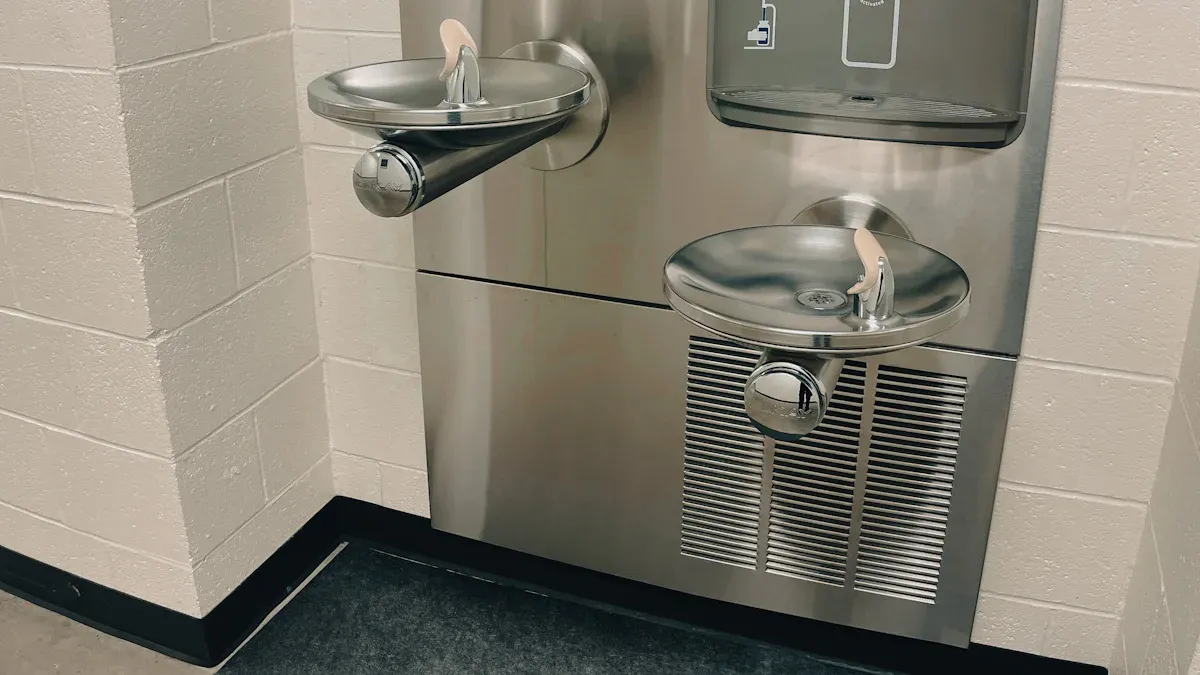
Choosing a touchless water dispenser offers significant advantages for any modern space. You gain more than just a new appliance; you invest in health, efficiency, and sustainability. These benefits make it a smart upgrade for 2026.
Enhanced Hygiene and Safety
You can create a healthier environment by reducing physical contact points. Touchless dispensers allow you to get water without touching buttons or handles. This simple change is crucial for hygiene. It minimizes the transfer of germs and viruses, especially in shared spaces like offices and schools.
This hands-free operation directly limits the spread of pathogens. You help maintain a safer space for everyone by removing the need to touch frequently used surfaces.
Ultimate Hands-Free Convenience
You will enjoy quick and effortless access to water. Motion sensors or foot pedals provide a fast way to fill your glass, bottle, or cooking pot. This feature is perfect for busy moments when your hands are full. Many models also offer:
- Instant hot and cold water for tea or coffee.
- Simple, user-friendly designs for quick filling.
- Fast dispensing that can fill a bottle in under 10 seconds.
Modern and Accessible Technology
You can embrace the latest smart features with a modern dispenser. New models offer advanced controls that improve your experience. Some dispensers allow you to use your smartphone to scan a QR code for touch-free operation, with no app needed. You can also find units with smart energy-saving modes that power down the system when not in use, helping you conserve electricity.
Sustainability and Waste Reduction
You can easily reduce your environmental impact. A touchless water dispenser encourages everyone to use reusable bottles instead of single-use plastics. By providing easy access to filtered water, you help cut down on waste. This simple switch saves thousands of plastic bottles from landfills each year and reduces the energy used for production and transport.
Understanding Core Activation Technologies
You can choose from several activation methods for your touchless water dispenser. Each technology offers a unique way to get water without using your hands. Understanding these options helps you pick the best fit for your needs.
Sensor-Activated (Infrared/PSD)
Sensor-based models are the most common type. You simply place your cup or bottle under the spout to activate the water flow. These dispensers use either traditional Infrared (IR) or advanced Time-of-Flight (ToF) sensors. ToF sensors offer higher precision and reliability, making them ideal for busy areas.
Pro Tip: ToF sensors perform consistently even in difficult lighting conditions, like direct sun or dim rooms. They also reduce false activations from reflections or shadows.
| Feature | Time-of-Flight (ToF) Sensors | Infrared (IR) Sensors |
|---|---|---|
| Accuracy | Millimeter precision | Detects presence or absence |
| Responsiveness | Instant water flow and cutoff | Quick activation response |
| Reliability | Lower failure rate; fewer false triggers | Can have false triggers |
| Best For | High-traffic commercial spaces | Standard home or office use |
Foot Pedal Operation
Foot-operated dispensers provide a simple and reliable mechanical solution. You press a pedal on the floor to start and stop the water. This design is durable and does not rely on power for activation, making it a great choice for workshops or industrial settings where hands are often dirty.
App and QR Code Control
Modern dispensers offer smart, connected features. You can use your smartphone to operate the machine.
- You scan a QR code on the dispenser.
- Your phone opens a control menu in your web browser.
- You select your water choice, and the machine dispenses it.
This method works using your phone's Wi-Fi or cellular connection. Many systems also support secure, cashless payments through an app, protecting your transaction data with advanced encryption.
Paddle-Activated Dispensers
Paddle dispensers offer a semi-touchless option. You press a cup or bottle against a large lever, or paddle, behind the spout. This action dispenses the water. While it requires contact, you avoid touching buttons with your fingers. This makes it a hygienic and straightforward choice for many environments.
Critical Factors for Your Touchless Water Dispenser Purchase
You need to consider several key factors before buying a touchless water dispenser. Your choice will depend on your specific needs, space, and budget. Evaluating these points carefully ensures you find the perfect unit for your home or office.
Water Source: Bottled vs. Bottleless
You must first decide between a bottled or a bottleless water dispenser. Bottled units use large, replaceable plastic jugs. Bottleless models, also known as point-of-use (POU) systems, connect directly to your building’s water line. Bottleless systems offer greater convenience and long-term savings. They provide an endless supply of filtered water without the need for deliveries or heavy lifting.
Note: While bottled dispensers are easy to set up, bottleless systems are often a more sustainable and cost-effective choice for long-term use in both homes and offices.
This table breaks down the key differences to help you decide.
| Feature | Bottled Water Dispenser | Bottleless Water Dispenser |
|---|---|---|
| Long-Term Cost | Higher due to recurring bottle purchases and delivery fees. | Lower, with a one-time installation cost and filter changes. |
| Convenience | Requires ordering, storing, and lifting heavy bottles. | Provides an unlimited supply of water on demand. |
| Environmental Impact | Creates significant plastic waste and carbon emissions. | Reduces plastic waste and has a much lower carbon footprint. |
| Health & Safety | Risk of contamination during bottle changes; potential for BPA. | Provides consistently pure water with multi-stage filtration. |
| Space Needed | Requires extra space to store full and empty bottles. | Compact design frees up valuable storage space. |
Filtration Systems: Carbon to Reverse Osmosis
The filtration system determines your water’s purity and taste. You can choose from several types of filters. Each one targets different contaminants. Understanding them helps you get the water quality you want.
- Activated Carbon: This is the most common filter type. It uses adsorption to remove chlorine, sediment, and volatile organic compounds (VOCs). This process greatly improves your water's taste and odor.
- UV Filtration: This system uses ultraviolet light to neutralize microorganisms. It deactivates bacteria, viruses, and other pathogens by disrupting their DNA. UV filters ensure your water is biologically safe but do not remove chemical pollutants.
- Reverse Osmosis (RO): This is the most powerful filtration method. It pushes water through a semipermeable membrane, removing up to 99% of total dissolved solids (TDS). This includes heavy metals, salts, and fluoride.
| Filtration Type | Removes Chemicals (Chlorine, VOCs) | Removes Microbes (Bacteria, Viruses) | Removes Dissolved Solids (Metals, Salts) |
|---|---|---|---|
| Activated Carbon | ✅ Excellent | ❌ Poor | ❌ Poor |
| UV Filtration | ❌ Poor | ✅ Excellent | ❌ Poor |
| Reverse Osmosis (RO) | ✅ Good | ✅ Good | ✅ Excellent |
While RO systems produce exceptionally pure water, the process also removes beneficial minerals like calcium and magnesium. This can make the water taste flat. Many modern RO systems include a final remineralization stage. This step adds healthy minerals back into the water to improve its taste and health benefits.
Capacity and Performance
You should think about how much water your household or office uses daily. A dispenser's capacity and performance are crucial for meeting demand without long waits.
- Capacity: This refers to how much water the internal hot and cold tanks can hold. A larger capacity is better for high-traffic areas to ensure a steady supply.
- Flow Rate: This measures how quickly the dispenser fills a cup. A fast flow rate is convenient in busy environments.
- Recovery Rate: This is how long the unit takes to chill or heat a new batch of water after the tank is emptied. A quick recovery rate means less downtime.
Temperature Options
Most dispensers offer hot and cold water, but your options do not stop there. You can find models that provide:
- Cold Water: Perfect for refreshing drinks.
- Hot Water: Ideal for tea, coffee, or instant meals. Look for units with child-safety locks.
- Ambient Water: Dispenses filtered, room-temperature water.
- Extra-Hot Water: Some models offer higher temperatures for better brewing.
- Sparkling Water: High-end units can carbonate your water for a fizzy treat.
Space and Installation
You need to make sure your new dispenser fits your intended space. Dispensers come in two main styles: countertop and freestanding.
- Countertop Models: These are compact and designed to sit on a counter, fitting neatly under standard overhead cabinets. A typical unit might measure around 17.6 inches high, 14.6 inches wide, and 22.1 inches deep.
- Freestanding Models: These are taller, self-contained units. Some countertop models can be converted into freestanding ones with an optional base stand, reaching a height of about 42 inches.
Installation for a bottled dispenser is simple—just plug it in. A bottleless dispenser requires professional installation to connect it to your water line, but it is a permanent and hassle-free solution once set up.
Energy Efficiency and Maintenance
Modern dispensers come with features to reduce electricity use. Look for an ENERGY STAR® certified model or one with a programmable sleep mode. These features power down the heating and cooling systems during off-hours, saving you money.
Routine maintenance keeps your dispenser running smoothly and hygienically. Some companies offer service plans that include professional cleaning and filter changes. If you manage maintenance yourself, follow a schedule like this one.
| Maintenance Task | Recommended Frequency |
|---|---|
| Wash the Drip Tray | Weekly |
| Clean the Outer Cabinet | Weekly |
| Sanitize Water Reservoirs | Monthly |
| Replace Filters | Every 6-12 Months |
| Schedule a Professional Inspection | Annually |
Top Touchless Water Dispenser Models for 2026
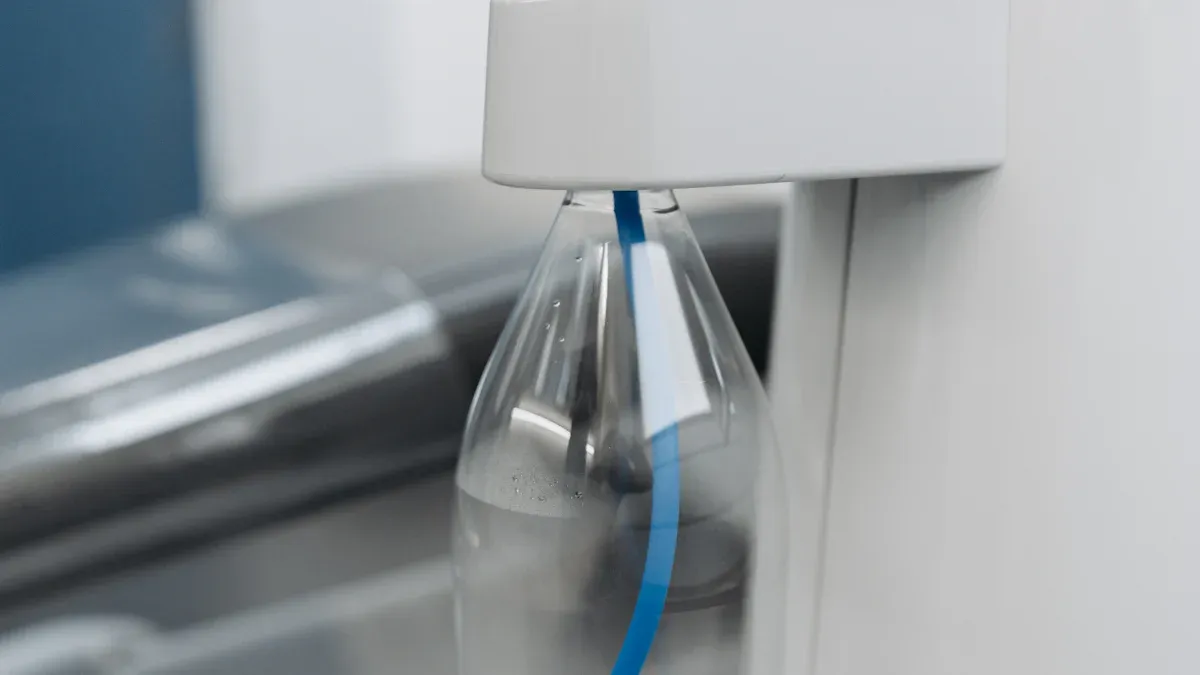
You are ready to find the perfect model for your space. This section reviews the top dispensers for different needs. You can find the right fit for a busy office, a modern kitchen, or a hygiene-focused clinic.
Best for High-Traffic Offices
You need a durable and efficient dispenser for a busy office. The best models offer unlimited water, enhanced hygiene, and user-friendly features to keep your team hydrated and productive. Look for units that connect directly to your water line. This eliminates the hassle of refilling bottles.
Key features for an office dispenser include:
- Touchless Activation: You can choose from foot pedals, sensors, or QR codes to minimize germ spread.
- High Capacity: A direct water line connection ensures an endless supply for everyone.
- Energy Efficiency: Models with sleep modes help reduce electricity costs.
- Temperature Options: Providing hot, cold, and even sparkling water caters to all preferences.
For a premium experience, you might consider the Bevi Flavored Water Dispenser. It offers touchless dispensing and lets you customize your drink with different flavors and sparkling water options.
For robust, high-demand environments, the Atlantis series offers several excellent choices. These units are known for their durability and performance.
- Atlantis Big Plus: This model is ideal for medium-sized offices. It supports RO water input and has a fast cooling system.
- Atlantis Prime: You get a dispenser and a storage cabinet in one. It is perfect for offices that need to save space.
- Atlantis Jumbo: This high-capacity unit is built for large corporate spaces and includes a refrigerator.
- Atlantis Air Press: This model provides a completely hands-free experience with its hygienic air press system.
Best for Modern Homes
Your modern kitchen deserves a dispenser that blends style with smart technology. In 2026, nearly 70% of homeowners see touchless features as essential. You can find models that integrate with your smart home system, allowing voice activation and custom temperature settings. Designs have also evolved, with finishes like matte black, brushed nickel, and gunmetal grey becoming popular.
A great touchless water dispenser for your home should offer a mix of convenience, style, and advanced filtration. The table below highlights key features you should look for.
| Feature | Description | Why It's Great for Your Home |
|---|---|---|
| Touchless Technology | Sensors detect your hand or cup for hands-free use. | You can minimize mess and keep your kitchen hygienic. |
| Pull-Down Sprayer | A detachable sprayer makes rinsing and cleaning easy. | You gain efficiency for cleaning large pots and pans. |
| High Arc Spout | An elevated design gives you more clearance. | You can easily fill tall bottles and large cookware. |
| Adjustable Stream | You can switch between a steady stream and a spray. | You get versatility for different kitchen tasks. |
The Avalon A8 is a popular countertop choice. It has a compact, bottleless design with built-in filtration and a self-cleaning feature. It also includes a child safety lock for the hot water. However, it uses paddle levers, which are not fully touchless, and its drip tray is small.
Another option is the Avalon A5. This bottleless model features stainless steel construction, an auto-cleaning system, and easy filter setup. It is more expensive, but it eliminates the need to swap heavy bottles.
Best for Hygiene-Critical Environments
You must prioritize safety in environments like hospitals, labs, or clinics. Dispensers in these settings need advanced sanitation features to prevent the spread of pathogens. Look for models with UV-C purification, which uses ultraviolet light to neutralize bacteria and viruses.
The Borg & Overström E6 is designed specifically for these needs. It meets strict healthcare water quality standards.
- It uses Viovandt®, a UV-C LED system, to purify water at the point of dispensing.
- It offers completely touchless operation with its SensorBeam® technology.
- It features antimicrobial surfaces to further reduce contamination risks.
You should also check for specific certifications to ensure the dispenser meets safety standards. These certifications confirm that the unit effectively removes contaminants and is made from safe materials.
| Certification | What It Guarantees for You |
|---|---|
| NSF/ANSI P231 | Verifies the reduction of bacteria, viruses, and other microbes. |
| NSF/ANSI 53 | Confirms the removal of health-related contaminants like lead and cysts. |
| NSF/ANSI 61 | Ensures the materials in the dispenser will not leach harmful chemicals into your water. |
Best Budget-Friendly Option
You can still get the benefits of touchless technology without a high price tag. Budget-friendly models offer core features that provide convenience and better hygiene for your home or small office.
The Avalon A1 is a great example of an affordable yet effective dispenser.
- Pros: It features touchless dispensing for cold water, making it easy to get a refreshing drink. Its compact size is perfect for small spaces, and it has a solid build quality for its price.
- Cons: The hot water uses a stiff lever, and its temperature is better for instant coffee than for tea. The levers do not detach for easy cleaning.
This model gives you essential hands-free convenience where you need it most—for cold water—while keeping the cost down. It is a practical choice if you are new to touchless dispensers or have a limited budget.
Making Your Final Decision
You have all the information to choose the right touchless water dispenser. This final step helps you organize your thoughts and make a confident purchase. You can use this checklist to narrow down your options and select a model that will serve you well for years.
A Quick-Check Buying Checklist
Use this simple checklist to guide your final choice. Answering these questions will ensure you cover all the important bases before you buy.
- Test Your Water: Do you know what impurities are in your water? This helps you pick the right filtration, from carbon to reverse osmosis (RO).
- Measure Your Space: Will the dispenser fit in your kitchen or office? Check the unit's dimensions carefully.
- Calculate Usage: How many people will use the dispenser daily? This determines the capacity you need.
- Compare Prices: Have you looked at different retailers for the best deal?
- Read Recent Reviews: What are current users saying about the model you like?
This table can help you match the activation technology to your needs.
| Touchless Technology | Best For Daily Users | Key Advantage |
|---|---|---|
| Sensor (PSD) | < 25 to < 100 | Hygienic hover activation |
| Foot Pedals | < 50 | Simple, reliable mechanical use |
| QR Codes | < 100 | Offers flavor customization |
| Paddles | < 50 | Cost-effective germ reduction |
Future-Proofing Your Investment
You want a dispenser that lasts. Look for models with emerging technologies to ensure your investment stays relevant. Future-proof features add long-term value and convenience.
Smart Tip: Choosing a dispenser with modern features ensures it meets tomorrow's standards for hygiene, efficiency, and convenience.
Consider these forward-thinking features:
- Smart IoT Integration: Get filter life alerts and usage data sent directly to your phone.
- Advanced Filtration: Systems with UV sterilization and RO are becoming standard for pure water.
- Energy Efficiency: Look for models with better insulation and low-power modes to save on electricity.
- Subscription Services: Some brands offer programs that automatically send you new filters, simplifying maintenance.
You can now select the perfect touchless water dispenser. Your choice should match the unit’s technology and features to your specific needs.
Use this guide’s insights to make a confident purchase. You will find the best dispenser for 2026 and the years ahead.
FAQ
How often should you clean a touchless water dispenser?
You should clean the drip tray and exterior weekly. Sanitize the internal reservoirs monthly. This routine keeps your water fresh and your unit hygienic for safe use.
Are sensor dispensers better than foot pedal models?
Sensor models offer modern convenience for offices. Foot pedals provide durable, power-free operation for workshops. Your best choice depends on your environment and daily use needs.