The Complete Buyer's Guide for Countertop Water Dispensers
The countertop water dispenser market is a $2.1 billion industry. This growth is driven by consumer concerns over tap water contaminants like chlorine and lead. Choosing the right unit ensures you get clean, great-tasting water.
Tip: Find your ideal dispenser by matching filtration to your water quality. Decide on features like a table top hot water dispenser and plan for future maintenance costs.
Key Takeaways
- Choose between bottleless or bottled dispensers based on your needs. Bottleless units connect to your water line. They save money and help the environment. Bottled units use large jugs. They are easy to set up.
- Pick features like hot water and good filtration. Hot water needs safety locks. Filtration systems remove bad things from water. Reverse osmosis is a strong filter. Carbon filters improve taste.
- Plan for long-term costs. Filters need changing. Energy use adds to bills. Clean your dispenser often. This keeps your water safe and fresh.
Step 1: Choose Your Water Source Type
Your first major decision is choosing how your dispenser gets its water. This choice affects cost, convenience, and your environmental footprint. You will select either a bottleless unit that filters your tap water or a bottled dispenser that uses large water jugs.
Bottleless (Point-of-Use) Dispensers
Bottleless dispensers connect directly to your home's water line. They provide a continuous supply of filtered water, so you never run out. These units have a higher upfront cost. However, you can save significantly over time. Some users report savings of around 80% compared to bottled water delivery services.
Key Benefits of Bottleless Dispensers:
- Cost-Effective: Your ongoing cost is just pennies per gallon for tap water.
- Eco-Friendly: You eliminate plastic bottle waste. Globally, only 9% of plastic is recycled.
- Convenient: You get an endless supply of water without storing or lifting heavy jugs.
These systems do require a nearby water line for installation and periodic filter changes to keep the water pure.
Bottled Water Dispensers
Bottled water dispensers are a classic choice. You place them anywhere with an electrical outlet. They have a lower initial purchase price and are simple to set up. You just load a 3- or 5-gallon water jug on top.
However, you must consider the long-term commitments. You will need significant storage space for both full and empty bottles. Replacing these jugs also requires lifting over 40 pounds each time. The plastic bottles themselves create a large environmental impact, as each one can take over 450 years to decompose in a landfill. This option requires you to manage a constant cycle of purchasing, storing, and replacing bottles.
Step 2: Select Key Features for Your Lifestyle
After choosing your water source, you can focus on features that fit your daily routine. Modern dispensers offer more than just water; they provide convenience tailored to your needs.
Understanding Temperature Settings
Think about how you will use your water. Most dispensers offer at least two temperatures: cold and room temperature. Many models also provide hot water. This feature is perfect for making instant tea, coffee, or oatmeal. You should select a unit with temperature options that match your family's habits.
Choosing a Table Top Hot Water Dispenser
If you want instant hot water, safety is a top priority. A quality table top hot water dispenser includes key safety features to prevent accidents. Look for these protections:
- Dry-burn protection stops the unit from heating when the water level is too low.
- Safety locks on the hot water handle prevent accidental dispensing by children.
- Overheat protection automatically cuts power if the unit gets too hot.
These features ensure your table top hot water dispenser operates safely in your home.
Capacity and Dispensing Speed
Internal tank capacity determines how much hot or cold water is ready at any moment. Dispensing speed measures how quickly the unit fills your cup. Some models can dispense an 8-ounce glass in about 8 seconds, while others are even faster. A faster flow rate is useful for filling large water bottles or pots quickly.
Measuring for Size and Footprint
Counter space is valuable. Before you buy, measure the area where you plan to place the unit. Pay attention to height, especially if you have overhead cabinets. A common size for a table top hot water dispenser is around 13 inches wide by 12 inches deep and 20 inches tall. Always check the product's specific dimensions to ensure a perfect fit.
Step 3: Understand Filtration Systems
The filtration system is the heart of your water dispenser. It determines which contaminants are removed from your water. You should choose a system based on your local water quality and health concerns.
Reverse Osmosis (RO) Filters
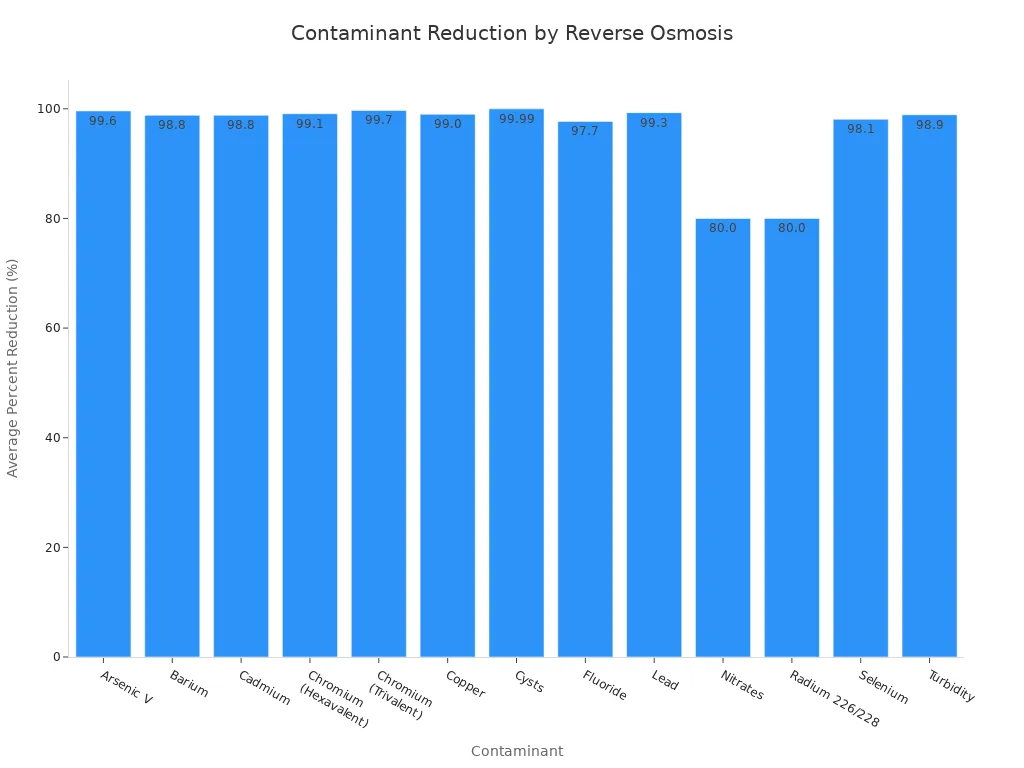
Reverse osmosis offers one of the most thorough filtration methods available. An RO system pushes water through a semipermeable membrane. This process effectively removes a vast range of contaminants. It can reduce up to 99% of harmful substances, including PFAS chemicals, heavy metals, and dissolved solids.
Did You Know? RO systems also remove beneficial minerals like calcium and magnesium. However, you get most of these essential minerals from food, not water. Some advanced RO dispensers even add healthy minerals back into the purified water.
RO filtration provides excellent protection against many common water issues.
UV Purification Systems
UV purification is a chemical-free way to ensure your water is microbiologically safe. These systems use ultraviolet light, specifically UV-C light, to target harmful microorganisms. The light damages the DNA and RNA of bacteria and viruses. This process renders them unable to reproduce and cause illness. A UV stage is an excellent final barrier against pathogens that may have slipped past other filters. It is especially useful if you are concerned about bacteria in your water source.
Carbon and Sediment Filters
Carbon and sediment filters are the most common types found in water dispensers. They work together to improve your water's quality.
- Sediment Filters: These act as a first line of defense. They capture large particles like sand, rust, and dirt. This protects finer filters from clogging.
- Activated Carbon Filters: These filters are masters of absorption. They excel at removing chlorine, which improves taste and odor. They also reduce pesticides, industrial solvents, and other organic chemicals. However, they do not remove minerals, fluoride, or microbes.
Step 4: Compare Top Countertop Water Dispenser Models
Now that you understand the key features, you can compare some of the best models on the market. We have selected three top performers that excel in different areas. This will help you find the perfect match for your home or office.
Avalon A5: Best Overall Performance
The Avalon A5 Bottleless Water Cooler is an excellent all-around choice. It connects directly to your water line, providing an endless supply of filtered water. This model gives you three temperature settings: crisp cold, room temperature, and steaming hot. Its dual filtration system uses a sediment filter and a carbon block filter. Together, they reduce chlorine, lead, and bad tastes.
Key Features of the Avalon A5:
- Three Temperatures: Get hot, cold, or room temperature water with the push of a button.
- Child Safety Lock: The hot water spout includes a safety lock to prevent accidental burns.
- Nightlight: A built-in LED nightlight makes it easy to get water in the dark.
This unit is a reliable table top hot water dispenser and cooler in one. It offers great features and consistent performance, making it ideal for most families and small offices.
AquaTru Carafe: Best for Advanced Filtration
If your main concern is water purity, the AquaTru Carafe is the top contender. This unique countertop system does not connect to a water line. Instead, you fill its tap water tank, and it purifies the water into a removable glass carafe. It uses a powerful 4-stage reverse osmosis filtration process. This advanced system is certified to remove over 80 different contaminants, giving you peace of mind.
These include:
- Lead
- Chromium-6
- Chlorine
- Fluoride
- PFAs
- Nitrates
- Arsenic
- Copper
- Radium
- Glyphosate
- Sediment
- Cloudiness (turbidity)
- Toxic organic chemicals
The AquaTru Carafe is perfect for renters or anyone who wants the highest level of filtration without permanent installation. You get RO-purified water in a convenient, portable design. 💧
Brio Moderna: Best Compact Design
You do not need to sacrifice features for a smaller space. The Brio Moderna is a bottom-loading bottled water dispenser with a sleek, compact design. Its modern look fits well in any kitchen or office. Because it loads from the bottom, you will never have to lift and flip a heavy 40-pound water jug again.
This model functions as a complete table top hot water dispenser, providing hot, cold, and room temperature water on demand. It also includes a child safety lock for the hot water button. If you have limited counter space but still want the convenience of a full-service water cooler, the Brio Moderna is an outstanding choice.
Step 5: Plan for Long-Term Maintenance and Costs
Your new water dispenser is an investment in your health and convenience. You should also plan for its ongoing upkeep. Factoring in future costs for filters, energy, and cleaning will help you make a smart long-term decision.
Filter Replacement Schedules and Costs
Bottleless dispensers require regular filter changes to provide pure water. The replacement schedule depends on the filter type and your water usage. Carbon and sediment filters typically last 6 to 12 months, while a reverse osmosis membrane can last for several years.
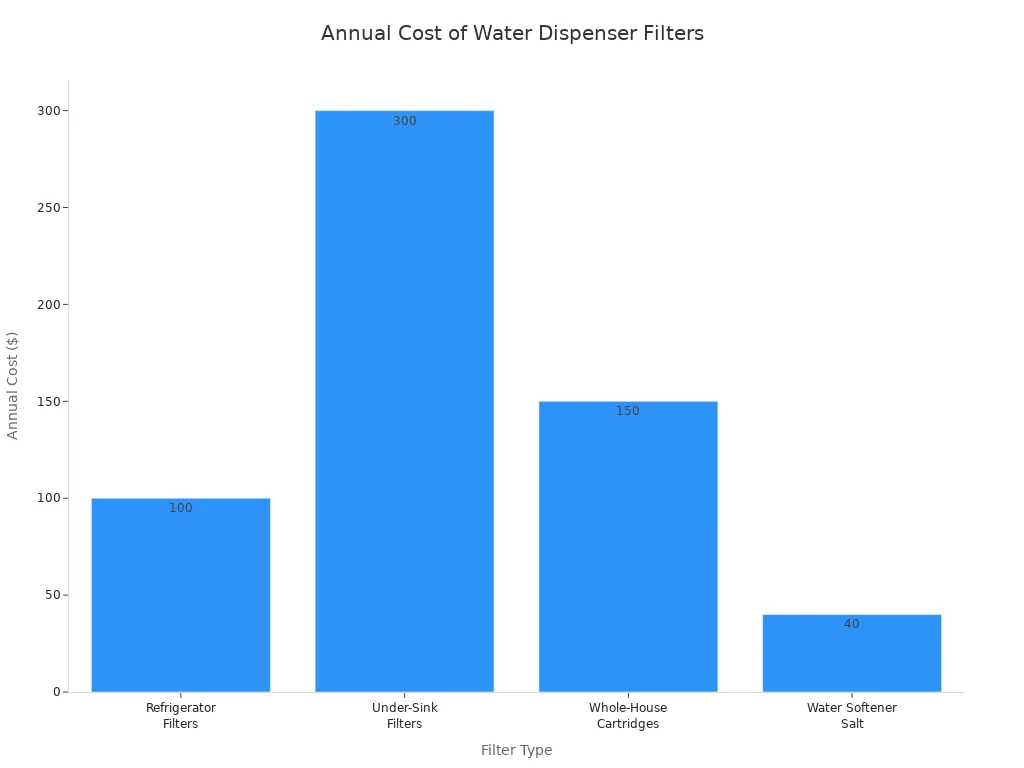
Annual filter costs can vary significantly. Some filters offer a lower cost per gallon, providing better value over their lifespan. The chart below shows how different filter systems compare in annual replacement costs.
Energy Consumption and Operating Costs
Your water dispenser will use electricity, especially if it heats and cools water. Models with hot water functions consume more power to keep the tank at a constant temperature. To manage these operating costs, you can look for dispensers with an ENERGY STAR certification. These units are designed to be more energy-efficient, saving you money on your utility bills.
Routine Cleaning and Descaling
Regular cleaning is essential for preventing the growth of bacteria and mold. Standing water inside a dispenser can create an ideal environment for germs to multiply.
“Ambient bodies of standing water within an appliance provide the ideal conditions for bacteria to grow. This is the problem. You have a dead area of water where bacteria can attach themselves to the inside of the bottle and propagate.”
– Dan Stafford, Microbiologist
You should clean your dispenser every few months. Follow these general steps:
- Unplug the unit and let the hot tank cool down.
- Drain all water from the reservoirs.
- Create a cleaning solution using one part white vinegar and one part water.
- Fill the reservoirs with the solution and let it sit for 15 minutes.
- Drain the solution through the spigots.
- Rinse the system thoroughly with fresh water two or three times to remove any vinegar taste.
This simple routine keeps your water safe and tasting great. 🧼
You now understand the choice between bottleless and bottled water dispensers. Match key features like filtration systems and temperature settings to your daily needs. Consider long-term costs for filters and energy use for a smart investment. You can now confidently choose the ideal dispenser for your home or office. ✅
FAQ
How often should I clean my water dispenser?
You should clean your dispenser every 3 to 6 months. This simple routine prevents bacteria buildup. Regular cleaning keeps your water tasting fresh and safe for your family to drink. 💧
Can I use well water in a countertop dispenser?
Yes, you can use well water. You must choose a model with a powerful filtration system. Look for a unit with reverse osmosis (RO) or UV purification for safety.