Retro Water Dispenser A Buyer's Essential Guide
You must balance vintage style with modern needs to choose the right retro water dispenser. Your key to success is evaluating five essential factors. This evaluation ensures you find a perfect match for your home.
Key Factors to Consider:
- Style & Authenticity
- Type & Size
- Features & Temperature
- Quality & Durability
- Maintenance
Key Takeaways
- Choose a retro water dispenser that fits your style and space. Consider its design, size, and whether it uses bottles or connects to a water line.
- Look for modern features like temperature settings and safety locks. Check for energy efficiency to save money and help the environment.
- Ensure the dispenser is well-made and easy to clean. Good materials and regular cleaning keep your water safe and your dispenser working for a long time.
How to Define Your Retro Style
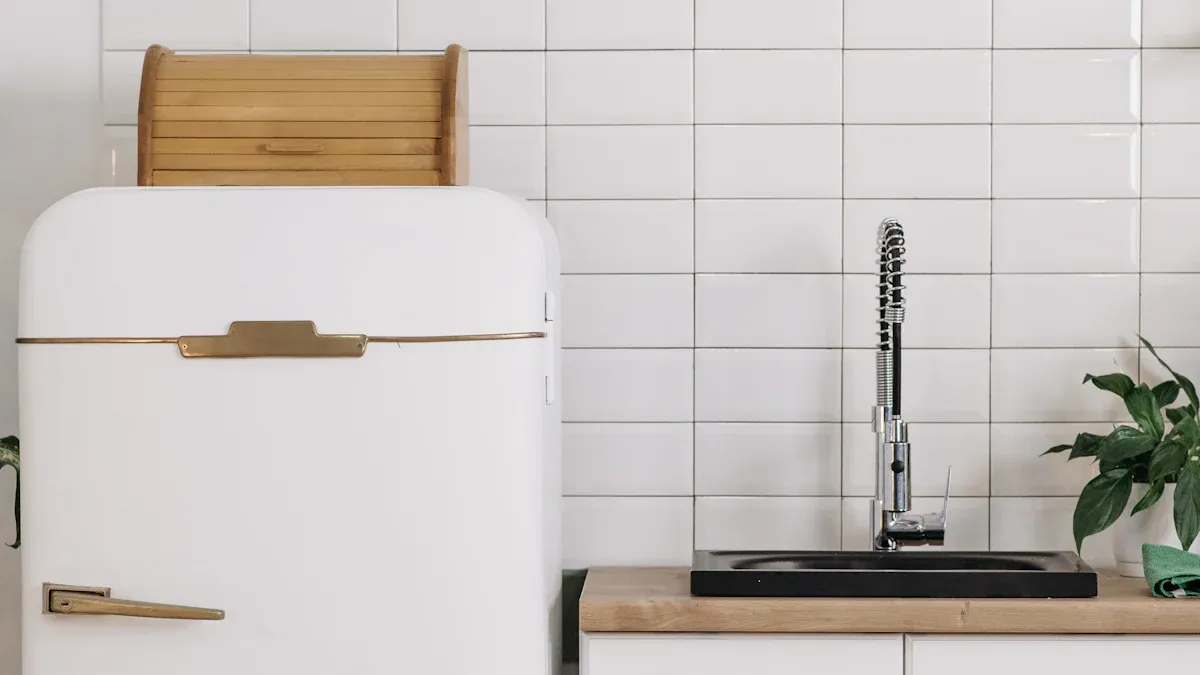
Your journey to the perfect retro water dispenser begins with style. You must first define the specific vintage look you want to achieve. This ensures your new appliance complements your existing decor.
Identify the Design Era
Retro style spans several decades, each with a unique personality. You should choose an era that speaks to you. The 1950s and 1960s are popular choices for kitchen appliances. Each decade had distinct design characteristics.
| Decade | Appliance Characteristics |
|---|---|
| 1950s | Bright pastels, bubble shapes, colored options to match cabinets, geometric designs |
| 1960s | Bright, 'kooky' colors (e.g., mod orange, lime green), modern designs with straight lines, introduction of stainless steel options |
Select Your Color and Finish
Color is the most exciting part of choosing a retro appliance. You can select classic pastels or bold, 'kooky' colors like lime green. Recently, off-white has become a popular choice. Design expert Linda Hayslett notes that off-white appliances have a charming, nostalgic quality. This trend blends familiar comfort with a fresh look. Major brands like KitchenAid and Bella now offer off-white collections, confirming this style's appeal.
Pro Tip: Consider a matte or glossy finish. A glossy finish often feels more authentic to the mid-century era, while a matte finish can provide a modern twist on the retro look.
Inspect Hardware and Details
Authenticity lives in the details. You should inspect the small components of the appliance. These elements complete the vintage aesthetic. Look for features that capture the spirit of the era.
- Polished chrome accents
- Chunky, tactile control knobs
- Vintage-inspired logos or branding
- Curved edges and smooth lines
Paying attention to these details will help you find a truly special piece for your home.
Choosing the Right Type and Size
After defining your style, you must select the right type and size for your space. This decision impacts both function and fit within your home. You need to consider your household's water consumption and the physical layout of your room.
Freestanding vs. Countertop
Your first choice is between a freestanding unit and a compact countertop model. Each type serves different needs. Freestanding models are larger and stand on their own, while countertop versions sit on an existing surface.
- Countertop Models: These have a smaller capacity. They are great for individuals or small families with moderate daily water needs.
- Freestanding Models: These offer a much larger capacity. They are ideal for busy households or offices that require a lot of water.
Measure Your Space
You must measure your intended location before you buy. A perfect fit ensures your new appliance looks intentional, not crammed. Grab a tape measure and check the height, width, and depth of the area.
Pro Tip: Remember to leave extra space around the unit. Most dispensers need at least a few inches of clearance on the back and sides for proper ventilation to prevent overheating. 📏
Bottled vs. Bottleless
Next, you will choose between a bottled or bottleless system. Bottled dispensers use large, replaceable plastic jugs. Bottleless models connect directly to your water line and filter the water on demand. Your choice has a significant environmental impact. Using a bottleless retro water dispenser is a more sustainable option.
- An estimated 80% of plastic water bottles end up in landfills.
- It can take up to 3 liters of water just to manufacture and package a single 1-liter bottle of water.
- Switching to a home filtration system greatly reduces plastic waste and your carbon footprint.
What to Look for in a Retro Water Dispenser
A great retro water dispenser offers more than just vintage charm. You should look for modern functions that make your life easier. These features ensure your stylish appliance meets the demands of a contemporary home.
Essential Temperature Settings
Your dispenser should provide water at the perfect temperature for your needs. Most units offer at least two settings: hot and cold. Hot water is great for instant tea or coffee, while cold water is refreshing on a warm day. You can check the product specifications for exact temperature ranges.
| Water Type | Ideal Temperature Range |
|---|---|
| Cold Water | 4°C to 10°C (39°F to 50°F) |
| Hot Water | 85°C to 92°C (185°F to 198°F) |
Some models also offer a room-temperature (ambient) option. This is useful for cooking or for those who prefer water that is not chilled.
Modern Convenience Features
Many dispensers include features that improve safety and convenience. These modern additions make the appliance more user-friendly. You should look for these helpful options:
- Child Safety Lock: A crucial feature on the hot water tap to prevent accidental burns.
- Self-Cleaning Function: Uses ozone or UV light to sanitize the water tanks automatically, reducing your maintenance tasks.
- LED Night Light: Illuminates the dispensing area, making it easy to get a glass of water in the dark.
Energy Efficiency Ratings
An energy-efficient appliance saves you money on electricity bills and reduces your environmental impact. You can find this information by looking for an official certification.
Pro Tip: Always check for the ENERGY STAR® label. This certification means the product meets strict energy efficiency guidelines set by the U.S. Environmental Protection Agency. 💡
How to Assess Quality and Durability
Your retro water dispenser should look great and last for years. You can assess its long-term value by examining its construction materials and learning from other buyers' experiences. A well-built appliance will provide reliable service and maintain its vintage appeal.
Body and Frame Construction
The dispenser's frame provides its core strength. You should look for a unit built with sturdy materials that resist rust and dents. Stainless steel is an excellent choice for its durability, though it can be more expensive. Galvanized steel is another option, but it is less robust.
Material Comparison for Appliance Frames
Material Rust Resistance Strength Best For Stainless Steel Excellent Strong, resists dents High-traffic areas, long-term use Galvanized Steel Good Moderate Protected indoor locations
Faucet and Drip Tray Quality
You will use the faucets and drip tray every day, so their quality is essential. Faucets made from chrome-plated brass are very durable and resist chipping. Less expensive models may use plastic or zinc alloy parts, which can wear out in just a year or two.
The drip tray should be easy to clean and prevent overflows. Look for these features:
- A removable tray made of durable plastic like polypropylene (PP).
- Smooth surfaces that you can wipe clean easily.
- Tall edges of at least 0.75 inches to contain splashes.
Check Reviews for Reliability
Customer reviews offer a window into a product's real-world performance. Before you buy, you should read reviews from other owners. Look for patterns in their feedback. Do many people mention leaks, noisy operation, or problems with water temperature? Consistent positive comments about reliability are a strong signal that you are choosing a quality product.
Understanding Maintenance Needs
Your retro water dispenser needs regular care to work well and provide safe water. You can keep your appliance in top shape with a simple maintenance routine. This ensures every glass of water is fresh and clean.
Routine Cleaning Guide
You should clean your water dispenser regularly to prevent dirt and germs from building up. A consistent schedule makes the task easy to manage. You can follow these simple steps to maintain your dispenser. 🧼
- Daily or Weekly: You should wipe the outside of the dispenser. Use a food-safe wipe on the taps and drip tray. This removes visible dirt and bacteria from high-touch areas.
- Monthly: You need to do a more thorough cleaning once a month. Drain all the water from the system. Then, flush it with fresh water before you refill it.
Descaling and Sanitizing
Deeper cleaning is essential for your health. Over time, a slimy layer called biofilm can grow inside the water tanks. This film can hide harmful bacteria and mold.
A dirty dispenser can become a home for germs that may cause stomach problems or other infections. Mold can also grow in moist areas, which can cause respiratory issues if you breathe it in.
You should perform a full sanitization every 3 to 6 months. This process removes mineral buildup (descaling) and kills any hidden germs. This deep clean takes about 30 minutes and is the best way to ensure total hygiene.
Your perfect retro water dispenser merges a favorite vintage look with your household's modern demands. You can make the best choice with one last review. This final check on Style, Type, Features, Quality, and Maintenance ensures you bring home the ideal appliance for your space. ✅
FAQ
How noisy are retro water dispensers?
Most modern retro dispensers operate quietly. You may hear a soft hum from the cooling compressor. Check user reviews for specific model noise levels before you buy. 🎧
What is the average lifespan of a retro water dispenser?
A quality retro water dispenser can last 8 to 12 years. Your regular maintenance directly impacts its longevity. Proper care ensures a long, useful life for your appliance.