The Ultimate Guide to Buying a Leafy Greens Sorter
An automated leafy greens sorting machine is a strategic investment. It boosts business quality, safety, and efficiency. The global leafy greens market shows significant growth potential. This expansion underscores the need for advanced processing technology.
| Metric | Value (USD Billion) |
|---|---|
| 2024 Market Size | 83.95 |
| 2035 Market Size | 148.2 |
| CAGR (2025-2035) | 5.3% |
This guide will examine five critical evaluation criteria. These include sorting technology, capacity, product handling, sanitation, and total cost.
What Sorting Technology Do You Need?
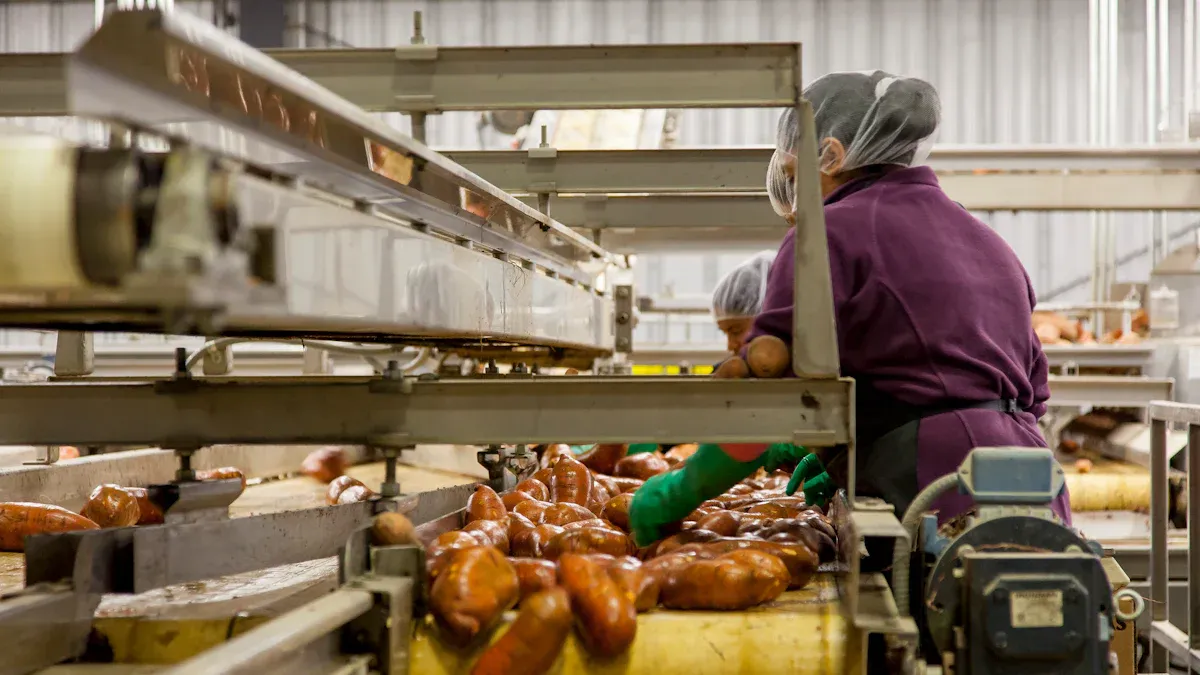
Selecting the right technology is the most important step in buying a leafy greens sorting machine. The ideal choice depends on the specific defects and foreign materials a processor needs to remove. Each technology offers unique capabilities for enhancing product safety and quality.
Camera-Based Color Sorters
Camera-based systems excel at identifying issues based on color. They effectively detect a wide range of product defects.
- Insect damage
- Discoloration and bruising
- Fungus or mold
These sorters also remove common foreign materials like dirt clods, rocks, and sticks from the product stream. Advanced models can even identify toxic weeds by analyzing their biological signatures.
Laser-Based Sorters
Laser-based sorters inspect the structural properties of materials. They can differentiate items with similar colors but different compositions. By detecting chlorophyll levels, these machines identify and remove foreign materials like insects, plastic, and glass. This technology also finds non-visible defects, such as variations in moisture content or internal decay.
Hyperspectral and Multispectral Imaging
Pro Tip: For detecting the earliest signs of decay, hyperspectral imaging (HSI) is the superior choice.
HSI captures hundreds of narrow wavelength bands. This dense data allows it to spot subtle changes in leaf structure that signal degradation, achieving up to 97% accuracy in freshness detection. It is a powerful tool for identifying contamination risks before they become visible.
X-ray Inspection Systems
X-ray systems are essential for detecting dense foreign materials. They reliably find contaminants that other technologies might miss. Common examples include:
- Glass fragments
- Small stones or mineral rocks
- Metal shards
Implementing an X-ray system is a critical step for regulatory compliance. It helps processors meet global food safety standards, including HACCP, BRCGS, and SQF program requirements.
How to Determine the Right Machine Capacity
Selecting a sorter with the right capacity is crucial for maintaining line efficiency and avoiding bottlenecks. A machine that is too small will slow down production, while an oversized one represents an unnecessary capital expense. Processors should carefully analyze their operational needs to find the perfect fit.
Calculate Your Throughput Needs
A processor must first calculate its required throughput in tons per hour. This calculation should account for both average and peak production volumes. Industry benchmarks can provide a useful starting point:
- Low Capacity: Up to 1 ton per hour
- Medium Capacity: 1 to 5 tons per hour
- High Capacity: Above 5 tons per hour
Product density also influences the effective capacity of a leafy greens sorting machine. Denser products like spinach may process at a different rate than lighter products like iceberg lettuce, affecting overall throughput.
Planning for the Future 📈 To ensure a long-term return on investment, businesses should select a system that accommodates future growth. Look for modular systems that allow for capacity expansion, protecting the initial investment as production demands increase.
Assess Footprint and Line Integration
Integrating a new sorter into an existing production line presents several challenges. A thorough site assessment is necessary to ensure the machine fits within the available physical space without obstructing maintenance access or workflow.
Key integration challenges include:
- Mechanical Handover: Ensuring a smooth, damage-free transfer of product from existing conveyors to the sorter.
- Vibration Interference: Isolating the sorter from vibrations produced by other equipment that could affect inspection accuracy.
- Control System Sync: Synchronizing the sorter’s controls with the rest of the line to prevent stoppages and ensure seamless operation.
Choosing a sorter with a flexible design and a configurable PLC simplifies integration with existing control systems and physical layouts.
How to Ensure Gentle Product Handling
Gentle product handling is essential for preserving the quality and extending the shelf life of leafy greens. Mechanical damage, such as bruising and tearing, accelerates decay and reduces the market value of the final product. A well-designed leafy greens sorting machine minimizes physical stress on delicate leaves.
Features that Minimize Product Damage
Processors should look for specific features that protect produce as it moves through the sorting process. The design of conveyor systems is a primary factor. Different belt types offer unique benefits for handling delicate greens.
- PVC mesh belts protect produce that is washed and then packaged.
- Standard chain mesh belts are ideal for lighter vegetables like spinach and herbs.
- Adjustable speed conveyors allow operators to fine-tune the line, minimizing the risk of damage to conveyed items.
Optimal transfer points between conveyors are also critical. Smooth handovers prevent leaves from dropping or becoming pinched, which preserves their integrity.
Sorting Wet vs. Dry Greens
The condition of the greens—wet or dry—significantly impacts handling requirements. Wet greens are heavier and more susceptible to sticking and clumping, increasing the potential for damage. Dry sorting often allows for gentler handling.
Microgreens are especially vulnerable to damage from pressure due to their delicate stems. Sorting them before washing can prevent bruising and extend shelf life, as they should only be rinsed immediately before consumption.
Processors must consider where the sorting step fits into their line. If sorting occurs after washing, the machine must be equipped to handle wet, slippery products without causing harm. This may involve specialized surfaces and air-jet systems designed to separate leaves gently.
Key Features of a Hygienic Leafy Greens Sorting Machine
Sanitation is non-negotiable in food processing. A hygienic leafy greens sorting machine is fundamental to preventing contamination and ensuring product safety. Processors must prioritize equipment designed for easy and effective cleaning to protect consumers and their brand reputation.
Essential Hygienic Design Checklist
Hygienic design eliminates areas where microbes can hide and multiply. When evaluating a sorter, processors should look for specific features that align with standards from organizations like 3-A and EHEDG.
- Materials: Product-contact surfaces should be made from inert, corrosion-resistant materials like stainless steel.
- Surface Finish: Surfaces must be smooth and nonporous, with a roughness average (Ra) typically below 0.8 µm to prevent residue buildup.
- Construction: The design must avoid crevices, sharp internal corners, and dead zones where product can get trapped. Welds should be smooth and continuous.
- Drainability: Equipment must be self-draining to prevent water from pooling, which can foster microbial growth.
A machine with an open, accessible frame and minimal horizontal surfaces simplifies cleaning and visual inspection, saving time and reducing risk.
Meeting Food Safety and Compliance Standards
Choosing a hygienically designed sorter is a critical step in meeting regulatory requirements. The FSMA Produce Safety Rule sets standards for equipment, tools, and sanitation in facilities handling raw produce. A compliant machine helps processors adhere to these rules.
FSMA Rule 204 also introduces enhanced traceability requirements for high-risk foods, including leafy greens. This rule mandates:
- Expanded tracking at every point in the supply chain.
- Standardized data collection for key events like shipping and receiving.
- The ability to provide traceability records to the FDA within 24 hours.
A modern sorting system with robust data management capabilities is essential for meeting these accelerated timelines and ensuring full compliance.
How to Analyze Total Cost and ROI
A sorter's sticker price is only one part of the financial picture. A thorough analysis of the total cost of ownership (TCO) and potential return on investment (ROI) is essential for making a sound business decision. This evaluation ensures the machine delivers long-term value beyond its initial purchase.
Costs Beyond the Initial Purchase
The initial capital outlay is just the beginning. Processors must account for several ongoing operational expenses that contribute to the TCO. A comprehensive budget should include:
- Installation and Commissioning: Costs associated with setup and line integration.
- Operator Training: Ensuring staff can operate and maintain the equipment effectively.
- Utilities: Consumption of electricity, compressed air, and water.
- Spare Parts and Consumables: Routine replacement of wear-and-tear components.
- Scheduled Maintenance: Costs for preventive service to maximize uptime.
Calculating Your Return on Investment
A strong ROI justifies the investment in an automated sorter. Processors can calculate this by comparing the total cost against the financial gains. Key performance indicators drive the return.
ROI Drivers:
- Reduced Labor Costs: Automating manual inspection reduces headcount and associated expenses.
- Increased Yield: Precise sorting minimizes the rejection of good product, maximizing sellable volume.
- Enhanced Quality: Consistent sorting reduces customer complaints and protects brand value.
A positive ROI is achieved when these gains significantly outweigh the TCO over the machine's lifespan.
Evaluating Vendor Support and Service
Reliable vendor support is a critical, yet often overlooked, component of TCO. A machine's value diminishes quickly if it experiences frequent downtime. Businesses should evaluate a vendor’s service package carefully. 🤝
Look for a partner offering comprehensive support, including clear service level agreements (SLAs), readily available spare parts, and access to remote or on-site technical assistance. A strong support network ensures the sorter remains a productive asset for years to come.
Selecting the correct sorter protects a processor's brand through consistent quality and safety. A well-chosen machine is a long-term asset. It can reduce labor costs by 40% to 60% while improving yield. Our experts are available to discuss specific sorting needs or schedule a demonstration.
FAQ
What is the main difference between camera and laser sorters?
Camera sorters identify defects based on color. Laser sorters detect structural differences and chlorophyll levels, finding foreign materials that may have a similar color to the leafy greens.
How often does a leafy greens sorter require maintenance?
Maintenance frequency depends on the model and usage. Processors should follow the vendor's schedule for daily cleaning and preventive service to ensure optimal performance and longevity.
Pro Tip 💡 A well-maintained machine is a reliable machine. Consistent service prevents unexpected downtime and protects the initial investment.
Can a sorter improve product yield?
Yes. Automated sorters precisely remove defects and foreign material. This process minimizes the accidental rejection of good product, directly increasing the processor's overall sellable yield.
See Also
Optimizing Your Cuts: Essential Guide Bar Tips for Enhanced Efficiency
Crucial Industrial Checkweighers: Essential Equipment for Modern Food Facilities
Future-Proofing Your Operations: Top Capsule Checkweighers for 2025
Selecting the Best Tablet Sampling Machines: A Comprehensive Laboratory Guide
Mastering Quality Control: The Vital Role of Capsule Sorters in Defect Elimination