The Essential Buyer's Guide to Water Dispensers
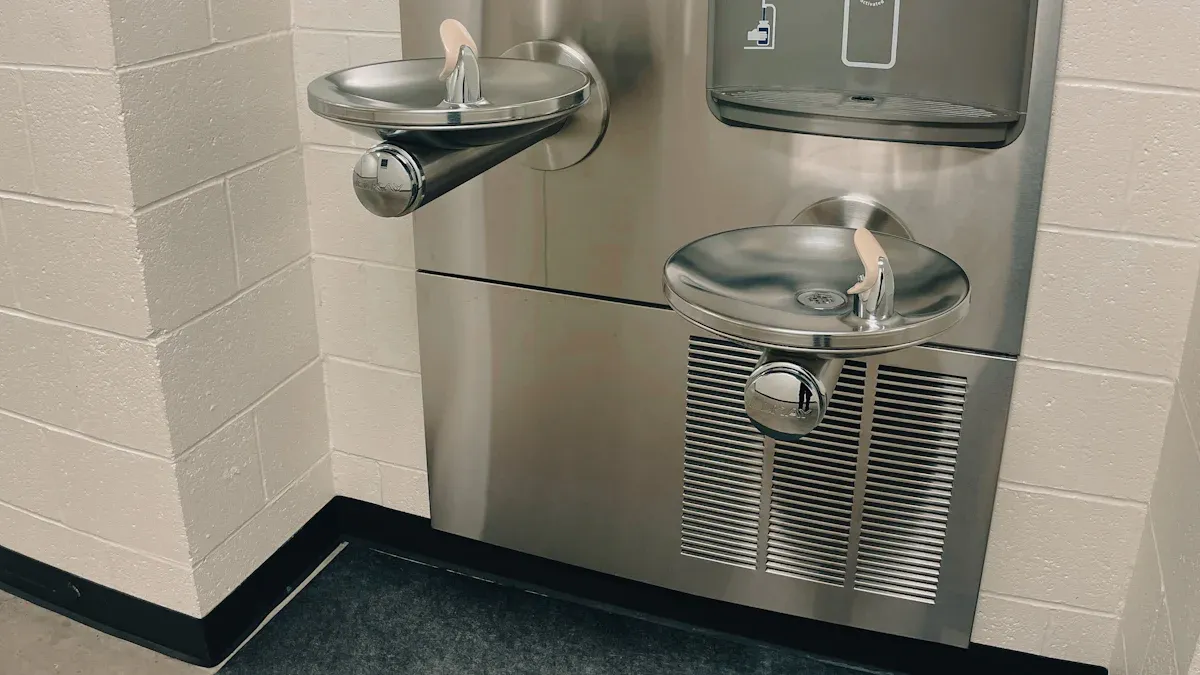
Your perfect water dispenser matches your household's needs, space, and budget. You will weigh options like dispenser type, temperature settings, and filtration. Finding the coldest water dispenser or a model with simple maintenance are key considerations for your ideal match.
Key Takeaways
- Choose your water dispenser based on your water source, like bottled or bottleless systems.
- Pick a dispenser size and loading style that fits your space and makes bottle changes easy.
- Look for features like hot and cold water, good filtration, and child safety locks for the best experience.
Step 1: Choose Your Water Source
Your first major decision is choosing where your water will come from. This choice impacts cost, convenience, and maintenance. You will select either a traditional bottled dispenser or a modern bottleless system.
Bottled Water Dispensers
These classic dispensers use large, pre-filled water jugs, typically 3 or 5 gallons. They are a popular choice for their simplicity and flexibility. You do not need any plumbing, so you can place them almost anywhere with an electrical outlet. The water is usually pre-filtered, offering great taste right away.
However, you must consider the physical effort involved. You will need to lift and replace heavy water jugs. Storing extra bottles also takes up valuable space.
- Pros: Simple setup, portable, no plumbing needed.
- Cons: Requires heavy lifting, ongoing cost of water delivery, bottle storage can be bulky.
Bottleless (Point-of-Use) Dispensers
A bottleless dispenser connects directly to your home's water line. It filters your tap water on demand, giving you a truly endless supply. This option is more eco-friendly because it eliminates plastic bottle waste and delivery trucks. Over time, you save significant money by using your own water source. You also never have to worry about running out of water or lifting heavy jugs again.
Note: Bottleless dispensers require installation near a water line and an electrical outlet. This may involve minor plumbing work, but the long-term convenience is a major benefit.
These systems offer a constant supply of clean water, save space, and support a sustainable lifestyle.
Step 2: Select the Right Form Factor
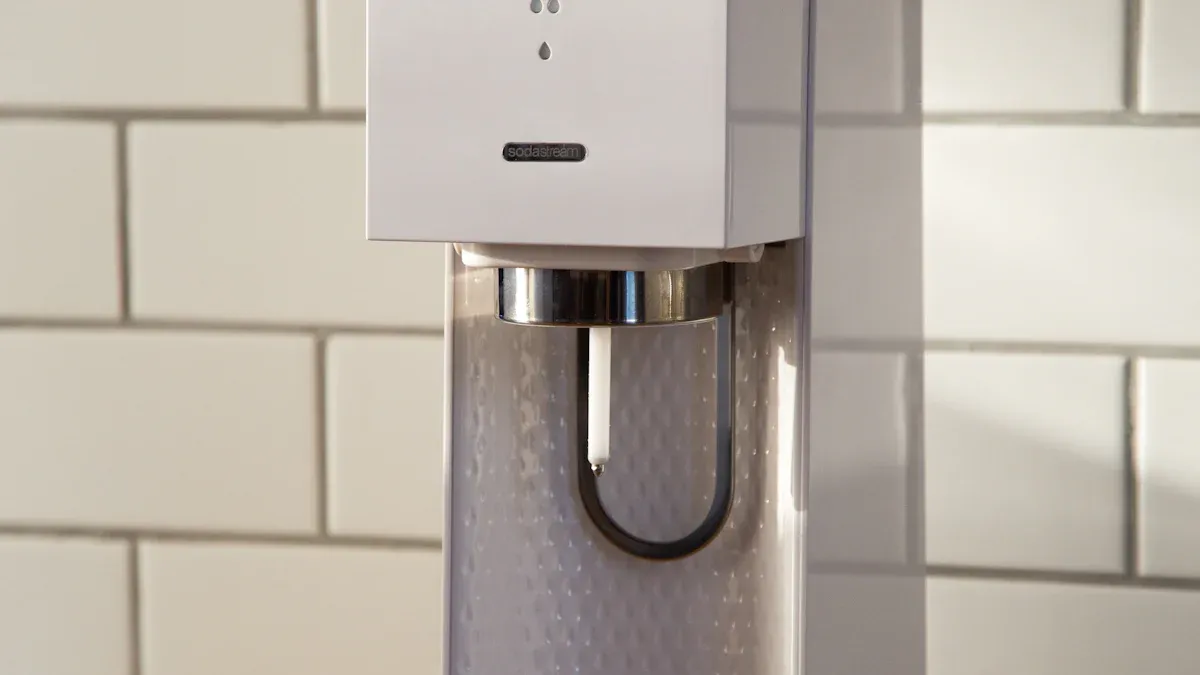
After choosing your water source, you need to decide on the dispenser's physical shape and size. Your available space will guide this choice between a freestanding unit, a countertop model, or a specific loading style.
Freeststanding Dispensers
Freestanding dispensers are self-contained units that stand on the floor. Their compact design allows them to fit well in tight spaces and corners. These are a great choice if you have dedicated floor space in your kitchen, office, or breakroom.
You should consider a few placement needs:
- You need simple access to a power outlet for bottled models.
- You must have adequate floor space for the unit.
- The dispenser requires proper ventilation clearance around it to function correctly.
Countertop Dispensers
Countertop dispensers give you the same benefits as freestanding models but in a smaller package. They are perfect for apartments, small offices, or kitchens with limited floor space. You can place one on a sturdy counter or table, providing instant access to hot or cold water without sacrificing floor area.
Top-Loading vs. Bottom-Loading Models
This choice affects your daily convenience and effort. A top-loading dispenser requires you to lift a heavy water bottle and place it on top. This can be difficult and may lead to spills.
A bottom-loading dispenser offers a more ergonomic design. You simply slide the water bottle into a cabinet at the base. This design requires minimal effort and removes the risk of spilling water during bottle changes.
Quick Comparison: Top vs. Bottom-Loading The right model depends on what you value more: a lower upfront cost or long-term convenience.
| Feature/Aspect | Top-Loading Dispenser | Bottom-Loading Dispenser |
|---|---|---|
| Lifting Effort | High (bottle lifted overhead) | Low (slide into lower cabinet) |
| Risk of Spillage | Moderate to high | Low |
| Maintenance | Simple | More complex (pump, hoses) |
| Maintenance Cost | Lower | Higher |
Step 3: Compare Key Features and Functions
Modern water dispensers offer more than just water. You can find models with a wide range of features that add convenience, safety, and quality to your daily hydration. You should compare these functions to find a dispenser that perfectly fits your lifestyle.
Hot, Cold, and Room Temperature Options
Many dispensers provide water at multiple temperatures from a single tap. This versatility eliminates the need for other appliances like a kettle or a water pitcher in the fridge. You gain instant access to water for any occasion.
- Hot Water: Perfect for making instant coffee, tea, oatmeal, or soups. Most dispensers heat water to a range of 165°F to 194°F, with some advanced models reaching up to 210°F.
- Cold Water: Gives you crisp, chilled water for refreshing hydration. Typical cold settings range from 43°F to 50°F, though some units can chill water down to 40°F.
- Room Temperature Water: Ideal for cooking, watering plants, or for those who prefer water that isn't ice-cold. It also helps you drink larger quantities of water more easily.
Choosing a tri-temperature model enhances convenience and encourages everyone in your home to drink more water.
Finding the Coldest Water Dispenser
If you love ice-cold water, the cooling technology inside the dispenser matters most. Not all dispensers chill water to the same degree. The search for the coldest water dispenser leads you to models with advanced cooling systems.
Cooling Technology Explained
High-performance dispensers use specific components to achieve and maintain very low temperatures. These can include:
- A high-efficiency compressor for powerful chilling.
- Premium stainless steel cooling reservoirs that retain coldness.
- Adaptive cooling technology that learns your usage patterns to cool water more efficiently.
These features work together to deliver consistently frigid water on demand. If your top priority is icy refreshment, you should look for a dispenser that highlights its compressor-based cooling system. The coldest water dispenser models often use this technology instead of less powerful thermoelectric methods.
Built-in Filtration Systems
A key benefit of many dispensers, especially bottleless models, is the built-in filtration. These systems purify your tap water, removing impurities and improving its taste and odor. The type of filtration can vary, so you should understand what each system does.
Most units use a multi-stage filtration process. Each stage targets different contaminants.
| Filtration Stage | What It Removes |
|---|---|
| 1. Sediment Filter | Removes larger particles like dirt, rust, and sand. |
| 2. Carbon Filter | Reduces chlorine, lead, pesticides, and other chemicals that affect taste. |
| 3. Ion Exchange | Targets heavy metals like mercury and can soften water. |
A good multi-stage system ensures the water you drink is clean and safe. It can remove everything from visible sediment to invisible contaminants like bacteria, viruses, and "forever chemicals." This feature gives you peace of mind with every glass.
Capacity and Dispensing Speed
Capacity and speed determine how well a dispenser serves your household or office. For bottled dispensers, capacity refers to the size of the jug (usually 3 or 5 gallons). For bottleless models, capacity is virtually endless, but the size of the internal hot and cold water tanks matters. These tanks determine how much temperature-controlled water is available at one time.
Dispensing speed measures how quickly the water fills your cup. It is often measured in gallons per minute (GPM). Some residential models can dispense water at speeds up to 1.1 GPM, filling a glass in just a few seconds. A faster speed is a great convenience, especially during busy mornings.
Child Safety Locks
Safety is a critical feature, especially in homes with young children. The hot water tap on a dispenser can be a significant burn risk. To prevent accidents, most reputable dispensers include a child safety lock on the hot water button or lever.
These locks require a two-step action to dispense hot water, such as pushing a button while pressing the lever. This motion is simple for an adult but difficult for a small child to perform. This feature makes a dispenser a much safer alternative to an open kettle or a pot of hot water on the stove. You get instant hot water without the worry.
Energy Efficiency and Noise Levels
A water dispenser runs 24/7, so its energy use can impact your utility bill. To save money and reduce your carbon footprint, you should look for models with an ENERGY STAR certification.
⚡ Energy Star Savings
An ENERGY STAR certified water cooler is highly efficient. It consumes very little electricity, with some models using less than 0.16 kWh per day. This efficiency ensures you get hot and cold water without wasting power.
Noise is another factor to consider. Most of the sound comes from the cooling system's compressor. While most modern dispensers are designed to be quiet, you can check user reviews for comments on noise levels, especially if you plan to place the unit in a quiet area like a bedroom or a small office. Finding the coldest water dispenser often means getting a compressor, but newer models are engineered for quiet operation.
Our Top Recommended Water Dispensers
Choosing the right dispenser can feel overwhelming. We have reviewed dozens of models to find the best options for different needs. You can use these recommendations to find a reliable dispenser that fits your home and lifestyle.
Best Overall: Avalon A6 Bottom-Loading
The Avalon A6 Bottom-Loading dispenser earns our top spot for its excellent balance of convenience, performance, and design. You get premium features without a premium price tag. Its bottom-loading style means you never have to lift a heavy water bottle again. You simply slide the jug into the cabinet at the base. This feature alone makes it a winner for many households.
This model provides crisp cold water and piping hot water, perfect for any beverage. It also includes a child safety lock on the hot water tap to protect your family from accidents. The Avalon A6 is an ENERGY STAR certified appliance. It uses very little electricity, helping you save on utility bills.
At a Glance: Avalon A6 Specifications This dispenser combines a sleek look with practical features, making it a versatile choice for any kitchen or office.
| Specification | Detail |
|---|---|
| Dimensions | 41 in. x 12 in. x 13 in. |
| Loading Style | Bottom-Loading |
| Bottle Capacity | 3 or 5 gal |
| Eco Label | ENERGY STAR Certified |
| Color | White |
| Warranty | 1-Year Limited |
Its powerful compressor makes it a contender for the coldest water dispenser in its class, delivering refreshingly chilled water on demand.
Best Bottleless: Waterdrop A1
If you want an endless supply of pure water, the Waterdrop A1 is the best bottleless dispenser available. This point-of-use system connects directly to your water line. It eliminates the need for plastic bottles and saves you money over time. You get great-tasting water without the hassle of refills or deliveries.
The Waterdrop A1 uses an advanced multi-stage filtration system. It effectively removes chlorine, lead, heavy metals, and other contaminants from your tap water.
- It features a smart digital display that shows you the water quality in real-time.
- The system also reminds you when it is time to replace the filters.
- You get instant hot, cold, and ambient water from a sleek, modern unit.
This dispenser is an investment in convenience and sustainability. You will enjoy the peace of mind that comes with having unlimited filtered water.
Best Countertop: hOmeLabs Countertop
You do not need a lot of floor space to enjoy the benefits of a water dispenser. The hOmeLabs Countertop model provides hot, cold, and room-temperature water in a compact package. It is perfect for small apartments, dorm rooms, or offices where space is limited. You can place it on any sturdy counter or table for easy access.
This dispenser uses standard 3 or 5-gallon water jugs. It features an intuitive control panel with status lights that show you when the water is heating or cooling. Like larger models, it includes a child safety lock on the hot water spout. The hOmeLabs Countertop dispenser proves that you can get excellent functionality without sacrificing valuable space.
Best Budget-Friendly: Primo Pro Top-Loading
For those seeking a simple and affordable solution, the Primo Pro Top-Loading dispenser is an excellent choice. This no-frills model delivers reliable performance at a fraction of the cost of premium units. It provides both ice-cold and piping-hot water, covering all your basic hydration needs.
The top-loading design requires you to lift the water bottle into place. This trade-off is what keeps the initial purchase price low.
- It has a spill-proof bottle holder to help prevent messes during changes.
- Push-button controls make dispensing water simple and easy.
- It includes the essential child safety lock for the hot water button.
If you want the convenience of a water dispenser without a large upfront investment, the Primo Pro offers fantastic value.
Understanding Cost and Maintenance
An excellent water dispenser is a long-term investment in your health and convenience. You should understand the full cost and maintenance needs before you buy. This knowledge helps you budget properly and keep your dispenser running smoothly for years.
Initial Purchase and Installation Costs
Your first expense is the dispenser itself. Prices vary based on type and features. Bottled dispensers are often cheaper upfront. Bottleless models cost more initially but can save you money later.
You also need to consider installation. Bottled dispensers just need to be plugged in. Bottleless dispensers require a connection to your water line. You can hire a professional plumber for this. However, many people choose to install it themselves.
DIY Installation Tips You can find detailed instructions for installing bottleless water coolers. Most brands provide helpful resources to guide you.
- Your cooler will come with a step-by-step instruction manual.
- You can watch online video guides for visual help.
- An installation kit is usually included with your purchase.
Long-Term Operating Expenses
You should think about the ongoing costs. For bottled dispensers, you will pay for water delivery and cooler rental. These costs add up over time. A bottleless dispenser has a fixed monthly cost, giving you unlimited water. This often leads to significant savings.
| Service Type | Monthly Cost Range | Annual Cost Range |
|---|---|---|
| Bottled Water Service | $80 - $110 | $960 - $1320 |
| Bottleless Dispenser | $55 - $75 | $660 - $900 |
How to Properly Clean Your Dispenser
You must clean your dispenser regularly to ensure your water stays fresh and safe. You should clean it every three to six months. Unplug the unit first. Then, you can wipe down the exterior surfaces and drip tray. For the interior, you will need to flush the system with a cleaning solution made of vinegar and water or a specialized cleaning kit. Always rinse the system thoroughly with fresh water afterward to remove any cleaning solution taste.
When to Replace Filters
If you have a bottleless dispenser, filter replacement is your most important maintenance task. Filters remove impurities from your water. Over time, they become clogged and less effective. Most manufacturers recommend you replace the filters every six months. Some advanced models have an indicator light that tells you when it is time for a change. Following the replacement schedule ensures you always have pure, great-tasting water.
You choose the best water dispenser by balancing its cost and features. You should prioritize what matters most to your home.
- Type of water dispenser
- Temperature options
- Location and space
A well-chosen unit offers you years of convenient, great-tasting water. This investment improves your daily hydration.
FAQ
How often should I clean my water dispenser?
You should clean your dispenser every three to six months. Regular cleaning prevents bacteria buildup. This practice ensures your water always tastes fresh and stays safe for you to drink.
Can I install a bottleless dispenser myself?
Yes, you can install it yourself. Most units include a DIY kit and clear instructions. Many brands also offer online video guides to help you with the setup process.
Are bottom-loading dispensers better than top-loading ones?
Bottom-loading models are easier to use because you avoid lifting heavy bottles. Top-loading dispensers usually cost less upfront. Your choice depends on what you value more:
- Convenience
- Budget