Is the Doosan 300 Excavator Right for Your Business?
The Doosan 300 excavator delivers powerful, efficient performance for mid-to-large scale projects. It excels with significant digging force and lifting capacity while maintaining fuel economy. This machine is a sound investment if its capabilities align with specific operational requirements.
Buyer interest for new and used excavator models places Doosan among the top contenders in North America:
- Caterpillar: 32%
- Komatsu: 12%
- Hitachi: 10%
- Doosan: 9%
Does Your Project Profile Match the 300 Series?
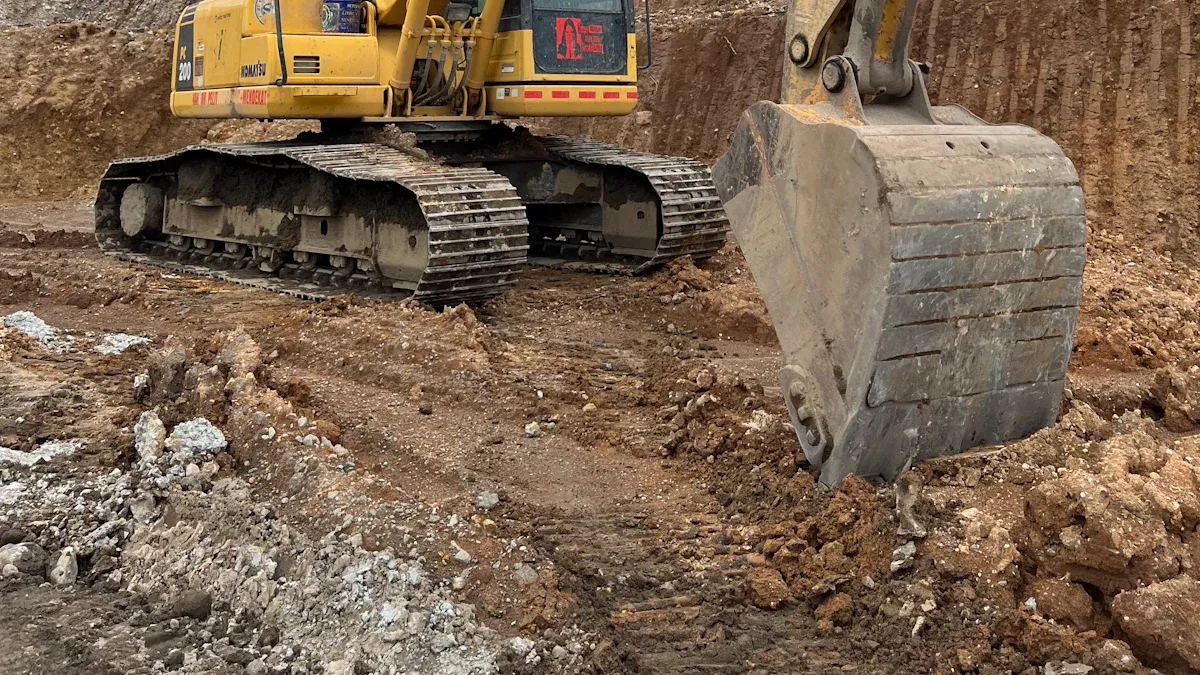
Selecting the right excavator is a critical business decision. The machine must align with the demands of your typical projects to maximize efficiency and profitability. A 30-ton class excavator represents a significant investment in power and capability. Businesses should first analyze their project portfolio to determine if the Doosan 300 series is the correct strategic fit for their operational needs.
Assessing Your Project Scale
The Doosan 300 series excels on mid-to-large scale job sites where substantial earthmoving is the primary task. Its size and power are ideal for projects that would over-task smaller excavators, such as large residential subdivisions, commercial site development, and major roadwork. Key performance indicators for matching scale are the machine's digging reach and depth. These specifications define the excavator's working envelope.
Pro Tip: A machine with extensive reach and depth, like the Doosan 300, reduces the need for frequent repositioning. This saves valuable time and fuel on large sites, directly boosting project efficiency.
The standard boom and stick configurations offer impressive capabilities for most deep excavation and trenching jobs.
| Specification | Unit | Value |
|---|---|---|
| Max. Digging Reach | mm | 10745 |
| Max. Digging Depth | mm | 7360 |
For specialized applications requiring even greater range, long-reach configurations dramatically extend the machine's operational scope. This makes it suitable for tasks like dredging, deep foundation work, or slope finishing.
| Boom/Stick Option | Max Reach Along Ground | Max Digging Depth |
|---|---|---|
| Boom 20'6" (6245mm) / Stick 12'4" (3750mm) | 36.37 ft | 26.28 ft |
| Boom 32'10" (10000mm) / Stick 22'11" (7000mm) | 57.11 ft | 45.53 ft |
Evaluating Material and Ground Conditions
Project efficiency depends heavily on an excavator's ability to handle the materials on site. The Doosan 300 series is engineered with a powerful engine and an advanced hydraulic system. This combination provides the stable power output and breakout force necessary to work effectively in challenging ground conditions. It moves tough materials with confidence and speed.
Consider if your projects frequently involve:
- Dense, compacted clay
- Rocky soil or caliche
- Large-scale topsoil stripping
- Handling heavy, broken concrete or asphalt
The machine's robust construction and optimized power ensure it can tackle these demanding materials. Its fast cycle times and efficient climbing ability allow it to maintain high productivity levels, even on uneven terrain or steep grades.
Common Applications for Success
The versatility of the Doosan 300 excavator makes it a primary tool across several heavy-duty applications. Its balance of power, reach, and hydraulic performance allows it to serve as a cornerstone of the equipment fleet for many successful contractors.
Common applications include:
- Large-Scale Excavation: Digging basements for large commercial buildings or moving massive amounts of earth for infrastructure projects.
- Utility and Pipeline Work: Trenching for major water, sewer, and gas lines that require significant depth and width.
- Heavy-Duty Demolition: Tearing down structures and processing oversized debris with powerful attachments.
A notable example of its demolition prowess was its role in the Arlington National Cemetery expansion project. Crews utilized a DX300LC-3 from the very first day to demolish the former Federal Office Building 2. The machine was essential for demanding material-handling tasks, including tearing apart the building's structure and sorting heavy construction debris. Project leaders described it as a powerful and efficient machine, highlighting its integral role in a high-profile demolition job.
Translating Performance Specs into Profitability
High-level performance specifications are more than just numbers on a page; they are direct drivers of a company's profitability. A machine's power, stability, and versatility determine how quickly and efficiently it can complete a job. Understanding how these specs translate into real-world advantages helps businesses make a smarter investment.
Digging Force and Breakout Power
An excavator's primary function is to dig. The Doosan 300 excavator provides exceptional force to break through tough ground and load material quickly. This power minimizes hesitation in difficult conditions, leading to faster cycle times and increased productivity. High breakout force allows operators to fill the bucket efficiently on every pass, moving more material per hour.
| Digging Force Type | Force (lbf) |
|---|---|
| Bucket Digging Force - Pressure Up | 44,092 |
| Bucket Digging Force - Power Boost | 44,085 |
This impressive force means less time spent struggling with compacted soil or rock, directly boosting the profitability of excavation tasks.
Lifting Capacity and Stability
A powerful excavator must also be a stable lifting platform. The machine's ability to safely lift and place heavy objects, such as trench boxes, large pipes, or concrete structures, is critical on many job sites. The Doosan 300 excavator is built with a solid, well-balanced base for confident lifting operations.
Note: For applications requiring maximum lift capacity, such as when using long-reach configurations, additional counterweights can be installed. This enhancement ensures optimal stability when handling the heaviest loads on site.
Hydraulic Flow and Attachment Versatility
Modern excavators are multi-tool carriers. The machine's hydraulic system powers a wide range of attachments, expanding its utility far beyond digging. Strong and consistent hydraulic flow allows the excavator to efficiently operate demanding tools. Factory-approved attachments include:
- Hydraulic breakers
- Pulverizers
- Multi-Processors
- Doosan hydraulic clamps
This versatility allows one machine to perform demolition, material processing, and site cleanup. This reduces the need for additional specialized equipment and maximizes the return on your investment.
How the Doosan 300 Excavator Impacts Your Bottom Line
Advanced technology in heavy equipment directly translates to financial savings through optimized performance and reduced fuel consumption. The Doosan 300 excavator integrates intelligent systems designed specifically to lower operating costs and boost profitability on every job. These features work together to ensure the machine uses only the power it needs for the task at hand.
Understanding Doosan's Electronic Power Optimizing System (EPOS)
The Electronic Power Optimizing System (EPOS) acts as the excavator's central command center. This system links the engine and hydraulic system to synchronize power and fuel delivery. It allows operators to match machine output to job requirements through four distinct power modes. This ensures efficient operation without wasting fuel.
- Power+ Mode: Delivers maximum speed and power for the most demanding tasks.
- Power Mode: Provides a balance of power and economy for general excavation.
- Standard Mode: Optimizes fuel consumption during normal loading and lifting.
- Economy Mode: Minimizes fuel use for light-duty work.
Smart Power Control (SPC) Explained
Smart Power Control (SPC) is an intelligent feature that works automatically to save fuel. The system monitors the machine's workload. During periods of low demand, such as the swing phase of a dig cycle, SPC automatically reduces engine RPM. This variable speed control decreases the energy needed for the task. This function can improve fuel efficiency by an impressive 3% to 7%, directly reducing daily operating expenses.
Calculating Long-Term Fuel Savings
The combination of EPOS and SPC creates significant, measurable fuel savings over the life of the machine. By consistently matching power to the application and reducing engine speed during low-effort movements, the excavator burns less diesel per hour. This efficiency compounds over weeks, months, and years, leading to a substantial reduction in total cost of ownership.
Pro Tip: To estimate potential savings, calculate your current fleet's average hourly fuel cost. A consistent 3-7% reduction on that figure reveals the powerful financial impact of this technology on your bottom line.
Operator Comfort: A Key to Productivity

An operator's environment directly influences job site efficiency and safety. A comfortable and alert operator can maintain high productivity throughout a long workday. The Doosan 300 excavator features a cab designed to maximize operator focus and reduce fatigue, turning comfort into a tangible business advantage.
The Cab Environment and Visibility
The Doosan 300 series provides a spacious, climate-controlled cab that serves as a productive command center. Large windows and well-placed mirrors offer excellent all-around visibility, giving the operator a clear view of the work area. This enhanced sightline is crucial for safe and precise operation, especially on crowded job sites.
Key Insight: A comfortable operator is a productive operator. The quiet, low-vibration cab environment helps reduce physical strain, allowing for sustained concentration and efficiency day-long.
Control Layout and Ergonomics
Operators will find the controls in the Doosan 300 excavator are intuitive and easy to access. The ergonomic layout places joysticks and switches within natural reach, minimizing unnecessary movement. This thoughtful design allows the operator to manage machine functions with precision and confidence, leading to smoother cycles and faster task completion. The responsive controls give the operator a direct feel for the machine's power.
Onboard Monitoring and Safety Features
The cab is equipped with advanced technology to keep the operator informed and safe. Key features include:
- A full-color graphical display that is easy to read.
- User-intuitive menus for quick navigation.
- Built-in pre-start machine checks to ensure readiness.
This onboard monitor provides real-time data on machine health and performance. It allows operators to work efficiently while staying aware of the excavator's status, helping to prevent downtime and promote safe operating habits.
Evaluating Total Cost of Ownership (TCO)
A smart equipment purchase looks beyond the initial price tag. Total Cost of Ownership (TCO) provides a complete financial picture, encompassing everything from the upfront investment to daily operating expenses and eventual resale. Businesses that analyze TCO make more strategic decisions, ensuring their equipment generates value throughout its entire service life. The Doosan 300 excavator is engineered with features that positively impact every aspect of this calculation.
Upfront Investment vs. Long-Term Value
The initial purchase price is only the beginning of the story. True value emerges over years of reliable and efficient operation. The Doosan 300 excavator delivers long-term value that often outweighs a lower upfront cost from a less advanced machine. Its fuel-saving technologies, like the Electronic Power Optimizing System (EPOS) and Smart Power Control (SPC), directly reduce daily expenditures. Higher productivity from its powerful hydraulic system means more work completed per hour, boosting revenue potential.
Strategic Insight: View the purchase as an investment in operational capacity. The machine's durability and efficiency generate returns by lowering fuel bills, increasing job site speed, and minimizing costly downtime, creating a stronger financial outcome over time.
Maintenance Needs and Serviceability
Downtime is a direct cost to any business. Every hour a machine spends in the shop is an hour it is not earning revenue. Doosan designed this machine for quick and easy routine service to maximize uptime. Convenient access points and logical component placement help technicians complete maintenance tasks faster, reducing labor costs and getting the excavator back to work.
Key serviceability features that reduce ownership costs include:
- Centralized grease points for faster daily lubrication.
- Easy ground-level access to filters and fluid checks.
- Advanced filtration systems with extended service intervals.
- A user-friendly onboard monitoring system that alerts operators to potential issues before they become major problems.
These design considerations ensure that routine maintenance is a simple, efficient process, not a significant operational bottleneck. This focus on serviceability keeps the machine productive and protects the business's bottom line.
Resale Value Considerations
The final component of TCO is the machine's value at the end of its use. A strong resale value significantly lowers the total cost of ownership by returning a portion of the initial investment. Doosan equipment is known for its robust construction and durability, making it a desirable asset on the used market.
The brand's growing reputation in North America, combined with the advanced features and reliable performance of its models, helps maintain a high residual value. When it comes time to upgrade your fleet, a machine that commands a strong price on the secondary market makes the next purchase more affordable. This strong resale performance solidifies the excavator as a sound financial asset for any heavy equipment business.
The Doosan 300 series is a strong contender for businesses that regularly handle large-scale earthmoving, utility work, or demolition. It provides a powerful balance of high performance, advanced fuel-saving technology, and a design focused on operator productivity. This commitment to long-term value is confirmed by industry accolades.
- EquipmentWatch Lowest Cost of Ownership Award (2017-2018)
- Category: Medium Crawler Excavators
Evaluate your typical job size and need for versatile power. If they align, the Doosan 300 is a sound investment for business growth.
FAQ
What types of projects are best for the Doosan 300 excavator?
This excavator excels at mid-to-large scale jobs. It is ideal for commercial site development, major utility trenching, heavy-duty demolition, and large-scale earthmoving projects requiring significant power.
How does the Doosan 300 excavator save on fuel costs?
It uses smart technology like EPOS and SPC. These systems automatically optimize engine RPM and hydraulic power. This process reduces fuel consumption without sacrificing performance on the job.
Is routine maintenance on the Doosan 300 excavator difficult?
No, the machine design simplifies maintenance. Technicians have easy, ground-level access to filters and service points. This feature minimizes downtime and helps lower overall ownership costs.
See Also
Custom Cargo Lifts: Advantages and Disadvantages for Your Business Operations
Selecting the Optimal High-Power 10KW Diesel Generator for Your Specific Requirements
Essential Industrial Vacuum Cleaners: Six Options Every Business Must Evaluate
Silent Versus Open Frame 6kW Diesel Generators: Which Best Suits Your Needs?
Simplifying AHRI 400/401 Heat Exchanger Assistance: Your Hassle-Free Guide