Find the Best Cold Water Dispenser A Guide
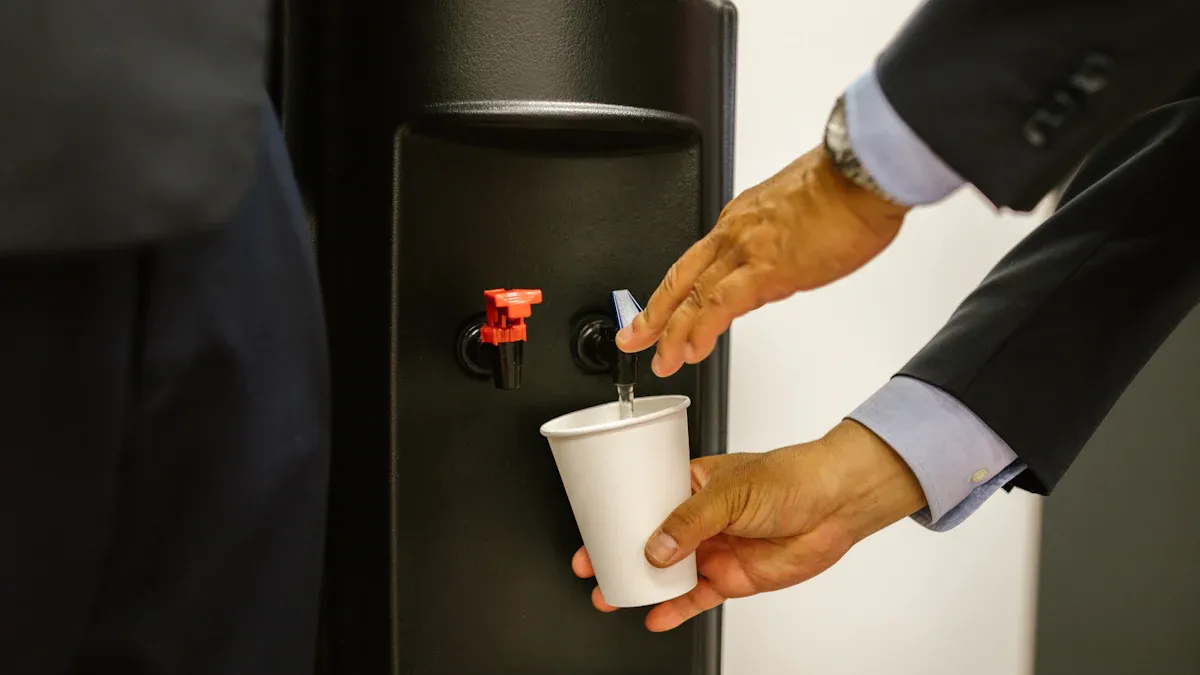
You find the best cold water dispenser by matching it to your specific needs. Consider your daily water consumption, available space, and preferred water source. The industry's rapid growth shows just how many options are now available.
| Metric | Value |
|---|---|
| Market Size (2023) | USD 2,983.7 million |
| Projected Market Size (2030) | USD 5,349.9 million |
| CAGR (2024-2030) | 8.7% |
Your choice will come down to three main types: bottled, point-of-use, or countertop models.
Key Takeaways
- Choose a water dispenser based on your needs, space, and water source. Consider bottled, point-of-use, or countertop models.
- Compare features like cooling technology, water filtration, and capacity. Look for ENERGY STAR ratings for energy savings.
- Understand the total cost of ownership. This includes the initial price and long-term expenses like refills or filter changes.
What Type of Water Dispenser Fits Your Space?
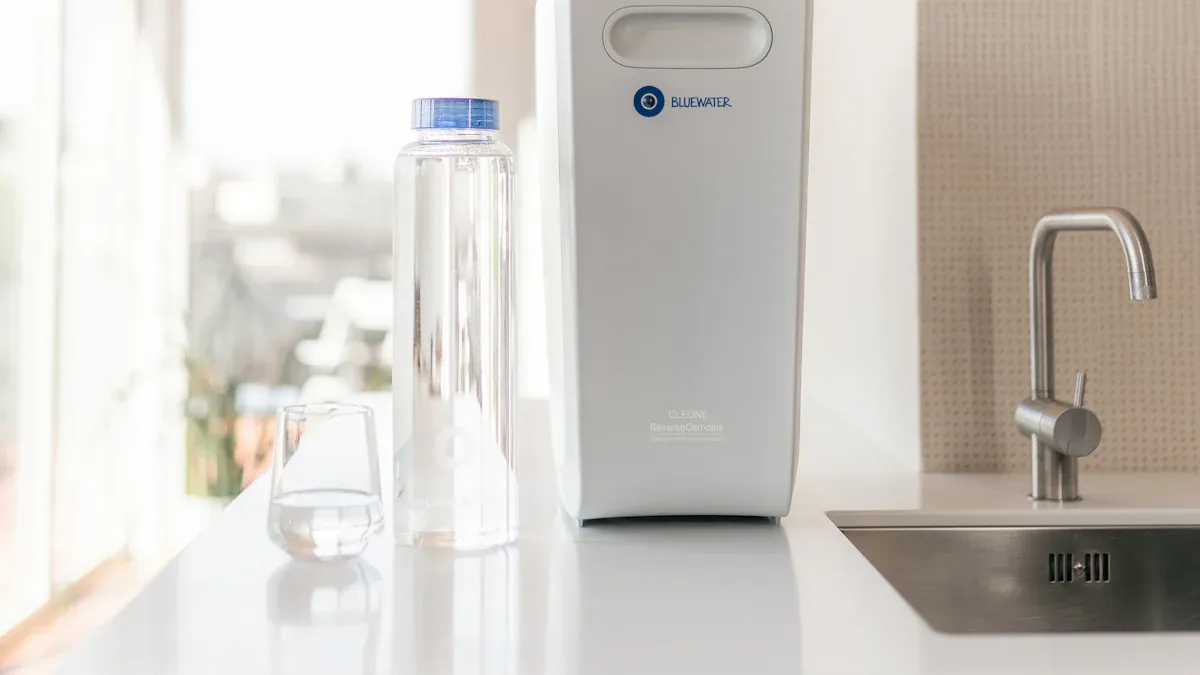
You must first decide which type of dispenser best suits your environment. Your decision will depend on your available floor space, access to a water line, and how much effort you want to put into refills. Let's explore the three main categories.
Top-Loading and Bottom-Loading Bottled Dispensers
Bottled dispensers are a classic choice for homes and offices. They use large, replaceable water jugs, typically 3 or 5 gallons. You can choose between two main styles: top-loading and bottom-loading.
A top-loading model requires you to lift the heavy water bottle and place it upside down on top of the unit. A bottom-loading cold water dispenser lets you slide the bottle into a cabinet at the base, making refills much easier.
This table shows a direct comparison:
| Feature | Top-Loading Dispenser | Bottom-Loading Dispenser |
|---|---|---|
| Loading | You place the bottle on top. | You place the bottle in the base. |
| Lifting | Requires lifting a heavy bottle. | No heavy lifting is needed. |
| Appearance | The water bottle is visible. | The bottle is hidden in a cabinet. |
| Spills | Spills can happen during loading. | Spills are less likely. |
| Cost | Typically less expensive. | Typically more expensive. |
Tip for Easy Refills: Bottom-loading models are ideal if you want to avoid lifting heavy bottles. The pump system does the work for you, making it a great choice for anyone with mobility concerns. They also offer a cleaner, more modern look since the bottle is hidden.
Point-of-Use (POU) Bottleless Dispensers
Point-of-use (POU) dispensers offer you an endless supply of filtered water. These units connect directly to your building's plumbing. This eliminates the need for water bottles entirely. You get fresh, clean water on demand.
The main advantage of a POU system is its long-term cost-effectiveness. You pay for the unit and filter replacements instead of recurring water delivery fees. The actual water in bottled services is a small part of the price. Most of the cost covers production, transportation, and delivery. POU systems avoid these extra expenses.
For businesses, the savings can be substantial. An office with 50 employees could save over $4,000 in five years.
| Category | Bottled Water Service (Monthly) | POU System (Monthly) | 5-Year Savings (50 Employees) |
|---|---|---|---|
| Estimated Cost | $350 | $70 | $4,200 |
This makes a POU cold water dispenser an excellent investment for high-traffic areas like busy offices or large households.
Compact Countertop Dispensers
You might choose a countertop dispenser if you have limited floor space. These smaller units sit on your kitchen counter, table, or desk. They provide the convenience of a dispenser without taking up a large footprint. Many countertop models, like the Honeywell HWDC-200S, can still accommodate standard 3 or 5-gallon water bottles.
However, their compact size often comes with trade-offs. They may have fewer features and a slower dispensing rate than freestanding models. If performance and advanced functions are important to you, a freestanding dispenser is usually the better option.
Use this guide to decide which is right for you:
| Feature | Compact Countertop Dispensers | Freestanding Models |
|---|---|---|
| Best For | Small apartments, dorms, offices | Homes, large offices, breakrooms |
| Placement | Sits on a counter or table | Sits on the floor |
| Features | Basic dispensing functions | Full range of functions (hot, cold, safety) |
| Water Output | Slower, lower volume | Fast, high volume |
| Cost | Low to moderate price | Medium to high price |
Ultimately, a countertop model is perfect for personal use or small spaces where convenience is key.
Key Features to Compare in a Cold Water Dispenser
Once you select a dispenser type, you need to compare the specific features that affect performance, water quality, and daily use. Understanding these details helps you find a model that delivers perfectly chilled water efficiently and safely.
Cooling Technology: Compressor vs. Thermoelectric
A dispenser's cooling technology determines how cold its water gets and how quickly it chills. You will choose between two main systems: compressor and thermoelectric.
Compressor-based cooling works like a refrigerator. It uses a refrigerant to achieve rapid and significant temperature reduction. This makes it ideal for environments that need a lot of cold water quickly. Thermoelectric cooling uses a semiconductor plate (a Peltier device) to transfer heat. This method is quieter and more energy-efficient for low-demand situations but offers milder cooling.
This table breaks down the key differences:
| Feature | Compressor Cooling | Thermoelectric Cooling |
|---|---|---|
| Cooling Power | High performance, cools water quickly | Milder cooling, slower to chill |
| Lowest Temperature | Can chill water below 10°C (50°F) | Struggles to cool below 10°C (50°F) |
| Best For | High-traffic offices, large families | Homes, small offices, personal use |
| Energy Use | Consumes more energy for powerful cooling | More energy-efficient for light use |
| Noise Level | Produces a low hum during cooling cycles | Nearly silent operation |
| Maintenance | May require more maintenance over time | Fewer moving parts, less maintenance |
Which Should You Choose? If you need ice-cold water on demand for many people, a compressor model is your best bet. If you prefer a quiet, energy-saving unit for a small household and are happy with cool, not frigid, water, a thermoelectric model will serve you well.
Water Filtration Systems
Many dispensers, especially POU models, include built-in filtration systems to improve water taste and remove contaminants. When you compare filters, look for NSF International certifications. These certifications confirm that a filter meets strict public health and safety standards.
You should look for these common certifications:
- NSF/ANSI 42: This standard targets aesthetic impurities. It certifies that the filter reduces things like chlorine, which improves the taste and odor of your water.
- NSF/ANSI 53: This is a health-focused standard. It certifies the removal of harmful contaminants, including lead, arsenic, cysts like Cryptosporidium, and certain chemicals (VOCs, PFOA/PFOS).
- NSF/ANSI 58: This certification applies specifically to reverse osmosis (RO) systems. It ensures the system effectively reduces a wide range of contaminants regulated by the EPA.
Checking for these labels gives you confidence in the quality and safety of your drinking water.
Capacity and Dispensing Rate
Capacity and dispensing rate tell you how much water a dispenser can handle.
- Cooling Capacity: This measures how many liters of cold water the unit can produce per hour. A model with a high cooling capacity is essential for busy offices or events.
- Dispensing Rate (Flow Rate): This is how quickly water comes out of the spigot. A fast flow rate fills your glass or bottle in seconds, which is a great convenience in high-traffic settings.
Think about your peak usage. Do many people need water at the same time, like during a lunch rush? If so, prioritize a cold water dispenser with a high capacity and a fast dispensing rate to avoid lines and frustration. For home use, a standard model is usually sufficient.
Energy Efficiency and ENERGY STAR Ratings
A water dispenser runs 24/7 to keep water chilled, so its energy consumption affects your electricity bill. To save money and reduce your environmental impact, you should look for an energy-efficient model.
The easiest way to identify one is to check for the ENERGY STAR® label.
An ENERGY STAR certified dispenser is independently certified to use less energy than standard models. Choosing a certified product ensures you get a high-performing unit that also delivers long-term savings on your operating costs. ⚡
Many modern dispensers also include power-saving modes that reduce energy use during evenings or weekends when the unit is not in demand.
Essential Safety and Convenience Functions
Beyond cooling and filtration, you should look at features that make a dispenser safe and easy to maintain. These functions improve your daily experience and ensure your unit stays hygienic.
Child Safety Locks
You will find that many dispensers with a hot water function include a child safety lock. This feature prevents accidental burns, giving you peace of mind in a home with young children. Some models offer innovative safety mechanisms.
- You might see a dispenser with an intuitive, spring-loaded lock that requires a specific motion to activate the hot water.
- Other models use a front push-up dispensing system that is difficult for small children to operate.
These smart functions add an essential layer of protection to your appliance.
Removable Drip Trays
A drip tray catches spills and overflows, keeping the area around your dispenser clean. You should choose a model with a removable tray for easy cleaning. The design of the tray matters for hygiene.
A well-designed tray, often made of stainless steel, helps you manage water droplets. Some even have a built-in drain that channels water away. This prevents annoying water accumulation on your counter or floor and makes cleanup simple.
This small feature protects your surfaces from water damage and keeps your space tidy.
Self-Cleaning Technology
Modern dispensers often include self-cleaning technology to keep the internal water lines free of bacteria. You will typically encounter two types: UV sterilization and ozone sterilization. Both methods are safe and effective.
| Sterilization Type | How It Works | Where It Cleans |
|---|---|---|
| UV Sterilization | Uses UV light to disrupt the DNA of microbes. | Cleans the water pathway and outlet area. |
| Ozone Sterilization | Uses ozone oxidation to kill bacteria. | Cleans pipelines and internal chambers. |
This technology automatically sanitizes your dispenser, ensuring the water remains pure without you needing to use harsh chemicals. 🧼
Understanding the True Cost of Ownership
You should look beyond the sticker price to find the best value. The true cost of a water dispenser includes both the initial purchase and the ongoing expenses over its lifetime. A smart purchase balances upfront cost with long-term savings.
Upfront Purchase Price
The initial price of a dispenser varies widely based on its type and features. You can find entry-level models at a very affordable price point. More advanced units with features like self-cleaning functions will cost more. For example, a bottom-loading POU water cooler with an ozone self-clean function might cost around $195 for a single unit.
This table shows how prices generally compare:
| Dispenser Type | Price Range |
|---|---|
| Entry-level bottled or countertop models | $50 - $150 |
| Mid-range freestanding coolers | $150 - $300 |
Your budget will guide your initial choice, but remember to factor in future costs.
Long-Term Operating Costs
Long-term costs are where you see the biggest difference between dispenser types. With a bottled dispenser, you will pay for water jug refills. With a POU system, you will pay for replacement filters and electricity. The lifespan of your unit also affects its overall value. Most dispensers last between 5 and 10 years, with a common average of 7 years.
Pro Tip: You can extend your dispenser's life. Regular maintenance and choosing a unit with quality construction help you get the most out of your investment. 🛠️
Factors that influence a dispenser's lifespan include:
- Usage Intensity: High-traffic use puts more wear on cooling components.
- Build Quality: Units with commercial-grade parts often last longer.
- Maintenance: Consistent cleaning and care prevent breakdowns.
Considering these operating costs helps you calculate the total investment over time.
Choosing the best cold water dispenser starts with your needs. You should compare features like cooling power and filtration. Finally, balance the initial price with long-term expenses. You can save hundreds annually by avoiding bottled water costs for packaging and transport.
A confident choice comes from aligning the dispenser's features and costs with your lifestyle and budget. ✅
FAQ
How often should you clean a water dispenser?
You should clean your dispenser every 3 to 6 months. This practice prevents bacteria buildup inside the unit. Regular cleaning ensures your water stays fresh and safe to drink. 🧼
Is a compressor or thermoelectric cooler better?
A compressor model gives you ice-cold water and is best for high-traffic areas. You might prefer a thermoelectric unit if you want a quieter, more energy-efficient option for personal use.
Do POU bottleless dispensers require professional installation?
Many POU systems are designed for DIY installation with basic tools. However, you may want to hire a professional to ensure a secure, leak-free connection to your water line.