A Smart Buyer's Guide to Hot and Cold Water Dispensers
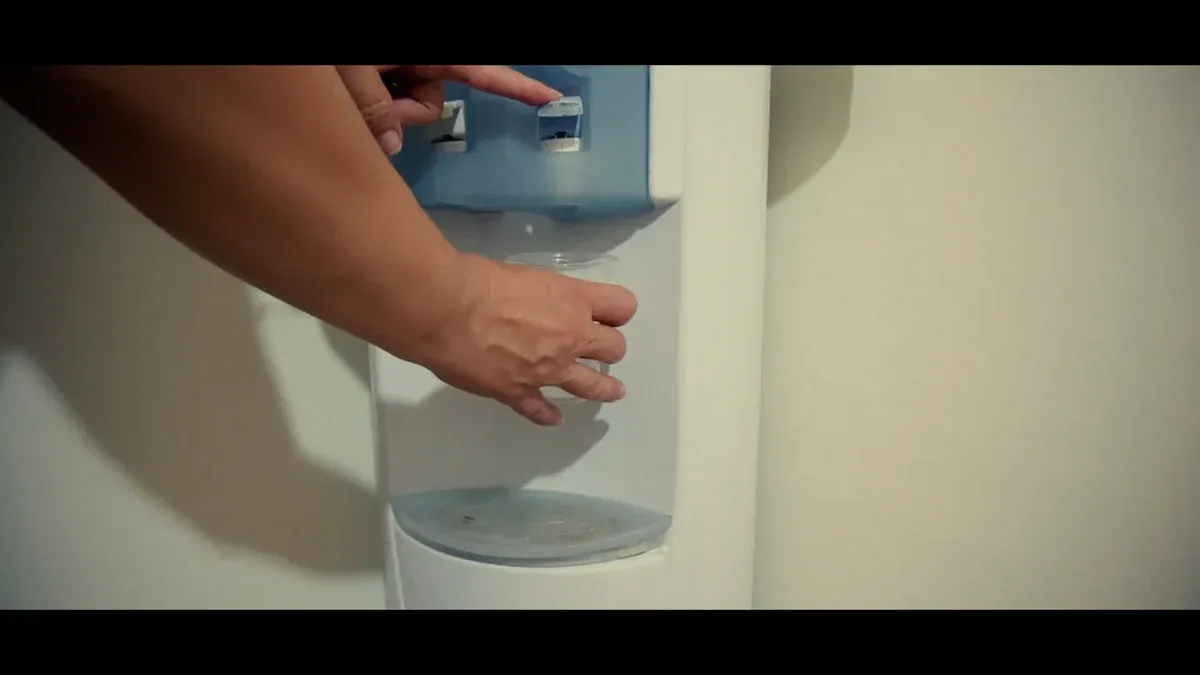
You want instant access to perfectly chilled or steaming hot water. Choosing the right water dispenser cold hot unit is a common goal. The market's rapid growth shows many people feel the same way.
| Metric | Value |
|---|---|
| Market Size (2023) | USD 2,983.7 million |
| Projected Market Size (2030) | USD 5,349.9 million |
| Compound Annual Growth Rate (CAGR) | 8.7% (2024-2030) |
Note: Understanding the key factors helps you make a confident purchase for your home or office.
Key Takeaways
- Choose between bottled and bottleless dispensers based on cost, convenience, and environmental impact. Bottled units offer flexible placement, but bottleless units save money and reduce waste over time.
- Pick a dispenser size that fits your space. Freestanding models suit large areas, while countertop units work well for smaller spaces.
- Look for features like child safety locks, self-cleaning functions, and energy efficiency. These features make your dispenser safer and easier to use.
The First Big Decision: Bottled vs. Bottleless
Your journey to finding the perfect water dispenser begins with one key choice. You must decide between a bottled model or a bottleless one. This decision impacts cost, convenience, and your environmental footprint. Each type offers unique benefits, so understanding them helps you select the right fit for your needs.
Bottled Water Dispensers
You probably picture a bottled water dispenser when you think of a water cooler. These classic units use large, 5-gallon plastic jugs that sit on top of or load into the bottom of the machine. They are a very common sight in homes and offices.
The main appeal of a bottled water dispenser cold hot unit is its simplicity.
- Flexible Placement: You can place them anywhere with an electrical outlet. No plumbing is required.
- Easy Setup: You just plug it in, load a bottle, and you have water.
- Water Quality: The water comes pre-filtered from a supplier, which many people prefer for taste.
However, you should also consider the drawbacks. You need significant space to store both full and empty bottles. Replacing the jugs involves lifting heavy weights, which can be a challenge. You also risk running out of water if you forget to schedule a delivery.
Price Check: The initial purchase price for bottled dispensers is often low. You can find models ranging from basic to advanced:
- Bottom Loading Dispensers: $18.00 – $399.00
- Stainless Steel Models: $9.00 – $305.00
- Touchless Coolers: $13.00 – $303.00
While the upfront cost is attractive, the long-term expenses for water delivery, bottle rentals, and other fees can add up quickly.
Bottleless (Point-of-Use) Dispensers
Bottleless dispensers, also known as point-of-use (POU) systems, offer a modern alternative. These machines connect directly to your building's water line. They use a built-in filtration system to purify your tap water on demand.
The advantages of going bottleless are significant, especially over the long term.
- Endless Water Supply: You never have to worry about running out of water.
- Ultimate Convenience: You can eliminate water deliveries, bottle storage, and heavy lifting.
- Cost Savings: After the initial purchase, your only ongoing costs are for filter replacements and the low price of tap water.
- Improved Hygiene: Many units feature touchless dispensing, reducing the spread of germs in shared spaces.
Installation is a key consideration. A bottleless unit needs a connection to a water source. Professional installation typically costs between $100 and $200. Many units also come with a DIY kit that includes tubing and instructions to connect it yourself.
Tip: For best performance, let your new bottleless dispenser stand upright for 24 hours before installation. This allows the compressor oil to settle properly.
To help you decide, here is a direct comparison of the two systems.
Cost and Maintenance Breakdown
| Feature | Bottled Water Delivery | Bottleless Dispenser |
|---|---|---|
| Initial Cost | Low (rental often included) | $150 - $2,000+ (purchase) |
| Water Cost | $0.75 - $1.50 per gallon | $0.01 - $0.05 per gallon |
| Filter Replacement | Not applicable | $50 - $150 per year |
| Delivery Fees | $5 - $15 per delivery | Not applicable |
| Long-Term Savings | Higher ongoing costs | Significant savings over time |
Environmental Impact Comparison
| Environmental Aspect | Bottled Dispensers (Plastic Bottles) | Bottleless Water Coolers |
|---|---|---|
| Plastic Waste | Contributes to landfill and ocean pollution. | Eliminates single-use plastic bottle waste. |
| Carbon Footprint | High emissions from manufacturing and truck deliveries. | Minimal emissions; uses existing water infrastructure. |
| Resource Depletion | Uses fossil fuels to produce and transport plastic bottles. | Conserves resources by avoiding plastic production. |
| Chemical Leaching | Risk of chemicals leaching from plastic into the water. | No risk of leaching from plastic bottles. |
Ultimately, the choice depends on your priorities. If you need maximum placement flexibility and prefer pre-bottled water, a bottled dispenser may work for you. If you value long-term savings, convenience, and sustainability, a bottleless dispenser is an excellent investment.
Finding the Right Fit: Dispenser Types and Placement
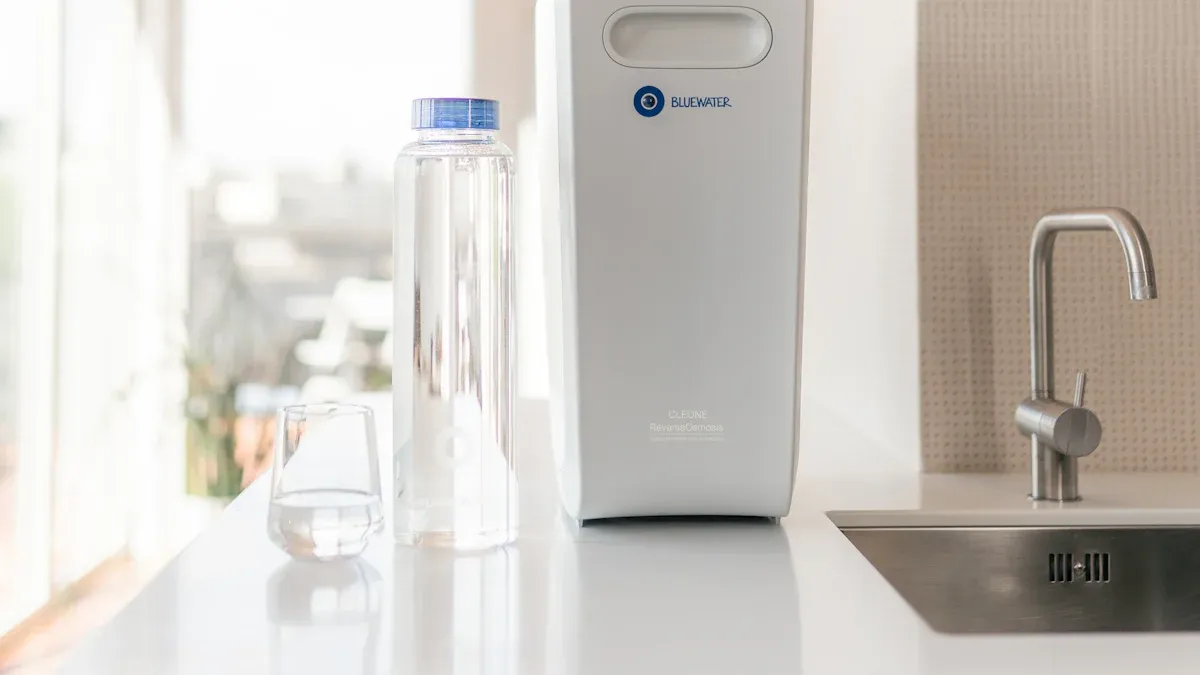
After you decide between bottled and bottleless, your next step is to think about placement. Where will your new dispenser live? This choice determines whether you need a freestanding or countertop model. You should consider your available space and how many people will use the unit.
Freeststanding Dispensers
Freestanding dispensers are tall, standalone units. You can place them almost anywhere with a power outlet. They are a great choice for high-traffic areas like office break rooms, lobbies, or spacious kitchens. Their larger size often means they have more powerful cooling and heating systems, making them ideal for serving many people.
You must measure your intended spot before buying. A typical top-loading model has the following specifications.
| Feature | Measurement |
|---|---|
| Unit Dimensions | 12.5" x 11.5" x 34" |
| Unit Weight | 19.45 lb |
| Installation Type | Top Loading |
These units provide a dedicated station for hydration, keeping your counter space free for other tasks.
Countertop Dispensers
Countertop dispensers offer the same great features in a smaller package. These compact models sit directly on your counter, desk, or any sturdy surface. They are perfect for small apartments, home offices, or businesses with limited floor space. You get the full convenience of a water dispenser cold hot unit without the large footprint.
Space Check: A countertop unit is very compact. It often measures around 13" x 12" x 20" and weighs just 11 pounds. You can easily fit one under most standard kitchen cabinets.
While smaller, they provide instant hot and cold water just like their larger counterparts, making them a versatile and space-saving solution.
Capacity and Dispensing Rate
You should also think about how much water your household or office uses. The dispenser's capacity and flow rate determine how well it keeps up with demand. Getting this right ensures everyone has access to water without waiting.
Matching Capacity to Your Needs
Capacity refers to how much hot and cold water a dispenser can hold ready at one time. For bottled dispensers, the main capacity is the 5-gallon jug. For bottleless models, you look at the size of the internal hot and cold water tanks. A larger tank means more chilled or heated water is available before the unit needs to cool or heat more.
You want a unit that can serve your needs without running empty during peak use. A small office might be fine with a 1-gallon cold tank, but a busy workplace needs a larger one.
Capacity Guide 💧
- 1-10 People: A standard countertop or freestanding unit is usually sufficient.
- 10+ People: Look for dispensers with larger internal tanks (over 1.5 gallons for cold water) to handle higher traffic.
Understanding Water Flow Rate
Dispensing rate, or flow rate, measures how quickly water comes out of the tap. A faster flow rate means you can fill your cup or water bottle in less time. This is especially important in busy environments where multiple people use the dispenser.
Manufacturers measure this rate in fluid ounces per second (fl oz/s). This unit tells you the volume of water that passes through the tap each second.
- You can calculate it with a simple formula:
Flow Rate (fl oz/s) = Volume (fl oz) / Time (s). - For example, if a dispenser fills a 20-ounce bottle in 4 seconds, its flow rate is 5 fl oz/s.
- This precise measurement is common in all drink dispensing applications.
A higher flow rate provides greater convenience, reducing wait times at the cooler.
Performance of a Water Dispenser Cold Hot Unit
You need to know how well a dispenser performs before you buy it. The heating, cooling, and other temperature options directly affect your daily convenience. Understanding these capabilities helps you choose a model that meets your expectations for instant refreshment.
Hot Water Capabilities
A key feature of any water dispenser cold hot unit is its ability to deliver steaming water on demand. You can use this for tea, instant coffee, or quick meals.
- Most dispensers heat water to a range of 160°F to 210°F.
- Some models can even reach a boiling point of 212°F.
- Advanced units can dispense hot water in as little as 15 seconds.
After you first set up the machine, it may take up to ten minutes to heat the full internal tank. Once heated, the dispenser maintains this temperature, so you always have hot water ready.
Cold Water Performance
Nothing beats a glass of chilled water on a warm day. Dispensers use a compressor to cool water, similar to a refrigerator. Most units provide cold water at a temperature below 50°F.
The cooling capacity tells you how much water a unit can chill per hour. For example, some models can cool about 0.5 gallons per hour. This is plenty for most homes or small offices. You should check this specification if you expect high usage.
Room Temperature and Ambient Options
Many dispensers also offer a third option: room temperature water. This feature provides great versatility for your daily needs. You might prefer ambient water for several reasons.
- It helps with digestion and is easier to drink in large amounts.
- You can use it in baking recipes for better mixing.
- It is safer for watering plants and hydrating pets.
- You can use it to create DIY cleaning solutions comfortably.
This option gives you water that is not too hot and not too cold, making it a practical choice for many household tasks.
Water Quality: Understanding Filtration Systems
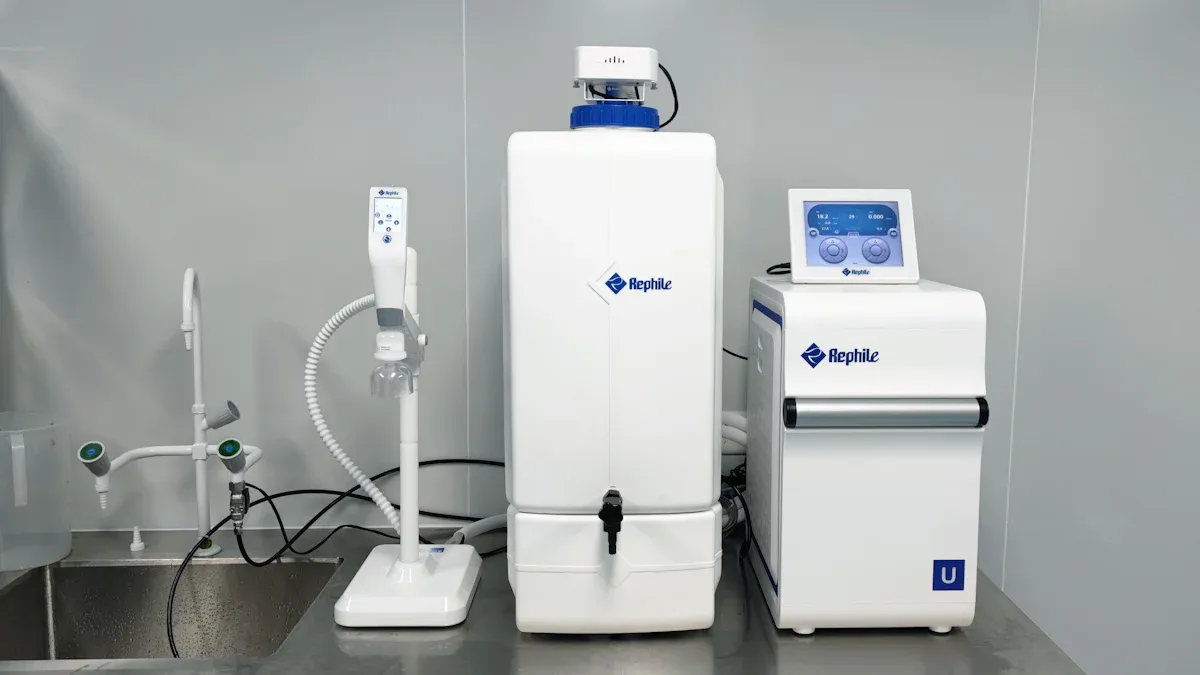
You want clean, great-tasting water from your dispenser. Bottleless models use built-in filtration systems to purify your tap water. Understanding these systems helps you choose the right level of purification for your needs.
Carbon Filtration
Carbon filtration is the most common type of filter you will find. These filters use activated carbon to trap impurities as water passes through. This process is excellent for improving the taste and smell of your water. A carbon filter effectively removes many common contaminants.
- Chlorine and chloramines
- Bad tastes and odors
- Volatile Organic Compounds (VOCs)
- Pesticides and herbicides
- Microplastics
Some advanced carbon block filters can also reduce lead and other heavy metals.
Reverse Osmosis (RO)
Reverse osmosis offers a higher level of purification. This system pushes water through a special membrane that blocks almost everything else. An RO system provides some of the purest water possible.
A quality reverse osmosis system can reduce total dissolved solids (TDS) by 85% or more. The best systems can remove up to 99% of these solids, giving you exceptionally clean water.
This method is ideal if you are concerned about a wide range of contaminants in your water supply.
Ultraviolet (UV) Purification
Ultraviolet (UV) purification is a final defense against germs. It does not remove particles but instead uses UV light to destroy microorganisms. As water passes the UV lamp, the light makes bacteria and viruses harmless. UV sterilization is highly effective and can achieve up to a 99.99% reduction in harmful microorganisms. It eliminates germs like E. coli, Salmonella, and various viruses, ensuring your water is safe to drink.
Key Features for Convenience and Safety
Modern water dispensers offer more than just hot and cold water. You should look for specific features that add convenience and safety to your daily use. These details can greatly improve your experience with the unit.
Child Safety Locks
You must prioritize safety if you have young children at home. A child safety lock on the hot water tap is an essential feature. This mechanism prevents accidental dispensing of scalding water. It requires a specific action, like pushing a button and a lever at the same time, to release hot water. This simple feature gives you peace of mind and protects your family from burns.
Self-Cleaning Functions
You want your water to be clean and hygienic. Many dispensers now include self-cleaning technology to prevent the buildup of germs. These systems often use either ultraviolet (UV) light or ozone to keep the water tanks sanitary. You can see how these two popular methods work.
| Cleaning Method | Mechanism | Hygiene Maintenance |
|---|---|---|
| UV Cleaning | Uses ultraviolet light to stop bacteria from forming in the cold water tank. | Kills bacteria safely and runs on an automated schedule. |
| Ozone Cleaning | Uses air, water, and electricity to create a powerful ozone solution. | Kills bacteria and prevents biofilm without leaving any residue. |
These automated functions ensure your dispenser stays clean with minimal effort from you.
Drip Tray Design
Spills and drips are common with any beverage dispenser. A well-designed drip tray helps you manage this mess. You should look for a unit with a removable tray.
- A removable drip tray makes cleaning easy.
- Many are even dishwasher safe for ultimate convenience.
Some advanced models, like the PureTap+, feature a versatile tray with a drain port. This design eliminates the need to empty the tray manually, keeping the area around your dispenser neat and dry.
Long-Term Ownership Considerations
Your new water dispenser is a long-term investment. You should think about its running costs and upkeep before you buy. Considering these factors helps you choose a model that is both convenient and affordable over time.
Energy Efficiency and ENERGY STAR Ratings
A water dispenser uses electricity to keep water hot and cold. An energy-efficient model can save you money on your utility bills. You can find these models by looking for the ENERGY STAR label. To earn this rating, a dispenser must use less energy than a set limit.
ENERGY STAR Qualification Levels (kWh/day)
Water Dispenser Category Capacity Max Energy Use (kWh/day) Cold-Only or Cook and Cold All ≤ 0.16 Hot and Cold – Storage Low Capacity ≤ 0.68 Hot and Cold – Storage High Capacity ≤ 0.80 Hot and Cold – On Demand All ≤ 0.18
Both bottled and bottleless units can be ENERGY STAR certified, helping you reduce your carbon footprint.
Maintenance and Filter Replacement
You need to clean your dispenser regularly to ensure your water stays fresh and hygienic. You should clean the unit every few weeks.
- Unplug the dispenser for safety.
- Wipe the outside with a soft cloth.
- Clean the inside reservoir with a mix of water and white vinegar.
- Drain the cleaning solution and rinse the tank well with clean water.
- Wash the drip tray with soap and water.
For bottleless models, you must also replace the filters. The cost and timing depend on the filter type.
| Filter Type | Replacement Frequency | Average Cost |
|---|---|---|
| Carbon Block | Every 6 months | $21.99 |
| Post Carbon | Every 12 months | $20.99 |
| UV Filter | Every year | $35.99 |
| RO Membrane | Every 12 months | $42.99 |
Installation Requirements
A bottleless dispenser connects to your water line. You must check a few things before installation.
- Plumbing: You need a water supply line near the dispenser. You also need a shut-off valve to control the water flow.
- Electrical: The dispenser requires a grounded electrical outlet. You should avoid using extension cords for safety.
You can often install these units yourself, but professional installation is also an option.
The best water dispenser cold hot unit aligns with your space and needs. Consider top-rated models like the versatile Avalon A4 or the compact Avalon A8 countertop unit. Your smart purchase brings long-term convenience and refreshment to your home or office, ensuring perfect hydration is always within reach.
FAQ
How often should you clean your water dispenser?
You should clean your water dispenser every few weeks. Regular cleaning prevents germ buildup. It also ensures your water always tastes fresh and pure.
Are water dispensers noisy? 🔊
Most modern dispensers are very quiet. You might hear a soft hum when the compressor runs to cool the water. The noise is minimal and should not be disruptive.
Can you put other liquids in a water dispenser?
You should only use water in your dispenser. Other liquids like juice or soda can damage the internal parts. They also create a risk for bacteria growth.