How Bulk X Ray Inspection Machines Solve Food Contamination Problems
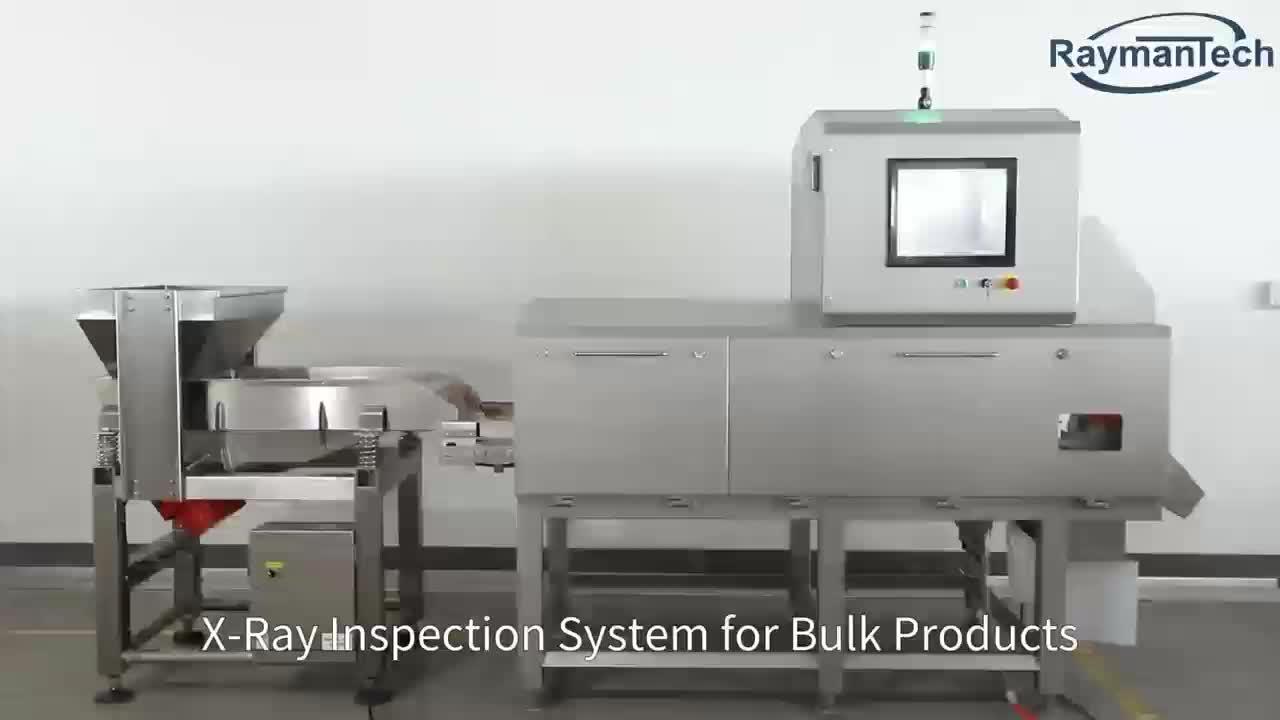
Bulk x ray inspection machine technology plays a vital role in modern food processing by directly targeting contamination. Advanced systems like Raymantech use AI-driven detection to maintain safety and product quality. These machines help meet international standards and build consumer trust.
They detect foreign bodies in food products.
They support compliance with standards such as HACCP and BRC.
They protect product integrity.
Key Takeaways
Bulk x-ray inspection machines detect a wide range of contaminants, including metal, glass, and plastic, ensuring food safety.
AI-driven technology enhances detection accuracy, allowing for real-time identification and removal of foreign objects during production.
Implementing x-ray inspection systems helps manufacturers comply with safety standards, reducing the risk of costly recalls.
Regular maintenance and staff training are essential for maximizing the effectiveness of x-ray inspection systems.
These machines adapt to various food processing environments, making them versatile tools for maintaining product quality across industries.
RaymanTech Bulk X Ray Inspection Machine for Contamination
RaymanTech stands as a leader in the field of food x-ray inspection. With decades of expertise, RaymanTech has built a reputation for innovation and reliability. The company operates globally, serving food manufacturers in regions across Asia, Europe, and the Americas. RaymanTech’s commitment to food safety and quality drives the development of advanced bulk x ray inspection machine solutions. These systems use AI-powered technology to address the most challenging contamination issues in modern food processing.
Discover the Future of Food Safety
Learn more about the Raymantech AI X-Ray Inspection System and how it can enhance your food safety processes.
Direct Contaminant Detection in Bulk Foods
Bulk x ray inspection machine technology transforms bulk food inspection by providing direct contaminant detection. Unlike traditional metal detectors, these machines can identify a wide range of contaminants. They detect both metallic and non-metallic items, such as glass, plastic, stone, and bone. This capability allows for the detection of hazards that metal detectors often miss, like a glass shard in a sealed bag or a bone fragment in processed meat. The superior sensitivity of bulk x-ray systems ensures that even the smallest foreign objects are found before they reach consumers.
Note: Food x-ray inspection technology is effective in identifying and removing various foreign objects, including metal, glass, and plastic contaminants from bulk food products. This process helps maintain product safety and quality at every stage of production.
The following table shows the types of contaminants that can be detected during bulk food inspection:
Contaminant Type | Description |
|---|---|
Stone/Minerals | Natural materials that can be found in food. |
Metal | Foreign metal objects that pose safety risks. |
Glass | Fragments that can cause injury if ingested. |
Plastic | Certain types of plastic that may contaminate food. |
Rubber | Compounds that can be harmful if consumed. |
Calcified Bones | Remnants of animal bones that may be present. |
RaymanTech’s bulk x ray inspection machine also supports contaminant identification for bones, cartilage, minerals, microplastics, and rubber. This comprehensive approach to foreign object detection ensures that contaminated products are removed efficiently.
The inspection width and height ranges supported by RaymanTech X-Ray machines are as follows:
Model | Inspection Width (mm) | Inspection Height (mm) |
|---|---|---|
RXI-4010BHD | 400 | 100 |
RXI-6010BHD | 600 | 100 |
RXI-8010BHD | 800 | 100 |
This flexibility allows RaymanTech to address diverse food processing challenges, from grains and spices to seafood and dairy.
Real-Time Detection and Removal
Food x-ray inspection systems from RaymanTech operate in real-time, scanning bulk products as they move along the conveyor. The AI-driven image processing analyzes each item instantly, ensuring immediate detection of contaminants. When the system identifies a foreign object, high-precision air jets remove the contaminated products from the line without stopping production. This real-time process minimizes waste and maintains workflow efficiency.
Key features of RaymanTech’s real-time detection include:
High sensitivity for detecting contaminants of various sizes and materials.
Minimal product loss due to precise air jet rejectors.
Fast conveyor speeds, supporting up to 120 meters per minute.
Consistent detection accuracy, even in high-throughput environments.
Food x-ray inspection technology also performs integrity checks, such as verifying seal quality and fill levels. This dual function improves both safety and quality, making RaymanTech’s bulk x ray inspection machine a comprehensive solution for food manufacturers.
RaymanTech’s advanced x-ray inspection systems set a new standard for contaminant detection and removal. Their AI-powered approach, combined with robust engineering and a global support network, ensures that food producers can deliver safe, high-quality products to consumers around the world.
Advanced X-Ray Inspection Technology
AI-Powered Detection and Image Processing
Advanced x-ray inspection technology uses electromagnetic radiation to scan food products for contaminants. The system works by detecting differences in density. Materials like metal, bone, and dense plastics absorb more x-rays, appearing darker in the inspection image. Less dense materials, such as organic contaminants, absorb less radiation and show up lighter. This principle allows for precise detection of a wide range of contaminants.
RaymanTech’s AI-powered x-ray inspection machines use deep learning algorithms to process large volumes of image data. These intelligent systems learn from production data and adapt to changes in product appearance. They can identify low-density and organic contaminants, internal defects, and sealing flaws with high detection accuracy. The technology enables full-area inspection for bottled and canned products, ensuring that every part of the product is checked for safety and quality.
AI x-ray scanners automate image analysis, leading to faster detection of threats.
The system processes each image in seconds, alerting operators only for objects of concern.
This automation reduces manual reviews and increases inspection efficiency.
RaymanTech’s advanced x-ray inspection systems include features like adaptive learning and automatic calibration. These innovations improve detection accuracy over time and support quality control in high-throughput environments.
Color Sorting and Integrity Checks
Food x-ray inspection machines from RaymanTech combine contaminant detection with color sorting technology. This dual approach allows the system to identify foreign materials and defects based on density and absorption characteristics. Color sorting technology detects internal defects and foreign objects that traditional optical sorting methods may miss. It is not influenced by surface color or texture, providing a reliable assessment of product integrity.
Note: By employing x-ray detection and color sorting, companies can enhance their sorting processes, reduce waste, and improve operational efficiency.
RaymanTech’s advanced x-ray inspection machines use high-precision air jet rejectors to remove defective products quickly. The system operates safely, with features such as tunnel curtains, safety interlock design, and shielding to protect operators. Regular testing ensures compliance with safety standards.
Safety Feature/Principle | Description |
|---|---|
Tunnel Curtains | Retain emissions to protect operators |
Safety Interlock Design | Prevents operation under unsafe conditions |
Lockable Power Isolators | Ensures equipment can be safely powered down |
Emergency Stops | Allows for quick shutdown in emergencies |
Shielding | Uses dense materials to absorb x-rays |
Regular Testing | Ensures compliance with safety standards |
RaymanTech’s advanced x-ray inspection technology sets a new standard for food safety and quality control. The combination of AI-powered detection and color sorting delivers reliable results, reduces food waste, and supports compliance with industry regulations.
Types of Contaminants Detected

Metal, Non-Metal, and Organic Impurities
Food x-ray inspection systems excel at contaminant detection across a wide range of materials. These advanced machines identify physical contaminants that threaten food safety and quality. The technology can spot both visible and hidden impurities in bulk products.
Common types of contaminants detected include:
Metal fragments
Glass shards
Stones
Dense plastics
Rubber bits
Bones
Ceramics
Insects
Bulk x-ray inspection machines also detect non-metal contaminants such as plastic, glass, and ceramic. Organic impurities like insects, mold, and wormholes are identified during the inspection process. For example, the Pine Nuts Food X-ray Inspection Machine can find and reject both metal and non-metal contaminants, as well as organic impurities, before they reach consumers.
Tip: Early contaminant detection helps prevent contaminated products from entering the market, protecting both consumers and brand reputation.
The following table summarizes the main contaminant types and their descriptions:
Contaminant Type | Description |
|---|---|
Metal | Various metals detected |
Glass | Includes shards and fragments |
Ceramic | Various ceramic materials |
Stone | Different types of stones |
Hard Plastic | Dense plastic materials |
Bone | Animal bone fragments |
Dense Rubber | Thick rubber materials |
Other Dense Impurities | Any other dense contaminants |
Detection of Color Defects and Foreign Materials
Food x-ray inspection machines use advanced imaging to analyze density variations inside processed foods. This technology allows for the detection of foreign materials and color defects without damaging the product. The system converts x-ray transmission data into images, revealing irregularities such as foreign objects and color discrepancies.
Color plays a key role in evaluating freshness and quality. Machine Vision AI identifies discoloration and spoilage, which are important for maintaining safety standards. Ensuring high-quality goods increases consumer satisfaction and trust. In fact, AI technology has reduced defects by 20% for some global food companies. Early detection of color defects improves overall product quality and supports effective quality control.
Note: Advanced x-ray inspection systems like RaymanTech combine contaminant detection with color sorting, setting new standards for detection accuracy and operational efficiency.
Practical Benefits of X-Ray Inspection Systems
Food Safety, Compliance, and Reduced Recalls
Food x-ray inspection systems play a crucial role in improving food safety and reducing contamination risks. These machines use advanced AI-driven detection to identify and remove contaminated products before they reach consumers. Companies rely on food x-ray inspection to meet strict safety standards and avoid costly recalls. The proactive detection of contaminants protects consumer health and builds trust in product safety.
Tip: Early contaminant detection helps manufacturers avoid foodborne illnesses and maintain a strong reputation.
The following table highlights how food x-ray inspection contributes to safety and compliance:
Benefit | Description |
|---|---|
Contaminant Detection | X-ray systems can identify various contaminants such as bone, metal, glass, and more, which helps prevent recalls. |
Quality Control | They allow for quality checks at any stage of production, ensuring that only safe products reach consumers. |
Cost Savings | By avoiding recalls and maintaining product integrity, companies save on potential losses and enhance customer loyalty. |
Food x-ray inspection systems also help manufacturers save time and resources. They support compliance with regulations and reduce the risk of contamination-related incidents.
Versatility Across Food Industries
Food x-ray inspection technology adapts to many food sectors. RaymanTech machines operate in environments ranging from dairy and meat to grains and seafood. Their broad spectrum detection handles metal, glass, stones, and dense plastics. The hygienic stainless-steel design and IP67 rating make these systems suitable for wash-down areas and harsh processing conditions.
Food Sector | Unique Challenges and Requirements |
|---|---|
Dairy Products | Detects metal fragments from machinery or packaging materials. |
Meat and Poultry | Finds bone fragments and foreign objects to ensure product safety. |
Bakery and Confectionery | Identifies metal shavings or glass fragments during production. |
Fruits and Vegetables | Spots stones or insects introduced during processing. |
Seafood, Spices, and Others | Adapts to specific challenges in each category. |
RaymanTech’s food x-ray inspection systems maintain high detection accuracy, even with different packaging types and product characteristics.
Implementation and Best Practices
Successful implementation of food x-ray inspection requires careful planning. Companies should select machines that match their production needs and contamination risks. RaymanTech offers models with inspection widths from 400 to 800mm and conveyor speeds up to 120 meters per minute. These features support high-throughput environments and minimize waste.
Best practices include:
Regular calibration and maintenance of inspection equipment.
Training staff to understand detection results and respond quickly.
Using data logging for traceability and continuous improvement.
Ensuring compliance with hygiene and safety standards.
Food x-ray inspection systems provide reliable detection, support quality control, and help manufacturers deliver safe, high-quality products to consumers.
Bulk X-ray inspection machines have transformed food safety by detecting a wide range of contaminants, including dense and low-density materials. These systems perform millions of scans without affecting food quality or taste. Advanced AI-powered solutions like RaymanTech improve operational efficiency and help prevent costly recalls. Food manufacturers benefit from enhanced product safety, cost savings, and stronger brand reputation.
Early contaminant detection supports safer production.
AI-driven systems exceed quality control standards.
Integration with management platforms ensures compliance.
Manufacturers should test systems with actual products, evaluate total ownership costs, and choose vendors with proven support. Resources such as foreign object detection, density inspection, and packaging integrity checks offer further guidance for successful implementation.
FAQ
What types of contaminants can bulk X-ray inspection machines detect?
Bulk X-ray inspection machines can find metal, glass, stone, dense plastic, bone, and even some organic impurities. Advanced AI systems like RaymanTech’s also spot color defects and hidden foreign materials.
How does AI improve contaminant detection in food processing?
AI analyzes X-ray images with high accuracy. It learns from data and adapts to new threats. This technology helps RaymanTech machines detect even small or low-density contaminants quickly.
Are bulk X-ray inspection machines safe for food and operators?
Yes. RaymanTech machines use shielding, tunnel curtains, and safety interlocks. X-ray leakage stays below strict safety limits. Food quality remains unchanged after inspection.
What industries benefit most from bulk X-ray inspection?
Many industries use these machines, including grains, dairy, meat, seafood, snacks, and spices. RaymanTech’s versatile design fits different products and processing environments.
How do X-ray inspection systems help reduce food recalls?
Early detection of contaminants prevents unsafe products from reaching stores. This reduces recalls, protects consumers, and saves companies money.