Building Elevator Price Trends You Should Know in 2025
In 2025, average costs for elevators in buildings show a wide range. Hydraulic models typically start at $30,000, while traction options can exceed $80,000. Machine-room-less systems and specialty lifts often carry higher price tags. Factors such as building height, load capacity, and technology features drive these numbers. Property owners see Building Elevator Price influenced by installation complexity, energy efficiency, and local regulations.
Building Elevator Price by Type
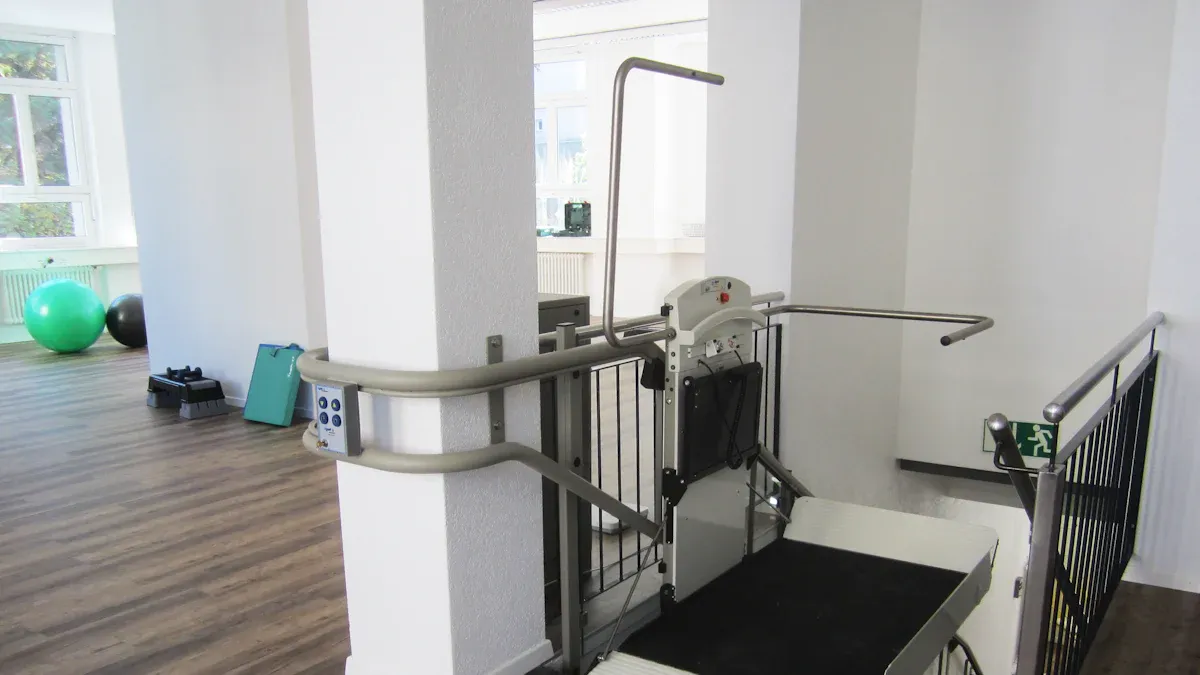
Hydraulic Elevators
Hydraulic elevators remain a popular choice for low- to mid-rise buildings in 2025. These systems use a piston and fluid-driven mechanism to move the cab. Most hydraulic elevators suit buildings with up to six floors. Property owners often select this type for its lower initial cost and straightforward installation process.
The average price for a standard hydraulic elevator in 2025 ranges from $30,000 to $60,000. This price includes basic features and standard finishes. Customizations, such as premium cab interiors or advanced control panels, can increase costs. Hydraulic elevators require a machine room, which adds to the total project expense. Maintenance costs tend to be moderate, but energy efficiency lags behind other types.
Tip: Hydraulic elevators work best in buildings where speed and energy efficiency are not top priorities.
Traction Elevators
Traction elevators use ropes and counterweights to move the cab. These systems fit high-rise and mid-rise buildings, offering faster speeds and smoother rides. In 2025, traction elevators continue to dominate commercial projects and luxury residential towers.
The Building Elevator Price for traction systems typically starts at $50,000 and can exceed $100,000 for advanced models. The price depends on factors such as travel height, load capacity, and technology features. Gearless traction elevators, which offer quieter operation and higher efficiency, command premium prices. Installation often requires more complex structural planning compared to hydraulic systems.
| Elevator Type | Typical Price Range (2025) |
|---|---|
| Hydraulic | $30,000 - $60,000 |
| Traction | $50,000 - $100,000+ |
| MRL | $60,000 - $120,000+ |
Machine-Room-Less (MRL) Elevators
Machine-room-less (MRL) elevators have gained traction in recent years. These systems eliminate the need for a separate machine room, saving valuable building space. MRL elevators use compact traction technology, making them suitable for both commercial and residential applications.
In 2025, the Building Elevator Price for MRL systems generally falls between $60,000 and $120,000. The final cost depends on cab size, travel distance, and optional features like smart controls or energy-saving drives. MRL elevators offer improved energy efficiency and lower maintenance needs compared to traditional hydraulic models. However, installation may require specialized expertise, which can affect the overall budget.
Note: MRL elevators provide a modern solution for buildings with limited space and a focus on sustainability.
Residential vs. Commercial Elevators
Residential and commercial elevators serve different purposes and come with distinct price points in 2025. Residential elevators usually feature smaller cabs, lower weight capacities, and simpler control systems. Homeowners often choose these elevators for convenience, accessibility, or to increase property value. Most residential models travel between two and five stops, which keeps installation straightforward.
Commercial elevators, on the other hand, must meet stricter safety codes and handle higher traffic. These systems often include advanced features such as automatic rescue devices, fire-rated doors, and sophisticated control panels. Commercial elevators support larger cabs and higher weight limits, making them suitable for offices, hotels, and multi-story retail spaces.
| Feature | Residential Elevators | Commercial Elevators |
|---|---|---|
| Typical Capacity | 750–1,000 lbs | 2,000–5,000+ lbs |
| Number of Stops | 2–5 | 2–20+ |
| Code Requirements | Less stringent | Strict (ADA, fire, seismic) |
| Average Price (2025) | $30,000–$60,000 | $50,000–$120,000+ |
Note: Commercial elevators require regular inspections and must comply with local and federal regulations. These factors can significantly impact the total cost of ownership.
Buyers should consider the intended use, building occupancy, and code requirements before selecting an elevator type. Residential elevators offer a cost-effective solution for private homes, while commercial models provide durability and safety for public spaces.
Freight and Specialty Elevators
Freight and specialty elevators address unique transportation needs within buildings. Freight elevators move heavy goods, equipment, or supplies between floors. These systems feature reinforced cabs, heavy-duty doors, and robust control mechanisms. In 2025, freight elevator prices start around $75,000 and can exceed $200,000 for high-capacity or custom installations.
Specialty elevators include models designed for hospitals, industrial facilities, or buildings with unique architectural constraints. Examples include dumbwaiters, vehicle lifts, and observation elevators with panoramic glass walls. Specialty elevators often require custom engineering and advanced safety features.
Key factors influencing the price of freight and specialty elevators include:
- Load capacity and cab size
- Travel distance and number of stops
- Custom finishes or materials
- Compliance with industry-specific codes
🚚 Tip: Facility managers should plan for additional costs related to structural modifications and ongoing maintenance when budgeting for freight or specialty elevators.
The Building Elevator Price for these systems reflects their complexity and the need for specialized installation. Owners should consult with experienced elevator contractors to ensure the system meets both operational and regulatory requirements.
Building Elevator Price for Installation
New Construction vs. Retrofit
Elevator installation costs differ greatly between new construction and retrofit projects. In new buildings, architects can plan for elevator shafts and equipment rooms from the start. This approach streamlines the process and often reduces labor hours. Retrofitting an elevator into an existing structure presents more challenges. Contractors may need to remove walls, reroute utilities, or reinforce floors. These extra steps increase both time and expense. Property owners should expect retrofit projects to cost 20% to 40% more than installations in new construction.
🏗️ Tip: Early planning for elevator placement in new buildings helps avoid costly changes later.
Labor and Permit Fees
Labor represents a significant portion of elevator installation costs. Skilled technicians handle the assembly, wiring, and testing of each system. Labor rates vary by region, but most projects require several weeks of work. Permit fees also add to the total. Local governments require permits to ensure safety and code compliance. Fees depend on the project's size and location. Some cities charge flat rates, while others base fees on the elevator's value or complexity.
A typical breakdown includes:
- Technician wages
- Electrical and mechanical work
- Inspection and certification fees
- Permit application costs
Site Preparation and Structural Modifications
Proper site preparation ensures a safe and efficient installation. Contractors may need to pour new concrete pads, reinforce support beams, or install fire-rated enclosures. Older buildings often require more extensive modifications. These changes can include widening doorways, adding ventilation, or upgrading electrical systems. Each adjustment adds to the timeline and budget. Owners should factor these costs into their overall Building Elevator Price estimates.
Note: Consulting with experienced elevator contractors helps identify potential site challenges early.
Building Elevator Price for Maintenance and Upgrades
Routine Maintenance Costs
Elevator systems require regular maintenance to operate safely and efficiently. Technicians inspect mechanical components, lubricate moving parts, and test safety devices. Most service providers recommend monthly or quarterly visits. In 2025, routine maintenance costs for standard elevators range from $200 to $500 per visit. Larger commercial systems may cost more due to complex machinery and higher usage rates.
Property owners often sign annual maintenance contracts. These agreements cover scheduled inspections and minor repairs. Contracts help prevent unexpected breakdowns and extend the lifespan of elevator equipment. Facility managers should review service records and choose reputable providers.
🛠️ Tip: Routine maintenance reduces the risk of costly emergency repairs and ensures compliance with safety regulations.
Emergency Repairs and Service Contracts
Unexpected breakdowns can disrupt building operations and inconvenience tenants. Emergency repairs address issues such as door malfunctions, control failures, or power outages. Costs for emergency service calls typically start at $500 and may exceed $2,000 for major repairs. Response times and availability depend on the provider and location.
Service contracts offer additional protection. These agreements include priority response, discounted labor rates, and coverage for specific parts. Building owners benefit from predictable expenses and faster resolution of problems. Comparing contract terms helps identify the best value for each property.
| Service Type | Typical Cost (2025) |
|---|---|
| Routine Maintenance | $200–$500/visit |
| Emergency Repairs | $500–$2,000+ |
| Annual Contract | $2,000–$6,000 |
Modernization and Upgrades
Elevator modernization improves safety, performance, and energy efficiency. Upgrades may include new control systems, LED lighting, or touchless call buttons. Older elevators often require modernization to meet current codes and enhance user experience. In 2025, modernization projects range from $15,000 to $50,000, depending on the scope and technology selected.
Owners should evaluate the benefits of upgrades against the impact on Building Elevator Price. Modern features attract tenants and reduce long-term operating costs. Consulting with elevator specialists helps determine which improvements deliver the best return on investment.
Note: Modernization extends the useful life of elevator systems and supports property value growth.
Building Elevator Price Impact from Design and Technology
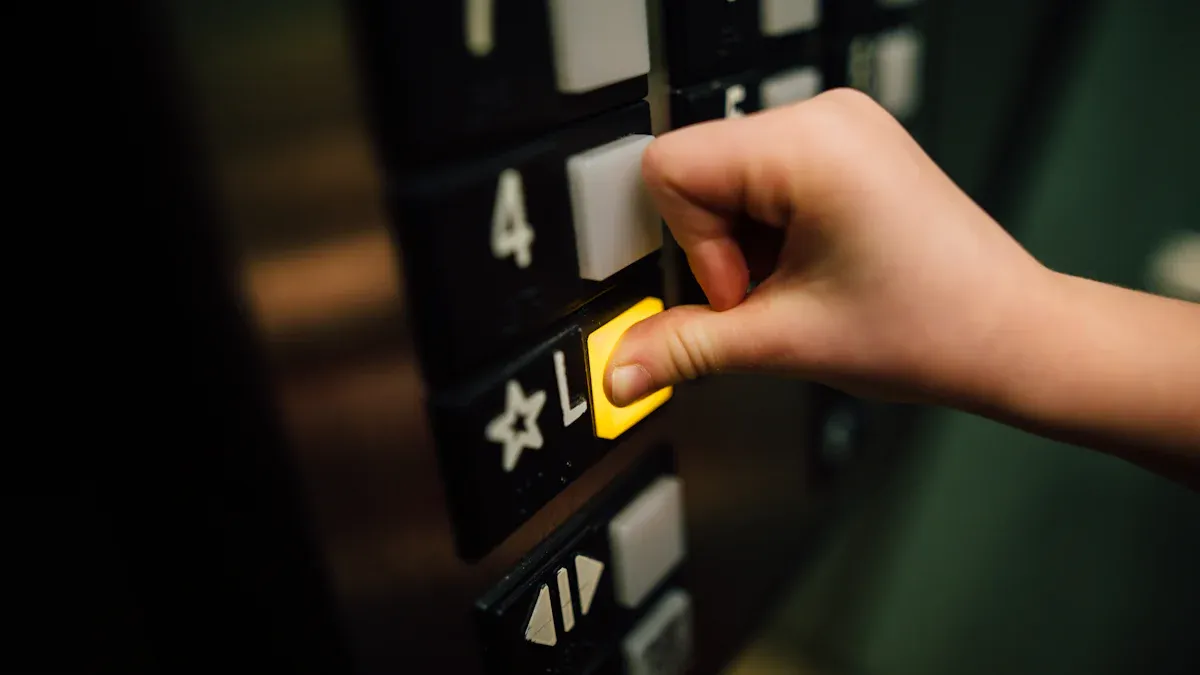
Custom Finishes and Cab Designs
Elevator cab design plays a significant role in shaping the overall impression of a building. Owners often select custom finishes to match interior themes or branding. Stainless steel panels, glass walls, and wood veneers remain popular choices in 2025. Decorative lighting and designer flooring add sophistication. These upgrades increase costs, with premium finishes raising the price by $5,000 to $20,000 per elevator. Architects recommend reviewing finish options early in the planning process.
| Finish Type | Estimated Additional Cost (2025) |
|---|---|
| Standard Laminate | $0–$2,000 |
| Stainless Steel | $3,000–$8,000 |
| Glass/Designer | $10,000–$20,000+ |
Owners who invest in custom cab designs often see improved tenant satisfaction and enhanced property value.
Smart Elevator Features
Smart technology transforms elevator performance and user experience. In 2025, many systems include touchless controls, destination dispatch, and real-time monitoring. These features optimize traffic flow and reduce wait times. Building managers use mobile apps to track elevator status and schedule maintenance. Adding smart features typically increases installation costs by $10,000 to $30,000. Technology upgrades also support energy savings and compliance with modern safety standards.
- Touchless call buttons
- Predictive maintenance alerts
- Integrated security systems
🧑💻 Smart elevators help buildings operate efficiently and appeal to tech-savvy tenants.
Accessibility Upgrades
Accessibility remains a top priority for building owners. Elevators must comply with ADA guidelines and local codes. Common upgrades include braille buttons, audible floor indicators, and wider doors for wheelchair access. These improvements ensure safe and comfortable use for all occupants. Accessibility upgrades usually add $2,000 to $10,000 to the total project cost. Owners should consult with accessibility experts to meet legal requirements and support inclusivity.
Accessibility features not only fulfill regulations but also expand the potential tenant pool.
Building Elevator Price reflects the impact of design choices and technology investments. Owners who prioritize custom finishes, smart features, and accessibility upgrades create safer, more attractive, and future-ready properties.
Building Elevator Price and Property Value
Impact on Resale Value
Elevators can significantly influence a building’s resale value. Buyers often look for properties with modern, reliable elevator systems. An upgraded elevator signals that the building meets current safety standards and offers convenience. Real estate agents report that buildings with new or recently modernized elevators sell faster and command higher prices. Owners who invest in elevator improvements may see a return on investment when they decide to sell. A well-maintained elevator also reduces the risk of costly repairs during the sales process.
🏢 Tip: Regular elevator upgrades help maintain property value and attract more potential buyers.
Attractiveness to Tenants and Buyers
Elevators play a key role in attracting tenants and buyers. Commercial tenants prefer buildings with efficient, safe, and accessible elevator systems. Residential buyers value elevators for convenience, especially in multi-story homes or condominiums. Features such as smart controls, custom cab finishes, and accessibility upgrades make properties stand out in competitive markets. Buildings with reliable elevators often experience lower vacancy rates and higher tenant satisfaction.
| Feature | Tenant/Buyer Appeal |
|---|---|
| Smart Controls | High |
| Accessibility Upgrades | High |
| Custom Finishes | Moderate |
Properties with advanced elevator features appeal to a wider range of occupants.
Long-Term Investment Considerations
Elevator systems represent a long-term investment for property owners. The initial Building Elevator Price reflects only part of the total cost. Owners must consider ongoing maintenance, modernization, and energy efficiency. Investing in high-quality elevator systems can reduce future expenses and increase building longevity. Energy-efficient models help lower utility bills and support sustainability goals. Owners who plan for regular upgrades and maintenance protect their investment and ensure continued property value growth.
- Schedule routine maintenance
- Budget for modernization projects
- Choose energy-efficient elevator models
Long-term planning for elevator systems supports stable property values and reduces unexpected costs.
Property owners see several trends shaping Building Elevator Price in 2025. They should compare elevator types, installation methods, and maintenance plans before making decisions. Reviewing energy efficiency and smart features helps maximize long-term value.
Careful budgeting and early planning allow owners to select elevators that fit both their needs and their financial goals.
FAQ
What factors most affect building elevator prices in 2025?
Building height, elevator type, load capacity, and technology features drive costs. Local labor rates and code requirements also impact the final price. Owners should review all specifications before budgeting.
How often should elevators receive maintenance?
Most experts recommend monthly or quarterly maintenance. Regular service checks help prevent breakdowns and ensure safety. Owners should follow manufacturer guidelines and local regulations.
Can elevator upgrades increase property value?
Yes. Modern elevators with smart features and accessibility upgrades attract buyers and tenants. These improvements often lead to higher resale values and lower vacancy rates.
Are there hidden costs in elevator installation?
Owners may face extra costs for permits, site preparation, and structural changes. Consulting with an experienced contractor helps identify potential expenses early.
See Also
Simple Practices To Avoid Dumbwaiter Elevator Failures
Comparative Analysis Of Leading Hospital Bed Elevators
Impact Of US Tariffs On Residential Hinges Market 2025