What Are the Benefits of Using BTDA in Polymer Formulations
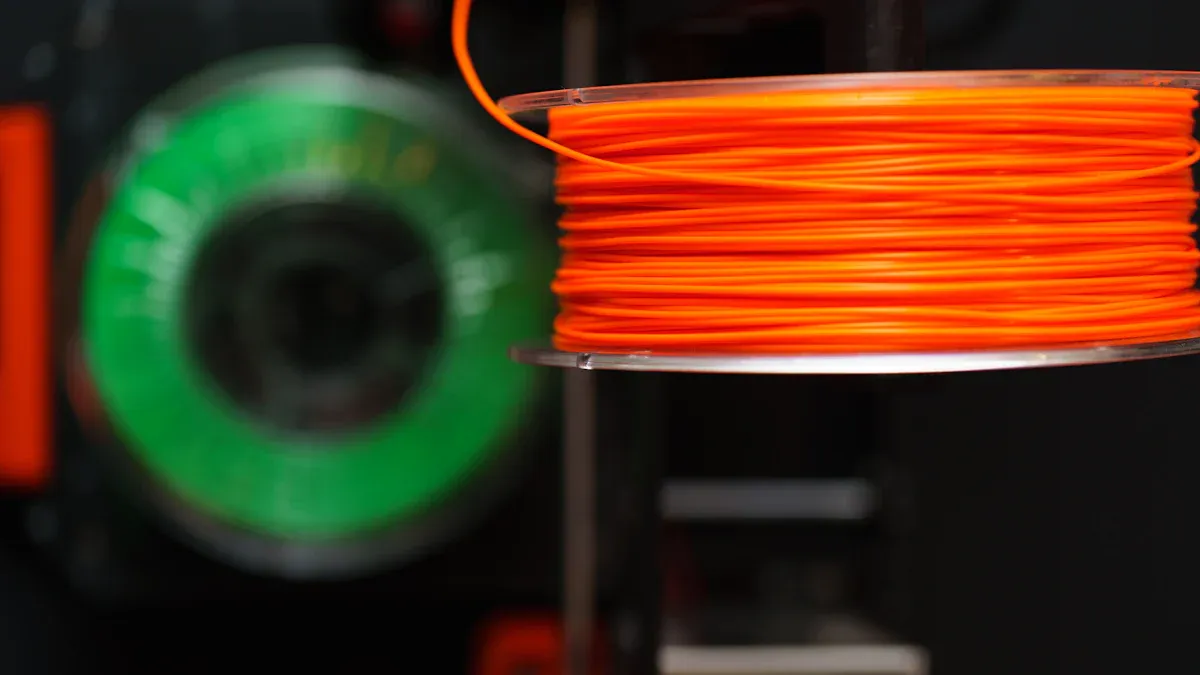
When you use BTDA in polymer formulations, you gain outstanding thermal stability, strength, and chemical resistance.
- The BTDA market is set to grow from $150 million in 2024 to nearly $250 million by 2034, with the automotive sector leading demand.
- The Asia-Pacific region now holds about 40% of total BTDA market revenue.
| Property | Improvement Description |
|---|---|
| Thermal Stability | Glass transition temperature reaches 340 °C. |
| Mechanical Strength | Membranes resist swelling and show better elasticity. |
| Chemical Resistance | Flame retardancy and stability remain excellent. |
Key Takeaways
- BTDA enhances thermal stability in polymers, allowing them to withstand high temperatures up to 340 °C. This durability is crucial for products used in harsh environments.
- Using BTDA improves mechanical strength and flexibility in polymers, making them tougher and less likely to crack or break under stress. This results in longer-lasting products.
- BTDA provides excellent chemical resistance and dielectric properties, making polymers safer and more reliable for use in electronics and aerospace applications.
Key Benefits of BTDA in Polymers
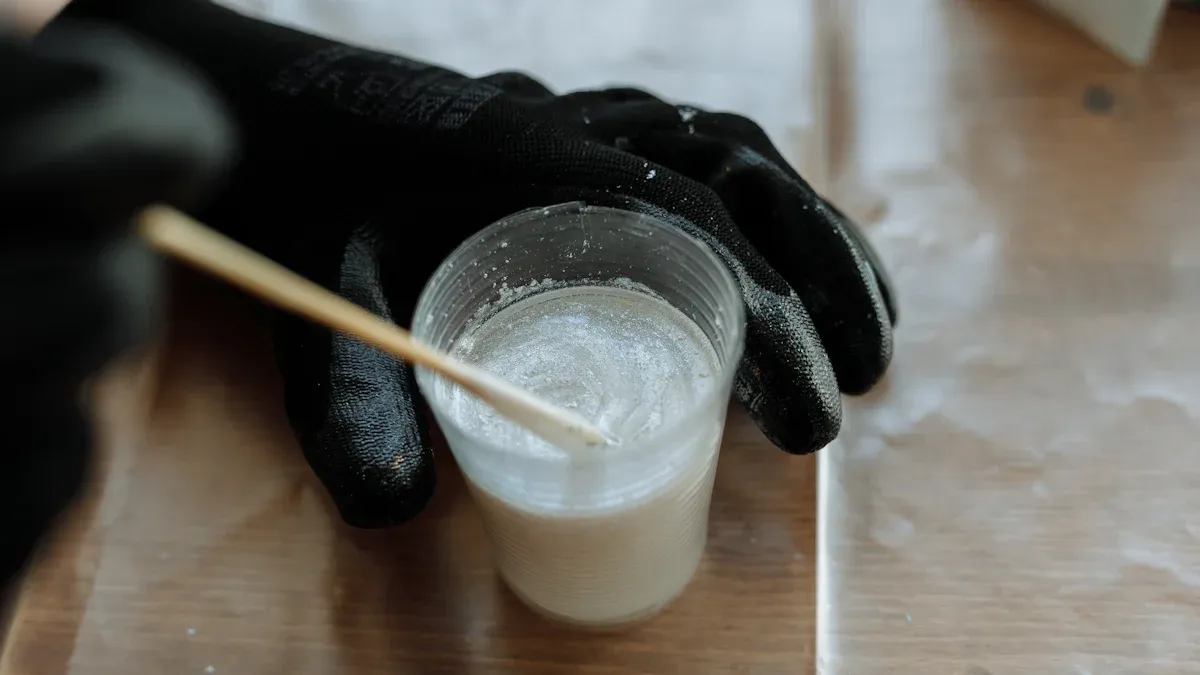
Thermal Stability and Heat Resistance
When you choose BTDA for your polymer formulations, you get materials that can handle very high temperatures. BTDA-based polymers often show a glass transition temperature above 280 °C. Some can even reach up to 340 °C. This means your products will not soften or lose shape easily when exposed to heat.
Tip: High thermal stability helps your polymer parts last longer in harsh environments, such as engines or electronic devices.
You can see how BTDA-based polymers compare to others in terms of heat resistance:
| Property | Temperature (°C) |
|---|---|
| 5% weight loss temperature | 572 |
| Glass transition temperature | 283 |
Researchers have tested different polyimides using various dianhydrides. Some, like FDN, reach even higher decomposition temperatures, but BTDA-based polymers still offer excellent stability. You can rely on them for applications where heat is a constant challenge.
Mechanical Strength and Durability
BTDA helps you create polymers that are not only tough but also flexible. When you use BTDA in your films or coatings, you can expect a big boost in both tensile strength and elasticity. For example:
- The tensile strength of a BTDA-based film can increase by about 27% compared to standard Kapton H film.
- The elongation at break can improve by around 22%, making the material less likely to crack under stress.
This means your products will resist breaking, stretching, or swelling, even when used in demanding conditions. BTDA also improves dimensional stability, which is important if you need your parts to keep their shape during use.
Note: Processing conditions, such as temperature and strain, can affect the final strength and flexibility of BTDA-based polymers. Strain-induced crystallization at higher temperatures can further enhance performance.
Chemical and Dielectric Properties
You can count on BTDA to give your polymers strong chemical resistance and excellent electrical properties. BTDA-based materials resist flames and chemicals, making them safer and more reliable for many uses. They also perform well as insulators in electronic devices.
Here is a quick look at the dielectric properties of a typical BTDA-based polymer:
| Polymer Type | Dielectric Constant | Dielectric Strength (kV/mm) | Dissipation Factor | Breakdown Voltage (%) |
|---|---|---|---|---|
| BTDA-HK25 | 4.5 | 780 | 12 | >90% |
You will find that BTDA gives your polymers a high dielectric strength and a stable dielectric constant. This is important for applications in electronics, where you need materials that can handle high voltages without breaking down.
BTDA also allows you to customize your polymer formulations. You can adjust the purity and particle size to fit your needs, and you can blend BTDA with other additives for even more flexibility.
BTDA Applications in Polymer Products
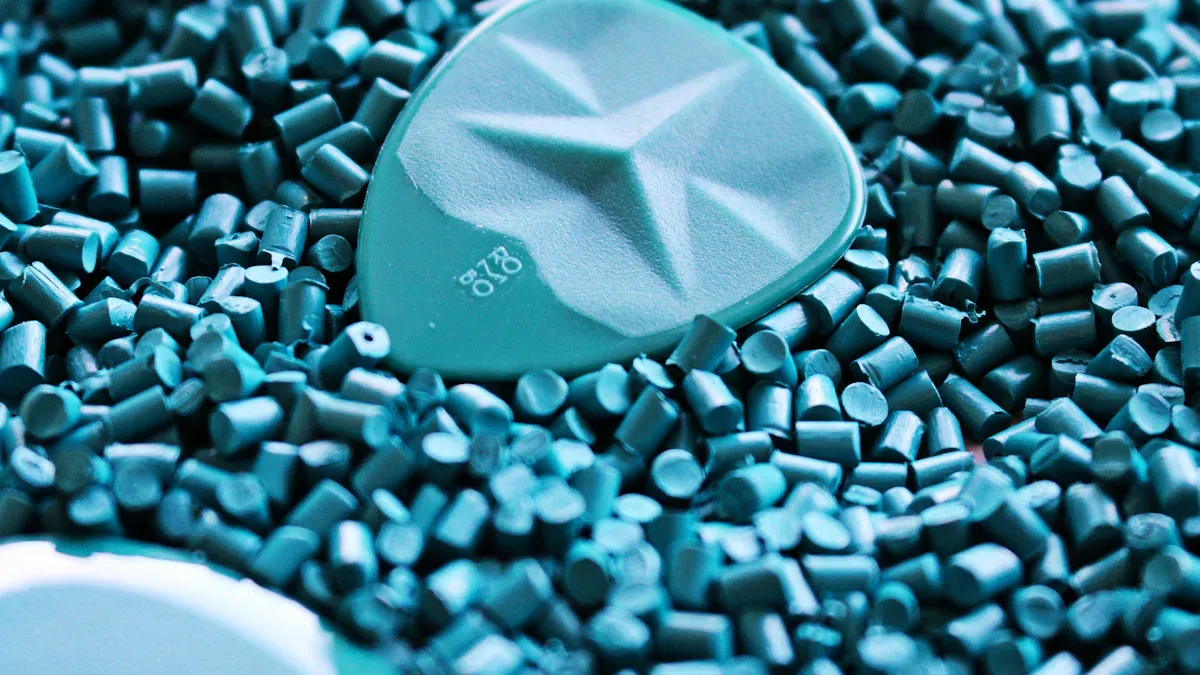
Polyimides for Electronics and Aerospace
You will find polyimides with BTDA in many high-tech products. These materials work well in electronics and aerospace because they stay strong and stable under heat. Polyimide aerogels made with BTDA show a specific strength increase of over 150% and a specific modulus increase of more than 250%. Their toughness also rises by over 160%. These aerogels have a very low density, which helps keep parts lightweight. The thermal insulation is excellent, so your devices or aircraft parts stay protected from heat.
Polyimide films with BTDA reach a tensile strength of 157.8 MPa and an elongation of 21.5%. This means you get flexible and tough films for circuit boards and insulation.
Polyimides with BTDA help you build safer, lighter, and more reliable electronics and aircraft.
Epoxy Resins for Insulation and Composites
When you use BTDA in epoxy resins, you improve the crosslinking density. This change lets you add more bio-based content without losing strength. Your epoxy parts become tougher and more durable. These resins work well for insulation in electrical systems and for making strong composite materials. You can trust them to hold up under stress and keep their shape.
Powder Coatings and High-Temperature Adhesives
BTDA also plays a role in powder coatings and adhesives that face high temperatures. You can use these coatings to protect metal parts from heat and chemicals. High-temperature adhesives with BTDA keep their bond even when exposed to harsh conditions.
Here are some common uses for BTDA-based products:
- Aerospace: Aircraft components that need to resist heat and stress
- Electronics: Circuit boards and films that must last in tough environments
- Automotive: Lightweight parts that help save fuel
| Year | Market Value (USD) | CAGR (%) |
|---|---|---|
| 2024 | 750.4 million | N/A |
| 2034 | 1.37 billion | 6.2 |
The market for BTDA-based polymer products keeps growing, especially in aerospace, electronics, and automotive industries.
You can rely on BTDA to improve polymer performance in tough environments.
- Poly(BTDA) stores up to 243 mAh/g of energy, making it competitive with other polymers.
- You see better capacity retention after 100 cycles, reaching 67%.
- Fast discharge rates show good cycling stability.
FAQ
What does BTDA stand for?
BTDA stands for 3,3',4,4'-Benzophenone Tetracarboxylic Dianhydride.
You use it to make high-performance polymers.
Can you mix BTDA with other additives?
Yes, you can blend BTDA with other additives.
- This helps you adjust polymer properties for your specific needs.
Is BTDA safe to handle?
You should wear gloves and goggles when handling BTDA.
BTDA can irritate your skin or eyes if you touch it directly.