Brio vs. Brita Which Slim Water Dispenser is Best?
You are part of a growing trend. More people want clean water at home. The US market reflects this demand, with significant growth projected.
| Metric | Value (2024) | Projected Value (2033) |
|---|---|---|
| US Home Water Filtration Market Size | USD 10.2 Billion | USD 15.3 Billion |
Your choice of a slim water dispenser depends on your goals. The Brio provides superior, multi-stage filtration with hot and cold water. The Brita offers a simple, budget-friendly way to improve water taste.
Key Takeaways
- Choose Brio for the cleanest water. It removes many bad things from water, like lead and chemicals.
- Choose Brita if you want to save money at first. It makes water taste better and is easy to move around.
- Think about what you need most. Brio gives you very clean water and hot/cold options. Brita is cheaper and simpler for basic water improvement.
Which Dispenser Cleans Water Better?
The most important job of a water dispenser is to provide clean water. Your choice between Brio and Brita depends heavily on the level of filtration you need. Brio uses a powerful, multi-stage process. Brita uses a simpler gravity-fed filter. Let's examine how each one performs.
How Good is Brio's Filtration?
You get comprehensive water purification with the Brio dispenser. It uses a multi-stage filtration system that targets a wide array of contaminants. Each stage has a specific job. This ensures the final glass of water is exceptionally clean.
The process removes both large and microscopic particles.
- Stage 1 (Sediment Filter): This first step catches larger particles. It removes things like rust, silt, and dirt from your water.
- Stage 2 (Carbon Filter): This stage improves taste and smell. It reduces chlorine and tackles other chemicals.
- Advanced Stages (2, 3, & 4): These filters remove the toughest contaminants. You can expect a reduction in:
- Heavy metals like lead and mercury
- Chlorine-resistant cysts such as giardia
- Organic chemicals, including pesticides and herbicides
- Lingering "forever chemicals" (PFAS)
- Pharmaceuticals like ibuprofen
How does it work? 🔬 Brio's sediment filters have a tiny pore size of just 0.02 microns. This makes them about 100 times more powerful than a standard 2-micron refrigerator filter.
Brio's performance is verified by independent testing. Its filters hold certifications to NSF/ANSI Standards 42, 53, and 372. These certifications confirm the system effectively reduces chlorine, lead, and other listed contaminants, giving you confidence in every drop.
How Good is Brita's Filtration?
You will find that Brita offers a more basic approach to filtration. It is primarily designed to improve the taste and odor of your tap water. Brita provides two main filter options for its dispensers: the Standard filter and the more advanced Elite filter.
Both filters reduce chlorine, so your water tastes and smells better. They also reduce some heavy metals like copper and zinc. However, key differences exist between the two.
| Feature | Brita Standard Filter | Brita Elite Filter |
|---|---|---|
| Lead Reduction | ❌ No | ✅ Yes (99%) |
| Asbestos Reduction | ❌ No | ✅ Yes |
| Pesticide Reduction | ❌ No | ✅ Yes (select types) |
| Pharmaceuticals | ❌ No | ✅ Yes (select types) |
| Microplastics | ❌ No | ✅ Yes |
The Brita Elite filter holds certifications from the WQA and IAPMO to NSF/ANSI standards. These confirm its ability to reduce lead, chlorine (Standard 42), certain pesticides (Standard 53), and trace pharmaceuticals like ibuprofen (Standard 401). The Standard filter is not certified for these specific contaminants.
Verdict: Who Wins on Filtration?
Brio is the decisive winner for filtration.
If your goal is to remove the widest possible range of contaminants, you should choose Brio. Its multi-stage system and extremely fine filter pores provide a higher level of purification. It actively removes heavy metals, chemicals, cysts, and pharmaceuticals that simpler filters miss.
Key Takeaway:
- Choose Brio for maximum protection and comprehensive water purification.
- Choose the Brita Elite if your main concerns are improving taste and reducing lead on a budget.
The Brita Elite filter is a good upgrade over basic pitchers. It offers certified lead and asbestos reduction. However, it cannot match the broad-spectrum cleaning power of the Brio system.
Which Slim Water Dispenser Fits Your Space Best?
Choosing the right dispenser involves more than just filtration; it needs to fit your home and lifestyle. You must consider if you have a dedicated spot for a permanent appliance or if you need something more flexible. Let's compare how the Brio and Brita models use your space.
Brio's Design and Build Quality
You should think of the Brio as a permanent appliance. It is a sturdy, freestanding unit designed to occupy a specific spot in your kitchen or office. Its build quality is substantial, reflecting its advanced internal components.
| Attribute | Value |
|---|---|
| Assembled Product Weight | 45 lb |
| Assembled Product Dimensions (L x W x H) | 14.37 x 11.81 x 43.00 Inches |
| Slim Profile (W x H) | 11.81"W x 43"H |
At 45 pounds, the Brio is a stable fixture. Its tall and narrow design allows this slim water dispenser to fit into tight spaces without taking up significant floor or counter area. You place it once and enjoy continuous access to purified water.
Brita's Design and Capacity
You will find the Brita dispenser offers maximum flexibility. It is a lightweight, pitcher-style dispenser made of durable plastic. Its design prioritizes portability and convenience over permanence.
Because it is sleek and compact, you can easily place it on a countertop while you fill glasses. When you are done, it fits neatly inside most refrigerators. This is a major advantage if you have limited counter space. You can store it away completely when not in use, freeing up your kitchen for other tasks.
Verdict: Who Wins on Design?
The best design depends entirely on your space and needs.
- Choose Brio if you have a dedicated spot and want a premium, stationary appliance that integrates into your home like a coffee maker or microwave.
- Choose Brita if you need a flexible, portable slim water dispenser that you can move from the counter to the fridge or store away to save space.
Brio offers a robust, high-end build for a permanent installation. Brita provides a simple, lightweight design for ultimate portability and space-saving storage.
Which Dispenser is Easier to Use Daily?
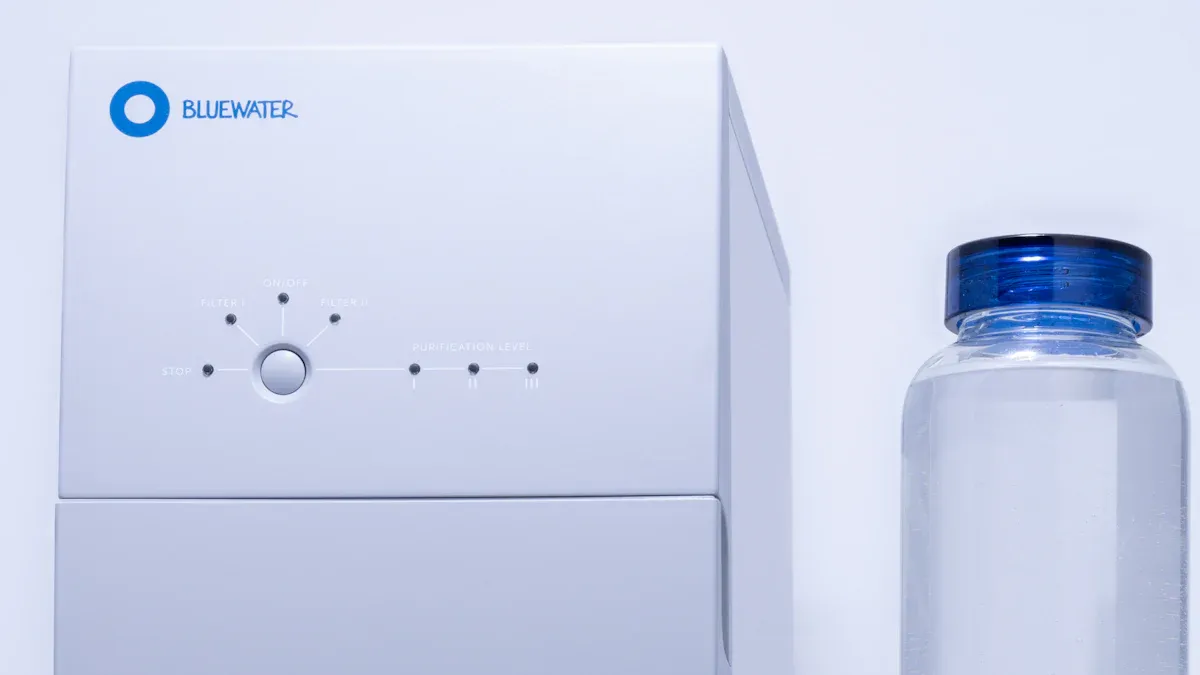
Your daily interaction with a water dispenser should be simple and convenient. Brio offers advanced, on-demand features, while Brita focuses on straightforward, user-friendly operation. Let's see which one makes your daily routine easier.
What Features Does Brio Offer?
You get instant access to purified water at three different temperatures with the Brio. This dispenser provides crisp cold, room temperature, and steaming hot water at the push of a button. You can make a quick cup of tea or grab a cold drink without waiting. The Brio also prioritizes safety for your family.
Its hot water spout is equipped with a child safety lock, so the entire family can use it worry free.
This feature prevents accidental burns, giving you peace of mind in a busy household.
What Features Does Brita Offer?
You will find the Brita dispenser is designed for simplicity. It uses a gravity-fed system with a spigot for easy pouring. The flow rate is quite fast for this type of filter, delivering about 0.71 gallons per minute. You can fill a glass or bottle quickly.
Brita also helps you track filter life. Many models include an electronic filter indicator. This light changes color to let you know when it is time for a replacement, removing any guesswork.
Verdict: Who Wins on Features?
This depends on what kind of convenience you value most.
- Choose Brio if you want the luxury of instant hot and cold water and advanced safety features. ☕
- Choose Brita if you prefer a simple, non-electric dispenser with helpful reminders for maintenance.
Brio wins for providing advanced, multi-temperature functionality. Brita wins for its simple, foolproof design that makes basic filtration effortless for anyone to use.
Which is the Better Long-Term Investment?
You need to look beyond the initial price tag to understand the true cost of a water dispenser. Your long-term investment includes the unit's price, filter replacements, and any operational costs. Let's break down the expenses for both Brio and Brita to see which offers better value over time.
What is the True Cost of Brio?
You should view the Brio dispenser as a long-term appliance investment. The initial purchase price is higher because it includes advanced filtration technology, heating and cooling elements, and a durable build. After the initial purchase, your main ongoing expense is filter replacement.
Brio's filters are designed for longevity. This significantly reduces how often you need to buy replacements.
| Feature | Detail |
|---|---|
| Replacement Filter Cost | $54.99 |
| Filter Lifespan | 15,000 gallons or up to 24 months |
You also have a small electricity cost. The Brio uses power to heat and cool water. An Energy Star certified cooler might use around 58.4 kWh per year. This adds a minor amount to your annual utility bill but provides the major convenience of on-demand temperature control.
What is the True Cost of Brita?
You will find the Brita dispenser has a very low initial cost, making it an attractive budget option. However, the true cost emerges over time through frequent filter replacements. The filters have a much shorter lifespan, so you will buy them more often.
Let's look at a three-year cost estimate. A Brita dispenser might cost $31. Annual filter costs are about $42. Your total investment over three years would be approximately $157.
You must also consider hidden maintenance costs. These non-financial costs involve your time and effort.
- Bacterial Growth: You need to clean the dispenser regularly. If you do not, the unit can become a breeding ground for bacteria. This extra step is a hassle but crucial for safe water.
- Short Filter Lifespan: You will replace Brita filters every month or two. This frequent task can become annoying and contributes to the long-term expense.
Heads Up! ⚠️ While the initial cost of a Brita is low, the need for frequent filter changes makes it a pricey option over time. You must also factor in the effort of regular cleaning.
Verdict: Who Offers Better Value?
Brio offers better long-term value for comprehensive purification, while Brita offers better short-term affordability.
Your best choice depends on your budget and water quality goals. The Brio has a high upfront cost, but its long-lasting filters (up to 24 months) make it more cost-effective over several years for users who need superior filtration. You pay more initially but save on the frequency of replacements.
The Brita is the clear winner if your budget is tight and your primary goal is improving taste. Its low entry price is hard to beat. However, you will pay more over time in both money and effort due to constant filter changes and cleaning requirements.
Your Value Choice:
- Choose Brio if you are willing to invest upfront for lower long-term maintenance costs and superior, multi-stage filtration.
- Choose Brita if you need the lowest possible initial cost and are okay with frequent filter replacements for basic taste improvement.
Your final choice depends on your needs and budget. This guide helps you select the right slim water dispenser for your home.
- Buy the Brio Slim Dispenser if: You want comprehensive filtration and instant hot/cold water. This appliance comes with a 1-year warranty, reflecting its durable build. 🛡️
- Buy the Brita Slim Dispenser if: You need a simple, budget-friendly way to improve water taste. It is a non-electric unit you can easily store in the fridge. 💧
FAQ
How often do you change the filters? 🗓️
You change Brio filters every 1 to 2 years. You must replace Brita Standard filters every two months and Brita Elite filters every six months for best results.
Does the Brio dispenser remove healthy minerals? 💧
No, the Brio filtration system leaves beneficial minerals like calcium and magnesium in your water. You get purified water without removing its healthy contents.
Can you put the Brita dispenser in the dishwasher? 🧼
No, you should not put the Brita dispenser in the dishwasher. You must hand wash the reservoir, lid, and spigot with a mild soap to keep it clean.