10 Smart Ways to Add Bovine Gelatin Powder to Your Recipes
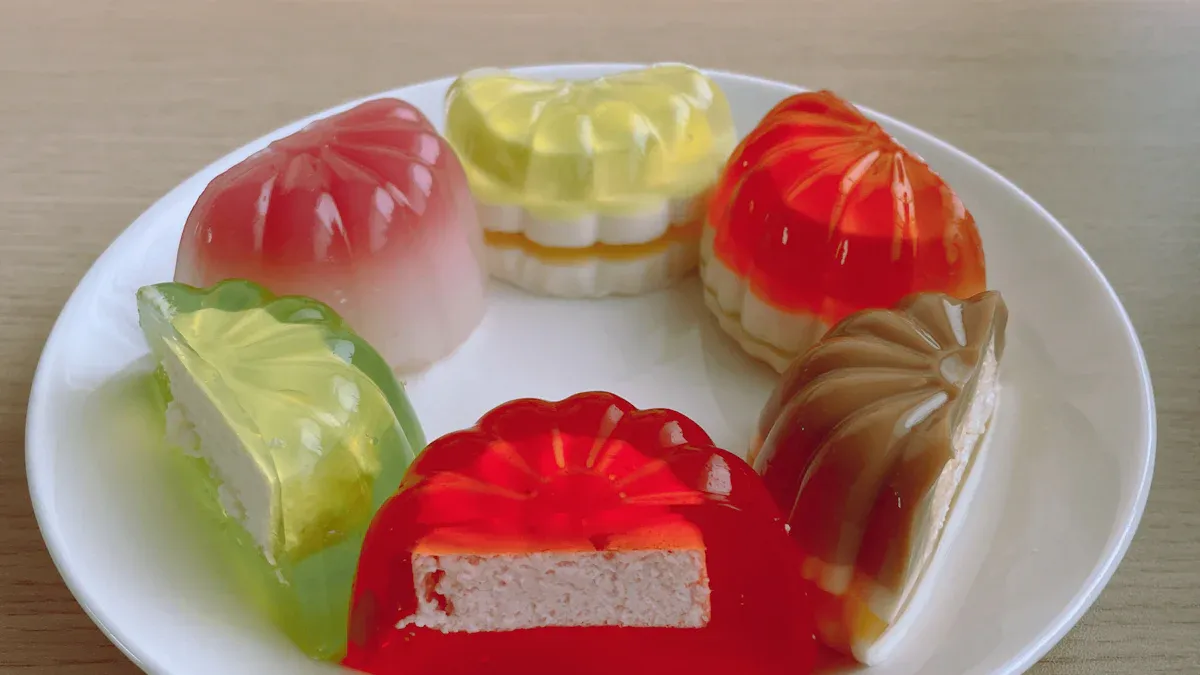
You can transform recipes with Bovine Gelatin Powder, which delivers remarkable texture and stability.
| Culinary Use Category | Functional Role | Notes |
|---|---|---|
| Desserts | Gelling, Thickening | Quick-setting options available |
| Dairy Products | Stabilizing | Improves shelf-life and texture |
| Meat Products | Thickening, Stabilizing | Enhances firmness and cohesiveness |
Key Takeaways
- Bovine gelatin powder improves texture and stability in many dishes, from soups and desserts to meat and dairy products.
- Always bloom gelatin in cold water before use and heat gently to avoid lumps and maintain smooth, creamy results.
- Using gelatin adds protein and supports joint, skin, and gut health while enhancing the flavor and appearance of your recipes.
Thicken Soups and Sauces with Bovine Gelatin Powder
How to Bloom and Add Gelatin for Smooth Results
You can achieve a silky, professional finish in your soups and sauces by properly blooming and dissolving gelatin. Start by sprinkling the powder over a small amount of cold water. Let it sit for about five minutes. This step allows the gelatin to absorb water and swell, which prevents clumping. Once bloomed, gently heat the mixture until the gelatin dissolves completely. Stir it into your hot soup or sauce, making sure the liquid is not boiling. Boiling can weaken the gel structure and affect the final texture.
Tip: Always bloom gelatin in cold water first. This ensures even hydration and a smooth, lump-free result.
Gelatin thickens by absorbing water and forming a gel network. This network increases viscosity and gives your dish a rich, satisfying mouthfeel. The gel is thermoreversible, so it melts when reheated and sets again as it cools.
Best Types of Soups and Sauces to Use
You can use Bovine Gelatin Powder to enhance a wide range of soups and sauces. Culinary experts recommend adding it to brothy soups, stews, braises, and pan sauces. It works especially well in dishes like Chicken Marsala, all-purpose gravy, and classic French consommé. Gelatin mimics the natural collagen found in homemade stocks, giving your recipes a luxurious, silky texture.
- For soups, use about 1 teaspoon per cup of broth.
- For sauces and braises, 2 teaspoons per cup creates a thicker, richer consistency.
This ingredient is especially helpful when you use canned or store-bought broth, which often lacks natural collagen. You can elevate both the flavor and texture of your dishes with this simple addition.
Make Homemade Gummies and Fruit Snacks Using Bovine Gelatin Powder
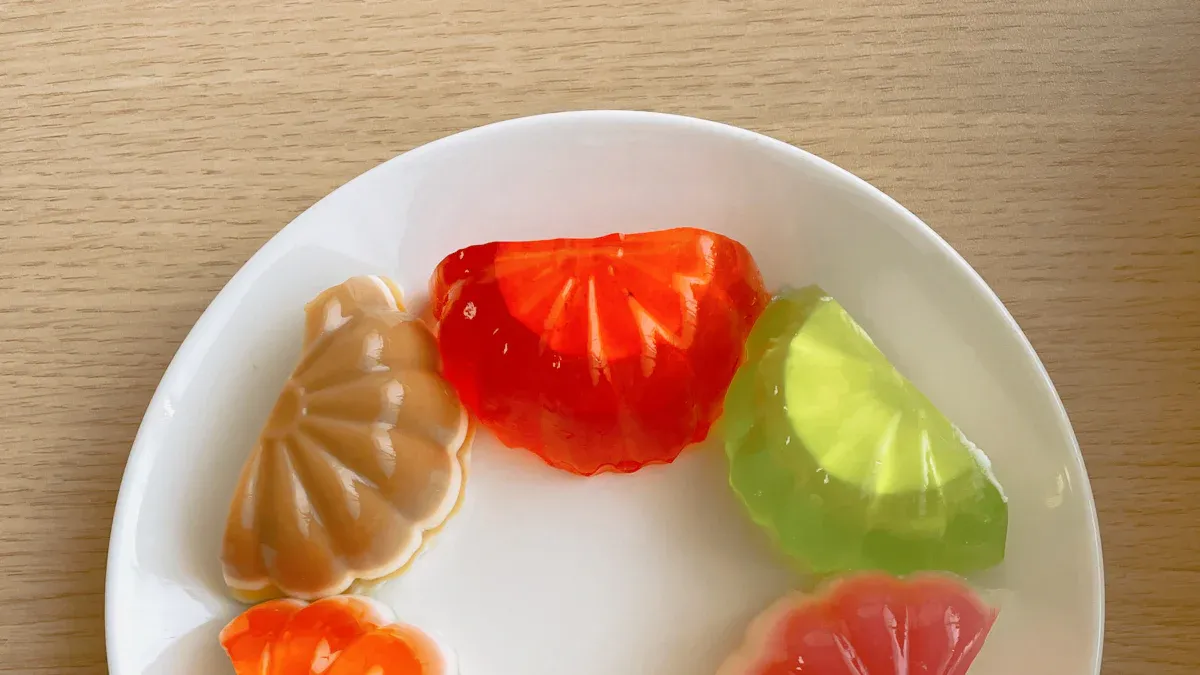
Simple Steps for Chewy, Healthy Treats
You can create chewy, nutrient-rich gummies at home with just a few ingredients. Start by selecting your favorite fruit juice or puree. Pour the juice into a saucepan and sprinkle Bovine Gelatin Powder evenly over the surface. Let the mixture sit for several minutes to allow the gelatin to bloom. This step ensures a smooth, lump-free texture. Gently heat the mixture over low heat, stirring until the gelatin dissolves completely. Pour the liquid into silicone molds or a lined baking dish. Refrigerate for at least two hours until the gummies set.
Homemade gummies made with real fruit and natural sweeteners offer more than just great taste. Gelatin, sourced from hydrolyzed collagen, provides essential amino acids that support your digestive system, joints, bones, and skin. Each gummy contains about 2.5 grams of protein, making it a smart snack choice. You avoid artificial colors, flavors, and excess sugars found in commercial options. The gelatinous texture also helps build strong connective tissues and supports gut health.
Flavor Ideas and Sweetener Tips
You have many options when it comes to flavors and sweeteners. Popular choices for homemade gummies include natural fruit juice concentrates and purees such as strawberry, raspberry, orange, and lemon. You can also experiment with natural extracts like vanilla, peppermint, or cinnamon, and even essential oils such as lime or eucalyptus for a unique twist.
For sweeteners, consider using honey, agave syrup, or fruit juice concentrates for a clean-label appeal. If you want a reduced-calorie option, sugar alcohols like xylitol or sorbitol work well. Some people prefer artificial sweeteners such as stevia or sucralose for sugar-free gummies. Consumer trends show a growing preference for natural ingredients and a variety of flavors, so feel free to get creative with your combinations.
Tip: Use silicone molds for easy removal and fun shapes. Store gummies in an airtight container in the refrigerator for up to one week.
Create Creamy Panna Cotta with Bovine Gelatin Powder
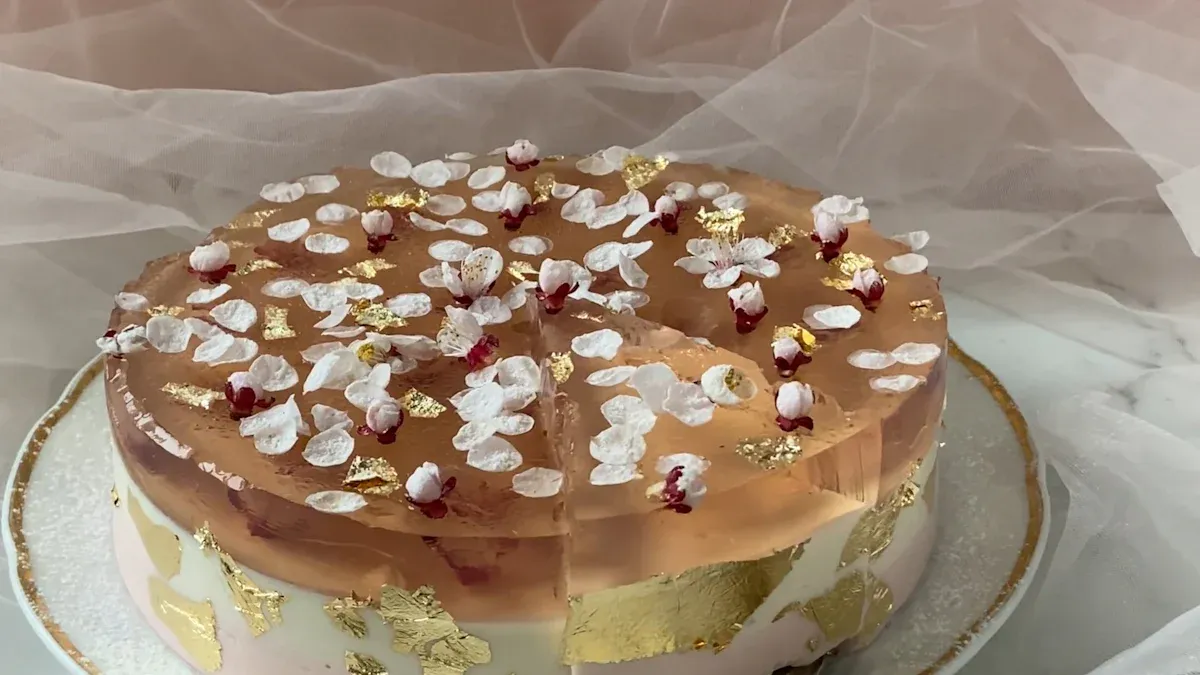
Achieving the Perfect Silky Texture
You can achieve a restaurant-quality panna cotta by using the right ratio of Bovine Gelatin Powder to liquid. Professional chefs recommend a soft, barely set texture for this classic Italian dessert. The following table shows the ideal proportions for a creamy result:
| Ingredient | Quantity | Notes |
|---|---|---|
| Heavy cream or half-and-half | 1 liter (1000 g) | Base liquid for panna cotta |
| Powdered gelatin | 4 teaspoons (~slightly less than 2 packets) | About 0.4% gelatin to liquid ratio for a creamy, tender set |
| Cold water | 6 tablespoons (90 ml) | Use to bloom gelatin before dissolving |
Bovine gelatin is flavorless and colorless, so it will not affect the taste or appearance of your dessert. When you bloom the gelatin in cold water, then dissolve it gently into warm cream, you create a silky, melt-in-the-mouth texture. Gelatin sets at cool temperatures and melts near body temperature, giving panna cotta its signature luxurious mouthfeel.
Tip: Avoid boiling the cream after adding gelatin. High heat can weaken the gel and cause a grainy texture.
Serving and Flavor Variations
You can serve panna cotta in elegant glasses or unmold it onto plates for a classic presentation. For flavor, try infusing the cream with vanilla beans, citrus zest, or espresso. You may also swirl in fruit purees or top with berry compote, caramel, or chocolate sauce.
- Use coconut milk or almond milk for dairy-free versions.
- Add a touch of liqueur, such as amaretto or Grand Marnier, for a sophisticated twist.
- Garnish with fresh fruit, toasted nuts, or edible flowers for visual appeal.
Bovine Gelatin Powder creates a soft, elastic gel that melts in your mouth, unlike plant-based alternatives like agar, which produce a firmer, less creamy texture. For the most indulgent panna cotta, always choose gelatin for its smooth, creamy finish.
Stabilize Whipped Cream and Mousses with Bovine Gelatin Powder
Preventing Weeping and Deflation
You can achieve stable whipped cream and mousses by using proper technique with Bovine Gelatin Powder. When you add gelatin, it forms a supportive network that holds air bubbles in place. This structure prevents your whipped cream from melting, weeping, or deflating, even when left at room temperature for a short time. Your desserts will keep their shape and look fresh for up to three days in the refrigerator. This method works especially well for cakes, pies, and decorative toppings that need to hold up during events or gatherings.
- Gelatin stabilizes whipped cream, making it ideal for piping and decorating.
- Mousses benefit from gelatin’s ability to create a light, airy texture while preventing separation.
- You avoid watery layers and sagging desserts by using this simple step.
Tip: Stabilized whipped cream holds up at temperatures up to 90ºF for a limited time, making it perfect for summer desserts.
When and How to Add Gelatin
You must bloom gelatin powder in cold water before using it. Sprinkle the powder over water and let it sit until it absorbs all the moisture. Gently melt the bloomed gelatin until it becomes clear. Mix a small amount of heavy cream into the melted gelatin to cool it down. Once your cream reaches soft peaks, slowly drizzle in the cooled gelatin mixture while mixing on low speed. This process ensures even distribution and prevents lumps.
- Bloom gelatin in cold water.
- Melt the gelatin and cool with a bit of cream.
- Add the mixture to whipped cream or mousse at the soft peak stage.
- Mix gently to avoid over-whipping or curdling.
With these steps, you create desserts that look professional and taste delicious.
Set Jellies and Gelatin Desserts with Bovine Gelatin Powder
Classic Gelatin Desserts Made Easy
You can create classic jellies and gelatin desserts at home with Bovine Gelatin Powder. This ingredient gives you a firm, clear, and flavorless gel that melts smoothly in your mouth. You only need to bloom the powder in cold water, dissolve it in hot liquid, and pour it into molds. The process is simple and reliable, making it easy to achieve consistent results every time.
When you compare Bovine Gelatin Powder to plant-based alternatives, you notice key differences:
| Aspect | Bovine Gelatin Powder | Plant-Based Alternatives (e.g., Agar-agar, Carrageenan) |
|---|---|---|
| Source | Derived from beef collagen | Derived from plants |
| Bloom Strength | Higher Bloom strength (stronger gelling power) | Different gelling strengths, not measured by Bloom |
| Flavor | Flavorless | May have distinct flavors |
| Texture of Gel | Firm, clear, and flavorless gels | Often firmer or more brittle |
| Melting Point | Melts at body temperature | Higher melting points |
| Culinary Use | Ideal for desserts and jellies | Used for vegetarian/vegan recipes |
| Dietary Restrictions | Not suitable for vegetarians/vegans | Suitable for vegetarians/vegans |
| Processing | Requires precise measurement | Requires different processing methods |
You get a smooth, delicate texture with Bovine Gelatin Powder, which is perfect for fruit jellies, layered desserts, and molded treats.
Tips for Unmolding and Presentation
Professional kitchens use several techniques to present gelatin desserts beautifully. You can follow these tips to achieve impressive results at home:
- Use clean, plain plates to let your dessert stand out.
- Experiment with plate shapes—square, rectangle, or triangle—for visual interest.
- Balance textures by adding creamy, crunchy, or cold elements.
- Garnish with fresh fruit, edible flowers, or colorful accents.
- Match portion size to plate size and fill empty space with attractive designs.
- Build height by layering elements or adding a base for stability.
- Combine multiple textures and flavors for harmony.
- Adapt your presentation to the occasion or season.
Tip: For easy unmolding, chill your gelatin dessert for several hours and dip the mold briefly in warm water before inverting onto a plate. Use silicone molds for creative shapes and easy release.
You can use tools like tweezers for precise placement of garnishes. Always plate cold desserts on cold dishes to maintain texture and appearance. With these techniques, your gelatin desserts will look as stunning as those in a professional kitchen.
Improve Homemade Marshmallows Using Bovine Gelatin Powder
Getting the Right Fluffy Texture
You can achieve professional-quality marshmallows at home by using Bovine Gelatin Powder as your main aerating agent. This ingredient, derived from animal collagen, forms an elastic film around air bubbles during whipping. As you whip the mixture, the gelatin stabilizes the foam, giving your marshmallows their signature soft, pliable, and elastic texture. The micro-fibrous structure created by gelatin helps retain moisture, which prevents the syrup from weeping and keeps your marshmallows soft for days. This moisture retention also slows spoilage, so your treats stay fresher longer. For best results, use gelatin with a Bloom strength between 180 and 250. Always hydrate the gelatin properly and control the temperature during mixing to preserve its gelling and foaming abilities.
Tip: Whip the mixture until it triples in volume and appears glossy. This step ensures a light, airy texture.
Flavor and Color Additions
You can personalize your marshmallows with a variety of flavors and colors. Popular flavor additions include:
- Vanilla extract
- Mint extract
- Ginger extract
- Cardamom extract
- Almond extract
- Orange extract
- Lemon extract
For vibrant colors, use paste or gel food coloring. These options provide strong color without thinning the mixture. Always add flavors and colors after the marshmallow base cools to nearly room temperature. This timing preserves both the flavor and the texture.
Note: Use extracts instead of oils for the best flavor distribution.
Enrich Yogurts and Dairy-Free Alternatives with Bovine Gelatin Powder
Making Spoonable, Creamy Yogurt
You can transform homemade yogurt into a thick, spoonable treat by adding Bovine Gelatin Powder. This ingredient acts as a secret weapon for achieving a custard-like consistency without the need for straining. Follow these steps for best results:
- Bloom the gelatin in a small amount of cold milk for five minutes.
- Warm the bloomed gelatin gently until it dissolves.
- Whisk the dissolved gelatin into your warm milk before adding starter cultures.
- Use about 1 tablespoon of gelatin per quart of milk for a Greek-style texture.
This method works well for both dairy and coconut milk yogurts, which often turn out runny without extra thickening. You do not need to increase the protein content or strain the yogurt. Instead, you get a creamy, stable product that holds its shape. Always maintain an incubation temperature near 110°F to ensure proper setting. If you use dairy-free milk, select a starter culture designed for non-dairy fermentation.
Tip: Avoid using gelatin with kefir grains, as it may disrupt their activity.
Using Gelatin in Plant-Based Recipes
When you make plant-based yogurts, you want a thick, commercial-style texture. Bovine Gelatin Powder delivers a neutral taste and smooth consistency, but it is not suitable for vegan diets. Consider these points when choosing thickeners for dairy-free yogurt:
- Gelatin requires heating to at least 95°F to activate.
- Pectin and agar are vegan-friendly alternatives. Pectin gives reliable thickening, while agar needs higher heat and may create a firmer texture.
- Guar gum can be added after culturing, but it may not produce a smooth result.
- Tapioca and arrowroot starches work but need careful temperature control.
- Ultra-Gel is easy to use but is highly processed.
You can achieve a creamy, spoonable yogurt with Bovine Gelatin Powder, but for strict plant-based recipes, pectin or agar may be better choices.
Clarify Stocks and Broths (Consommé) with Bovine Gelatin Powder
Using Gelatin for Crystal-Clear Broth
You can achieve a crystal-clear broth by using Bovine Gelatin Powder as a clarifying agent. This technique allows you to retain the full flavor of your stock while removing unwanted particles. Chefs often choose this method for consommés, refined broths, and delicate liquids like tomato water. The gelatin binds to suspended solids in the broth, which you can then filter out. You get a clear, elegant liquid that enhances both presentation and taste.
Common culinary uses for clarified broths include:
- Serving as the base for consommé and refined soups
- Using as poaching liquids for fish or vegetables
- Creating clear gelees for appetizers or plated dishes
- Improving yields of tomato water and "no heat" dashi
- Incorporating into sauces for a polished finish
This method preserves the natural flavors better than traditional egg white clarification. You can heat clarified broths for serving or use them in cold preparations.
Step-by-Step Clarification Process
You can clarify your broth with Bovine Gelatin Powder by following a simple process. Start by dissolving the gelatin in your warm broth. Pour the mixture into a shallow container and chill it until it solidifies. Once frozen, place the block of gelatinized broth over a fine mesh filter or cheesecloth. Allow it to thaw slowly in the refrigerator. As the broth melts, the gelatin traps the particulates, and only the clear liquid passes through the filter.
Here is a quick reference table for the process:
| Step | Action |
|---|---|
| 1. Dissolve Gelatin | Mix into warm broth |
| 2. Chill | Refrigerate until set |
| 3. Freeze | Freeze solid |
| 4. Thaw & Filter | Defrost over filter to collect liquid |
Tip: Use a ratio of 1-2% gelatin by weight for best results. Thaw slowly to maximize clarity.
You can use this clarified broth in many recipes, impressing guests with its purity and flavor.
Add Body to Smoothies and Shakes with Bovine Gelatin Powder
How Gelatin Improves Texture and Nutrition
You can transform your smoothies and shakes by adding Bovine Gelatin Powder. This ingredient gives your drinks a creamy, satisfying texture without making them heavy. When you blend gelatin into your recipes, you create a thicker, more luxurious mouthfeel that rivals any commercial smoothie. The gel structure forms as the drink cools, so you get a smooth, velvety consistency that holds up well, even if you prepare your smoothie ahead of time.
Nutritionally, Bovine Gelatin Powder boosts the protein content of your drinks. Each 10-gram serving provides about 8 to 9 grams of protein, including key amino acids like glycine, proline, and hydroxyproline. These nutrients support your joints, skin, and connective tissues. Gelatin digests slowly, which helps you feel full longer and provides a steady release of nutrients. It contains only 35 to 40 calories per serving, making it a smart choice for calorie-conscious diets. You can use it as a natural, flavorless alternative to processed protein powders, and it will not change the taste of your smoothie.
- Increases protein content by 6 to 12 grams per tablespoon
- Supplies amino acids for joint, skin, and gut health
- Supports digestion and liver detoxification
- Promotes healthy hair, nails, and bones
- Low in calories and suitable for weight management
Quick Tips for Blending
To get the best results, always dissolve gelatin in a small amount of warm liquid before adding it to your blender. This step prevents clumping and ensures a smooth texture. You can add the dissolved gelatin to your smoothie base, then blend with fruits, vegetables, or dairy alternatives. For a thicker shake, chill your drink for a few minutes after blending. This allows the gelatin to set slightly, giving your smoothie extra body.
Tip: Start with 1 teaspoon of gelatin per serving and adjust to your preferred thickness. Store leftover smoothies in the refrigerator, as the gelatin will help maintain their texture.
Bind Meatballs and Meatloaf with Bovine Gelatin Powder
Moisture Retention and Texture Enhancement
You can elevate your homemade meatballs and meatloaf by using Bovine Gelatin Powder as a binder. This ingredient offers a unique advantage over breadcrumbs or eggs. Its medium to high gel strength forms a stable gel that locks in moisture during cooking. As a result, your meat dishes stay juicy and tender, even after baking or frying.
The amino acids in Bovine Gelatin Powder, such as glycine and proline, help create a firm yet delicate structure. This structure holds the shape of your meatballs and meatloaf, preventing them from falling apart. The moderate melting point of gelatin ensures that your dish remains moist and cohesive under heat. You will notice a smoother, more satisfying mouthfeel compared to recipes that use only traditional binders. Many chefs use gelatin in terrines and pâtés for this very reason.
Tip: For best results, mix the gelatin with a small amount of warm water before adding it to your meat mixture. This step ensures even distribution and optimal binding.
How Much Gelatin to Use
You do not need much Bovine Gelatin Powder to see results. For every pound of ground meat, use about 1 teaspoon of gelatin powder. If you want extra moisture or are working with lean meats, increase the amount to 1.5 teaspoons per pound. Always bloom the gelatin in a few tablespoons of warm water before mixing it into your meat. This process helps the gelatin dissolve and blend smoothly.
Here is a quick reference table:
| Ground Meat (lbs) | Gelatin Powder (tsp) | Water to Bloom (tbsp) |
|---|---|---|
| 1 | 1 | 2 |
| 2 | 2 | 4 |
You can use this method for classic beef meatballs, turkey meatloaf, or even plant-based alternatives. The result is a moist, tender, and well-formed dish every time.
You can boost texture, stability, and presentation in your recipes with Bovine Gelatin Powder.
- Enjoy versatile texture control and improved mouthfeel in both sweet and savory dishes.
- Avoid common mistakes by blooming gelatin for 5-10 minutes and heating gently.
| Mistake | Quick Solution |
|---|---|
| Lumps or grainy texture | Sprinkle evenly, dissolve gently |
| Overheating | Keep heat below boiling |
FAQ
How do you store bovine gelatin powder for best results?
Store gelatin powder in an airtight container. Keep it in a cool, dry place. Avoid humidity and direct sunlight to preserve its gelling strength.
Can you substitute bovine gelatin powder for sheet gelatin?
Yes, you can substitute. Use one tablespoon of powder for every four sheets of gelatin. Always bloom the powder before adding it to your recipe.
Is bovine gelatin powder suitable for vegetarians?
- Bovine gelatin comes from animal collagen.
- It does not suit vegetarian diets.
- For vegetarian options, try agar-agar or pectin.