Bovine gelatin is halal trending or troublesome now
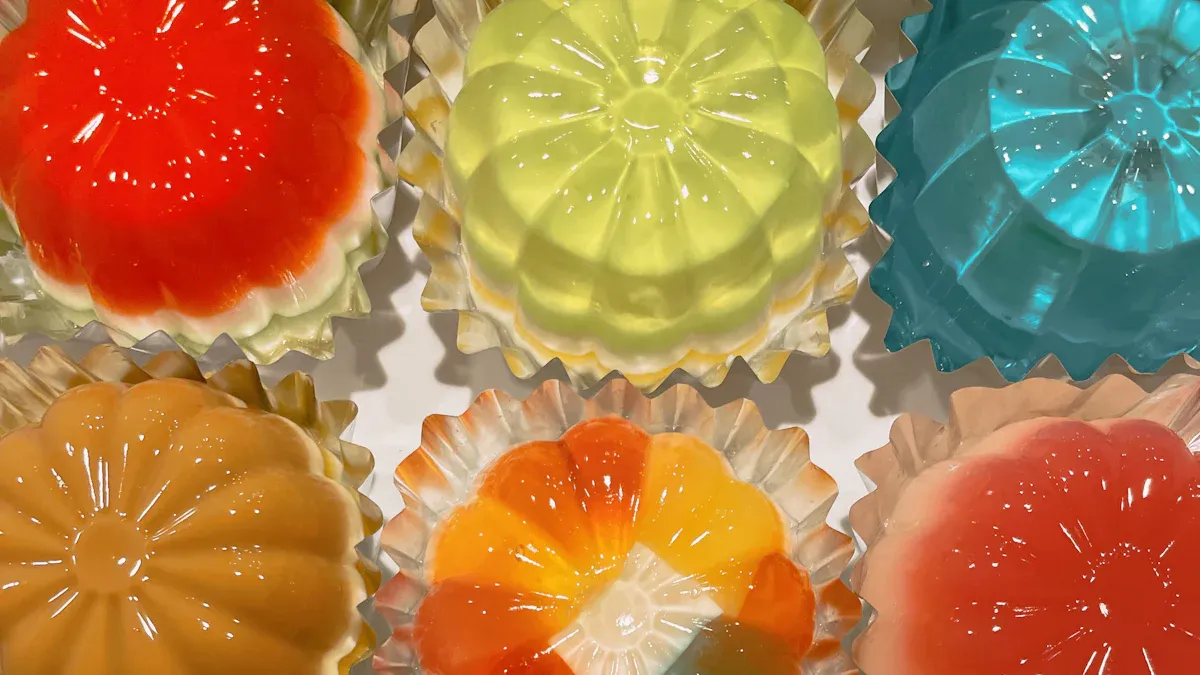
You may wonder if bovine gelatin is halal for your needs. Many products claim this status. Some companies follow strict rules to ensure halal sources. Others lack clear details.
Always check labels and ask questions. Your choices matter.
Key Takeaways
- Always check labels for halal certification before buying products with bovine gelatin. This ensures they meet your dietary needs.
- Understand the importance of the slaughter method. Bovine gelatin is only halal if the cattle are slaughtered according to Islamic law.
- Stay informed about the sources of gelatin. Not all bovine gelatin is halal; verify the origin and processing methods to avoid non-halal contamination.
What Makes Bovine Gelatin Is Halal or Not

Halal Certification Requirements
You may see many products labeled as halal, but not all meet the same standards. To understand if bovine gelatin is halal, you need to know what makes it acceptable. Halal certification organizations set rules that companies must follow. These rules help you trust that the product fits your beliefs.
Here is a table showing the main requirements for halal certification in major Islamic countries:
| Requirement | Description |
|---|---|
| Verification of Animal Source | Gelatin must come from animals allowed in Islam, such as cattle or fish. |
| Halal Slaughter | Animals must be slaughtered using Islamic rituals. |
| Documentation and Traceability | Companies must track where the gelatin comes from and how they process it. |
Different organizations have their own rules. For example, MUI in Indonesia and JAKIM in Malaysia both check facilities and raw materials, but they have some differences. You can see these differences in the table below:
| Organization | Facility Requirements | Raw Material Traceability | Ethanol Policy |
|---|---|---|---|
| MUI | Dedicated facilities; no pork contact | Full-chain traceability; no pig skin | No ethanol from alcoholic drinks; allows small amounts from other sources |
| JAKIM | Follows 'Toyyiban', GMP, HACCP rules | Not detailed | Allows natural ethanol below 1%; permits low industrial ethanol if necessary |
You should look for products with clear certification from trusted organizations. This helps you know if bovine gelatin is halal and safe for you.
Common Sources and Processing Concerns
You may find gelatin in many foods and medicines. The source of gelatin matters for halal status. Most gelatin comes from animal parts. Here are the main sources:
- Pig skin (about 45% of world gelatin)
- Bovine hides (almost 30%)
- Bovine and porcine bones (about 23%)
For halal consumers, only gelatin from cattle slaughtered by Islamic law is allowed. Many people think all bovine gelatin is halal, but this is not true. The animal must be slaughtered in the right way. Labels do not always tell you the source or method, so you need to check for halal certification.
The process of making gelatin also affects its halal status. Here are some important steps:
- The supplier must share where the cattle came from and how they were slaughtered.
- The factory must keep halal materials away from non-halal ones to avoid cross-contamination.
- You should choose products from suppliers with good reputations and clear halal certificates.
- Some companies use new technology, like DNA tests, to check the animal source and make the process more reliable.
Manufacturers face challenges in keeping gelatin halal. They must find enough cattle that meet Islamic rules. They also need to work with suppliers who follow strict guidelines. This can make halal gelatin cost more and be harder to find.
You should remember that not all products with bovine gelatin are halal. Always check for trusted certification and ask questions if you are unsure.
Pros of Bovine Gelatin Is Halal for Halal Consumers
Availability and Versatility in Food and Pharmaceuticals
You can find halal-certified bovine gelatin in many foods and medicines. This ingredient helps make gummies, marshmallows, yogurts, and even some dairy products. You also see it in capsules for vitamins and medicine. Many companies use it because it works well as a thickener and stabilizer.
The availability of halal-certified bovine gelatin is complex. Some plant-based options, like agar-agar and carrageenan, are easier to check for halal status. These alternatives do not need animal slaughter, so you may find them more straightforward. Still, when you want the texture and function of animal gelatin, halal-certified bovine gelatin is a key choice.
Here is a table showing common pharmaceutical products that use halal-certified bovine gelatin:
| Product Name | Description |
|---|---|
| Halal Certified Bovine Gelatine Hard Capsules | Used for making hard capsules and edible gelatin products |
| Pharmaceutical Grade Bovine Gelatin | Used in many pharmaceutical applications, FDA and Halal certified |
| Halal Bovine Skin Gelatin | High-purity gelatin for soft capsules with special properties |
Tip: Always check the label for halal certification before you buy food or medicine with gelatin.
When and Why Bovine Gelatin Is Halal
You may wonder when bovine gelatin is halal. The answer depends on Islamic law and how the gelatin is made. Cattle are halal animals, but the way they are slaughtered matters. The Quran says you cannot eat animals not slaughtered in the name of Allah. So, for gelatin to be halal, the cattle must be slaughtered by Zabiha rules.
Here are the main factors that make bovine gelatin halal:
| Factor | Description |
|---|---|
| Method of Slaughter | Cattle must be slaughtered according to Zabiha |
| Treatment of Raw Materials | No mixing with non-halal substances during processing |
| Istihalah | Some scholars say if gelatin changes fully, it may become halal, but many do not agree |
- Cow is a halal animal, so beef-based gelatin can be halal.
- Some scholars say gelatin changes so much that it is no longer impure.
- Most halal groups only accept gelatin from cattle slaughtered by Islamic law.
You should know that not all scholars agree about istihalah, or transformation. Many halal certification bodies do not accept gelatin from non-halal slaughtered animals, even if it changes form.
Cons and Controversies of Bovine Gelatin Is Halal
Risks of Non-Halal Sourcing and Cross-Contamination
You face several risks when you choose products without clear halal certification. Some companies may use non-halal sources or mix materials during production. This can lead to cross-contamination, which makes the product not safe for you. The table below shows the most common risks:
| Risk Type | Description |
|---|---|
| Contamination | Non-halal gelatin may contain porcine sources or non-halal bovine sources, leading to cross-contamination. |
| Quality Issues | Sourcing from non-halal suppliers may result in inferior quality gelatin that does not meet halal standards. |
| Compliance Issues | Non-compliance with halal standards can lead to legal and ethical concerns for businesses targeting Muslim consumers. |
You should always check for trusted halal certification to avoid these problems.
Transparency and Certification Reliability
You may find it hard to trust every halal label. Some companies do not share enough information about their sources or processes. This lack of transparency can make you unsure if bovine gelatin is halal in your food or medicine. Even with certification, mistakes can happen. Some organizations have strict rules, while others do not check as closely. You need to look for clear, reliable certification and ask questions if you have doubts.
Note: Trusted halal certification helps you make safe choices, but always stay alert for unclear or missing information.
Religious and Community Debates
You might notice that not everyone agrees about the halal status of gelatin. Scholars and communities often debate this topic. The table below shows the main points of disagreement:
| Key Point of Disagreement | Description |
|---|---|
| Source of Gelatin | Gelatin from pigs is haram; from cows not slaughtered according to Islamic law is also haram; from cows or fish slaughtered according to Islamic law is halal. |
| Concept of Transformation | Some scholars argue that processing collagen alters its chemical makeup, while others maintain that the original animal's status governs the ruling. |
| Madhhab Influence | Different schools of thought (Hanafi vs. Maliki) can lead to varying practical decisions regarding the halal status of gelatin. |
These debates affect your choices. Many Muslim and Jewish consumers avoid products with unclear sources. The growing halal market shows that you and others want products that match your beliefs. As more halal bovine gelatin is made in Muslim countries, you have more options that fit your needs.
Current Trends and Guidance on Bovine Gelatin Is Halal
Market Trends in Halal-Certified Bovine Gelatin
You see more products with halal-certified bovine gelatin now than ever before. Over the past five years, demand has grown quickly. This rise comes from the growing Muslim and Jewish populations. Many people want foods and medicines that fit their religious needs. Companies notice this trend and offer more options. You find halal-certified gelatin in snacks, desserts, and even in capsules for medicine. The food and pharmaceutical industries both use more halal gelatin because people ask for it. This growth creates new jobs and business opportunities. You benefit from more choices and better access to products that match your beliefs.
How Consumers Can Verify Halal Status
You want to make sure the bovine gelatin is halal before you buy or eat a product. Here are some steps you can follow:
- Read food labels to check if the gelatin comes from a halal source.
- Look for halal certification symbols on the packaging.
- Watch out for emulsifiers and additives, as they may come from non-halal sources.
- Check if the product lists the animal source of the gelatin.
- Use online resources or apps to confirm the authenticity of halal certification.
Some companies use special tests, like species-specific PCR, to prove the animal origin of gelatin. These tests help you trust that the product is truly halal. The PCR method is affordable and reliable, so you can feel more confident in your choices.
Tip: Always ask questions if you are unsure about a product. Trusted brands and clear labels help you make safe decisions.
You see that bovine gelatin is halal when you follow these steps and choose products with proper certification.
You can trust your food choices when you stay informed. Bovine gelatin is halal if you check for proper certification. Always read labels and ask questions. Stay alert for new information. Your actions help you and your community make safe decisions.
FAQ
Is all bovine gelatin automatically halal?
No. You must check if the cattle were slaughtered by Islamic law and if the product has trusted halal certification.
How can you tell if a product uses halal bovine gelatin?
Look for a halal certification logo on the package. You can also ask the company or check their website for details.
What should you do if you are unsure about the gelatin source?
- Read the label carefully.
- Contact the manufacturer.
- Choose products with clear halal certification.
See Also
Comparing Bovine Gelatin Powder With Fish And Pork Varieties
Understanding The Composition And Production Of Bovine Gelatin
The Health Benefits That Make Bovine Gelatin Powder Essential
Key Indicators Of High-Quality Bovine Gelatin Powder To Recognize
10 Creative Methods To Incorporate Bovine Gelatin Into Dishes