Can bovine chondroitin sulfate really help your joints
Current research shows bovine chondroitin sulfate may help reduce joint pain and slow cartilage loss in osteoarthritis. Clinical trials report improved symptoms and joint function. However, results vary and some studies note inconsistent benefits or possible side effects. Adults often choose these supplements for preventive joint care.
What is bovine chondroitin sulfate?

Definition and Source
Bovine chondroitin sulfate is a complex carbohydrate found in the connective tissues of cows. Manufacturers typically extract this compound from the trachea. Scientists classify it as a glycosaminoglycan, which means it consists of repeating disaccharide units. These units include glucuronic acid and N-acetyl-galactosamine, linked by specific chemical bonds. The compound has a lower molecular weight compared to similar substances from other animal sources, such as pigs or chickens.
The following table summarizes the main chemical properties and origin:
| Property | Bovine Chondroitin Sulfate |
|---|---|
| Molecular Weight (Da) | ~21,500 |
| Disaccharide Composition | Glucuronic acid (GlcA) and N-acetyl-galactosamine (GalNAc) linked by β(1→3) and β(1→4) bonds |
| 4/6 Sulfate Group Ratio | ~1.70 |
| Overall Charge Density | 0.92−0.93 |
| Production Source | Trachea |
Role in Joint Health
Researchers recognize bovine chondroitin sulfate as a major component of cartilage. It binds to collagen fibrils and helps limit water content in the tissue. This action supports the resistance and elasticity of cartilage, which are essential for healthy joint movement. Peer-reviewed studies show that this compound helps maintain the balance between tissue building and breakdown in joints. It also reduces inflammation and supports cartilage integrity. In addition, it modulates the activity of bone cells, which may help reduce bone resorption.
The table below highlights findings from recent studies:
| Study Title | Findings |
|---|---|
| Effects of chondroitin sulfate in the pathophysiology of the osteoarthritic joint: a narrative review | Helps maintain the balance between anabolism and catabolism in articular tissues, reduces inflammation, and supports cartilage integrity. Modulates bone cell activity to reduce bone resorption. |
| Comparative Efficacy and Safety Study of Two Chondroitin Sulfate Preparations from Different Origin (Avian and Bovine) in Symptomatic Knee Osteoarthritis | Acts as a major component of the cartilage matrix, binds collagen fibrils, and limits water content, supporting resistance and elasticity of cartilage. |
Note: The unique structure and biological activity of bovine chondroitin sulfate make it a popular ingredient in joint health supplements.
How bovine chondroitin sulfate works

Mechanism in the Body
Researchers have identified several mechanisms for bovine chondroitin sulfate in the human body. This compound shows anti-inflammatory properties by modulating cytokines and chemokines. It influences cellular homeostasis and the remodeling of the extracellular matrix. Scientists have also observed that it enhances the proliferation of osteochondral cell lines and promotes the differentiation of mesenchymal stromal cells into cartilage-producing cells. In addition, it down-regulates biomarkers associated with osteoarthritis, such as NF-κB and mTOR.
| Mechanism | Description |
|---|---|
| Anti-inflammatory properties | Modulates cytokines and chemokines to reduce inflammation |
| Cellular processes | Influences cellular homeostasis and matrix degradation/remodeling |
| Chondrogenesis | Promotes growth and differentiation of cartilage-forming cells |
| Biomarker modulation | Down-regulates osteoarthritis-related biomarkers (NF-κB, mTOR) |
Note: These mechanisms help explain why many clinicians recommend bovine chondroitin sulfate for joint support.
Impact on Cartilage and Joints
Bovine chondroitin sulfate plays a direct role in protecting cartilage and improving joint function. Laboratory studies show that higher concentrations of this compound reduce the friction coefficient in cartilage samples over time, which suggests improved lubrication and less wear.
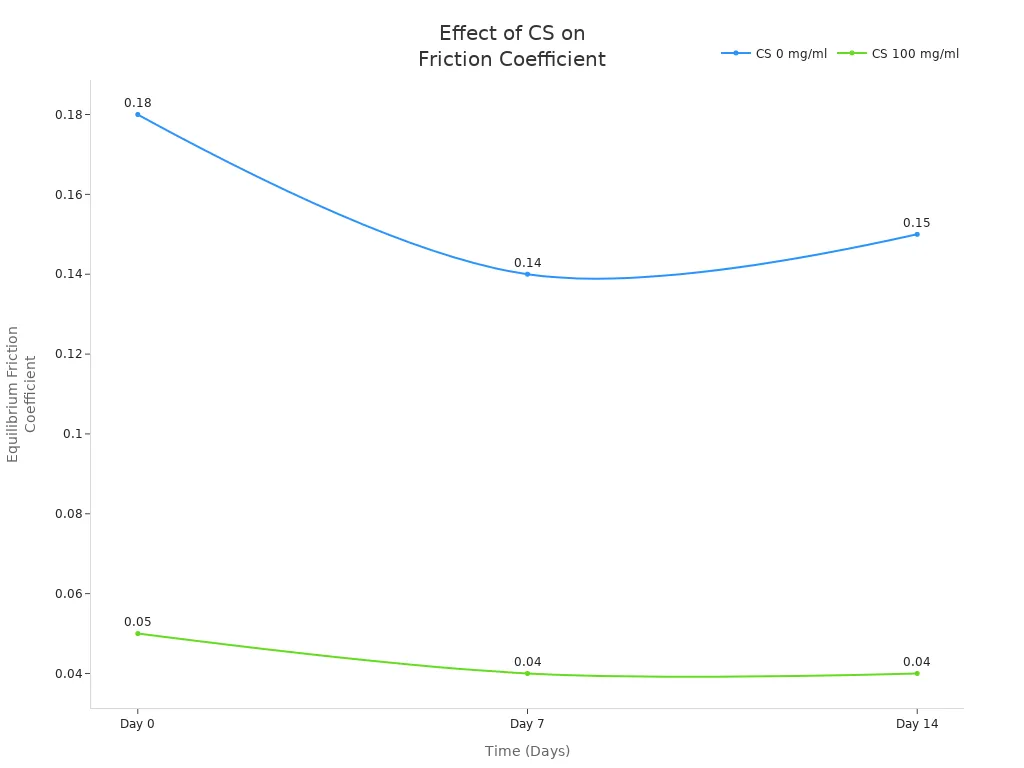
Clinical evidence indicates that patients with knee osteoarthritis experience reduced cartilage volume loss and fewer bone marrow lesions when using this supplement. Researchers have also documented several key effects:
- Increased synthesis of proteoglycan, hyaluronic acid, and aggrecan
- Blockade of proteoglycan degradation by pro-inflammatory cytokines
- Prevention of oxyradical formation and modulation of chondrocyte signaling pathways
These actions support joint structure and may slow the progression of degenerative joint diseases.
Pros of bovine chondroitin sulfate supplements
Evidence for Joint Pain Relief
Many patients report noticeable relief from joint pain after starting bovine chondroitin sulfate supplements. Clinical trials show that pain scores decrease significantly within the first few weeks of supplementation. The following table summarizes patient-reported outcomes for pain reduction:
| Time Point | Joint Pain Scores (HCM) | Joint Pain Scores (Placebo) |
|---|---|---|
| Baseline | High | High |
| 3 Weeks | Significant reduction | No significant change |
| 12 Weeks | Continued reduction | No significant change |
| 16 Weeks (Post-Washout) | Gradual increase but still lower than placebo | High |
Patients experience fast-acting effects, with some reporting improvement in pain as early as 14 days. Mobility scores also improve over time, as measured by standardized tools like the Visual Analog Scale and WOMAC index. These findings suggest that bovine chondroitin sulfate may offer consistent pain relief for individuals with osteoarthritis.
Potential to Improve Joint Function
Bovine chondroitin sulfate supplements demonstrate positive effects on joint function in several randomized controlled trials. Researchers observe improvements in knee mobility and overall joint performance. The table below highlights key findings from clinical studies:
| Study Description | Findings | Joint Impact |
|---|---|---|
| Lippiello et al. (synergistic effect study) | Improvement in joint function with combined treatment of glucosamine and LMW chondroitin | Knee |
| Navy Seal study (16-week trial) | Positive effect on knee osteoarthritis symptoms | Knee |
| Double-blind trial comparing Condrosulf with diclofenac | Similar efficacy in reducing pain and improving function | Knee |
| Study on varying doses of chondroitin sulfate | Significant improvement at 800 mg and 1200 mg doses | Knee |
Researchers note that higher doses produce greater improvements in joint function. Some studies compare bovine chondroitin sulfate to standard medications and find similar benefits in pain reduction and mobility enhancement. These results indicate that the supplement can support daily activities and physical performance.
Possible Slowing of Cartilage Breakdown
Bovine chondroitin sulfate plays a crucial role in maintaining cartilage structure and function. This compound supports water retention in cartilage, which helps resist pressure and mechanical stress. By contributing to the extracellular matrix, it may slow the breakdown of cartilage, especially in patients with osteoarthritis. Researchers recognize its ability to preserve cartilage integrity and delay degenerative changes. Individuals who use these supplements may experience slower progression of joint damage, which can help maintain long-term joint health.
Note: Slowing cartilage breakdown is essential for preventing further joint deterioration and preserving mobility.
Accessibility and Ease of Use
Bovine chondroitin sulfate supplements are widely available in pharmacies and online markets. Consumers can choose from several convenient forms, including powder, liquid, capsules, and tablets. The table below outlines the typical options:
| Form | Description |
|---|---|
| Powder | A common form that allows for flexible dosing. |
| Liquid | Often preferred for ease of consumption. |
| Capsule/Tablet | Convenient and easy to take for many consumers. |
| Distribution | Available through both online and offline channels. |
Individuals can easily incorporate these supplements into their daily routines. The variety of forms and broad distribution make bovine chondroitin sulfate accessible for most people seeking joint support.
Cons of bovine chondroitin sulfate supplements
Mixed or Limited Scientific Evidence
Researchers have not reached a consensus on the effectiveness of these supplements. Systematic reviews highlight several important points:
- The effectiveness of chondroitin sulfate, including bovine sources, remains mixed. Some studies show benefits, while others do not.
- Most positive findings focus on osteoarthritis, especially in the knee. Evidence for other joints or conditions is weaker.
- Little evidence supports benefits for rheumatoid arthritis or other inflammatory joint diseases.
- The response to supplements may depend on the joint location, with knee osteoarthritis showing the strongest results.
These findings suggest that individuals may experience different outcomes. Some may notice improvement, while others may not see significant changes.
Possible Side Effects and Safety Concerns
Most people tolerate these supplements well, but some experience side effects. The table below summarizes the most commonly reported side effects and safety concerns:
| Side Effects | Safety Concerns |
|---|---|
| Mild stomach pain | Concern about contamination with diseased animal tissues, including mad cow disease. |
| Nausea | No reports of disease transmission in humans; risk considered low. |
| Bloating | |
| Diarrhea | |
| Constipation | |
| Headache | |
| Swollen eyelids | |
| Leg swelling | |
| Hair loss | |
| Skin rash | |
| Irregular heartbeat | |
| Excess manganese in products |
Most side effects are mild and include stomach pain, nausea, bloating, diarrhea, and constipation. Some individuals report headaches, swollen eyelids, leg swelling, hair loss, skin rash, or irregular heartbeat. Rarely, products may contain excess manganese.
Chondroitin sulfate appears safe for most people when taken by mouth for up to six years. However, caution is necessary for certain groups. Individuals with asthma may experience worsened symptoms. Early research suggests a potential risk for prostate cancer recurrence. There is not enough reliable information to determine safety during pregnancy or breastfeeding.
Quality and Purity Issues
Quality and purity present significant challenges for these supplements. Variability in source materials and manufacturing processes can lead to contamination. Regulatory agencies emphasize the need for strict quality controls and traceability to protect consumers. Extraction from different animal sources, such as bovine, porcine, or marine, can result in products with mixed characteristics. These differences affect both purity and biological efficacy. The presence of contaminants and the lack of standardized regulations make it difficult to guarantee safety and effectiveness.
Cost and Value Considerations
The cost of these supplements varies widely. Some products are expensive, especially those marketed as pharmaceutical grade or combined with other ingredients. Consumers may not always receive the expected benefits, given the mixed scientific evidence. The lack of standardization in quality and dosage can make it difficult to compare products or determine value. Individuals should consider whether the potential benefits justify the expense, especially when long-term use is necessary.
Who should consider bovine chondroitin sulfate?
Recommended User Groups
Healthcare professionals often recommend bovine chondroitin sulfate to individuals with osteoarthritis. Clinical guidelines highlight its potential to reduce pain and improve joint function, especially in the knee. Patients with moderate to severe knee osteoarthritis may notice the greatest benefit. The following table summarizes findings from recent studies:
| Study Type | Findings | User Group |
|---|---|---|
| Meta-analysis | Chondroitin may be superior to placebo in reducing OA pain | Patients with osteoarthritis |
| Clinical trial | 800 mg of chondroitin sulfate showed decreased pain and improved knee function | Patients with knee OA |
| Clinical trial | High-dose chondroitin (1560 mg/d) improved pain faster in severe OA patients | Patients with severe knee OA |
Older adults who experience chronic joint discomfort often seek this supplement for symptom management. Those who prefer non-pharmacological options may also consider it as part of a broader joint health strategy.
Tip: Individuals should discuss supplement use with a healthcare provider to ensure it fits their specific needs.
Who Should Avoid
Certain groups should avoid or use caution with bovine chondroitin sulfate. People with a history of allergic reactions, asthma, or cardiac irregularities face higher risks. The table below outlines common adverse reactions and considerations:
| Adverse Reaction | Consideration |
|---|---|
| Alopecia | May affect hair health |
| Constipation | Gastrointestinal issues |
| Diarrhea | Gastrointestinal issues |
| Epigastralgia | Gastrointestinal discomfort |
| Extrasystoles | Cardiac irregularities |
| Eyelid edema | Possible allergic reaction |
| Lower limb edema | Fluid retention issues |
| Skin symptoms | Possible allergic reaction |
| Asthma exacerbation | Respiratory issues |
Pregnant or breastfeeding women should avoid these supplements due to limited safety data. Individuals with a history of prostate cancer or those taking multiple medications should consult a physician before starting any new supplement.
Practical tips for safe use of bovine chondroitin sulfate
Choosing Quality Supplements
Consumers can identify high-quality supplements by following several criteria.
- Check for verified chondroitin sulfate content on the label, ideally specifying 'chondroitin sulfate sodium' and the exact milligram amount.
- Look for molecular weight disclosure, which indicates product consistency.
- Seek third-party certifications such as NSF Certified for Sport® or USP Verified.
- Prefer sourcing transparency, with bovine chondroitin sulfate from countries with strict veterinary oversight.
- Avoid products with unnecessary additives or excipients.
- Review stability data to confirm shelf-life testing.
- Consider clinical formulation pairing, such as combining chondroitin with glucosamine for enhanced effectiveness.
Tip: Suppliers with USP, EP, or JP certifications and laboratory-certified Certificates of Analysis offer greater assurance of purity and safety.
Dosage and Usage Guidelines
Clinical research supports the use of chondroitin sulfate for symptomatic relief and structure-modifying effects in knee osteoarthritis.
- The OARSI recommends discontinuing supplementation after six months if no improvement occurs.
- EULAR notes that chondroitin sulfate has low toxicity and may benefit hip and hand osteoarthritis, though evidence remains limited.
- Clinical trials show a favorable safety profile, with side effects similar to placebo.
- Rescue medications like acetaminophen or NSAIDs are permitted during supplementation.
When to Consult a Healthcare Provider
Individuals should consult a healthcare provider before starting any supplement.
- Those with allergies, asthma, or cardiac irregularities require medical guidance.
- Pregnant or breastfeeding women should avoid supplementation due to insufficient safety data.
- Patients with a history of prostate cancer or those taking multiple medications need professional advice.
Note: The FDA regulates dietary supplements under DSHEA, requiring ingredient notification and label review. Structure-function claims must be scientifically supported and cannot reference disease treatment.
Current research shows that bovine chondroitin sulfate may offer modest benefits for joint pain and function, but results remain inconsistent. Experts note that some patients experience relief, while others do not.
| Pros | Cons |
|---|---|
| Potential pain relief | May cause upset stomach |
| Improved joint function | Possible drug interactions |
| Reduced NSAID need | Not for pregnant or breastfeeding women |
| Some studies show benefit | Mixed evidence on effectiveness |
Individuals should consult a healthcare provider before starting any supplement.
FAQ
Is bovine chondroitin sulfate safe for long-term use?
Most people tolerate bovine chondroitin sulfate well for up to six years. Individuals with asthma or allergies should consult a healthcare provider before starting supplementation.
Can bovine chondroitin sulfate interact with other medications?
- Doctors report possible interactions with blood thinners and NSAIDs.
- Patients should inform their healthcare provider about all supplements and medications.
How quickly do users notice joint pain relief?
Clinical trials show some users experience pain relief within two weeks. Others may need up to three months for noticeable improvement.
See Also
Why Bovine Gelatin Powder Is An Effective Health Booster
Comparing Bovine Gelatin Powder With Fish And Pork Varieties
Understanding The Composition And Production Of Bovine Gelatin
10 Creative Methods To Incorporate Bovine Gelatin In Cooking
Key Indicators Of High-Quality Bovine Gelatin Powder To Recognize