Bottom-Load vs Top-Load Water Dispenser With Ice Maker
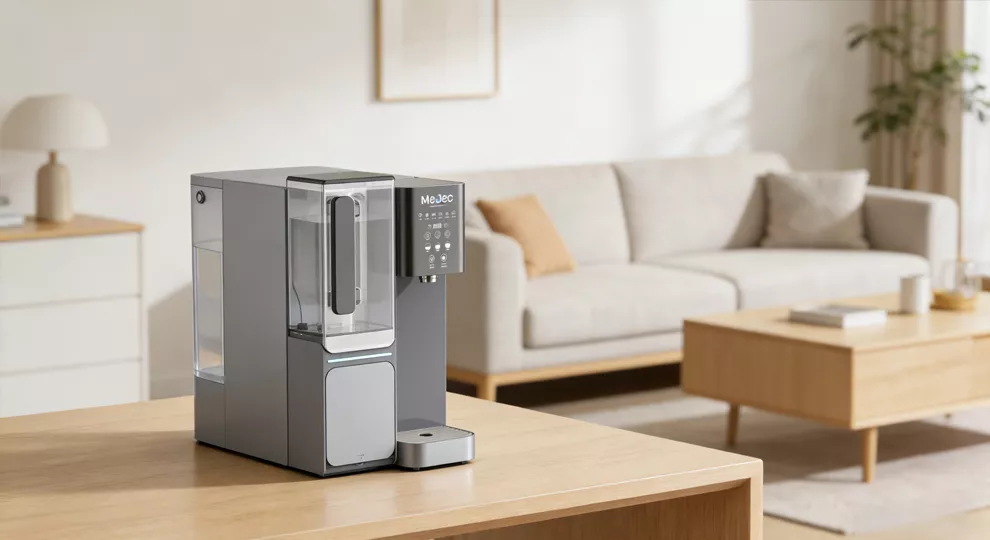
A bottom-load unit is easier to use and looks sleek in your room. On the other hand, a top-load model costs less money and uses a simpler design. Adding a built-in water dispenser with ice maker makes life much easier for busy families and modern offices. People can get cold drinking water and fresh ice cubes from just one machine.
Picking the right system means thinking about a few important trade-offs. Older styles make you lift heavy jugs, which can hurt your back during regular bottle changes. Cabinet-style choices stop this physical strain, but they rely on a constant water pump to work every day. These internal design choices affect total energy use, long-term reliability, and ice output efficiency for every water dispenser.
Key Takeaways
Top-load water dispensers are cheaper to buy and use simple gravity to pour water.
Bottom-load models hide heavy water jugs and protect your back from painful physical strain.
Both types of dispensers can produce as much as thirty-five pounds of clean ice each day.
Pure water filtering prevents mineral buildup and keeps the inner machine parts running well.
Mechanics of Top-Load and Bottom-Load Units
Water dispensers move liquid from a bottle to your glass through two main ways. Physical positioning changes how inner parts direct liquid inside the machine.
Gravity-Fed Top-Load Systems
A standard top-load unit relies on simple natural forces. The heavy jug sits upside down on top of the cabinet. Downward pressure forces liquid into the inner cold tank continuously. This design offers great ease of setup for new users. You just plug the machine into an outlet and place a jug on top.
Top-Load vs Bottom-Load Flow Comparison
Top-Load Unit | Gravity → Reservoirs → Ice Grid
Bottom-Load Unit | Electric Pump → Tanks → Ice Grid
Ice generation in a top-load dispenser uses this same natural downward flow. Water drains straight from the main cold reservoir into the ice-making tray. Mechanical valves open to fill the inner ice mold. The system needs no extra mechanical work to transfer liquid to the freezing grid. This basic movement saves mechanical wear over time.
Pump-Driven Bottom-Load Design
A bottom-load dispenser hides the heavy jug inside a lower cabinet door. Liquid cannot flow upward on its own from floor level. Therefore, a bottom-load system requires a small electric water pump. A probe tube extends down into the bottle. The motor creates suction to draw liquid upward into the upper holding tanks.
The inner electric pump plays a vital role for built-in ice makers. Every ice cycle requires the bottom-load system to engage its pump motor. The pump pushes liquid up into the ice tray reservoir. This extra step uses additional electrical power during daily operation. Sensors monitor water levels inside the freezing module. The pump turns on automatically whenever the ice machine needs fresh liquid for new ice cubes.
Ergonomics and Aesthetic Design Comparison
Bottle Loading and Physical Strain
Physical effort remains a major difference between these two dispenser styles. Standard water jugs weigh over forty pounds. Lifting a heavy container onto a top-load machine requires significant muscle strength. This physical task places heavy strain on shoulder and lower back muscles. In contrast, a bottom-load unit keeps heavy lifting completely off your daily schedule. You simply slide full bottles straight into lower floor-level compartments. This bottom-load feature protects user backs during every refill.
Everyday bottle handling drastically impacts overall user satisfaction. Consumer survey feedback highlights clear user preferences regarding physical effort:
Swapping to bottom-load styles allowed over 72% of polled buyers to prevent uncomfortable back and shoulder pain.
Unfavorable reviews often state that heavy lifting creates the main reason to stop using top-load water machines.
Cabinet Aesthetics and Space Impact
Cabinet appearance influences how well appliances fit inside modern interior spaces. An exposed bottle on a top-load system remains visible at all times. This open setup offers simple visual monitoring of remaining liquid levels. However, visible water jugs can disrupt modern kitchen decor or professional office setups. A bottom-load dispenser hides big water bottles completely behind solid cabinet doors. This concealed bottom-load design creates a sleek look across modern rooms.
Lower bottle placement also improves structural stability within room settings. Placing heavy jugs into a bottom-load dispenser delivers a reduced spillage risk during routine bottle swaps. Users avoid top-heavy tipping hazards because the heaviest weight stays near floor level. Consequently, choosing a bottom-load cabinet upgrades overall room aesthetics while keeping everyday water access simple and safe for everyone.
Performance of a Water Dispenser With Ice Maker
Daily Ice Yield and Speed
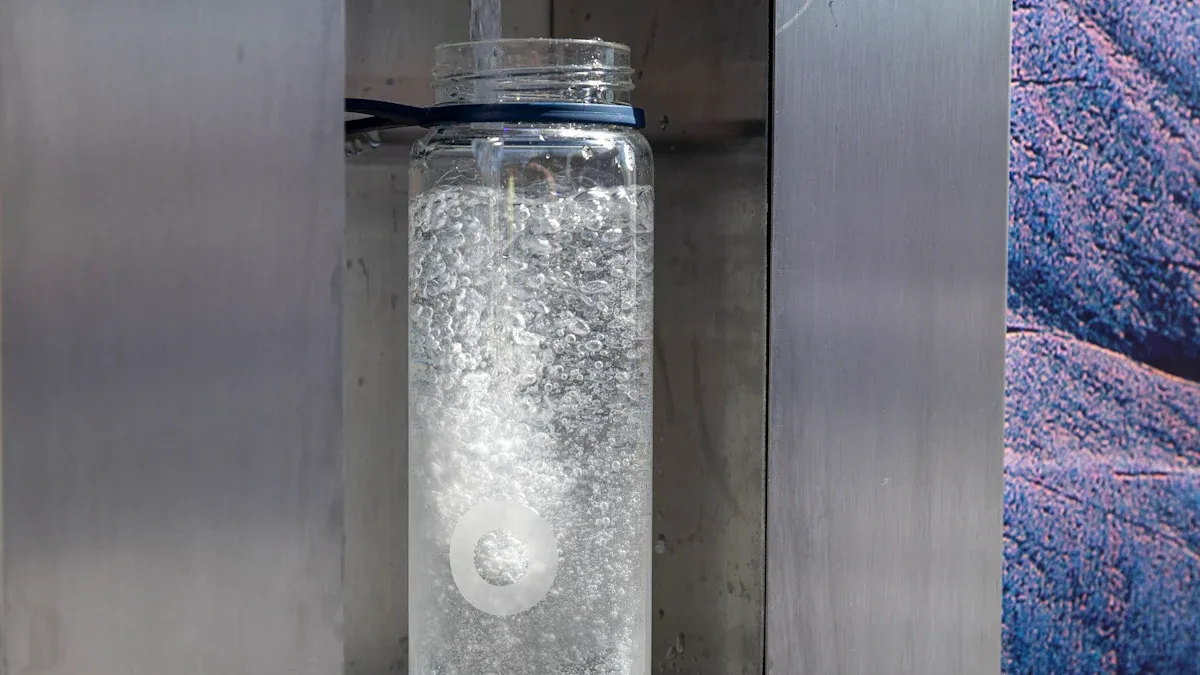
Freezing speed mostly depends on the strength of internal cooling parts and the compressor. A common water dispenser with ice maker makes ice quickly for busy homes or offices. High-performance models can create 9 bullet ice cubes every 5 to 8 minutes. This quick speed gives people fresh ice all day long.
Daily limits show how well different machine styles handle busy daily hours. Both top-load and bottom-load models give you steady freezing power for everyday needs.
Specification | Capacity Detail |
|---|---|
Cold water Capacity | 0.53 gallon |
Hot water Capacity | 0.26 gallon |
Ice Storage Capacity | 2.5 lbs |
Ice-Making Capacity | 35 lbs per 24 hours |
A steady supply of water helps the machine make up to 35 pounds of ice daily. A top-load style fills inner tanks using simple gravity. Meanwhile, a bottom-load model uses a small electric pump to lift water up to the ice tray.
Water Reservoir and Cooling Efficiency
Inside tanks hold hot and cold water so it is ready to pour right away. A typical bottom-load style holds 0.53 gallons of cold water and 0.26 gallons of hot water. Also, the inner ice bin features an ice storage capacity of 2.5 lbs. A top-load style sends water straight into cooling tanks without delay to keep temperatures low.
Clean water helps internal parts last longer and keeps your ice cubes looking clear. Great drinking water filtration systems, like the Mejec-PS-HC and Mejec-CE-HC models from Mejec, remove dirt before water enters the ice machine. Using pure liquid in a water dispenser with ice maker stops hard mineral buildup inside thin water lines. Clean water protects internal valves, supports system cooling efficiency, and keeps the bottom-load pump working well for years.
Bottled vs Point of Use Water Dispensers
Cost, Durability, and Energy Usage
Picking bottle systems or point of use water dispensers changes long-term operating costs. Top-load units rely on monthly jug deliveries that create continuous bills for homes and offices. In contrast, point of use water dispensers hook straight into building plumbing lines. This direct connection stops jug ordering fees, delivery delays, and bulky storage hassles.
System Type | Description | Monthly Operating Cost Range |
|---|---|---|
Bottle-Fed System | Dispenser using monthly bottled water delivery service | $35 - $80 |
Bottleless Point-of-Use System | Systems including point of use water dispensers with ice makers | $30 - $60 |
Mechanical durability stays solid across different modern dispenser setups. Running a bottom-load pump uses extra electricity during daily operation. However, point of use water dispensers remove physical strain on employees by ending heavy bottle lifting completely. Direct water lines also maintain steady pressure for fast ice production cycles.
Sanitization and Maintenance Needs
Regular maintenance protects fresh water taste and sensitive internal parts. A bottom-load model needs deep cleaning every three months. The dark lower cabinet holds water jugs inside a warm, humid space. An electric pump pulls water up through long inner tubes. These pathways create extra spots where bacteria can grow inside the pump system.
Proper cleaning schedules ensure fresh conditions for making clean ice cubes. Owners should wipe out lower bottom-load cabinet spaces every month. Caretakers must clean the inner reservoir and water tubes once monthly. Basic top-load units lack lower pump chambers. However, these systems still require regular reservoir scrubbing to stop dust buildup. Following routine maintenance steps keeps drinking water safe and extends appliance life.
Buyer Decision Framework and Final Recommendation
Key Feature Comparison Matrix
Choosing the best unit means balancing physical effort against your available budget. A basic top-load model needs manual jug lifting, whereas a modern bottom-load style uses internal pumps. Comparing key features helps buyers pick the best machine for their daily physical needs and office demands.
Evaluation Factor | Top-Load Style | Bottom-Load Style |
|---|---|---|
Loading Effort | High physical strain | Easy floor-level loading |
Visual Impact | Visible water bottle | Clean hidden cabinet |
Ice Production | Low to moderate yield | Low to moderate yield |
Setup Cost | Lower initial price | Higher feature value |
Any water dispenser with ice maker brings great convenience to busy homes and shared offices. A simple top-load machine keeps initial costs low for tight budgets. On the other hand, running a bottom-load model stops body strain during routine bottle swaps. This design saves your back and keeps surrounding floor spaces tidy.
Choosing the Right Water Dispenser
Small offices with limited room benefit hugely from compact, multi-use appliances. These smart machines blend cooling, heating, and ice making into one body. Buyers must check their room layout carefully before selecting any water dispenser. A basic top-load unit suits tough breakrooms with strict price limits. Meanwhile, a sleek bottom-load option fits modern office spaces by hiding ugly jugs.
Correct technical setup guarantees steady daily performance in both homes and businesses.
Ventilation: Leave enough open space around vents so trapped heat exits safely without straining inner parts.
Electrical Setup: Plug the machine straight into standard wall outlets because GFCI outlets can trip and cause mechanical harm.
Drainage: Install clear drain lines using a standard air gap to block dirty backflow and meet health safety rules.
A top-load machine uses simple gravity flow to offer reliable performance for budget-minded buyers. On the flip side, picking a bottom-load option hides heavy bottles at ground level for complete comfort, safety, and modern room style.
Picking the right machine depends on physical work, looks, price, and simple design. A bottom-load option removes heavy lifting and hides jugs inside a neat cabinet. This style works great for modern homes, busy offices, and people who struggle with heavy objects. On the other hand, a top-load unit stays reliable while keeping initial costs lower. Careful spenders and busy breakrooms will love this dependable choice.
Buyers wanting direct line hookups with built-in filters should check out Mejec's multi-stage cleaning tech. These smart options guard inner parts from mineral buildup and ensure clean drinking water for every setup.
FAQ
Do bottom-load water dispensers make ice as fast as top-load units?
Yes. Both dispenser styles use very similar internal cooling parts. High-performance units make 9 ice cubes every 5 to 8 minutes. These machines create up to 35 pounds of daily ice no matter where you put the bottle.
How much ice can a water dispenser with ice maker store?
Most standard machines feature an inner storage bin that holds up to 2.5 pounds of fresh ice. Inside the system, cold water tanks hold 0.53 gallons, and hot water chambers keep 0.26 gallons ready to pour.
Why do bottom-load water dispensers require an electric pump?
Bottom-load cabinets hold heavy jugs down at floor level. Gravity cannot pull liquid up into higher cooling spaces. Because of this, an internal electric pump lifts liquid up into upper holding tanks and the ice tray during normal use.
How does water filtration protect the ice maker module?
Filtration systems clean liquid before it enters the cold freezing grid. Pure water stops mineral buildup inside narrow internal supply tubes. Clearing away hard mineral deposits shields sensitive valves, helps cooling performance, and keeps internal water pumps running smoothly over time.