The Ultimate 2026 Guide to Bottleless Water and Ice Dispensers
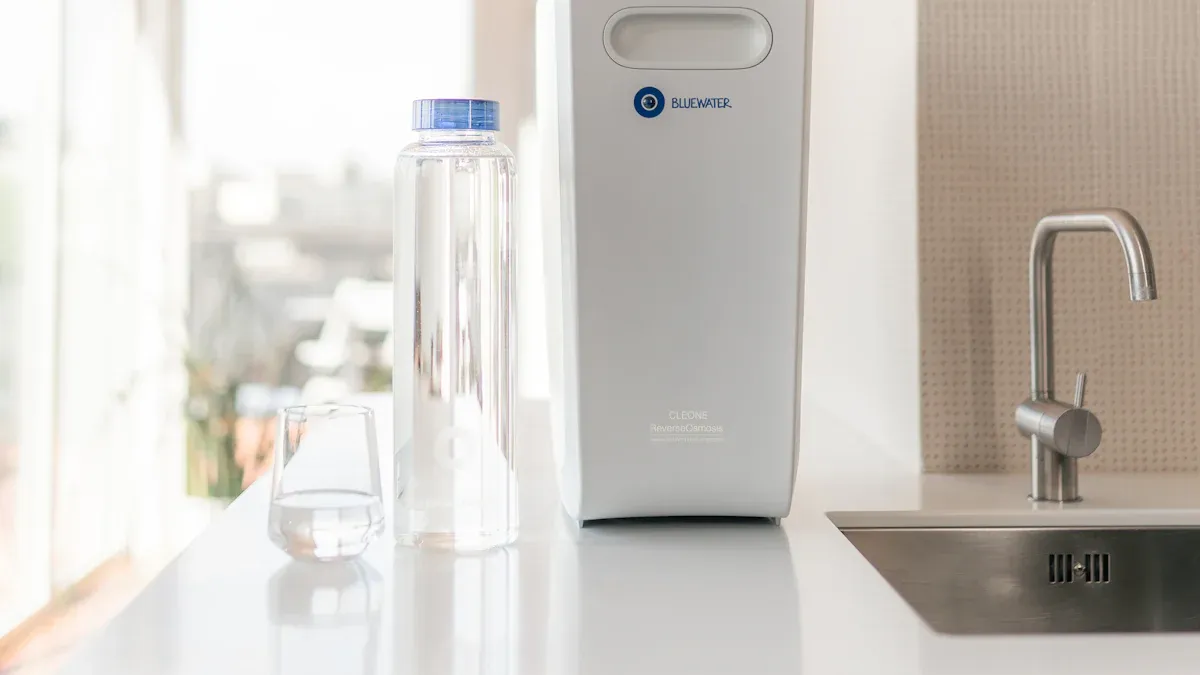
You can get an endless supply of pure, filtered water and ice right from your tap. A bottleless ice and water dispenser is a smart investment. It offers long-term savings and sustainability despite a higher initial cost.
Market Trend Alert 📈 The market for these systems is growing fast. Experts project an expansion of over 9.5% annually starting in 2026. This shows more homes and offices are choosing this convenient upgrade.
Key Takeaways
- Bottleless water and ice dispensers give you endless clean water. They connect to your home's water line. They filter out bad things like dirt and chemicals.
- These dispensers save money over time. They also help the planet by cutting down on plastic waste. You will not need to buy or store big water bottles anymore.
- Consider the upfront cost and installation. You also need to do regular cleaning and filter changes. Look for models with good energy ratings and smart features.
How Does a Bottleless Dispenser Work?
A bottleless dispenser seems complex, but its operation is quite straightforward. It connects to your plumbing, purifies the water, and then serves it hot, cold, or as ice. This process gives you an endless supply of clean water on demand.
Connecting to Your Water Line
First, you connect the dispenser to your existing plumbing. A professional typically installs a small T-adapter onto your cold water line, often under a sink. This adapter diverts a small amount of water from your main supply. A thin, flexible tube then runs from this adapter directly to the dispenser. The setup is discreet and ensures a constant water source for the unit.
The Multi-Stage Filtration Process
Your tap water next enters a powerful multi-stage filtration system. This is where the magic happens. The process usually involves several steps:
- Sediment Filter: This first stage catches larger particles like dirt, rust, and sand.
- Carbon Filter: Next, an activated carbon filter removes chlorine, bad tastes, and odors.
- Reverse Osmosis (RO) Membrane: The final stage pushes water through a fine membrane. This step removes tiny contaminants like lead, fluoride, and arsenic. Look for systems with an NSF/ANSI 53 certification to ensure they effectively remove health-related contaminants.
Chilling, Heating, and Making Ice
After purification, the clean water is stored in internal reservoirs. From there, the ice and water dispenser uses different technologies to prepare your water. One system heats it for tea or coffee, while another chills it for drinking. The unit also sends purified water to an internal icemaker. Dispensers use one of two cooling methods:
| Cooling Type | Best For | Key Feature |
|---|---|---|
| Thermoelectric | Small offices or homes | Quiet operation, fewer moving parts |
| Compressor | High-demand environments | Faster, more powerful cooling |
This entire process happens automatically inside the machine, giving you pure water and ice whenever you need it.
The Pros: Why Go Bottleless?
Switching to a bottleless system offers major advantages for your home or office. You gain more than just water; you get a modern solution that improves convenience, saves money, and helps the planet. Let's explore the key benefits.
Ultimate Convenience
Imagine never running out of fresh water or ice again. A bottleless dispenser provides an endless supply on demand. You no longer need to lift heavy 5-gallon jugs. You will not have to schedule deliveries or worry about finding storage space. The system works automatically, giving you instant access to hot, cold, and frozen water.
This level of convenience also boosts morale and wellness in a shared space.
Success Stories in the Workplace 🏢 Many organizations see a direct link between easy hydration and employee satisfaction.
- JOOLA, a leader in table tennis equipment, integrated bottleless systems into its custom office to promote wellness.
- Vancouver Whitecaps FC adopted these dispensers as part of its commitment to sustainability and player health.
Significant Long-Term Savings
The initial purchase of a bottleless dispenser is an investment. However, this investment pays for itself over time. You eliminate the recurring costs of bottled water delivery services. The price of buying, delivering, and managing plastic jugs adds up quickly, especially in an office setting.
A bottleless water cooler lease or purchase can dramatically lower your annual expenses. The numbers show a clear financial benefit.
| Service Type | Annual Cost (for 50 people) |
|---|---|
| Bottled Water Delivery | Over $4,200 |
| 5-Gallon Jug Delivery | Over $3,400 |
| Bottleless Water Cooler | Around $700 |
As you can see, the long-term savings make a bottleless ice and water dispenser a financially smart choice.
A Greener Hydration Solution
You can make a significant positive impact on the environment by going bottleless. The production, transportation, and disposal of single-use plastic bottles create enormous waste and carbon emissions.
When you switch, you immediately reduce your plastic footprint. An average person uses 167 disposable plastic bottles each year. By using a refillable bottle with your dispenser, you prevent those bottles from ending up in landfills and oceans. This simple change also lowers your carbon footprint.
- Using one reusable bottle can save up to 70 kg of CO2 annually.
- An office of 100 employees can avoid 7 metric tons of CO2 per year.
Every glass you fill contributes to a healthier planet by reducing plastic waste and the energy needed to produce and transport bottled water.
Superior Water Purity
Bottleless dispensers deliver exceptionally clean water. They use advanced, multi-stage filtration that is far more effective than the filter in your fridge or a simple pitcher. These systems target and remove a wide range of impurities directly from your water line.
Technologies like reverse osmosis and UV sterilization work together to eliminate invisible threats. This ensures every drop you drink is pure and safe. Common contaminants removed include:
- Heavy metals like lead and arsenic
- Chemicals such as chlorine, fluoride, and pesticides
- Synthetic "forever chemicals" (PFASs)
- Bacteria, viruses, and microbial cysts
- Particulates like rust, dirt, and silt
This purification process gives you peace of mind, knowing your water is free from harmful substances.
Reclaim Your Space
Think about the space those large water jugs consume. Whether stacked in a storage closet or waiting in a hallway, they create clutter and take up valuable square footage. Full jugs are heavy and awkward to move, while empty ones become an eyesore.
A sleek, freestanding or countertop bottleless dispenser eliminates this problem entirely. It connects directly to your plumbing, freeing up the floor and storage space once dedicated to plastic jugs. You get a cleaner, more organized, and more professional-looking environment.
The Cons: What Are the Drawbacks?
While bottleless dispensers offer incredible benefits, you should also consider the potential downsides. Understanding these drawbacks helps you make a fully informed decision. Let's look at the challenges, from initial costs to long-term care.
The High Upfront Cost
The most significant hurdle for many is the initial purchase price. A high-quality bottleless dispenser is an investment, and its upfront cost is much higher than a traditional bottled water cooler. This can be a major factor for homes or small businesses with tight budgets.
However, you do not always have to purchase the unit outright. Many companies offer flexible payment plans to make these systems more accessible.
Tip for Your Budget 💰 Consider leasing or renting a unit instead of buying. This approach breaks the cost down into manageable monthly payments.
- Leasing often includes professional maintenance and filter changes in the monthly fee.
- You can sometimes find promotional financing with zero-interest periods.
- For businesses, leasing costs may even be tax-deductible.
Installation and Placement
You cannot just plug a bottleless dispenser in anywhere. These units require a connection to your plumbing and a nearby electrical outlet. This means installation is more involved than simply setting a cooler on the floor.
You will likely need a professional to handle the setup. Technicians typically charge between $100 and $250 for installation. They will run a thin, food-grade water line from a water source, like the pipe under your sink, to the dispenser's location.
You also need to choose your spot carefully. Before you buy, make sure you have a location that meets these requirements:
- It must be on a hard, level surface.
- It needs to be close to a grounded electrical outlet.
- It must be within reach of a cold water line, though technicians can often run tubing discreetly along walls or through ceilings to reach the desired spot.
Required Ongoing Maintenance
A bottleless dispenser needs regular care to keep it running efficiently and to ensure your water stays pure. You are responsible for this ongoing maintenance. If you notice a strange taste or odor from your water, you should replace the filters and sanitize the system immediately.
Regular cleaning is also essential to prevent the growth of bacteria and mineral buildup. You should plan to:
- Sanitize Nozzles: Clean the dispensing nozzles at least once a week with a food-safe sanitizer.
- Empty Drip Tray: Empty and clean the drip tray weekly, or more often in high-traffic areas.
Filter changes are the most important part of maintenance. The schedule depends on your system and usage, but you can follow this general guide.
| Filter Type | Recommended Replacement Frequency |
|---|---|
| PAC & Carbon Filters | Every 12 months |
| Reverse Osmosis (RO) Membrane | Every 24 months |
The annual cost for filters and professional service can range from $150 to over $500, depending on your system's complexity and your water quality.
Noise and Energy Use
A bottleless ice and water dispenser runs continuously to keep water hot, cold, and ready to make ice. This process generates some noise and consumes electricity. Models with powerful compressor cooling systems are often louder than quieter thermoelectric units. The sound is usually a low hum, but it is something to be aware of if you plan to place the unit in a quiet space.
These machines also add to your electricity bill. However, you can manage this cost by choosing an energy-efficient model. An ENERGY STAR® certified dispenser uses significantly less power than a non-rated one.
| Water Dispenser Type | Annual Electricity Consumption (kWh/year) |
|---|---|
| Energy Star-rated | 58.4 kWh or less |
| Non-rated | Around 116.8 kWh |
By selecting an ENERGY STAR® model, you can cut the unit's electricity use in half, reducing both its environmental impact and your utility costs.
Key Features to Look for in 2026
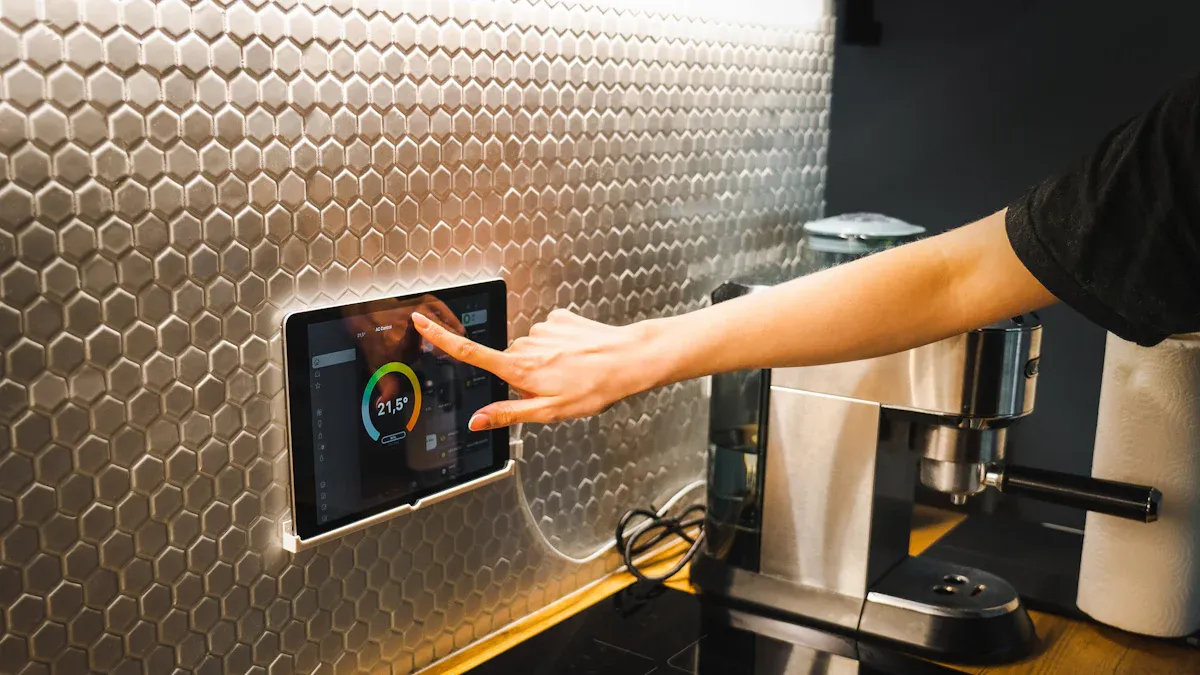
When you shop for an ice and water dispenser in 2026, you will find many exciting features. Knowing what to look for helps you choose the best model for your needs. Focus on filtration, energy use, ice output, and smart controls.
Advanced Filtration Technology
Your dispenser's main job is to provide pure water. Look for models with multi-stage filtration systems that remove heavy metals and microplastics. The market for advanced filtration is growing, with new technologies like nanofiltration becoming more common. These systems offer superior purification.

Energy Efficiency Ratings
An efficient dispenser saves you money on your electricity bill. Always check for an ENERGY STAR® label. This certification means the unit uses less power to chill and heat water. Choosing an energy-efficient model is a simple way to reduce long-term operating costs.
Ice Production Capacity
Consider how much ice you will need each day. A model for a small home is different from one for a busy office. You can find a unit that matches your demand.
| Model Type | Ice Output (lbs/day) |
|---|---|
| Countertop (Small Household) | 20–35 |
| Freestanding (Large Family/Office) | 40–60 |
| Undercounter (Built-in) | 50+ |
Smart Features and Controls
Modern dispensers offer smart technology for ultimate convenience. Many new models connect to your smartphone.
Smart Tech Tip 💡 Look for IoT-enabled features that let you:
- Monitor water quality in real-time.
- Receive alerts for filter changes.
- Use voice assistants for hands-free control.
These features make it easier than ever to manage your system and maintain healthy hydration habits.
Is an Ice and Water Dispenser Right for You?
You have seen the benefits and drawbacks. Now you must decide if this upgrade fits your space. Answering a few key questions about your daily needs will help you make the right choice.
Evaluating Your Home Needs
For your home, think about your family's lifestyle. Do you host guests often? Are you tired of filling pitchers or buying bottled water? A bottleless system offers great convenience for busy households.
Questions for Your Household 🏡
- Does your family drink a lot of filtered water and use ice daily?
- Do you value the convenience of instant hot and cold water?
- Is reducing plastic waste important to you?
- Can your budget handle the initial cost or a monthly lease?
Assessing Office Requirements
An office has different demands than a home. You need to consider capacity, features, and cost on a larger scale. Modern units are designed for high-traffic environments. Some countertop models can serve up to 100 employees daily. For a mid-sized office, look for an ice and water dispenser with specific features.
Key considerations for an office of 50 people include:
- Advanced Hygiene: Look for touchless dispensing and UV sanitation.
- Filtration Power: A 7-stage system ensures pure water for everyone.
- Water Options: The unit should provide hot, cold, and ambient water.
- Cost-Effectiveness: The right system can cost less than 25 cents per person per day.
Installation is also flexible. Technicians can often connect a unit even if the water source is far away.
A Quick Decision Checklist
Use this simple checklist to see if you are ready to go bottleless.
| Consideration | Yes | No |
|---|---|---|
| I want an endless supply of pure water. | ☐ | ☐ |
| I want to reduce plastic waste. | ☐ | ☐ |
| I prefer long-term savings over low upfront cost. | ☐ | ☐ |
| I have a suitable location for installation. | ☐ | ☐ |
If you answered "Yes" to most of these, a bottleless dispenser is likely an excellent choice for you.
You will find the benefits of a bottleless dispenser easily outweigh the initial investment. This modern solution provides an endless supply of pure water and ice, paying for itself over time.
If you value sustainability and long-term efficiency, you make a clear and worthwhile upgrade for your space.
FAQ
How often do I need to change the filters?
You should replace carbon filters every 12 months. The reverse osmosis membrane needs replacement every 24 months. Many systems will alert you when it is time for a change.
Can I install a bottleless dispenser myself?
You can install it with basic plumbing skills. However, professional installation is recommended. A pro ensures a secure connection and prevents leaks, giving you peace of mind.
Will the filtered water taste different?
Yes, the water will taste much cleaner. The filtration process removes chlorine, odors, and impurities. You will notice a crisp, pure taste without any chemical aftertaste.