Bottleless Chilled Water Dispenser Pros and Cons
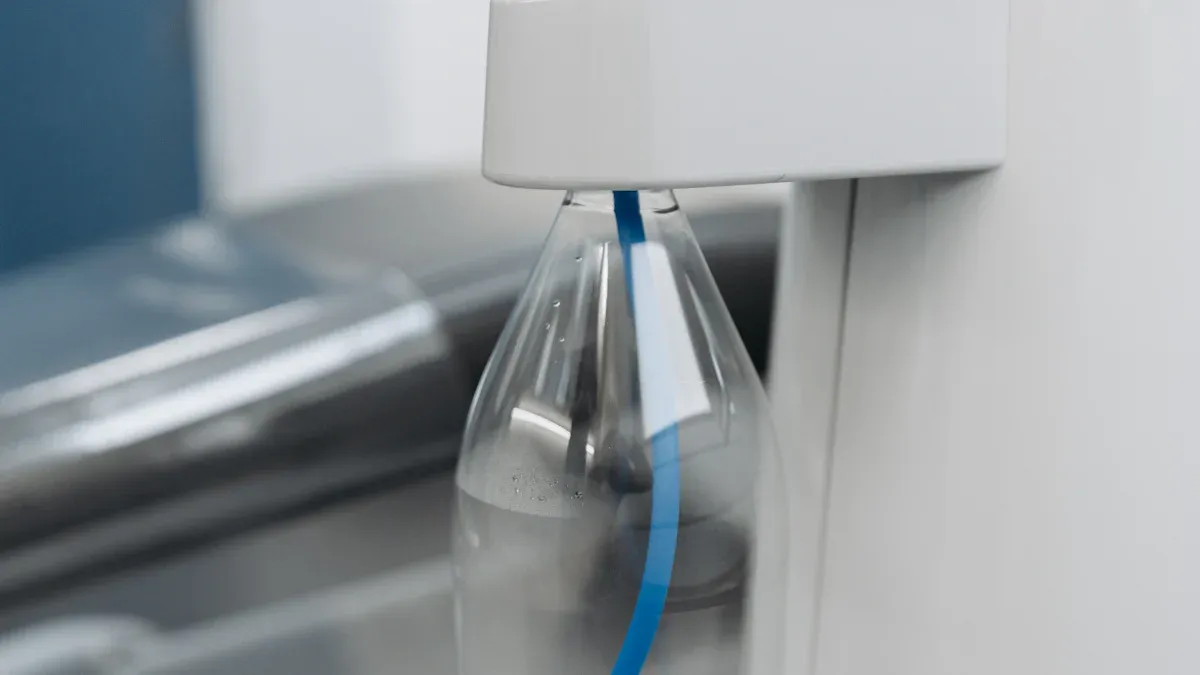
An investment in a bottleless chilled water dispenser offers long-term savings and environmental advantages. It provides unlimited, filtered water on demand. The main drawback is its higher initial cost and installation needs. This system may not suit renters or locations with difficult plumbing access.
Did You Know? 📈 The market for these dispensers is growing fast. Projections show an expected annual growth rate between 7.8% and 9.39% through 2032, highlighting their increasing popularity.
Key Takeaways
- Bottleless water dispensers save money over time. They remove the need to buy water bottles. This helps the environment by reducing plastic waste.
- These dispensers offer clean, good-tasting water. They connect to your water line. This means you always have fresh water.
- Consider the initial cost and installation. These systems need a water line connection. They also need regular filter changes.
The Advantages of a Bottleless Chilled Water Dispenser
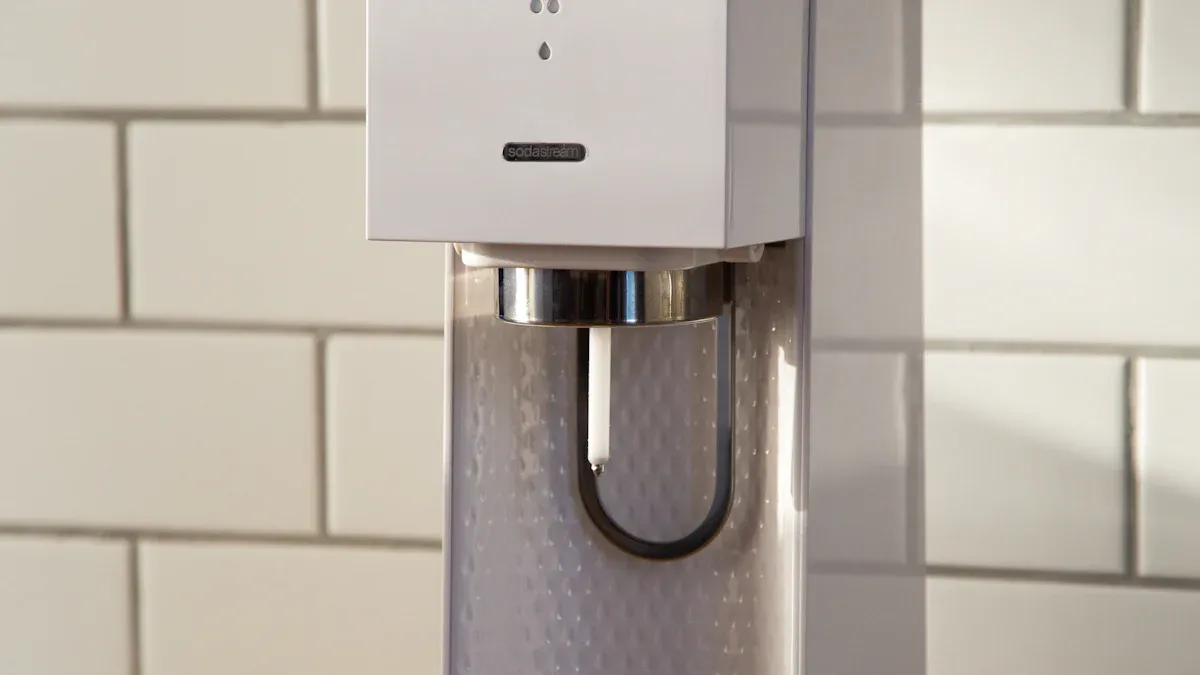
Switching to a bottleless system offers many benefits beyond just getting a glass of water. You gain long-term financial rewards, unmatched convenience, and a healthier hydration source. You also make a positive impact on the environment. Let's explore these advantages in more detail.
Enjoy Significant Long-Term Cost Savings
You can stop paying for bottled water delivery services. A bottleless chilled water dispenser connects directly to your water line. This eliminates the constant expense of buying five-gallon jugs. While the initial purchase price is higher, the long-term savings are substantial. For businesses or households that use more than ten gallons of water per week, you can expect to break even on your investment in about 18 to 36 months. After that, the cost to operate the unit is minimal, leading to significant savings over time.
Experience Unmatched Convenience and Unlimited Water
Imagine having an endless supply of fresh, filtered water. You never have to worry about running out during a busy day or a heatwave. This system removes the hassle of managing water bottle inventory. You no longer need to schedule deliveries, find storage space for bulky jugs, or replace empty bottles. This also improves workplace safety. Lifting heavy water bottles is a leading cause of job-related injuries.
Safety First! ⚠️ Replacing heavy water jugs often leads to painful injuries. Common issues include:
- Back sprains and muscle pulls
- Wrist and elbow injuries
- Spinal damage from bending and twisting
A bottleless system eliminates this physical strain entirely. You get constant access to water without the risk.
Get Superior Water Quality and Taste
You can trust the water you drink. Bottleless dispensers use advanced multi-stage filtration to purify your tap water at the point of use. These systems are highly effective at removing unwanted impurities.
- Carbon filters target chlorine, pesticides, and volatile organic compounds (VOCs).
- Reverse Osmosis (RO) systems remove a wider range of contaminants, including heavy metals like lead, salts, fluoride, and even "forever chemicals."
This filtration process significantly improves the taste and odor of your water. In fact, many people prefer the taste of filtered water.
In a blind taste test conducted by ELS Surveying, every employee could tell the difference between their old bottled water and the new filtered water. They all preferred the taste of the water from the bottleless system.
Make an Environmentally Friendly Choice
You can help protect the planet by reducing plastic waste. Traditional water coolers rely on large plastic jugs that have a significant environmental footprint. A single bottleless chilled water dispenser can prevent thousands of plastic bottles from ending up in landfills each year. By connecting to your existing water supply, you eliminate the carbon emissions associated with manufacturing, transporting, and delivering plastic bottles. It is a simple switch that makes a big difference for the environment.
Benefit from a Space-Saving and Modern Design
Modern dispensers offer more than just water; they provide a sleek and functional upgrade to your space. These units are often more compact than traditional coolers, freeing up valuable floor space once used for storing jugs. Today's models also come with impressive technological features.
You can find dispensers with:
- Touchless Operation: Use motion sensors or foot pedals for hygienic dispensing.
- Smart Technology: Get real-time alerts for maintenance and track water usage.
- Advanced Options: Enjoy sparkling water, flavored water, or even ice from a single machine.
- Self-Sanitizing Systems: UV light technology keeps the dispenser clean and free of bacteria.
These features make your hydration station cleaner, more efficient, and more enjoyable to use.
The Disadvantages and What to Consider
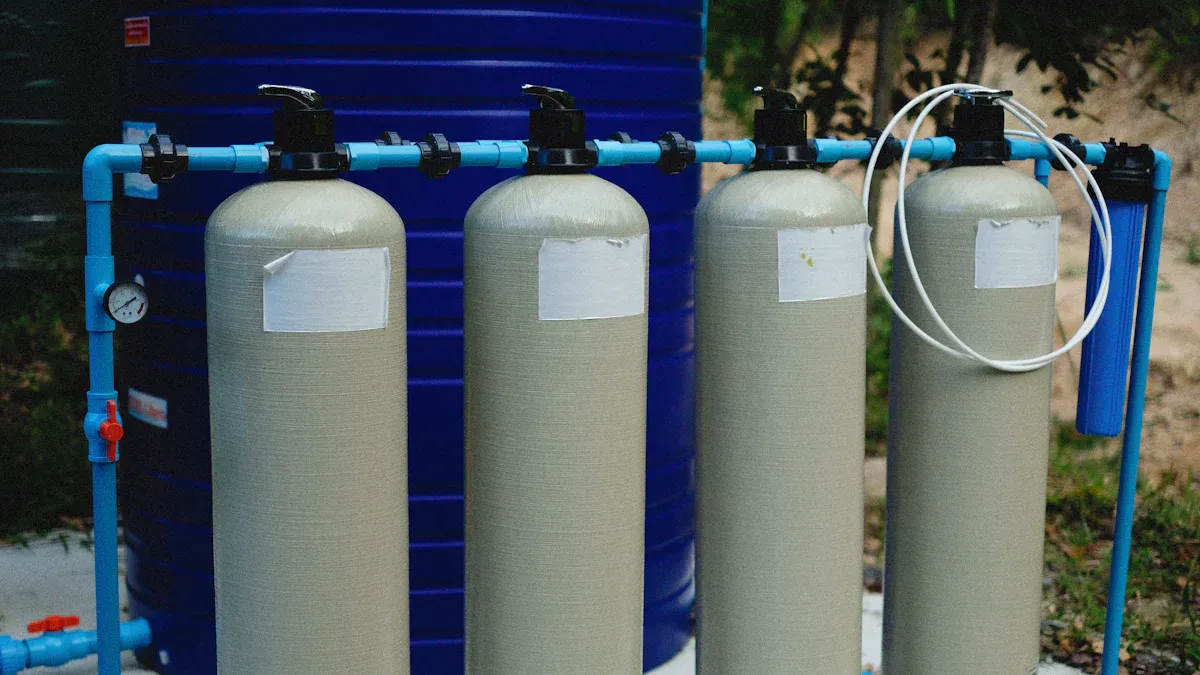
While a bottleless water dispenser offers many upsides, you should also consider the potential drawbacks. Understanding these challenges helps you make a fully informed decision. The main factors to evaluate are the initial investment, installation needs, ongoing upkeep, and its reliance on your building's utilities.
The Higher Initial Upfront Cost
The most significant hurdle for many is the initial purchase price. You will pay more at the start for a bottleless system compared to signing up for a bottled water delivery service. The cost of the unit itself can range from a few hundred to over a thousand dollars. This price depends on the brand, filtration technology, and extra features like sparkling water or ice making.
This initial expense is a key part of your total investment. The table below compares the estimated first-year costs. You can see the higher upfront expense for a bottleless unit versus the lower entry cost but higher recurring expense of a delivery contract.
| Feature | Bottleless Dispenser | Bottled Water Delivery Contract |
|---|---|---|
| Initial Cost | $300 to over $1,000 | $100 to $300 |
| Annual Maintenance Cost | $100 to $300 | Varies (cleaning, parts) |
| Recurring Water Cost | None | $5-$10 per 5-gallon bottle |
| First-Year Cost (Est.) | $400 - $1,300 | $360 - $820+ (assuming 1 bottle/week) |
Installation Requirements and Complexity
You cannot simply plug in a bottleless chilled water dispenser and start using it. These systems require a direct connection to a water line. This often means you need professional help for installation. A plumber or technician may need to run a water line from a sink or another source to the dispenser's location.
Important for Renters! 📝 Installation may require drilling small holes in countertops, cabinets, or walls. You should always check your lease agreement and get permission from your landlord before making any modifications to the property.
Finding a suitable spot can also be a challenge. The unit needs to be close to both a water source and an electrical outlet. This might limit where you can place it in your kitchen or office breakroom.
The Need for Ongoing Maintenance
Your dispenser needs regular care to keep the water pure and the machine running smoothly. The most important task is replacing the filters. Forgetting this step can lead to poor-tasting water or even damage to the system. Different systems use various filters, and each has its own replacement schedule.
The schedule for common filter types is shown below:
| Filter Type | Recommended Replacement Schedule |
|---|---|
| Sediment Filter | Every 3-6 months |
| Post Carbon Filter | Every 6-12 months |
| Carbon Block CTO Filter | Every 6-12 months |
| Reverse Osmosis (RO) Membrane | Every 2-3 years |
This maintenance comes with an ongoing cost. You can replace the filters yourself or hire a professional for service. Annual maintenance costs can vary widely.
- DIY Filter Costs: You can expect to spend between $30 and $150 per year on replacement filters, depending on your system.
- Professional Servicing: Hiring a technician for an annual inspection and filter change typically costs between $75 and $200.
Dependency on Power and Water Supply
A bottleless dispenser relies entirely on your building's utilities. If you lose power, the machine will not be able to chill or heat water. You will only have access to room-temperature filtered water. Similarly, if your building's water is shut off for maintenance, your dispenser will not work at all.
Electricity usage also adds a small amount to your utility bill. However, you can manage this cost effectively.
Pro Tip 💡 Choose a model with an Energy Star rating. These certified units use up to 50% less electricity than standard models. An Energy Star-rated cooler consumes less than 0.16 kWh per day, which adds up to only about $20-$30 in electricity costs per year.
This dual dependency is a key difference from traditional bottled coolers, which can operate without power and have a self-contained water supply.
A bottleless chilled water dispenser is a smart investment for a sustainable, cost-effective solution. You must weigh the upfront cost against the high return on investment from eliminating delivery fees. This choice is best if you are ready to invest now for future rewards.
Many businesses report significant savings. Big Ass Fans saved up to $1,000 monthly, while Johnson Controls saved over $3,000 annually.
FAQ
How is bottleless water different from bottled water?
Your bottleless dispenser filters tap water at the point of use. This provides fresh, purified water on demand. Bottled water is pre-packaged and stored in plastic jugs before delivery.
Does the filtered water taste better?
Yes, most people prefer the taste. The multi-stage filtration removes chlorine, metals, and other impurities. This process significantly improves your water's taste and eliminates unpleasant odors.
What happens if the power goes out?
Your dispenser will not chill or heat water without electricity. However, you can still get room-temperature filtered water from the spigot as long as your main water supply is working.