The Ultimate Guide to Water Dispenser Services
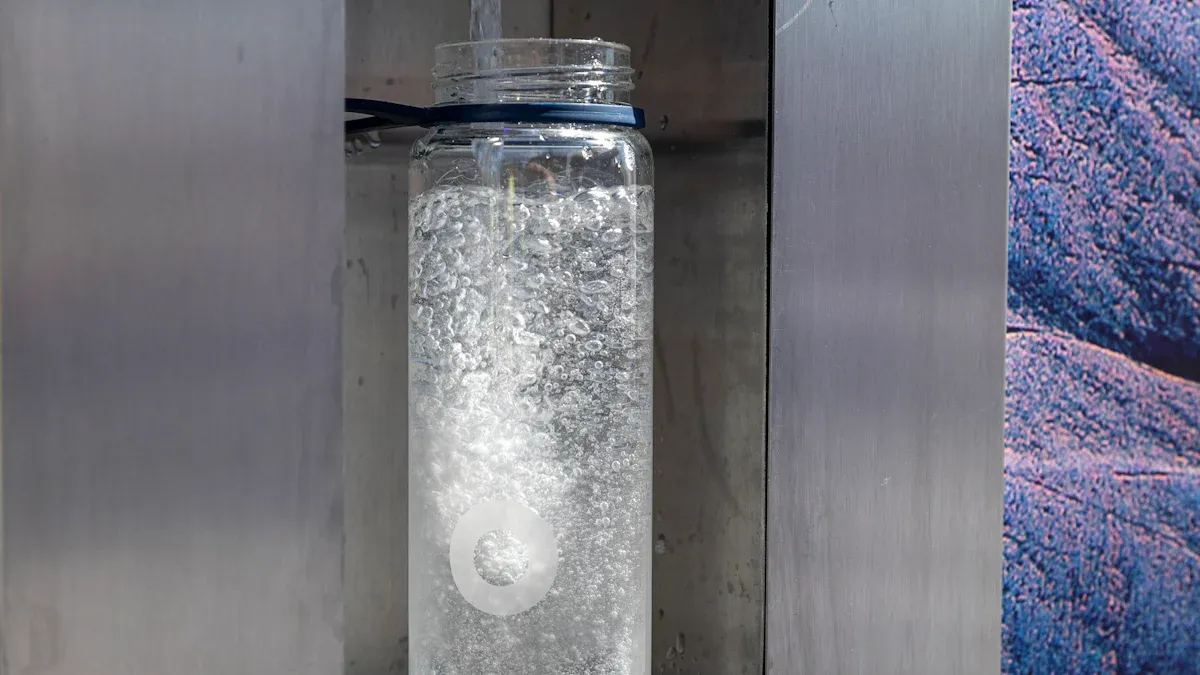
You have two main paths for your water dispenser service. A bottleless system gives you ultimate convenience, superior filtration, and long-term savings. Conversely, a bottled service is suitable for portability or locations without a water line.
Note: The bottleless dispenser market is growing by 7.8% annually. This growth reflects a rising focus on health, cost reduction, and sustainability.
Key Takeaways
- Bottleless water dispensers offer long-term savings and reduce plastic waste. They connect to your water line for an endless supply.
- Bottled water dispensers are good for places without a water line. They are easy to move but cost more over time.
- Consider your budget, convenience, and environmental goals. This helps you choose the best water dispenser for your needs.
Understanding Your Two Main Options
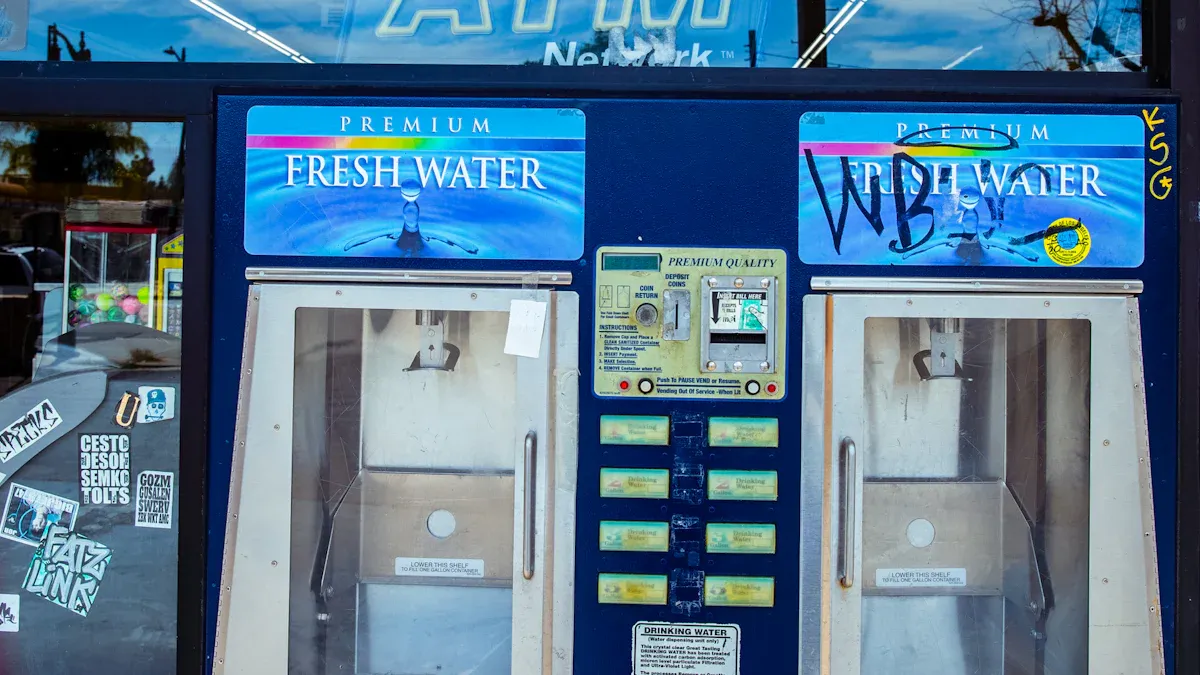
Choosing the right water dispenser service starts with knowing your options. Each type offers unique benefits and drawbacks that fit different needs. You can select between the classic bottled cooler or a modern bottleless system.
Bottled Water Dispensers: The Traditional Choice
You have likely seen bottled water dispensers in many offices. They are a popular choice because they are simple and flexible. You can place them almost anywhere without needing a plumbing connection. These units often provide both hot and cold water.
However, you should consider the downsides.
- Your water supply is limited to the number of bottles you have on hand.
- The large bottles are heavy and require physical effort to lift and replace.
- The dispenser itself needs regular cleaning to stay hygienic.
Tip: If you choose a bottled dispenser, always store extra water bottles in a cool, dark place to maintain water quality and prevent algae growth.
Bottleless Water Dispensers: The Modern Solution
Bottleless water dispensers connect directly to your building's water line. This gives you an endless supply of purified water. You never have to worry about running out of water or scheduling deliveries. These systems use advanced filters to remove impurities, providing clean, great-tasting water on demand.
Many modern units also feature a streamlined appearance that complements any space. They eliminate the clutter of stored water bottles. With features like touchless dispensing, they also offer superior hygiene. This makes them a convenient and scalable solution for a growing team or busy household.
Cost Comparison: Upfront Investment vs. Long-Term Savings
Your budget plays a big role in choosing a water dispenser service. You must look beyond the initial price tag. Understanding both upfront and long-term expenses will help you make a smart financial decision.
The Initial Cost of Each System
Bottled water dispensers usually have a low initial cost. You might rent the cooler for a small monthly fee or buy it outright for a modest price. This makes them seem very affordable at first.
Bottleless dispensers require a larger upfront investment. You purchase the unit and pay for professional installation to connect it to your water line. While the initial price is higher, this one-time cost unlocks future savings.
Analyzing Ongoing and Hidden Expenses
Ongoing costs are where the two systems differ most. With a bottled service, you pay for every bottle delivered. These costs add up quickly, especially in a busy office. You also face delivery fees and potential price hikes. For an office of 50, these expenses can be significant.
| Service Type | Estimated Annual Cost |
|---|---|
| Bottled Water Delivery | Over $4,200 |
In contrast, a bottleless system's main recurring expense is for replacement filters, typically needed once or twice a year. This cost is far lower than monthly water deliveries. You eliminate delivery fees and the administrative time spent managing orders. Over time, the savings make the bottleless option much more economical.
Tip: When calculating costs, include employee time spent ordering, receiving, and replacing heavy water jugs. These hidden expenses impact your bottom line.
Convenience: Lifting Bottles vs. Changing Filters
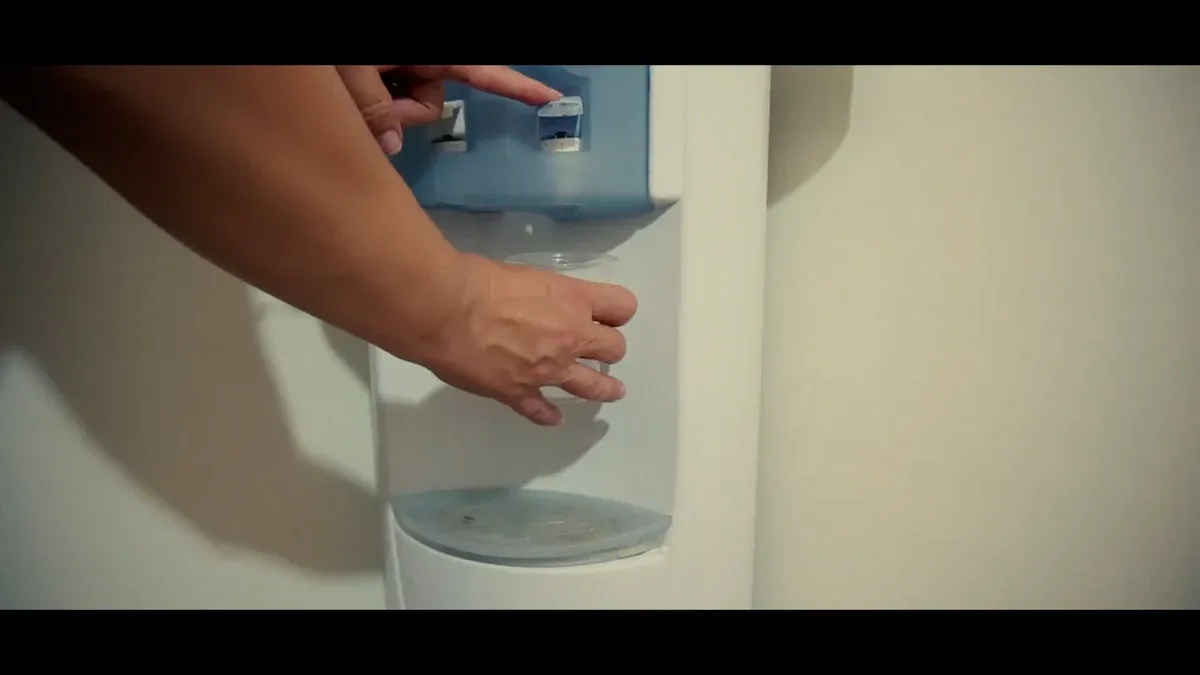
Convenience is more than just having water available. You should think about the daily effort required to maintain your water supply. Your choice between bottled and bottleless systems will greatly affect your day-to-day operations.
The Demands of Bottled Water Delivery
A bottled water service requires constant management. You must track your inventory to avoid running out of water. You also need to coordinate deliveries and find space to store the bulky bottles. This process introduces several logistical challenges.
- You must manage stock levels to prevent shortages.
- You need to handle fragile cargo carefully to avoid breakage and spills.
- You must ensure sanitary practices to prevent contamination.
Beyond logistics, there is a significant physical demand. Each 5-gallon jug weighs over 40 pounds. Lifting these heavy bottles creates a risk of injury. In fact, statistics show that 26% of all reported workplace injury claims are related to handling and lifting. This can lead to back pain, muscle strains, and costly workers' compensation claims.
Safety First: Always use proper lifting techniques when handling heavy water jugs. Bend at your knees, not your waist, to protect your back from strain.
The Ease of an Endless Water Supply
A bottleless water dispenser offers a much simpler experience. It connects directly to your building's water line, giving you an unlimited supply of fresh water. The system uses a multi-stage filtration process to purify the water on demand. You never have to worry about running out of water or managing deliveries again.
This setup eliminates the need for storage space, freeing up valuable room in your office or home. Maintenance is minimal. You only need to replace the filters periodically, a quick and easy task. This continuous availability means your team or family always has access to clean, chilled water without any of the heavy lifting or logistical headaches.
Water Quality: Purified Jugs vs. On-Demand Filtration
The purity of your drinking water is a top priority. You should understand how each system ensures water quality, from the source to your cup.
How Bottled Water Quality is Determined
You might assume bottled water is the purest option, but its quality can be inconsistent. Government oversight is not as strict as you might think. Bottled water companies often face fewer regulations than your local tap water provider.
- Companies are not required to make their water test results public.
- The FDA allows a certain level of coliform bacteria in finished bottled water.
- Many potential contaminants found in bottled water remain unregulated.
Once you place a jug on a dispenser, it can be exposed to germs. Studies show that water coolers, especially in busy areas, can harbor significant levels of bacteria. This contamination can come from the air or the dispenser itself, affecting the water you drink.
Advanced Filtration in Bottleless Systems
Bottleless dispensers give you control over your water quality through on-demand filtration. These systems connect to your water line and purify the water right before you drink it. A multi-stage filtration process removes many common impurities.
- Sediment and rust
- Chlorine and bad odors
- Lead and other contaminants
For the highest level of purity, you can choose a system with Reverse Osmosis (RO). RO technology uses a special membrane to remove up to 99% of all dissolved solids. It filters out everything from arsenic and fluoride to bacteria and viruses. This advanced process ensures you always have access to exceptionally clean and safe water.
Environmental Impact: Plastic Waste vs. Sustainability
Your choice of a water cooler affects more than just your budget; it also impacts the environment. You should consider the long-term sustainability of your decision.
The Carbon Footprint of Bottled Water
Bottled water services create a significant environmental footprint. The process starts with manufacturing large plastic jugs. Even though companies can reuse these jugs, they eventually end up in landfills.
You must also account for transportation. Delivery trucks use fuel and release carbon emissions with every trip to your location. This continuous delivery cycle adds to air pollution and your organization's overall carbon footprint. The environmental cost of bottling, transporting, and managing these heavy jugs is substantial.
How Bottleless Coolers Reduce Waste
You can significantly improve your sustainability by choosing a bottleless cooler. These systems connect to your existing water line, offering a much greener solution.
- Zero Plastic Waste: You completely eliminate the need for single-use plastic bottles and jugs.
- Reduced Carbon Footprint: You stop all water deliveries, cutting transportation emissions to zero.
- Energy Efficiency: Modern units use advanced technology to cool and filter water with minimal electricity.
A medium-sized office with 50 employees can prevent around 6,000 plastic bottles from becoming waste each year. This simple switch makes a measurable difference.
Real-World Impact: Case studies show that businesses switching to bottleless systems have reduced their plastic waste by 95%. They also reported a 30-50% drop in their water-related expenses.
Choosing the Right Water Dispenser Service: A Checklist
You now understand the key differences in cost, convenience, and quality. This final checklist will help you decide which path is right for your specific needs. Use these points to evaluate your space, budget, and priorities.
When to Choose a Bottled Service
A bottled water dispenser service remains a practical choice in certain situations. You might prefer this traditional option if your primary needs align with simplicity and flexibility. It is often a good fit for businesses that want a direct hydration solution without managing complex installations.
Consider choosing a bottled service if you are in one of these scenarios:
- You need a portable unit that can be moved easily.
- Your location lacks access to a water line.
- You require a straightforward hydration solution for employees and prioritize reliability.
- Your water consumption is very low, making the per-bottle cost manageable.
Pro Tip: Before you sign a contract, ask the provider some key questions. You should inquire about all service details, including potential fees for early cancellation.
- Where do you source your bottled water?
- Do you offer tiered delivery packages based on usage?
- How frequently can you deliver water?
- Are there minimum order requirements for each delivery?
When to Choose a Bottleless Service
A bottleless dispenser is the superior choice for most modern homes and offices. You should choose this system if you prioritize long-term savings, environmental sustainability, and ultimate convenience. These systems are ideal for high-traffic areas like school cafeterias or large offices, with robust models like the Culligan Quench Q12 or premium freestanding units from Bevi designed to handle heavy use.
You can calculate your potential savings to see if a bottleless system is right for you. First, determine your total current bottled water costs, including delivery fees. Most organizations that use more than ten gallons per week reach their break-even point within 18 to 36 months. After this initial period, you can expect to pay 30% to 50% less per gallon.
Before you commit, you need to check a few installation requirements:
- Location: You need a spot on a level surface located near both a cold water line and a grounded electrical outlet.
- Plumbing: A professional will connect the unit to your cold water supply using a T-adapter. You must have a nearby water line with a shut-off valve.
- Drainage: If you choose a Reverse Osmosis (RO) system for maximum purity, it will require access to a drain line to dispose of filtered wastewater.
If you can meet these simple requirements, a bottleless system will provide an endless supply of pure water while reducing costs and eliminating plastic waste.
You now have the information to choose the best option. While bottled dispensers offer portability, a bottleless system is often superior. It provides endless purified water, eliminates plastic waste, and lowers long-term costs. You can review the checklist to evaluate your priorities and make the right choice for your space.
FAQ
How often should you clean a water dispenser?
You should clean bottled dispensers with every jug change. For bottleless units, you can follow the manufacturer's cleaning schedule, often done during filter replacement.
Can you install a bottleless water dispenser yourself?
You should use professional installation for a bottleless system. This ensures a proper connection to your water line and helps you avoid leaks or property damage.
What maintenance does a bottleless system require?
Bottleless systems need minimal maintenance. You will only need to replace the filters periodically. This is a simple task that you can often do yourself.