Bottled vs Bottleless Water Dispensers A 2026 Home Guide
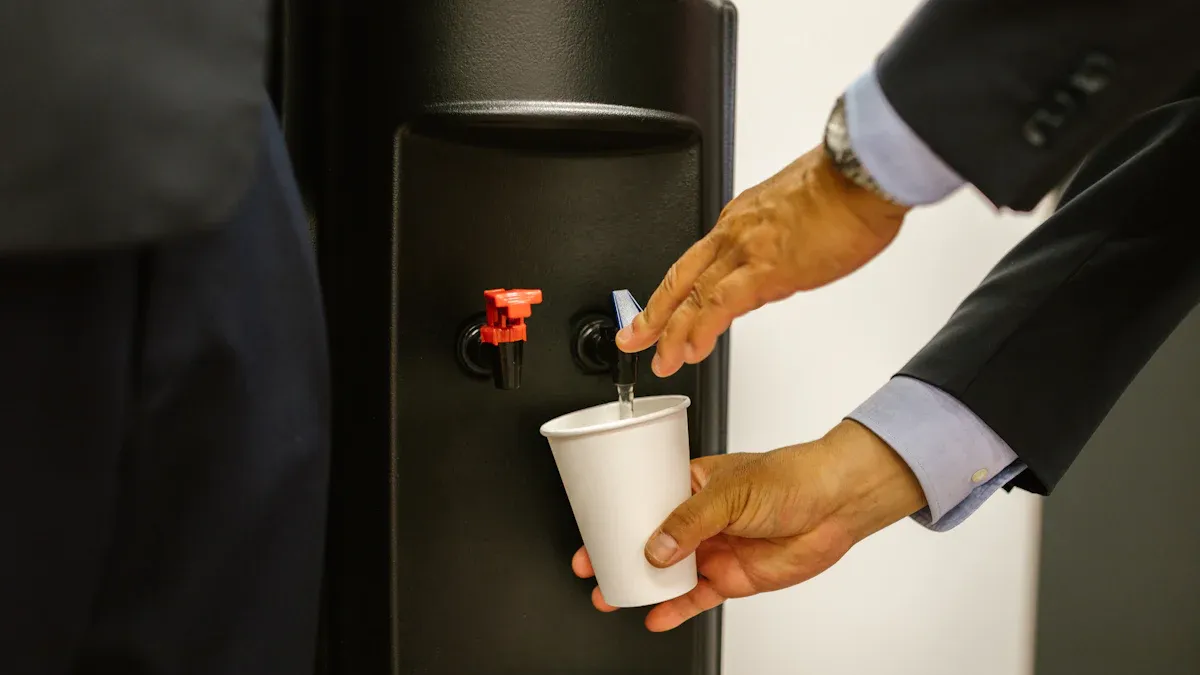
An increasing number of households are choosing a drinking water dispenser for home. The global market is expected to grow significantly, reaching nearly $7.58 billion by 2035. Your choice depends on your priorities. Bottled dispensers offer portability. Bottleless dispensers provide unlimited filtered water. Renters often find bottled dispensers are a good start. Homeowners may prefer a bottleless dispenser for its long-term value.
Key Takeaways
- Bottled water dispensers are good for renters or people who move often. They cost less to buy at first.
- Bottleless water dispensers save money over time. They give you endless filtered water and help the environment.
- Think about your budget, how much water you use, and if you want to help the planet. This helps you choose the best water dispenser for your home.
Bottled vs. Bottleless: A Direct Comparison
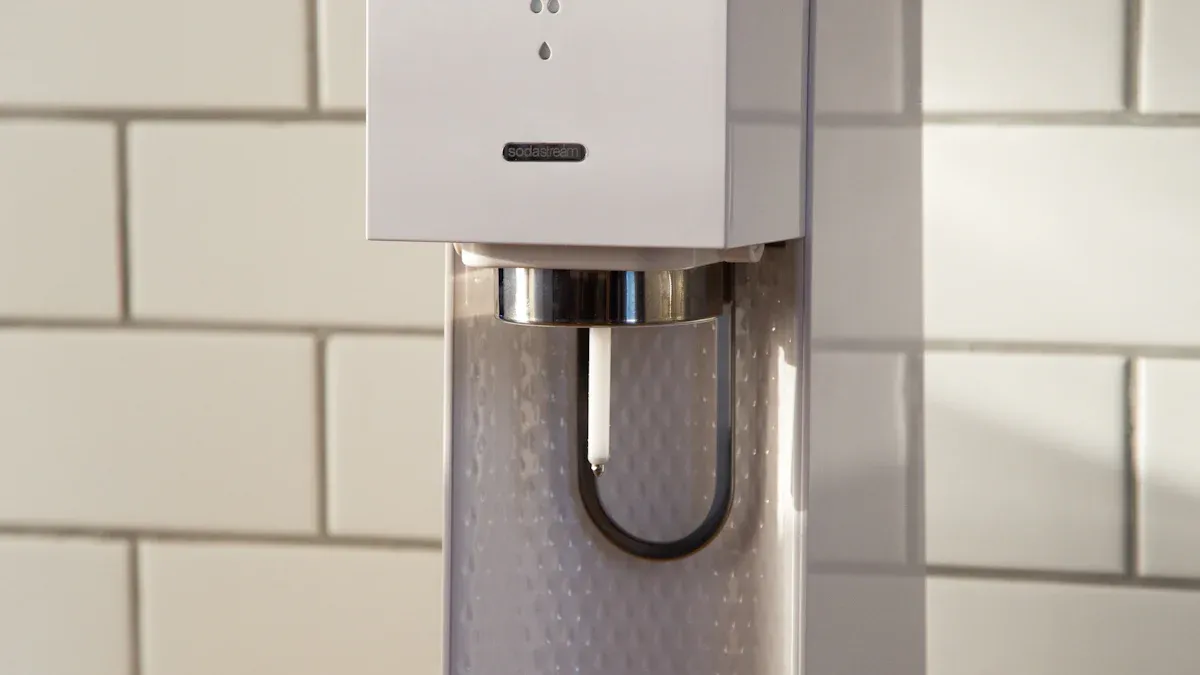
Choosing the right water dispenser involves looking at several key factors. Your lifestyle, budget, and values will guide you to the best option. This direct comparison breaks down the essential differences between bottled and bottleless systems.
Upfront vs. Long-Term Costs
Your budget is a major factor in this decision. Bottled water dispensers have a low initial purchase price. You can often find a basic model for a very affordable cost. However, the ongoing expense of water delivery adds up quickly. You pay for every 5-gallon jug, and these costs continue for as long as you use the dispenser.
Bottleless dispensers require a larger investment at the start. The unit itself costs more, and you may need to pay for professional installation. Over time, these systems offer significant savings. You use your own tap water, eliminating delivery fees entirely. Your only recurring cost is for replacement filters.
Note: A typical water dispenser uses about $2 to $5 in electricity each month. You can lower this cost by 30-50% if you choose an ENERGY STAR certified model.
Let's look at the total cost over five years for a bottleless system. This helps you see the long-term financial picture.
| Cost Type | Bottleless System (Range) |
|---|---|
| Unit Price | $200 – $800 |
| Installation | $0 – $300 (professional) |
| Monthly Water | $0 (uses tap water) |
| Filter Changes (Annual) | $50 – $100 |
| 5-Year Total | $650 – $2,300 |
When you compare this to the recurring cost of bottled water deliveries, the long-term savings of a bottleless model become clear.
Maintenance and Convenience
Convenience plays a huge role in your daily life. A bottled water dispenser requires constant management. You must schedule deliveries and be home to receive them. You also need a place to store heavy, bulky water jugs. The biggest task is lifting and replacing the empty bottles, which can be difficult and messy.
A bottleless drinking water dispenser for home offers ultimate on-demand convenience. Once installed, it provides an endless supply of filtered water. You never have to worry about running out of water or scheduling a delivery. The only maintenance is changing the filters, usually just once or twice a year. This simple task takes only a few minutes and requires no heavy lifting.
Water Quality and Filtration
You might think all bottled water is perfectly pure. However, studies show that bottled water can sometimes contain unwanted contaminants. These may include:
- Mold
- Bacteria
- Harmful chemicals like BPA from the plastic
- Microplastic particles
A bottleless dispenser filters your tap water right before you drink it. This gives you fresh, clean water every time. High-quality systems use advanced filtration to provide excellent protection against contaminants. Technologies like reverse osmosis and activated carbon filters are very effective. Properly filtered tap water is often cleaner and safer than bottled water.
When you look for a dispenser, check for NSF/ANSI certifications. These standards ensure the filter performs as advertised. Key certifications to look for are:
- NSF/ANSI 42: Reduces aesthetic impurities like chlorine taste and odor.
- NSF/ANSI 53: Reduces health-related contaminants like lead and cysts.
- NSF/ANSI 58: Certifies reverse osmosis systems for contaminant reduction.
Many top brands have filters certified to these standards, giving you confidence in your water quality.
Space and Installation Needs
Think about the space you have available. A bottled dispenser needs a significant amount of floor space. You need room for the unit itself plus storage for at least one or two full water jugs. The setup is simple. You just plug it into a standard wall outlet.
A bottleless dispenser has different requirements. It needs a connection to your home's cold water line. Professional installation is often recommended to ensure it works correctly. A plumber can connect the unit, similar to how an ice maker is installed. Installation costs can range from $150 to $250.
Here are the typical installation needs:
- A grounded power outlet must be within 6 feet.
- A potable water source should be within 200 feet.
- Technicians can run thin, food-grade tubing behind walls or under baseboards for a clean look.
- All work must follow local building codes.
Environmental Footprint 🌎
Your choice also has an impact on the planet. Bottled water creates a large amount of plastic waste. Manufacturing and transporting these heavy plastic jugs use a lot of fossil fuels. The delivery trucks also add to carbon emissions.
A bottleless dispenser is the more sustainable option. It eliminates the need for single-use plastic jugs completely. By filtering water directly from your tap, you drastically reduce plastic waste. You also eliminate the carbon footprint associated with water transportation and delivery. This makes it a smart choice for an eco-friendly home.
When a Bottled Dispenser is the Smart Choice
A bottleless dispenser offers many benefits, but it is not the right fit for every situation. You might find that a traditional bottled water dispenser better suits your current needs and lifestyle. Let's explore the scenarios where a bottled dispenser is the smart choice.
You Are a Renter or Move Frequently
Your living situation is a key factor. If you rent your home, a bottled dispenser offers unmatched flexibility. You can place it anywhere with a power outlet without needing your landlord's permission for installation. Moving is also simple. You just unplug the unit and take it with you to your next home. This portability makes it the ideal choice for anyone who does not have a permanent residence.
You Have No Easy Water Line Access
A bottled dispenser's setup is incredibly simple. You just need a standard electrical outlet. This makes it perfect for spaces without a nearby water line, such as:
- A detached garage or workshop
- An upstairs bonus room
- A temporary office space
Did You Know? Some clever solutions can help connect a bottleless dispenser without major plumbing work. For example, a T-shaped adapter can split the water supply from under your sink. This avoids permanent changes to your pipes.
Your Top Priority is Low Upfront Cost
Your budget plays a big role in your decision. A bottled water dispenser has a very low initial purchase price. You can get started with a reliable unit without a large investment. This makes it an excellent option if you need a dispenser immediately but have a tight budget. However, you should remember the ongoing costs. Water delivery services for a household typically cost between $30 to $50 per month. This recurring expense adds up over time, making the total cost higher in the long run.
When a Bottleless Dispenser is the Better Investment
A bottleless dispenser is a fantastic upgrade for many homeowners. You may find it is the superior choice if you prioritize long-term value, convenience, and sustainability. This system connects directly to your water line, offering a modern solution for fresh, filtered water.
You Want Ultimate On-Demand Convenience
Imagine never running out of water again. A bottleless dispenser provides an endless supply of filtered water with the simple push of a button. You eliminate the hassle of scheduling deliveries and lifting heavy 5-gallon jugs. User satisfaction reflects this benefit. For example, some popular countertop models earn an 'Ease of Use' rating of 4.5 out of 5. Users love the constant availability of water without the physical strain of replacing bottles. This makes it an ideal drinking water dispenser for home life.
Long-Term Savings Are Your Goal
A bottleless dispenser costs more upfront but saves you money over time. Your main ongoing expenses are for replacement filters and the water from your tap. You completely eliminate bottle delivery fees.
- You stop paying for bottled water purchases.
- You avoid delivery fees for fuel and labor.
- Your cost for filtered water remains stable.
Most households that use more than ten gallons of water per week see a return on their investment within 18 to 36 months. After this break-even point, the savings add up significantly.
You Want to Reduce Plastic Waste ♻️
Choosing a bottleless dispenser is a powerful way to help the environment. You stop the cycle of manufacturing, transporting, and disposing of large plastic jugs. This greatly reduces your household's carbon footprint and plastic waste. Leading water industry companies like Primo Brands and Zurn Elkay highlight environmental stewardship in their sustainability reports. They focus on responsible water management and reducing plastic use. By switching to a bottleless system, you align with these eco-friendly goals and make a positive impact.
Choosing the Right Drinking Water Dispenser for Home
You are ready to pick a dispenser. You should look at key features, filter types, and your family's water needs. This will help you find the perfect match for your home.
Key Features to Consider in 2026
Modern dispensers offer more than just water. Look for these helpful features:
- Multiple Temperature Settings: Get instant cold, hot, or room-temperature water.
- Child Safety Locks: A must-have feature for hot water spouts if you have young children.
- Self-Cleaning Functions: Some units use UV light or ozone to keep the water tank clean automatically.
Understanding Filtration Types
The filter is the heart of a bottleless dispenser. It ensures your water is clean and safe. Different filters remove different things.
| Feature | Reverse Osmosis | UV Filtration | Activated Carbon |
|---|---|---|---|
| Contaminant Removal | High (removes salts, metals) | Microbial Only | Chemicals/Impurities |
| Microbial Safety | Moderate | High (kills 99.99% of germs) | Low |
Pro Tip: Activated carbon filters are very important. They remove chlorine, which protects the more expensive Reverse Osmosis membranes. This can extend the membrane's life by 3 to 4 years, saving you money.
Assessing Your Household's Water Usage
You need to know how much water your family drinks. This helps you choose the right size unit. For most homes, a compact countertop model is enough.
A simple rule is to drink half your body weight in ounces of water each day. For example, a 140-pound person should drink about 70 ounces of water.
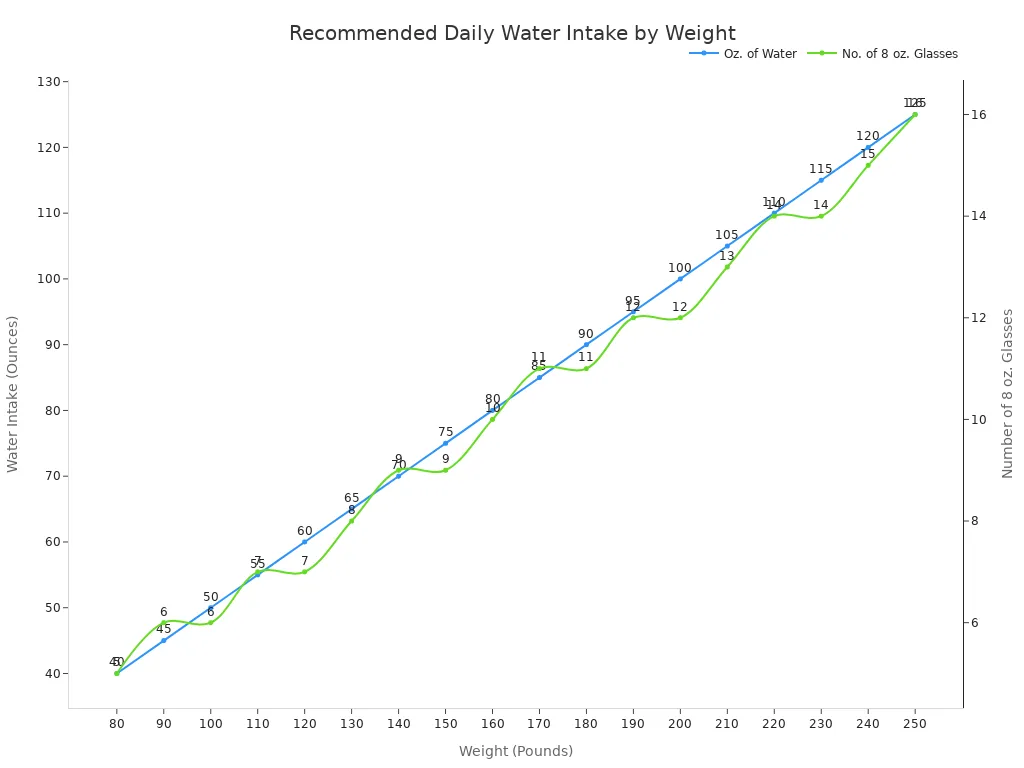
Calculating your total household need ensures you select the best drinking water dispenser for home without running short.
Your final choice balances initial cost against long-term savings. A bottled dispenser offers flexibility if you rent. A bottleless unit provides endless filtered water and a smaller environmental impact. This guide helps you choose the best drinking water dispenser for home. Looking ahead, the market will bring even more innovation.
- Expect more smart features and energy-efficient models.
- Advanced filtration and UV sterilization will become common.
- Companies will focus on IoT connectivity for easier use.
FAQ
How hard is it to install a bottleless water dispenser?
You can install it yourself with basic tools. Many people hire a plumber for a professional connection. The process is similar to installing a refrigerator's ice maker.
Does filtered tap water taste as good as bottled water? 💧
Yes, it often tastes better. A quality filter removes chlorine and other impurities from your tap water. This provides fresh, clean-tasting water every time you use it.
Do water dispensers use a lot of electricity?
No, they are energy efficient. An ENERGY STAR model can reduce your energy costs by 30-50%. This saves you money on your monthly utility bill.