Black Stainless Steel Water Dispenser Buying Guide
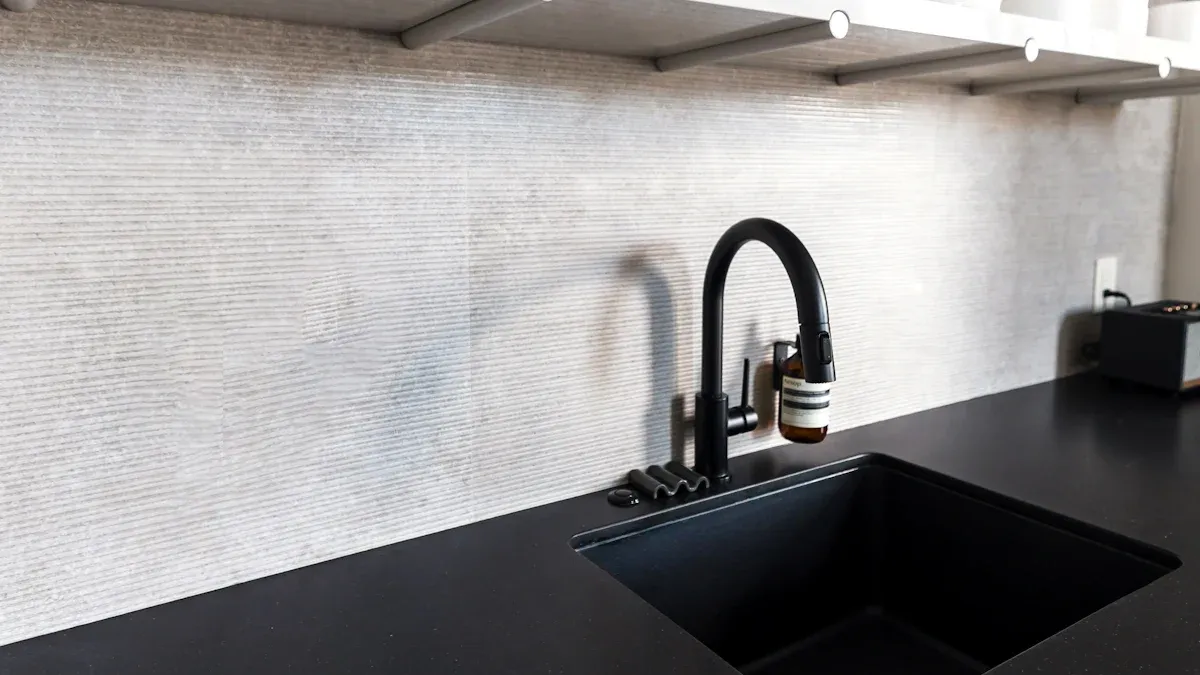
An elegant black stainless steel water dispenser elevates any space. It offers instant access to refreshing water. You must evaluate key elements to find the perfect model for your home or office. Consider dispenser type, temperature options, capacity, and self-cleaning features. This ensures you choose the best appliance.
Key Takeaways
- Choose your dispenser type based on space and budget. Options include bottom-loading, top-loading, or countertop models.
- Look for key features like temperature options, child safety locks, and self-cleaning functions. These features make the dispenser safe and easy to use.
- Consider capacity and filtration needs. Match the dispenser size to your usage and choose filters for clean, great-tasting water.
Choose Your Dispenser Type
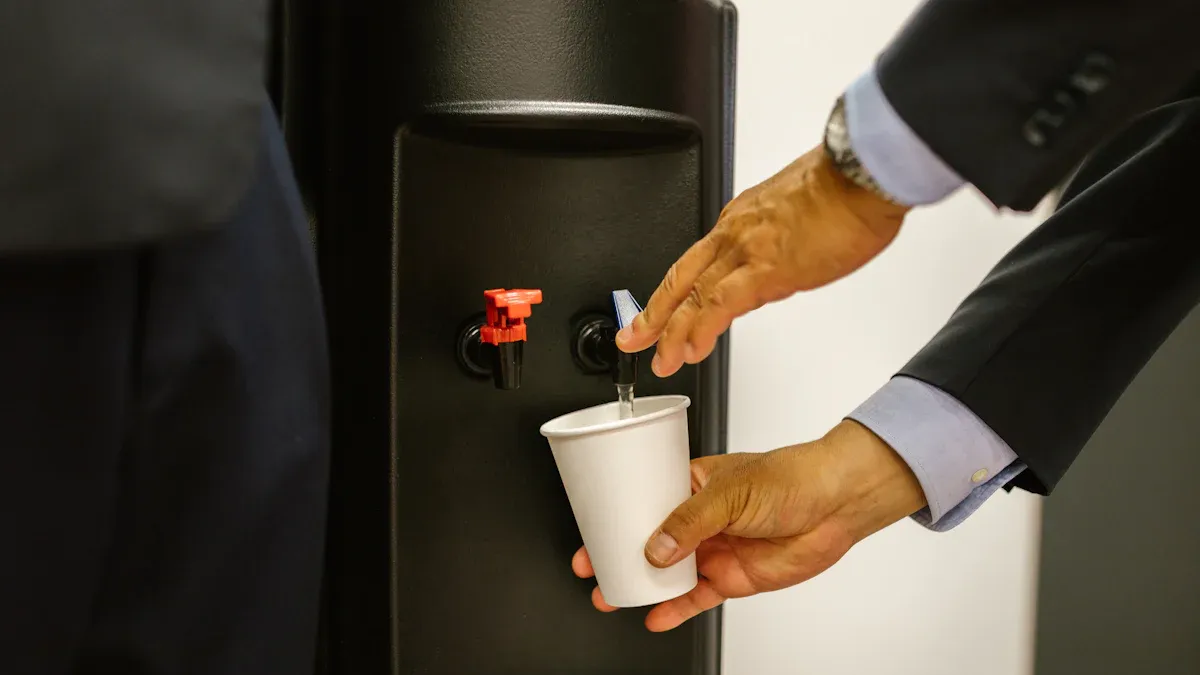
You must first select the right dispenser type for your needs. Each style offers unique benefits. Your choice will depend on your space, budget, and personal preference. The three main types are bottom-loading, top-loading, and countertop.
Bottom-Loading
Bottom-loading dispensers provide a sleek, modern look. You place the water jug in a cabinet at the base of the unit. This design is perfect for kitchens and offices where appearance matters.
Key advantages of this style include:
- Easy Bottle Changes: You avoid lifting heavy water jugs. You simply slide the bottle into the bottom compartment. This makes replacement much more convenient.
- Clean Appearance: The water bottle is hidden from view. This creates a tidier and more streamlined look in your space.
Here are two popular bottom-loading models to consider:
| Model | Key Features | Pros | Cons |
|---|---|---|---|
| Oasis Mirage | Tri-temp (Hot, Cook, Cold), Stainless steel tanks, Convertible to point-of-use | Sleek exterior, Dispenses very hot water (194°F), Reputable brand | Shows fingerprints, Lacks a self-cleaning feature |
| Whirlpool Self Cleaning | Self-cleaning technology, LED indicators, Durable frame | Self-cleaning function, Provides very cold (9°F) and boiling water | No room temperature option, Shows fingerprints |
Note: While bottom-loading models are convenient, they have some potential drawbacks. They often cost more than top-loading units. The internal pump can sometimes be noisy or may require maintenance over time.
Top-Loading
Top-loading dispensers are a classic and practical choice. You place the water jug on top of the unit. This design lets you see the water level at a glance.
Top-loading models offer several benefits for homes and offices:
- Water Level Visibility: You can easily see when the bottle is running low.
- Temperature Variety: Most models provide cold, room temperature, and hot water.
- Cost-Effectiveness: These units are often more affordable upfront than bottom-loading models.
- Sustainability: They encourage using reusable bottles, which reduces single-use plastic waste.
However, you should consider the long-term costs. The table below compares the initial and ongoing expenses.
| Feature | Top-Loading Dispenser | Bottom-Loading Dispenser |
|---|---|---|
| Initial Cost | Typically less expensive | Typically more expensive |
| Annual Electricity Cost | $40–$60 per year | $10–$20 per year |
Countertop
A countertop black stainless steel water dispenser is an excellent solution for smaller spaces. These compact units sit directly on your counter, table, or desk. They save valuable floor space while providing instant access to water.
This type is best for:
- Apartments and dorms
- Small kitchens or offices
- Meeting rooms and reception areas
Countertop models offer a great balance of features and size. They are portable, affordable, and easy to install. You just plug them in. Their main limitation is capacity. They have smaller reservoirs and are best for individuals or small groups.
This table compares countertop and freestanding dispensers.
| Feature | Countertop Dispenser | Freestanding Dispenser |
|---|---|---|
| Size | Compact, portable | Larger, floor-standing |
| Best For | Apartments, dorms, small kitchens | Offices, large families, shared spaces |
| Price | Budget-friendly | Moderate to higher |
| Placement | Requires counter or table surface | Stands on its own |
Key Features of a Black Stainless Steel Water Dispenser
Beyond the basic type, you need to examine the specific features of a dispenser. These details determine its daily convenience, safety, and ease of maintenance. Understanding your options for temperature, dispensing, and cleaning will help you select the best model.
Temperature Options
Most dispensers offer more than just one water temperature. You can choose a model that provides instant access to hot, cold, or even room temperature water. Think about how you will use the dispenser most often.
- Hot Water: A hot water tap is perfect for making instant tea, coffee, or oatmeal. Most dispensers heat water to a near-boiling temperature. For example, some models automatically control the hot water to nearly 190°F. This gives you consistently hot water without needing a kettle.
- Cold Water: A chilled water function provides crisp, refreshing drinks on demand. These dispensers deliver water much colder than your tap. However, you should manage your expectations for how cold it gets.
A refrigerator service technician notes that water from fridge dispensers is "never going to be bone-chilling cold." Water from a dedicated dispenser is often colder, but its temperature depends on a few factors.
Several things can affect the water's coldness:
-
Reservoir Size: The internal tank only holds a few cups of chilled water at a time.
-
Replenishment: Once you use the cold water, warmer tap water refills the tank and needs time to cool.
-
Cooling Time: It can take several hours for the water to reach its coldest temperature after you dispense a large amount.
-
Room Temperature: Some models offer a third, room temperature option. This feature is more useful than you might think. You can use room temperature water for many daily tasks.
- Drinking: Many people find it easier to drink larger quantities of room temperature water. It can also be gentler on sensitive stomachs and aid digestion.
- Baking: It is ideal for activating yeast and mixing ingredients evenly.
- Other Uses: Plants and pets often prefer room temperature water over very cold water.
Dispensing and Safety Mechanisms
You will interact with the dispensing mechanism every day, so its design is important. Most units use either push-buttons or paddles that you press with your cup. The most critical feature in this category, however, is safety.
If you have children at home, a child safety lock on the hot water tap is essential. This feature requires a two-step action to dispense hot water, such as sliding a button while pressing the lever. This simple mechanism prevents accidental burns and provides valuable peace of mind for families. Always check for this feature on any dispenser you consider.
Self-Cleaning Functions
Keeping your water dispenser clean is vital for ensuring your water is healthy and tastes fresh. Many modern units now include self-cleaning functions that automate this process. These systems typically use either ozone (O3) or ultraviolet (UV) light to eliminate harmful bacteria and viruses.
Ozone (O3) is a powerful, natural oxidizer. Self-cleaning systems create ozonated water, which deactivates bacteria and viruses on contact. The ozone breaks down contaminants and then safely turns back into regular oxygen, leaving no chemical residue. This process is highly effective, sanitizing surfaces within 30 seconds.
UV light is another popular chemical-free cleaning method. An internal UV lamp shines on the water as it sits in or flows through the dispenser. This light disrupts the DNA of microorganisms, preventing them from reproducing.
Appliance engineer Johnathan Smith says the best choice depends on your needs. He describes UV as a "constant guardian" and Ozone as "calling in a professional cleaning crew on a regular schedule." For busy offices, he suggests Ozone offers "immense peace of mind."
This table breaks down the two technologies:
| Feature | UV Light Technology | Ozone Technology |
|---|---|---|
| How It Works | Uses UV-C light to disrupt microorganism DNA, preventing reproduction. | Generates O3 gas, which oxidizes and destroys bacteria throughout the system. |
| Process | A continuous, physical process that runs in the background. | A periodic, deep-sanitizing cycle that you can often start manually. |
| Best For | Constant, non-intrusive cleaning that does not alter water taste. | Aggressive, deep cleaning of the entire system, including tanks and lines. |
Assess Capacity and Filtration Needs
You should evaluate your daily water needs and desired water quality. This helps you choose a dispenser that fits your lifestyle. Consider both the unit's size and its ability to purify your water.
Match Capacity to Your Usage
You need to match the dispenser's capacity to your household or office size. A larger family or a busy office will consume more water than a single person. Think about how many people will use the dispenser daily.
The Environmental Protection Agency (EPA) reports that the average American family uses over 300 gallons of water at home each day. However, your drinking water needs are much smaller.
A standard 5-gallon jug is usually enough for a small family or office for several days. If you have higher demand, you might prefer a point-of-use dispenser. These models connect directly to your water line for an endless supply.
Consider Filtration Capabilities
The type of filtration system determines your water's purity and taste. Some dispensers use standard filters, while others offer advanced multi-stage systems.
Basic filters are a good starting point. They typically improve taste by removing:
- Chlorine
- Minerals like copper and zinc
However, these standard filters often cannot remove more serious contaminants like lead, bacteria, or viruses.
For superior purification, you should look for a model with multi-stage filtration. These advanced systems pass water through several specialized filters.
- A sediment filter first catches large particles like dirt and rust.
- An activated carbon filter then absorbs chlorine and other chemicals that cause bad taste and odor.
- Additional stages can target specific contaminants, removing up to 99% of lead, mercury, and even bacteria.
This process ensures you get clean, great-tasting water every time.
Final Practical Considerations
You should think about a few final details before you buy. These practical points ensure your new appliance fits perfectly into your home or office. You need to consider size, energy use, and cleaning.
Measure for Size and Placement
You must measure your intended space before choosing a dispenser. A freestanding black stainless steel water dispenser needs enough room for ventilation around it. A slim model might have dimensions around 14 x 16 x 37 inches. Get your tape measure and confirm you have adequate height, width, and depth. Also, check for a nearby electrical outlet.
Check for Energy Efficiency
A water dispenser runs 24/7 to keep water hot or cold. This uses electricity. You can save money by choosing an energy-efficient model.
Look for the ENERGY STAR label. Certified water coolers can save you nearly $40 per year on your electricity bill compared to standard models. This choice helps both your wallet and the environment. the planet
Understand Maintenance Requirements
Your dispenser needs regular cleaning to provide fresh, safe water. You should also factor in the cost of replacing filters. Filters like carbon or reverse osmosis need changing every 12 to 24 months.
Cleaning the exterior is simple. You can easily clean the drip tray and spout yourself.
- Soak the drip tray in vinegar for about 30 minutes to remove mineral buildup.
- Use a small brush dipped in soapy water to clean inside the dispenser spout.
- Rinse everything thoroughly with fresh water.
This simple routine keeps your water tasting great.
You can now make a confident choice. Use this final checklist to guide your purchase.
- Dispenser Type: Bottom-Load, Top-Load, or Countertop?
- Temperature Needs: Hot, Cold, and/or Room Temperature?
- Essential Features: Child Safety Lock and Self-Cleaning?
- Practical Fit: Correct Size and ENERGY STAR certified?
You are now equipped to choose the best black stainless steel water dispenser.
FAQ
How often should I clean my water dispenser?
You should clean your dispenser every three to six months. Regular cleaning prevents bacteria buildup. This routine ensures your water always tastes fresh and stays safe for you to drink.
Are water dispensers noisy?
Most dispensers operate quietly. You might hear a soft hum from the cooling system. A bottom-loading black stainless steel water dispenser may make noise when its pump activates.