Understanding the Operation of Biological Sewage Treatment Plants
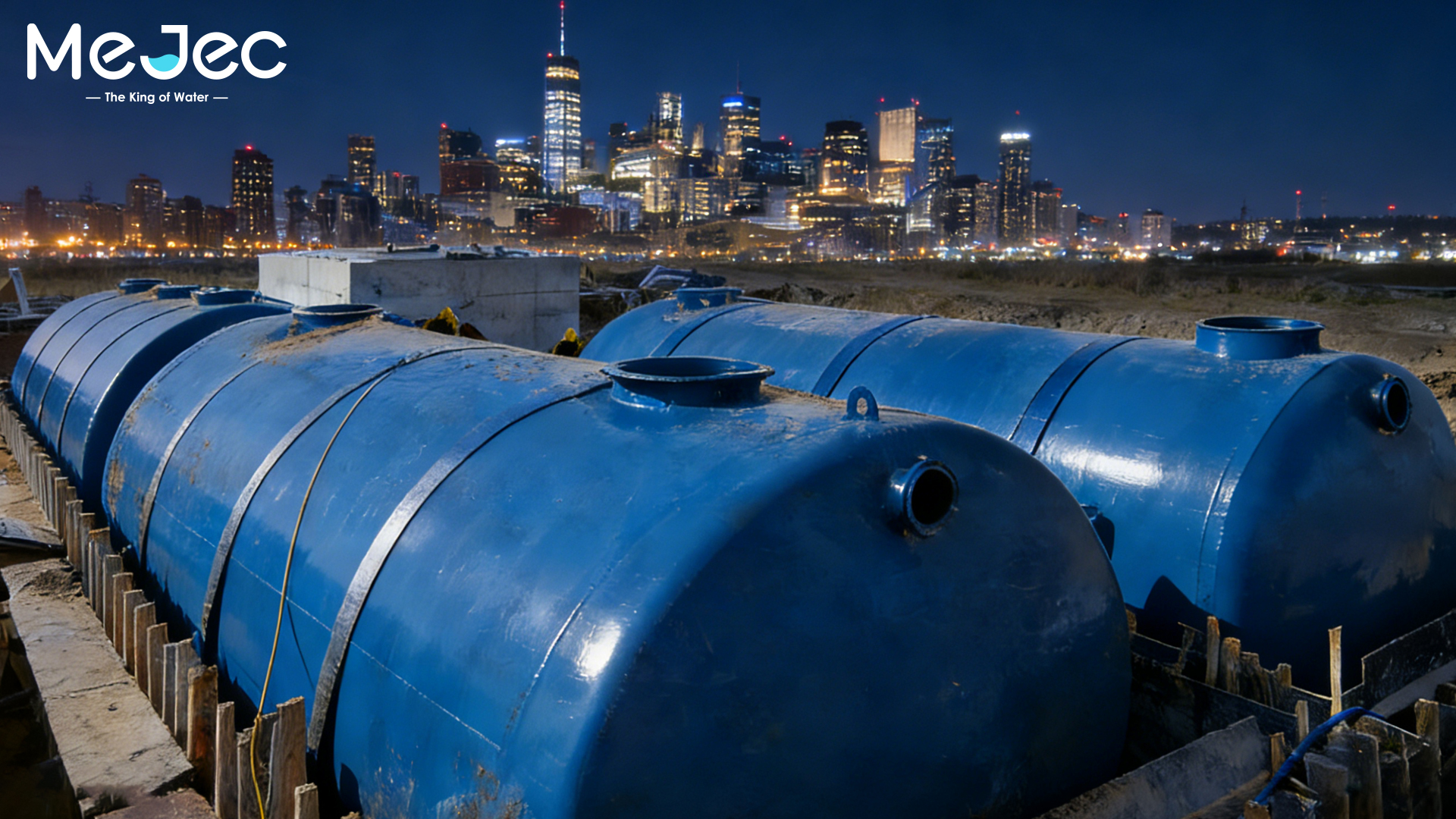
A biological sewage treatment plant uses living microorganisms to break down harmful substances in wastewater. These tiny organisms, like bacteria, metabolize organic pollutants and transform them into safer materials such as carbon dioxide and water. Each treatment stage is vital, from removing large debris to polishing the final effluent. Modern biological systems often combine aerobic, anaerobic, and anoxic methods for maximum efficiency. The Mejec-Johkasou-SB, for example, uses an advanced AAO + MBBR process to deliver reliable results in rural or decentralized settings.
An estimated 52% of global sewage is treated, but this rate varies widely between high-income and developing countries.
Bacteria Type | Role in Wastewater Treatment |
|---|---|
Proteobacteria | Eliminates organic elements and nutrients |
Bacteroidetes | Decontaminates polluted water |
Acidobacteria | Breaks down organic matter |
Chloroflexi | Recycles domestic wastewater |
Tetrasphaera | Acts as a microbial cleaner |
Trichococcus | Purifies wastewater |
Candidatus Microthrix | Degrades organic pollutants |
Rhodoferax | Breaks down organic compounds |
Rhodobacter | Metabolizes pollutants |
Hyphomicrobium | Recycles nutrients |
Key Takeaways
Biological sewage treatment plants use microorganisms to break down harmful substances in wastewater, transforming them into safer materials.
Each treatment stage, from preliminary to tertiary, plays a crucial role in ensuring clean water and protecting public health.
Modern systems like the Mejec-Johkasou-SB are efficient, eco-friendly, and suitable for decentralized locations, making them ideal for rural communities.
The AAO + MBBR process enhances nutrient removal and microbial diversity, leading to improved treatment performance.
Automation in sewage treatment plants simplifies operations, reduces costs, and ensures consistent water quality.
Sewage Treatment Plant Process Overview
Preliminary Treatment of Sewage
A sewage treatment plant begins with preliminary treatment. This stage removes large and coarse materials that could damage equipment or block pipes. Workers use screens and grit chambers to separate these items from the wastewater. The process protects the rest of the system and improves efficiency.
Type of Contaminant | Description |
|---|---|
Coarse Solids | Floating or suspended materials such as plastics, rubber, paper, and fabric. |
Grit | Small solid particles like sand that are removed to prevent damage. |
Large Objects | Significant mass items that could harm filters and treatment media. |
Primary Treatment for Wastewater
Primary treatment focuses on removing settleable solids. Wastewater flows into sedimentation tanks where gravity causes heavier particles to settle at the bottom. This step produces sewage sludge for further treatment. It also reduces the load on later stages.
Primary treatment typically removes around 60% of total suspended solids.
A typical primary clarifier removes 60% of suspended solids.
Stage | Function |
|---|---|
Primary | Sedimentation removes settleable solids and produces sewage sludge for further treatment. |
Biological Treatment Stage
The biological stage is the heart of a sewage treatment plant. Microorganisms break down organic matter and nutrients. This stage uses aerobic, anoxic, and anaerobic processes. Oxygen helps bacteria decompose pollutants. Anoxic zones allow bacteria to convert nitrate to nitrogen gas. Anaerobic areas operate without oxygen and can produce methane.
Biological Process Type | Description |
|---|---|
Aerobic | Uses oxygen to break down organic matter. |
Anoxic | Uses nitrate to reduce nitrate to nitrogen gas. |
Anaerobic | Operates without oxygen, often producing methane. |
Microorganisms assimilate organic matter and nutrients.
They form flocs that settle out of the water.
Aerobic methods include activated sludge and trickling filters.
Anaerobic methods use digesters.
Anoxic methods rely on denitrification filters.
Tertiary Treatment and Effluent Quality
Tertiary treatment polishes the water and ensures it meets discharge standards. This stage uses filtration, disinfection, and advanced processes to remove remaining contaminants. The final effluent is safe for release into the environment or reuse.
Stage | Function |
|---|---|
Tertiary | Disinfection and polishing of water to meet standards for safe discharge. |
Tip: Each stage of a sewage treatment plant plays a unique role in protecting public health and the environment.
Biological Sewage Treatment Plant Processes
Role of Microorganisms in Wastewater
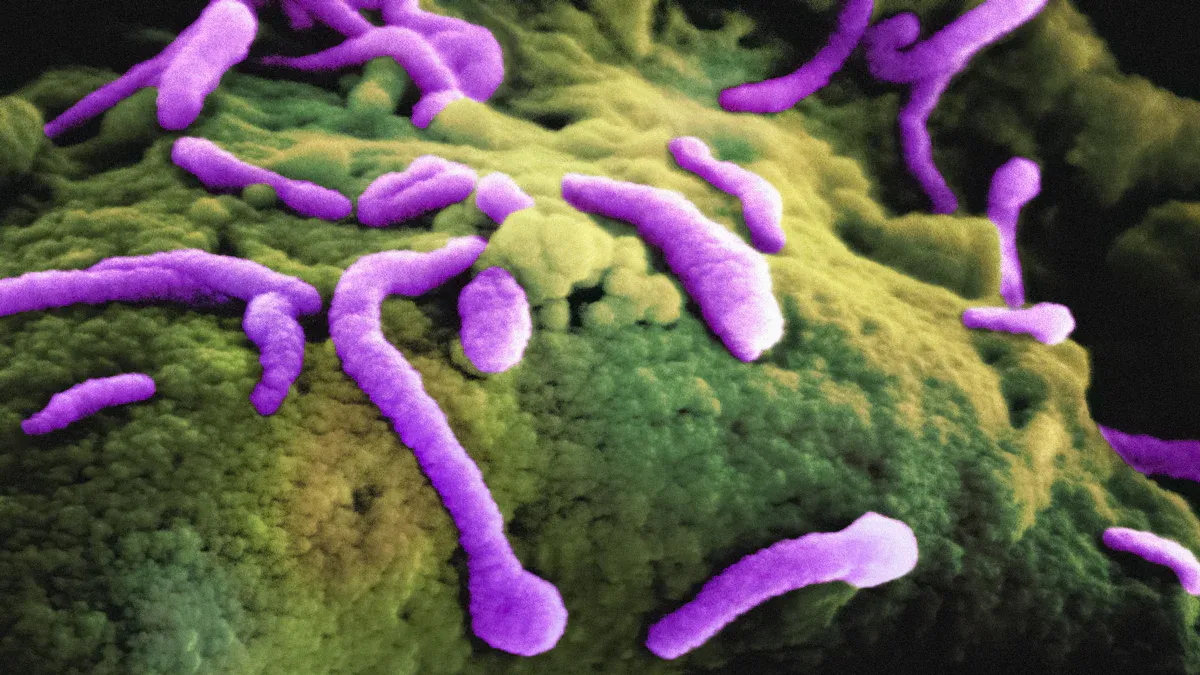
Microorganisms are the driving force behind every biological sewage treatment plant. These tiny living things, such as bacteria, break down pollutants in wastewater. They consume organic matter and nutrients, turning harmful substances into safer forms. In a biological wastewater treatment system, different types of microorganisms work together. Some bacteria thrive in oxygen-rich environments, while others prefer places without oxygen.
Microorganisms interact in complex ways during the biological treatment stage. For example:
Microplastics in wastewater can change which bacteria grow in the system. This affects how well the treatment works.
Some bacteria form biofilms on surfaces or particles, creating stable communities.
Interspecies interactions, like competition and gene transfer, help keep the microbial population balanced.
Microplastics can also provide a home for harmful or antibiotic-resistant bacteria, which may escape into the environment if not properly managed.
The right conditions are important for these microorganisms. Aerobic bacteria need oxygen, which is usually supplied by machines that mix air into the water. Anaerobic bacteria do not need oxygen from the air; they get it from the food they eat and produce methane gas as a byproduct. Both types are essential for effective biological wastewater treatment.
Aerobic, Anaerobic, and Anoxic Steps
A biological sewage treatment plant uses three main types of processes: aerobic, anaerobic, and anoxic. Each step plays a unique role in removing pollutants from wastewater.
Aerobic processes work when oxygen is present. Bacteria use this oxygen to break down organic matter. This step is crucial for removing nitrogen through a process called nitrification.
Anaerobic processes happen without oxygen. Here, bacteria transform complex organic matter into biogas, which can be used as energy.
Anoxic processes take place when there is no oxygen but nitrate is available. Bacteria use nitrate to remove nitrogen from the water, preventing pollution.
These steps are often combined in modern biological sewage treatment plant designs. The combination allows for the removal of a wide range of pollutants, including organic matter and nutrients.
Treatment Type | Pollutant Removal Efficiency | Key Advantages |
|---|---|---|
Anaerobic | 70-90% reduction of BOD and COD, less effective for TSS | Reduced sludge production, energy recovery, lower operating costs |
Aerobic | 95-99% reduction of BOD, COD, and TSS | Efficient organic matter removal, odor control, flexibility |
Anoxic | Effective for nitrogen removal via denitrification | Minimizes nitrogen-related environmental concerns |
Retention times for each step can vary. For example, the secondary biological treatment stage using activated sludge usually takes 4 to 8 hours, while biofilm reactors may need 6 to 12 hours. These times ensure that bacteria have enough opportunity to break down pollutants.
Note: Combining aerobic, anaerobic, and anoxic steps helps a biological sewage treatment plant achieve high removal rates for many types of contaminants.
Activated Sludge and Biofilm Methods
The secondary stage of a biological sewage treatment plant often uses either the activated sludge process or biofilm methods. Both approaches rely on biological activity but differ in how microorganisms are managed.
The activated sludge process mixes wastewater with a large population of bacteria in aeration tanks. Air is pumped in to provide oxygen. The bacteria form clumps, or flocs, that settle out in a clarifier. This method is widely used and very effective for removing organic matter and nutrients.
Biofilm methods, such as the Moving Bed Biofilm Reactor (MBBR), use small carriers that float in the water. Bacteria grow on the surface of these carriers, forming a biofilm. As wastewater flows through the tank, pollutants are broken down by the biofilm. This method is compact and can handle changes in wastewater quality.
Feature | Conventional Activated Sludge (CAS) | Moving Bed Biofilm Reactor (MBBR) |
|---|---|---|
Footprint (Space) | Large, requiring significant land for aeration tanks and secondary clarifiers. | Compact, needing up to 50% less space due to high biomass concentration on carriers. |
Capital Cost | Lower initial cost for basic construction and equipment. | Higher initial cost due to biofilm carriers and retention screens. |
Operational Costs (OPEX) | Higher long-term energy and labor costs due to complex sludge management. | Lower long-term costs; less labor-intensive as sludge control is simplified. |
Sludge Production | High volume of excess waste activated sludge requiring disposal. | Lower volume of excess sludge due to slower, denser biofilm growth. |
Sensitivity to Shock Loads | High sensitivity to toxic influxes, requiring recovery time. | High resilience, allowing quick recovery from fluctuations. |
Treatment Efficiency (Nutrients) | Good for BOD/TSS removal; requires specialized zones for nutrient removal. | Excellent for nitrification; often requires post-treatment for phosphorus removal. |
Both methods have advantages. Activated sludge is effective for nitrogen and phosphorus removal and has a long history of use. However, it produces more excess sludge and can be energy-intensive. Biofilm methods are adaptable and produce less sludge, making them suitable for low-concentration sewage and smaller biological sewage treatment plant installations.
Tip: Choosing the right secondary biological treatment method depends on the size of the plant, the type of wastewater, and the desired level of pollutant removal.
Equipment in Sewage Treatment Plants
Aeration Tanks and Clarifiers
Aeration tanks and clarifiers are essential parts of a biological sewage treatment plant. Aeration tanks add air to wastewater, helping microorganisms break down organic and inorganic pollutants. This process is known as secondary treatment. The activated sludge process in these tanks can remove over 95% of biochemical oxygen demand (BOD), showing high efficiency. After aeration, the wastewater flows into secondary clarifiers. These tanks allow microorganisms to settle, separating treated water from sludge. The sludge is often recycled back to the aeration tank to keep the biological process active.
Process | Description |
|---|---|
Aeration Tanks | Utilize microorganisms to remove suspended and dissolved pollutants during secondary treatment. |
Secondary Clarifiers | Settle microorganisms and separate treated effluent, ensuring uniform flow and preventing short circuiting. |
Operational parameters, such as aeration on/off times and mixed liquor suspended solids (MLSS) concentration, affect performance. For example, longer aeration off times can improve nitrogen removal, while proper MLSS levels support microbial activity.
Biofilters and MBBR Technology
Biofilters and Moving Bed Biofilm Reactor (MBBR) systems play a key role in biological wastewater treatment. Biofilters use surfaces for microorganisms to grow and treat pollutants. MBBR technology improves efficiency by providing a better environment for biofilm growth. Enhanced hydrodynamics in MBBR systems lead to more efficient oxygen transfer and water flow. These systems can reduce space needs by up to 30% compared to traditional biofilters. MBBR also adapts well to changing loads, optimizing nutrient removal.
Mechanism | Description |
|---|---|
Improved Biofilm Growth | MBBR fosters a better environment for microbial growth, enhancing treatment efficiency. |
Space Efficiency | MBBR can reduce space needs by up to 30%, maximizing land use. |
Adaptability | MBBR performs well under varying loads, optimizing nutrient removal more effectively. |
Maintenance for biofilters and MBBR systems includes regular inspections of gas supply, agitator operation, and water quality. Operators must check the media for scaling or clogging and address any issues promptly.
Sludge Handling and Disposal
Sludge is a byproduct of biological wastewater treatment. Plants use several methods to handle and dispose of sludge:
Anaerobic digestion
Composting
Bio-drying
Incineration
Thermal hydrolysis
Pyrolysis
Some sludge is used as agricultural fertilizer, compost, or construction material. Each disposal method has environmental impacts. Incineration can lead to higher emissions and resource scarcity, while agricultural use may cause emissions related to fertilization. Choosing the right method depends on local conditions and environmental policies.
Tip: Proper sludge management protects the environment and supports sustainable wastewater treatment.
Mejec Solutions in Biological Sewage Treatment
Integrated Systems for Decentralized Sewage
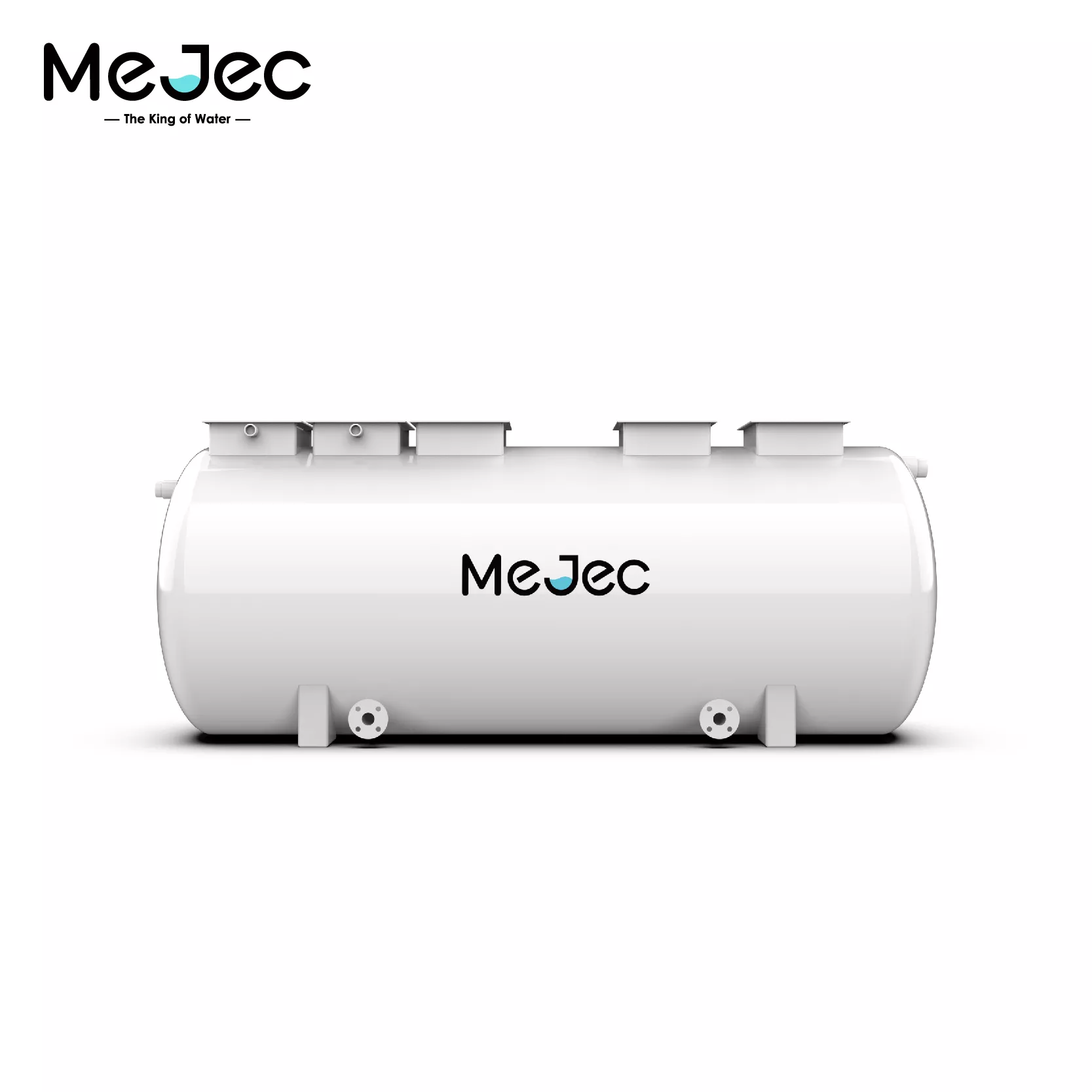
The Mejec-Johkasou-SB serves as a case study of an advanced biological sewage treatment plant. This system is designed for decentralized wastewater management. It works well in rural communities, tourist sites, and schools. The plant uses a compact design that allows for quick installation and operation. It does not need extensive infrastructure, which is important for locations where centralized systems are not practical. The integrated system combines biological treatment, filtration, and disinfection to ensure clean water that meets discharge standards.
Feature | Description |
|---|---|
Easy Maintenance | Designed for low-cost operation with durable components that allow for quick checks and reduced cleaning frequency. |
Low Energy Consumption | Utilizes efficient aeration and pumping systems to minimize power usage while maximizing treatment output. |
Scalability | Capable of handling from 100 to 1000m³/d, with the ability to combine multiple units for larger capacities. |
Advanced Treatment Technologies | Integrates biological treatment, filtration, and disinfection to ensure clean water that meets discharge standards. |
AAO + MBBR Process Advantages
The AAO + MBBR process is a key feature of the Mejec-Johkasou-SB plant. This combined biological treatment method improves nutrient removal and boosts efficiency. The process enhances microbial diversity, which is important for effective nutrient removal. It optimizes conditions for phosphorus and nitrogen removal. Specific bacteria, such as Ottowia and Mycobacterium, thrive in this environment. These bacteria help degrade complex organics and enrich phosphorus-accumulating bacteria, which increases phosphorus uptake rates.
The AAO + MBBR process enhances microbial diversity, which is crucial for effective nutrient removal.
It optimizes conditions for phosphorus and nitrogen removal, leading to improved treatment performance.
Specific bacteria that thrive in this process, such as Ottowia and Mycobacterium, are effective in degrading complex organics and enriching phosphorus-accumulating bacteria, which significantly boosts phosphorus uptake rates.
This process makes the plant suitable for rural, remote, or small-scale applications. It ensures high-quality wastewater treatment and reliable operation.
Eco-Friendly and Automated Operation
Mejec biological sewage treatment plants include eco-friendly and automated features. MBBR systems reduce footprint requirements by up to 50% compared to traditional systems. They achieve BOD removal rates exceeding 95% and total nitrogen removal rates above 85%. The technology cuts chemical usage by producing stable, well-conditioned sludge that dewaters effectively with 30-40% less polymer.
Automation in the plant simplifies operations and reduces costs. Facility managers can quickly address issues due to automated systems. Improved efficiency leads to reduced energy consumption and operational costs. Predictive maintenance minimizes downtime and maintenance costs. Real-time data collection enables better oversight and faster decision-making for plant operations.
Benefit | Description |
|---|---|
Simplified operations | Facility managers can quickly address issues due to automated systems. |
Cost savings | Improved efficiency leads to reduced energy consumption and operational costs. |
Lower maintenance needs | Predictive maintenance minimizes downtime and maintenance costs. |
Real-time data collection | Enables better oversight and faster decision-making for plant operations. |
Tip: Integrated systems like the Mejec-Johkasou-SB address the challenges of decentralized wastewater management by combining advanced treatment processes, automation, and eco-friendly design.
Biological sewage treatment plants use several key stages to clean wastewater, each step protecting public health and the environment. Modern solutions like the Mejec-Johkasou-SB offer efficient, reliable, and eco-friendly treatment for decentralized sites. These systems save space, operate quietly, and support sustainability through solar power and durable materials.
Benefit | Description |
|---|---|
Efficiency | Treats wastewater effectively and quickly |
Modular Design | Easy to install in many locations |
Eco-friendly | Uses solar energy and reduces environmental impact |
Reliability | Automatic operation ensures stable performance |
Innovative decentralized systems also reduce construction time and lower long-term costs, making them a smart choice for communities seeking sustainable wastewater solutions.
FAQ
What is a biological sewage treatment plant?
A biological sewage treatment plant uses microorganisms to break down pollutants in sewage. The process transforms harmful substances into safer forms. This method protects water sources and supports public health.
How does the AAO + MBBR process improve sewage treatment?
The AAO + MBBR process increases the efficiency of sewage treatment. It combines different biological steps to remove nutrients and organic matter. This process helps achieve high-quality effluent from sewage and reduces environmental impact.
Why is decentralized sewage treatment important?
Decentralized sewage treatment allows communities to manage sewage locally. It works well in rural areas, schools, and tourist sites. This approach reduces the need for large infrastructure and ensures sewage is treated before entering the environment.
What equipment is used in sewage treatment plants?
Sewage treatment plants use aeration tanks, clarifiers, biofilters, and MBBR systems. These tools help remove pollutants from sewage. Sludge handling equipment manages the byproducts of sewage treatment and supports safe disposal.
How does automation benefit sewage treatment plants?
Automation makes sewage treatment easier to manage. It reduces manual work and improves reliability. Automated systems monitor sewage quality and adjust processes as needed. This ensures consistent treatment and protects the environment.
Tip: Proper sewage treatment keeps water clean and supports healthy communities.
Equipment | Function in Sewage Treatment |
|---|---|
Aeration Tanks | Break down pollutants in sewage |
Clarifiers | Separate treated sewage from sludge |
Biofilters | Support microbial sewage treatment |
MBBR Systems | Enhance sewage treatment efficiency |