From Robots to Retro The Biggest Toy Trends of 2026
The 2026 toy aisle presents two powerful movements: futuristic, AI-powered robots and nostalgic, screen-free classics.
This dual trend reflects a modern parenting paradox. Parents want to prepare children for a tech-driven future while also preserving the simple joys of tangible play.
The most successful children's toys meet new consumer expectations for sustainability and inclusivity.
Key Takeaways
- Toy trends in 2026 show two main types of toys. Some toys use new technology like AI and AR. Other toys are classic and screen-free. Parents want both kinds of toys for their children.
- New toys help children learn important skills. Tech toys teach kids about science and computers. Retro toys help kids be creative and calm. Both types of toys help children grow in different ways.
- Good toys in 2026 are also good for the planet and for everyone. Toys should be made in ways that do not harm the Earth. They should also show different kinds of people. This helps all children feel included.
The Rise of the Robots: AI and Tech-Infused Play
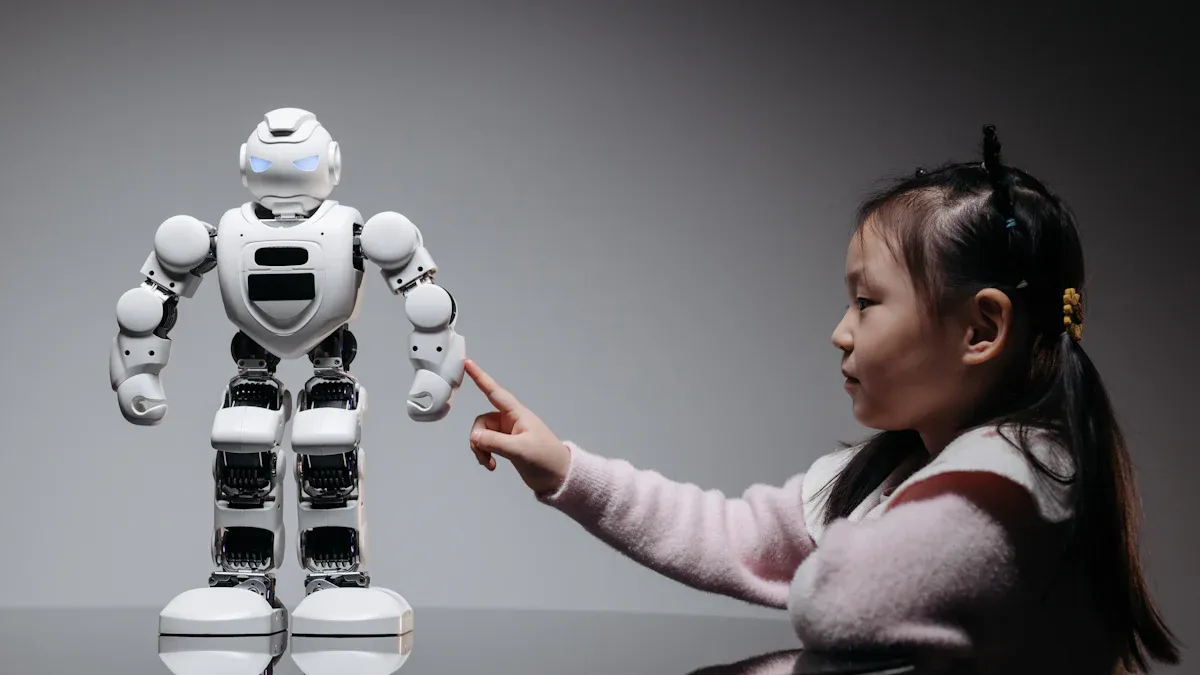
The "Robots" side of the toy aisle represents a significant leap beyond simple electronic gadgets. In 2026, tech-infused toys are intelligent companions. They use artificial intelligence (AI) and augmented reality (AR) to create interactive, educational, and deeply personal play experiences. This market is not just a niche; it is a powerful force in the industry. The demand for smart, connected toys is growing at an impressive rate.
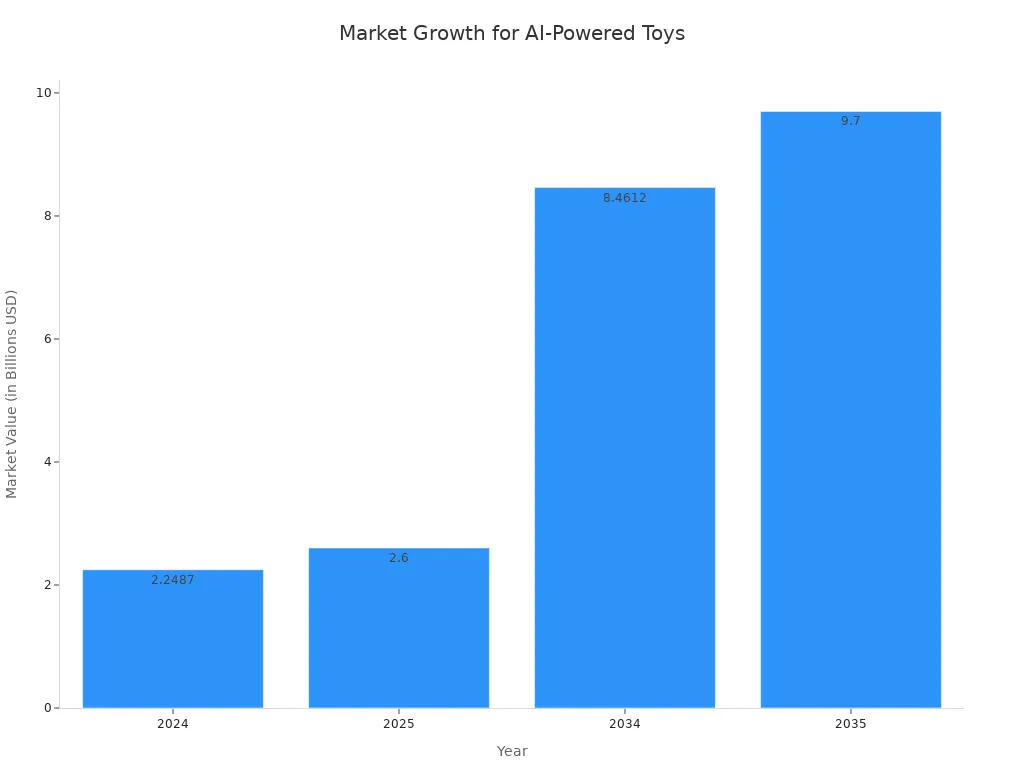
Market projections highlight this rapid expansion, with some analysts forecasting a compound annual growth rate (CAGR) of over 14%.
| Metric | Projected Market Value (2035) | CAGR (2025-2035) |
|---|---|---|
| Value | USD 9.7 billion | 14.2% |
This growth shows a clear consumer demand for toys that prepare children for a digital world.
AI-Powered Personalization
The most significant innovation in tech toys is AI-powered personalization. These toys are not one-size-fits-all. They learn and adapt to a child's individual play patterns, skills, and personality.
An AI toy can adjust the difficulty of a math problem. It can change its storytelling style based on a child's reactions. This creates a customized experience that is always engaging.
This adaptive ability makes learning feel like play. Educational psychologists note several key benefits of this technology:
- Personalized Learning: AI toys tailor content to a child's specific strengths and weaknesses. This ensures the learning journey is never too easy or too difficult.
- Skill Development: Many AI toys, like coding robots, help children develop crucial STEAM skills. They foster logical thinking and problem-solving in a fun, interactive way.
- Emotional Support: For children with diverse learning needs, AI toys offer a consistent and non-judgmental companion. AI-native toys like Groove X's LOVOT are even designed specifically for emotional connection.
Major toy companies are investing heavily in this area. Mattel announced a major partnership with OpenAI. This collaboration will bring advanced AI to iconic brands like Barbie and Hot Wheels, positioning them at the forefront of this trend.
Augmented Reality (AR) Integration
Augmented reality is another key driver, merging physical toys with digital worlds. AR does not replace the physical toy. Instead, it enhances it, using a smartphone or tablet to overlay digital information and animations onto the real world. This technology creates a dynamic play experience that captures a child's imagination. 🤖
Board games and playsets are seeing a major AR transformation.
- The Genesis Augmented Reality Trading Card Game allows players to summon digital monsters that battle on a real tabletop. The physical cards even track experience points, leveling up over time.
- Games like Conduct AR! turn any flat surface into a bustling Wild West railway station that players must manage.
These toys successfully bridge the gap between screen time and tangible play. Children interact with a physical object—a card, a board, a train set—while the AR layer adds a level of excitement and interactivity that keeps them engaged. This blend of physical and digital is a hallmark of the modern toy box.
The Return to Retro: Nostalgia and Mindful Play
While one side of the toy aisle buzzes with AI and AR, the other side offers a quiet counter-movement. The "Retro" trend is a powerful return to classic, screen-free play. Parents feel a strong desire for simpler, tangible toys. This movement is not just about looking backward. It is about providing children with opportunities for mindfulness, creativity, and genuine connection in a busy digital world.
Creative Mindfulness and Sensory Play
In 2026, parents are actively seeking toys that encourage focus and calm. This has fueled a massive demand for sensory and mindfulness-based playthings. Off-screen time is crucial for a child's development. It helps them build essential life skills like self-regulation and creativity through physical and imaginative activities. Sensory toys are at the heart of this trend. They engage a child's sense of touch, sight, and sound without the need for a screen.
Research shows that this type of play directly builds cognitive skills. Creative play stimulates curiosity, enhances mental agility, and encourages experimentation. Child development experts explain that sensory exploration is how children gather information about their world. This process nurtures imagination and leads to stronger creative thinking.
According to child development expert Messer, "With sensory play, your child is working on problem-solving skills. It encourages them to explore how to play and engage with different experiences as well as how to maneuver challenges they encounter, things like how to get rice from one container to another or how to stay balanced on a swing."
Popular sensory toys in 2026 focus on tactile feedback and mindful engagement:
- TANGIBALL Sensory Ball: A simple, textured ball that provides calming tactile input.
- MEMORY MOVES Montessori Matching Game: A wooden game that builds memory skills through physical interaction.
- RAINBOW RIBBONS Plush Infant Sensory Toy: A soft toy with varied textures and colors to engage a baby's senses.
- MAZE CHALLENGE BALL: A 3D labyrinth puzzle that requires focus and fine motor skills to solve.
These toys help children disconnect from digital overstimulation. They provide a quiet space for problem-solving and imaginative exploration. 🧠
Newstalgia and Collectibles
The retro revival is also driven by a powerful force called "Newstalgia." This trend blends classic toy concepts with modern design and marketing. Toy companies are re-releasing beloved classics and creating new versions of old favorites. This trend resonates deeply with parents who want to share their own childhood memories with their kids.
This desire for connection is a major market driver. Surveys show that 73% of parents have purchased toys for themselves. Nearly half of them do so to relive positive childhood memories, while 61% do it to connect with their child.
Collectibles are a huge part of the Newstalgia movement. The market for collectible toys, including small figures, trading cards, and plush toys, grew by nearly 5% globally in 2024. This segment is not just a small niche; it is a multi-billion dollar industry with significant growth potential.
| Market Segment | 2024 Valuation | 2030 Projection | CAGR (2024-2030) |
|---|---|---|---|
| Toy Collectibles | USD 24.9 Billion | USD 40.2 Billion | 8.3% |
This impressive growth shows that consumers are investing in toys that offer long-term value and a sense of shared history. From vintage-style action figures to modern trading card games, collectibles create a fun activity that parents and children can enjoy together, bridging generational gaps through play.
The Future of Educational Children's Toys
Educational children's toys in 2026 teach more than just academic subjects. They also build crucial life skills. The market now emphasizes a balanced approach to development. It combines technical knowledge with social and emotional learning, preparing children for a complex world.
STEAM-Focused Skill Building
Parents increasingly prioritize toys that teach science, technology,engineering, arts, and math (STEAM). A significant 60% of parents actively seek out toys that build STEAM skills. These toys make learning hands-on and fun. They encourage problem-solving and critical thinking through play. Popular examples include the Switcheroo Coding Crew, which introduces basic coding, and the Mega Cyborg Hand, which teaches hydraulic principles. These children's toys are designed for engagement. They use interactive elements and clear instructions to help kids build, experiment, and learn valuable technical skills.
Toys for Emotional Intelligence
The other side of educational play focuses on emotional intelligence (EQ). These toys help children understand and manage their feelings. Research shows that interactive smart toys can help children calm down and regulate their emotions. Children often form a strong emotional connection to these companions.
This approach aligns with Vygotsky's theory of social learning. Toys that encourage role-playing and collaboration help children explore different perspectives within a safe space.
Toys like pretend vet clinics, dollhouses, and cooperative games teach empathy, teamwork, and communication. They create scenarios where children can practice social skills, making them essential tools for emotional development.
Underlying Market Drivers: Shaping Every Toy Purchase
Beyond specific trends, two fundamental values now shape the entire toy industry: sustainability and inclusivity. Modern consumers expect more than just a fun product. They demand that children's toys align with their personal values, making these drivers essential for any successful brand in 2026.
Proven Sustainability
Parents are making purchasing decisions with the planet in mind. This shift is especially strong among younger parents, with 45% of those under 40 prioritizing the sustainability of toys. Companies are responding by transforming their entire production process.
- Materials: Brands are shifting to eco-friendly materials like recycled plastics and sustainably sourced wood.
- Packaging: Companies are reducing waste with minimized, compostable, or biodegradable packaging.
- End-of-Life: Many now offer programs for recycling or reusing old toys.
Industry leaders like Hasbro demonstrate a long-term commitment to these practices. The company earned the U.S. EPA's inaugural Climate Leadership Award for its efforts in reducing emissions and waste, setting a high bar for corporate responsibility.
Inclusivity as a Standard
Inclusivity is no longer a niche; it is a baseline expectation. Parents want toys that reflect the diverse world their children live in. Nearly a third of parents now purchase toys specifically designed to teach about diversity and inclusion.
Market data shows that 56% of toy buyers believe toys should actively support diversity and inclusion. This sentiment drives brand loyalty and purchasing habits.
Toy companies are embracing this standard. Mattel has led the way with innovative lines like its gender-neutral Creatable World dolls and UNO Braille, which makes the classic game accessible to visually impaired players. These products empower children by allowing them to see themselves and others represented in their play, fostering empathy and social awareness from a young age.
The biggest toy trend of 2026 is a balanced approach, blending tech innovation with retro classics. Parents and gift-givers seek children's toys that offer both high-tech learning and screen-free, mindful engagement.
Ultimately, the future of play is built on a foundation of sustainability and inclusivity. These values now define a quality toy.
FAQ
What is the biggest toy trend for 2026?
The biggest trend is a balance. Parents want both high-tech "Robot" toys and classic "Retro" toys. This provides children with varied play experiences.
Why are parents buying retro and sensory toys?
Parents seek screen-free options. Retro and sensory toys encourage mindfulness and creativity. They help children disconnect from digital overstimulation and build focus.
What makes a toy "high quality" in 2026?
A high-quality toy is sustainable and inclusive. Consumers expect toys made from eco-friendly materials that represent a diverse world.