Reviewed The Best Water Dispensers for Clean Water at Home
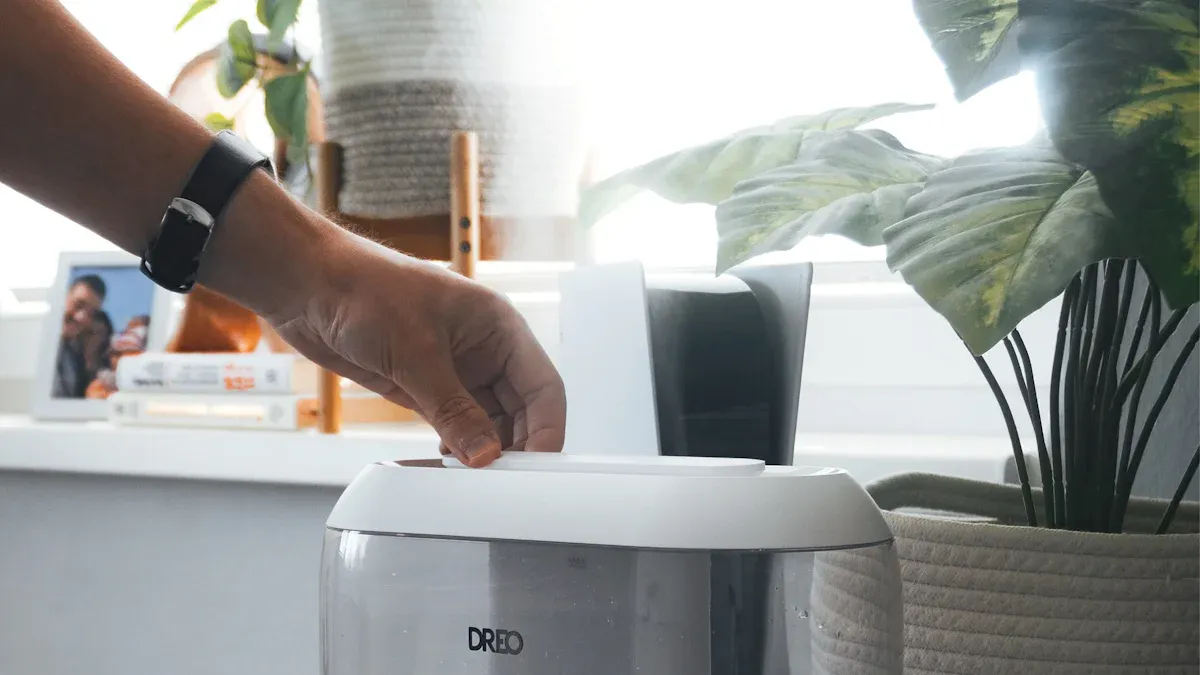
You want clean, convenient hydration at home. The market for home water dispensers is growing fast. This shows many people are making this choice. We found the best options for you. The AquaPure Pro X5 is our top pick for 2026. It has superior filtration and an easy-to-use design. The GlacierFlow Basic offers reliable performance at a great price. For small spaces, the Brio Moderna Self-Cleaning Dispenser is the best countertop model.
Note: The demand for quality water dispenser water is rising. The market is projected to grow significantly. | Market Attributes | Key Insights | |---|---| | Market revenue in 2023 | USD 950.5 million | | Projected revenue in 2030 | USD 1,557.3 million | | Growth rate (CAGR 2023-2030) | 7.3% |
Key Takeaways
- Many people want clean water at home. Water dispensers help with this.
- The AquaPure Pro X5 is the best water dispenser overall. It cleans water well and saves energy.
- You can choose different types of dispensers. Some sit on counters, and some load bottles from the bottom.
Our Top-Rated Water Dispensers for 2026
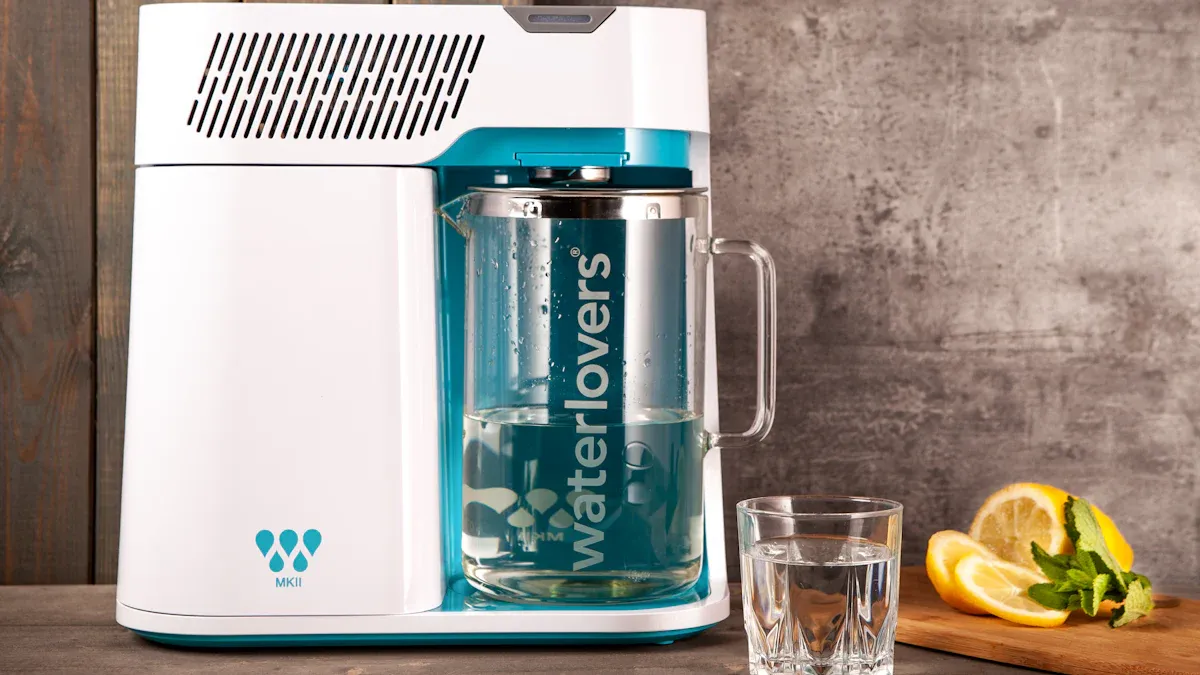
You need a dispenser that fits your lifestyle. We tested numerous models for performance, ease of use, and value. This guide breaks down our top picks to help you find the perfect match for your home.
Best Overall: AquaPure Pro X5
The AquaPure Pro X5 earns our top spot for its excellent balance of features. It delivers superior performance across the board. You get advanced multi-stage filtration for crisp, clean-tasting water. The unit is also highly energy-efficient, saving you money on electricity bills. Its sleek, modern design fits well in any kitchen or office. The intuitive interface makes dispensing hot, cold, or room-temperature water simple for everyone in your family.
- Filtration: Advanced 4-stage system removes chlorine, lead, and odors.
- Energy Use: Features an Energy Star rating for low power consumption.
- Design: Stainless steel accents and a user-friendly display.
- Convenience: Offers three temperature settings for all your hydration needs.
Best Budget-Friendly: GlacierFlow Basic
You want clean water without a large investment. The GlacierFlow Basic is the ideal choice. This model provides reliable hot and cold water dispensing at an unbeatable price. It has a straightforward, no-frills design that is easy to set up and use. While it lacks advanced features like self-cleaning, its dependable performance makes it a smart purchase for anyone on a budget. It proves you do not need to spend a lot to enjoy the convenience of a home water cooler.
Best Countertop Model: Brio Moderna
You can save valuable floor space with the Brio Moderna Self-Cleaning Dispenser. This compact unit sits right on your countertop, making it perfect for apartments, dorm rooms, or smaller kitchens. Its main advantage is its powerful self-cleaning technology. This feature helps keep your cold water tank free of bacteria and biofilm. The Brio Moderna uses two methods for this:
- UV Cleaning: Ultraviolet light runs in cycles to stop bacteria growth inside the cold water tank. You can still dispense water during this process.
- Ozone Cleaning: The dispenser creates an ozone solution from air and water. This solution sanitizes the tank and then disappears without leaving any chemical residue.
Important Note: You should know that the self-cleaning feature only sanitizes the cold water tank. It does not clean the spouts, controls, or the water bottle itself. You will need to manually wipe down these external parts and clean the reservoirs every few months to keep your unit in top shape.
Best for Filtration: Waterdrop A1
If your top priority is water purity, the Waterdrop A1 is the dispenser for you. This model uses a powerful reverse osmosis (RO) filtration system. It is specifically designed to drastically reduce impurities. The Waterdrop A1 is IAPMO-certified to NSF 58 for Total Dissolved Solids (TDS) reduction. This means it effectively removes a wide range of dissolved minerals, salts, and metals from your water. The result is exceptionally pure and great-tasting water dispenser water, giving you peace of mind with every glass.
Best Bottom-Loading: Avalon A6
You can avoid the strain of lifting heavy water jugs with the Avalon A6. This bottom-loading dispenser lets you slide the bottle into a cabinet at the base. This design maintains a clean look and makes bottle changes effortless. The Avalon A6 is also built with your family's safety in mind. It includes a child safety lock on the hot water spout. This feature prevents accidental burns, which is crucial as the water reaches 185°F.
| Feature | Specification |
|---|---|
| Loading Style | Bottom-Loading |
| Temperature Options | Hot, Cold, & Room Temperature |
| Safety | Child Safety Lock (Hot Water) |
| Indicator Lights | Empty Bottle, Power, and Temp. |
How to Choose the Right Water Dispenser
You need to find a dispenser that fits your home and needs. This guide will help you understand the key factors. You can make a smart choice with the right information.
Top-Loading vs. Bottom-Loading vs. Countertop
You have three main styles to consider. Top-loading models are often cheaper and easy to set up. You do not need a plumbing connection. However, you must lift heavy water bottles to replace them. Bottom-loading dispensers solve this problem. You just slide the bottle into a lower cabinet. This design reduces strain and the risk of spills, making it a great choice for many users.
| Feature | Top Loading Dispenser | Bottom Loading Dispenser |
|---|---|---|
| Lifting effort | High (bottle lifted overhead) | Low (slide into lower cabinet) |
| Risk of spillage | Moderate to high | Low |
Countertop models are best for small spaces like apartments or dorms.
Temperature Options: Hot, Cold, and Room Temp
Most dispensers offer hot and cold water. Some also provide a room-temperature option. This gives you flexibility for all your beverage needs. Hot water is perfect for tea or coffee. Cold water is refreshing after exercise.
| Water Type | Temperature Range |
|---|---|
| Cold Water | 43°F-50°F (6.1°C-10°C) |
| Hot Water | 165°F-194°F (73.9°C-90°C) |
Capacity and Size for Your Space
You should measure your available space before buying a dispenser. Check the unit's dimensions on its cut sheet to ensure a proper fit. Freestanding models need enough floor space. Countertop units require adequate height under your cabinets.
Key Features to Look For
Modern dispensers offer many helpful features. Look for child safety locks on the hot water spout to prevent accidents. You should also check for certifications from groups like NSF or WQA. These certifications ensure the product meets safety and performance standards for reducing contaminants in your water dispenser water. Some new models even have touchless dispensing and smart connectivity.
Maintenance and Self-Cleaning Functions
You must keep your dispenser clean. Some models have self-cleaning functions using UV light or ozone. UV light works continuously to stop bacteria growth. Ozone provides a powerful, deep clean on a schedule. Both systems are highly effective. If your unit does not have this feature, you should clean it every three to six months. You can use a simple mixture of white vinegar and water.
What to Know About Your Water Dispenser Water
You want to be sure your dispenser provides the purest water. Understanding how filters work is the first step. This knowledge helps you choose a system that removes the specific contaminants in your local water supply.
Understanding Filtration Systems
You will find two main types of filters in dispensers: activated carbon and reverse osmosis (RO). Activated carbon filters are great for improving taste and odor. They effectively remove chlorine. Reverse osmosis systems go a step further. They use a special membrane to remove up to 97% of total dissolved solids (TDS), including fluoride and heavy metals. Many advanced dispensers use multi-stage filtration. These systems combine different filter types to remove a much broader range of pollutants, giving you higher-quality water.
Which Contaminants Do Filters Remove?
You should know what your filter can and cannot do. A simple carbon filter will not remove contaminants like arsenic, fluoride, or dissolved solids. An RO system, however, can remove them. This makes your water dispenser water exceptionally pure.
Filtration Face-Off: RO vs. Carbon 💧
Contaminant Reverse Osmosis Activated Carbon Bad Taste/Odor Removes Improves Chlorine Removes Removes Heavy Metals Removes Removes Some Dissolved Solids Removes Will Not Remove Viruses Removes Will Not Remove Fluoride Removes Will Not Remove
Filter Lifespan and Replacement Costs
You must factor in ongoing costs. A filter's lifespan depends on your water usage and local water quality. If you use a lot of water or your tap water has high sediment, you will need to replace filters more often. Hard water, which is high in minerals, can also clog filters faster. Following the manufacturer's replacement schedule ensures your dispenser continues to provide clean, safe water.
The AquaPure Pro X5 is the best choice for most homes. You can use our guide to find a model that fits your budget and space. An informed choice empowers you to enjoy clean water dispenser water at home.
You also gain long-term savings. A dispenser has a higher upfront cost than bottled water. However, you eliminate recurring bottle and delivery fees, saving you money every year.
FAQ
How often should I clean my water dispenser?
You should clean your dispenser every three to six months. A simple vinegar and water solution works well for units without a self-cleaning feature. This keeps your water fresh.
Do water dispensers use a lot of electricity?
Modern dispensers are very energy-efficient. You can look for an Energy Star rating to save on electricity costs. The unit uses power mainly for heating and cooling. 💡
Can I use tap water in my dispenser?
Some dispensers use bottled water. Other models connect directly to your water line. These point-of-use systems filter your tap water, providing a continuous supply of clean water.