The Best Water Dispenser for Under Cabinet Use
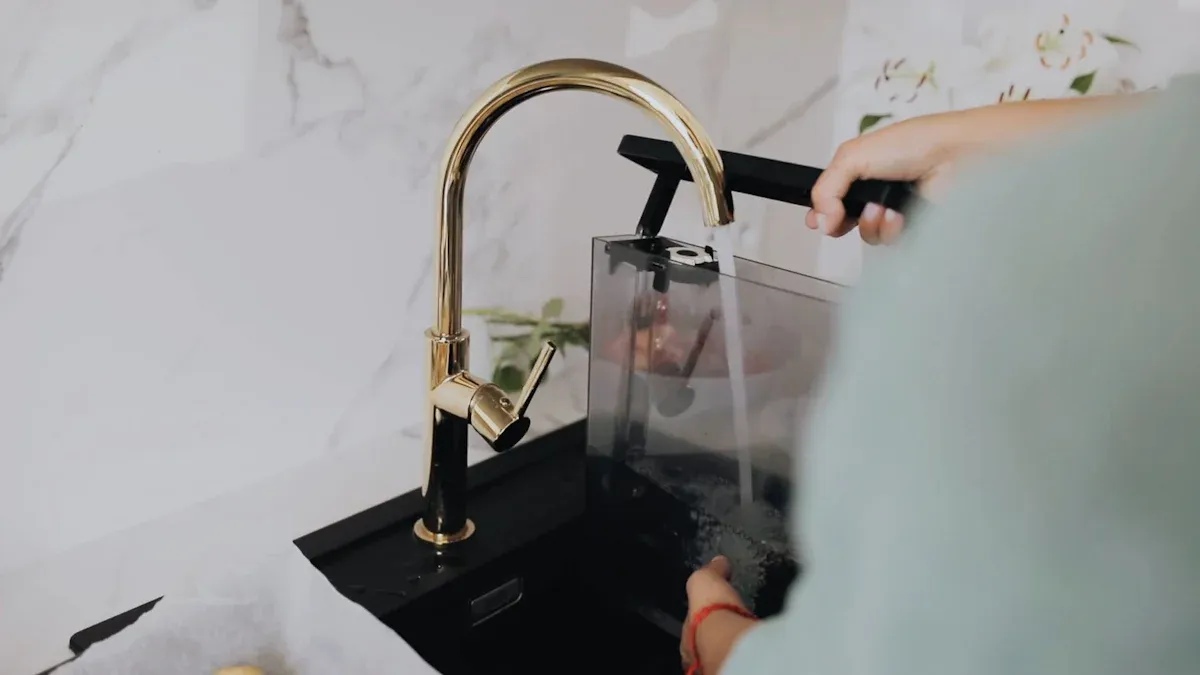
You can create the perfect water dispenser cabinet with the right model. A bottom-loading dispenser is your best choice for this setup. Its design offers a key advantage for confined spaces. You simply slide the new water bottle into the base, avoiding any heavy lifting or flipping.
Key Takeaways
- Bottom-loading water dispensers are best for under-cabinet use. They let you slide in water bottles easily.
- Top-loading dispensers do not fit well under cabinets. They need you to lift heavy bottles and take up too much space.
- Always measure your cabinet space and check for good airflow. This helps your dispenser work safely and last longer.
Why Bottom-Loading Dispensers Excel in Tight Spaces
Bottom-loading dispensers offer practical advantages for under-cabinet placement. Their design directly addresses the challenges of limited space. You will find that these models make your daily hydration routine much simpler.
Effortless Bottle Changes
Changing the water bottle is the biggest benefit of a bottom-loading model. You do not need to lift a heavy 40-pound bottle. Instead, you can easily slide the new jug into the base of the unit. A pump inside the dispenser then draws the water up to the taps. This process eliminates spills and prevents back strain, making it a safe and simple task for anyone.
Favorable Dimensions and Height
Bottom-loading dispensers have dimensions that work well with standard cabinetry. Most models are short enough to fit comfortably under your counters. Standard kitchen base cabinets are typically 36 inches high with the countertop installed.
| Attribute | Measurement |
|---|---|
| Height (with countertop) | 36 inches |
| Height (without countertop) | 34.5 inches |
| Depth | 12 to 24 inches |
Since you don't need extra vertical space for bottle changes, the dispenser can fit snugly inside your water dispenser cabinet.
Smart Ventilation Design
Proper airflow is crucial for any appliance. Bottom-loading dispensers often have ventilation grilles located on the front or sides. This design is ideal for enclosed spaces. It allows the unit's compressor to cool effectively without needing significant clearance at the back.
Pro Tip: Always check the manufacturer's manual for specific ventilation requirements. This ensures your dispenser operates efficiently and safely for years to come.
The Challenges of Top-Loading Dispensers Under a Cabinet
While top-loading dispensers are common, they are not a good fit for under-cabinet spaces. You will face several practical challenges that make them a frustrating choice. Their design works against the goal of a seamless, built-in water station.
The Impracticality of Bottle Replacement
You face a major obstacle with bottle replacement on a top-loading model. You must lift and flip a heavy water bottle to place it on the dispenser. A full 5-gallon water bottle weighs between 40 and 45.5 pounds. Attempting this maneuver inside a cramped cabinet is not only difficult but also unsafe. You risk spilling water, damaging your cabinetry, or straining your back.
Critical Height and Clearance Issues
The total height of a top-loading dispenser makes it unsuitable for under-cabinet use. You need to account for three separate measurements:
- The height of the dispenser itself.
- The height of the 5-gallon bottle.
- The extra vertical clearance needed to tip and guide the bottle into place.
This combined height almost always exceeds the 34.5 to 36 inches available under a standard kitchen counter. The unit simply will not fit.
The Hassle of Constant Removal
The height and lifting issues lead to one unavoidable problem. You must slide the entire dispenser out of the cabinet every time the bottle runs empty. This constant removal and replacement turns a simple task into a repetitive chore.
Warning: Moving the dispenser repeatedly can scratch your floors, damage the cabinet opening, and put stress on the power cord. It completely defeats the convenience of having a dedicated water dispenser cabinet.
Key Comparison: Bottom-Loading vs. Top-Loading
When you choose a dispenser for under-cabinet use, the differences between bottom-loading and top-loading models become very clear. A direct comparison shows why one is a practical solution and the other is a constant frustration.
Bottle Replacement and Ergonomics
Your daily interaction with the dispenser highlights the most important ergonomic difference. A bottom-loading model prioritizes your safety and comfort. You simply open a small door at the base, slide the new bottle in, and connect a small probe. The machine does all the heavy lifting for you.
A top-loading model requires a difficult and risky physical task. You must handle the full weight and awkward shape of the bottle. The risks include:
- Sheer Weight: A 5-gallon jug weighs over 40 pounds. This is a significant weight for an untrained person to lift.
- Awkward Shape: Water bottles are smooth and round. They lack good handles, making them hard to grip securely. The water inside also sloshes, which shifts the center of gravity and makes the bottle unstable.
- The Required Motion: You have to lift the bottle to chest height or higher. Then you must twist your body to flip it onto the dispenser. This combination of lifting and twisting frequently leads to lower back injuries.
This table summarizes the ergonomic differences clearly.
| Feature | Top-Loading Dispenser | Bottom-Loading Dispenser |
|---|---|---|
| Lifting Effort | High (bottle lifted overhead) | Low (bottle slides into base) |
| Risk of Spillage | Moderate to high | Very low |
| Suitable for All Users | Less convenient | Very convenient |
| Risk of Strain Issues | Higher | Minimal |
Space Efficiency and Footprint
Both dispenser types have a similar footprint, meaning they take up about the same amount of floor space. The critical difference is the vertical space they require to operate. A bottom-loading dispenser's height is its total height. It fits into a space just slightly taller than the unit itself.
A top-loading dispenser needs much more vertical clearance. You need space for the dispenser, the bottle on top, and extra room above that to maneuver the bottle into place. This operational height makes it impossible to fit under a standard counter.
Overall Convenience and Use
Convenience is about making your life easier. A bottom-loading dispenser, once placed in your cabinet, stays there. The bottle is hidden from view, giving you a clean, integrated look. Changing the water takes less than a minute and requires no effort.
Your hydration station should be simple and seamless. A bottom-loader lets you grab a glass of water without thinking about the hassle of the next bottle change.
Using a top-loader under a cabinet is the opposite of convenient. You must pull the entire unit out for every bottle change. This repetitive task scratches floors and creates unnecessary work. It defeats the purpose of having a built-in appliance.
Installation and Integration
Both models require access to a standard electrical outlet. However, their integration into your cabinetry is completely different. You install a bottom-loading dispenser once. You slide it into its designated space, plug it in, and it becomes a permanent part of your kitchen.
A top-loader cannot be truly integrated. You cannot build a permanent water dispenser cabinet around it because you need to move it constantly. Its installation is never finished. For a true, built-in look that functions effortlessly, the bottom-loading design is the only practical choice.
Designing Your Water Dispenser Cabinet Space
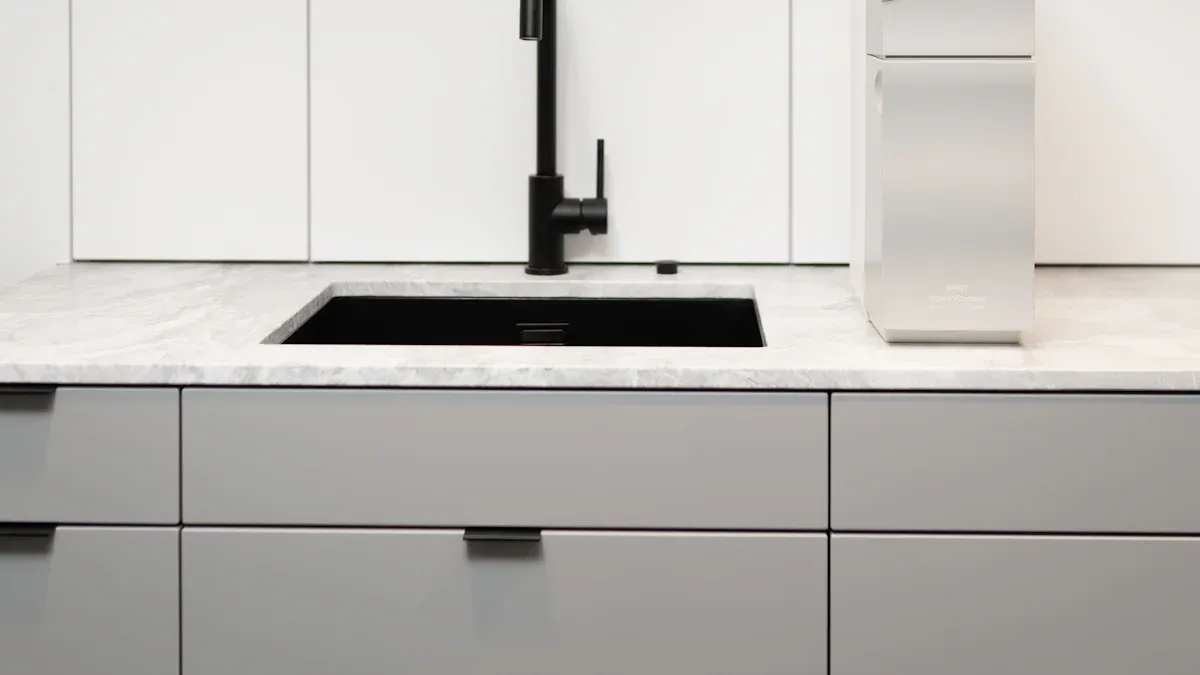
You can create a seamless look by planning your space carefully. Proper design ensures your dispenser not only fits but also operates safely and efficiently for years. Pay attention to three key areas: measurements, ventilation, and power.
Measuring Your Cabinet
First, you must measure the opening where the dispenser will go. Your measurements will determine if a model fits. Standard kitchen cabinets have very specific dimensions. You should compare your space to these common sizes.
| Characteristic | Dimension (without countertop) |
|---|---|
| Standard Height | 34.5 inches |
| Standard Depth | 24 inches |
While 24 inches is a typical depth, some cabinets are shallower. You might find depths of 21 or even 18 inches in smaller kitchens. Always measure your own space to be certain.
Ensuring Proper Ventilation
Your dispenser needs room to breathe. Without proper airflow, the unit's compressor can overheat. This is a common concern for appliances in enclosed spaces. Some users report serious issues when ventilation is poor. One person found their unit got so hot that it actually froze the water inside.
Note: To prevent overheating, check the manufacturer's manual for specific clearance requirements. You should leave a few inches of open space around the sides and back of the unit.
Planning for Power Access
Your water dispenser needs electricity to run its cooling system and pump. You must plan for access to a standard electrical outlet. The ideal water dispenser cabinet has an outlet located inside or directly behind it. This keeps the power cord hidden and prevents it from becoming a tripping hazard. If an outlet is not available, you may need to have one installed by an electrician for a safe and clean setup.
Cost, Maintenance, and Other Considerations
Beyond the fit and function, you should think about the long-term ownership of your dispenser. Cost, cleaning, and daily operation are important factors in your final decision.
Upfront Cost Differences
You will notice that bottom-loading dispensers usually have a higher price tag than top-loading models. This higher upfront cost pays for the advanced technology inside the unit. You are investing in the internal pump system that eliminates heavy lifting. You also get a cleaner, more integrated look for your kitchen. Think of it as paying for convenience, safety, and better design.
Long-Term Maintenance Needs
Proper cleaning keeps your water fresh and your dispenser running well. You should plan to clean your dispenser every three to six months. A regular maintenance schedule prevents contamination and buildup.
Pro Tip: The best time to clean your dispenser is right before you put in a new water bottle.
Follow these steps for a complete cleaning routine:
- Daily: Wipe the outside of the dispenser and the taps.
- Weekly: Remove and wash the drip tray with soap and water.
- Every 3-6 Months: Sanitize the dispenser's internal parts. You should also vacuum the bottle compartment to remove any dust.
Noise and Pump Operation (Sound icon)
A bottom-loading dispenser uses a pump to move water from the bottle up to the taps. This pump makes a sound when it runs. The noise is temporary and usually only lasts for a few seconds. The sound level is typically around 55 decibels (dB), which is similar to a quiet conversation. You will hear this brief humming sound when you dispense water or when the machine refills its internal reservoirs. It is a normal part of the dispenser's operation.
Bottom-loading dispensers are the clear winner for your water dispenser cabinet. Their design is superior for under-cabinet placement. You can easily slide bottles in, and the lower profile fits perfectly. For a truly hassle-free experience, you should choose a bottom-loading model for your kitchen.
FAQ
How loud is a bottom-loading dispenser? (Sound icon)
You will hear a brief humming sound when the pump runs. This noise is temporary and quiet, similar to a soft conversation. It is not a constant sound.
Can you use 3-gallon bottles with a bottom-loading dispenser?
Yes, you can use smaller bottles. Most bottom-loading models work with both 3-gallon and 5-gallon jugs. This gives you more flexibility for your space and lifting preferences.
Do these dispensers use a lot of electricity?
No, they are quite energy-efficient. Their power usage is comparable to a small mini-fridge. You can look for ENERGY STAR certified models for the best efficiency.