Top Water Dispensers for Home Use A Buyer's Guide
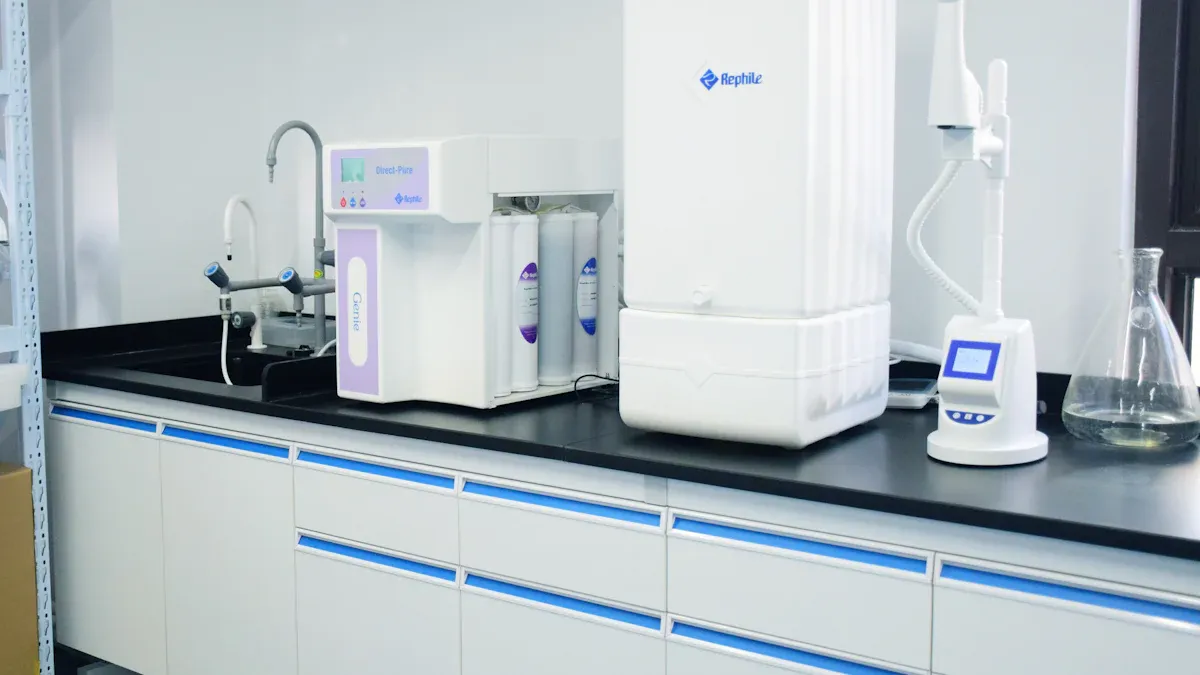
Finding the best water dispenser for home requires balancing your needs. You must consider filtration, temperature settings, capacity, and design. Your budget is also a key factor. A bottom-load dispenser like the Avalon A3 offers great convenience and value for most families. If water purity is your top priority, a point-of-use system with Reverse Osmosis, such as the Waterdrop A1, is the superior choice.
Key Takeaways
- Choose a water dispenser based on your needs. Consider its size, how it gets water, and if it filters water.
- Bottleless water dispensers connect to your home's water line. They save money and help the environment.
- The Avalon A3 is a good choice for most homes. It offers hot, cold, and room-temperature water.
Understanding Your Water Dispenser Options
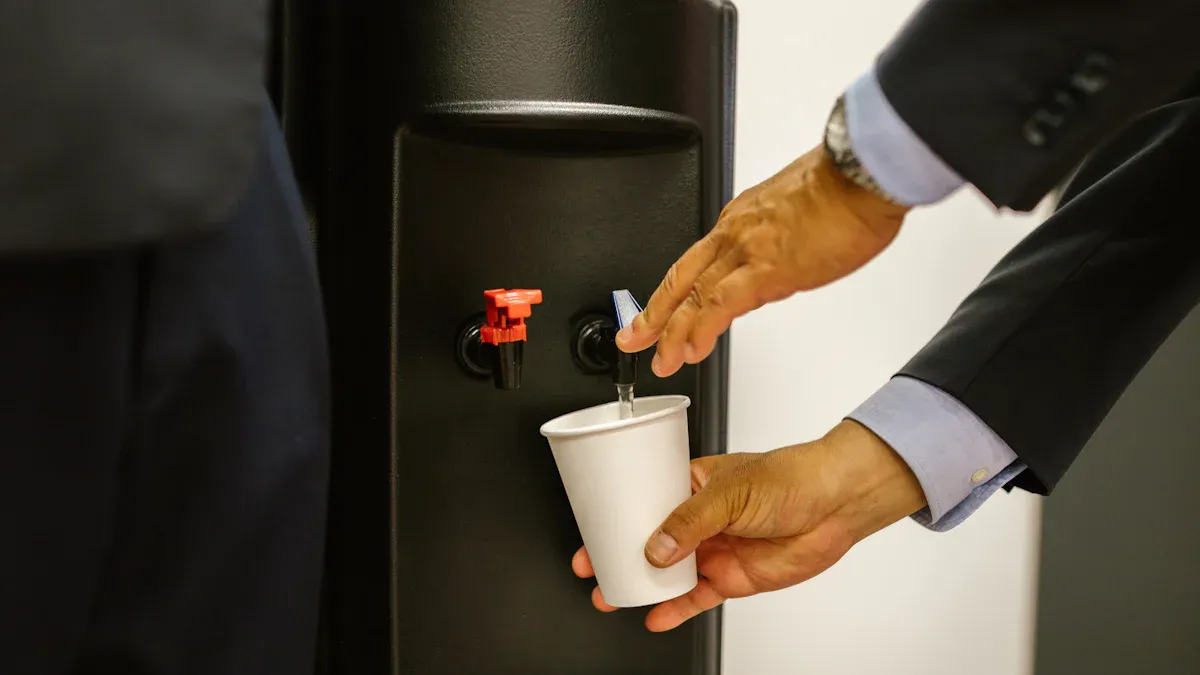
Before you choose a water dispenser, you need to know the main types available. Your decision will come down to your available space and how you want to get your water.
Countertop vs. Freestanding Dispensers
Your first choice is about size and placement. Do you have floor space or counter space to spare?
- Freestanding dispensers stand on their own. They are durable and stable, so you do not need to worry about them tipping over. You just need an electrical outlet and about 1-2 square feet of floor space.
- Countertop dispensers offer a simple setup on your kitchen counter or a sturdy shelf. They are smaller and lighter, saving you valuable floor space.
Here is a look at typical size differences:
| Dispenser Type | Average Height | Average Weight |
|---|---|---|
| Freestanding | ~50 inches | ~60 lbs. |
| Countertop | ~24 inches | ~43 lbs. |
Bottled vs. Bottleless (Point-of-Use) Systems
Next, you must decide how your dispenser gets water. This choice affects cost, convenience, and environmental impact.
Bottled dispensers use large, pre-filled plastic jugs. You simply place the jug on the unit. However, this creates plastic waste. Over 60 million plastic bottles end up in landfills daily in the U.S.
Note: Bottleless systems connect directly to your home's water line. They provide an endless supply of filtered water. This eliminates the need for plastic jugs and can save you over $100 annually compared to bottled water delivery services.
Choosing a bottleless model is often a key step toward finding the best water dispenser for home because it reduces both long-term costs and your carbon footprint.
Key Factors to Find the Best Water Dispenser for Home
You need to look at a few key details to find the right model. Your choice depends on water quality, temperature needs, and your family's lifestyle. Considering these factors will help you select the best water dispenser for home.
Filtration System and Water Purity
Your water's purity is a top concern. Many dispensers use filters to remove contaminants. You should check for NSF/ANSI certifications to verify a filter's claims.
- NSF 42: Reduces chlorine for better taste and odor.
- NSF 53: Removes health-related contaminants like lead and certain chemicals (PFOA/PFOS).
- NSF 58: Certifies Reverse Osmosis (RO) systems that reduce dissolved solids and heavy metals.
- NSF 401: Addresses emerging contaminants like prescription drugs and pesticides.
Temperature Options and Cooling Performance
Think about how you will use the dispenser. Most models offer hot and cold water. Some also provide room-temperature water. Performance varies greatly between units. For example, one model might serve 45 six-ounce cups of hot water per hour. Another could provide 32 cups of chilled water in the same timeframe.
Capacity, Usage, and Household Size
Your household size determines the capacity you need. A large family or a busy home office requires a dispenser that can keep up with demand. A freestanding unit with a 5-gallon bottle is great for high usage. A smaller countertop model may be perfect for one or two people.
Safety Locks and Convenience Features
Safety is crucial, especially with children around. Look for a child safety lock on the hot water spout. Common types include:
- Child-Safety Toggle Faucets
- Safety-Lever Assemblies
Modern dispensers also offer great convenience. Some high-end models include a self-cleaning function to keep the water lines sanitary. Others let you customize temperature settings for your perfect drink.
Our Top Water Dispenser Picks for 2024
Now you know what to look for. Here are our top picks to help you find the best water dispenser for your home. We selected these models for their performance, features, and value.
Best Overall: Avalon A3 Bottom-Loading Water Cooler Dispenser
The Avalon A3 is our top choice for most households. You get a great mix of features and convenience. Its bottom-loading design means you avoid lifting heavy water jugs. This model provides hot, cold, and room-temperature water to suit any preference. It also includes a self-cleaning ozone feature to keep your water fresh.
| Feature | Specification |
|---|---|
| Loading Type | Bottom-Loading |
| Water Temperatures | Hot, Cold, and Room Temperature |
| Self-Cleaning | Yes (Ozone feature) |
| Child Safety | Yes (Hot water lock) |
| Certifications | UL/Energy Star Approved |
Best for Water Purity (RO): Waterdrop A1 Hot Cold Water Dispenser
You should choose the Waterdrop A1 if water purity is your main goal. Its advanced Reverse Osmosis (RO) system removes up to 95% of Total Dissolved Solids (TDS). The system eliminates nearly all detectable metals and inorganics, including 100% of fluoride and copper.
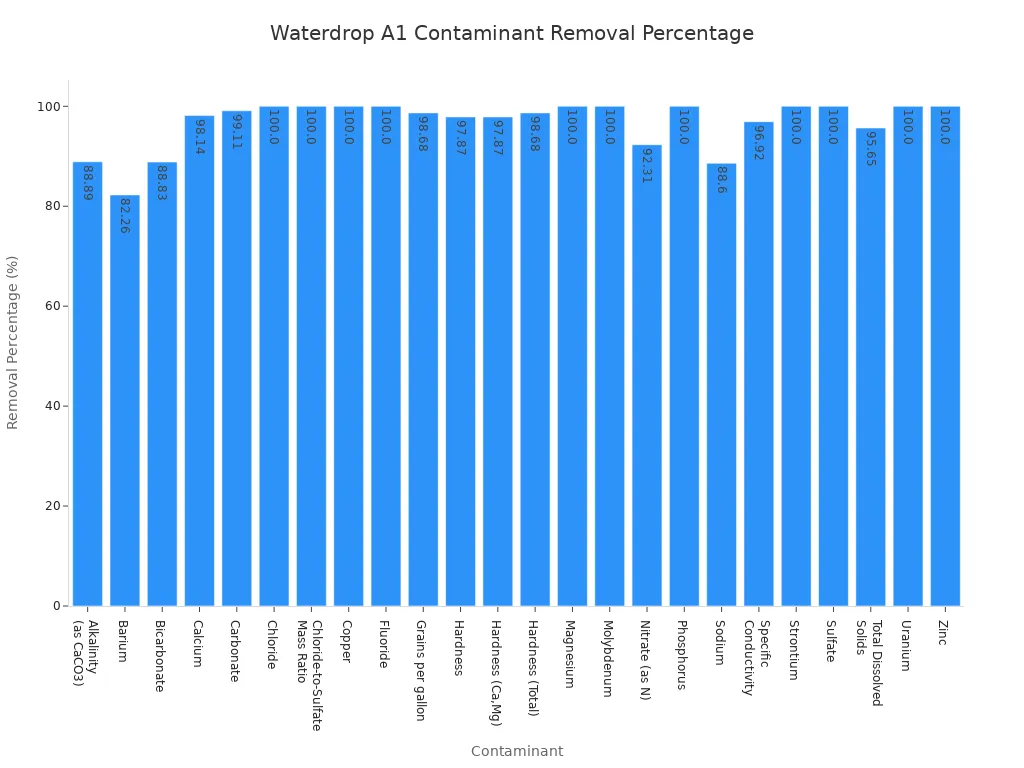
Note: The filter for this unit has a 6-month lifespan, ensuring you consistently get pure water.
Best Budget-Friendly: Brio CLBL520SC Bottom Load Water Cooler
The Brio CLBL520SC offers excellent value without sacrificing key features. This ENERGY STAR certified model helps you save on electricity bills. It uses only 0.76 kWh per day, making it an efficient choice for your home. You still get the convenience of a bottom-loading design and hot/cold water spouts.
Best Countertop Model: hOmeLabs Countertop Water Dispenser
If you need to save floor space, the hOmeLabs Countertop Water Dispenser is the perfect solution. It fits easily on your kitchen counter while providing instant hot and cold water. This compact model is ideal for apartments, small offices, or any home where space is limited.
Installation, Maintenance, and Long-Term Costs
Your water dispenser is a long-term investment. You should consider its running costs and cleaning needs to keep it working well for years.
Energy Efficiency and Operating Costs
Your dispenser's energy use affects your electricity bill. You can save money by choosing an efficient model. ENERGY STAR certified dispensers use up to 50% less electricity than non-certified ones. To get this certification, a cooler must use less than 0.16 kWh per day.
Power consumption also changes depending on the dispenser's current mode. Active cooling uses more power than standby mode.
| Mode | Power Consumption (Watts) |
|---|---|
| Active Cooling | 80–120 Watts |
| Standby Mode | 150–300 Watts |
Tip: Choosing an ENERGY STAR model significantly lowers these operating costs over time, making it a smart financial choice.
Cleaning and Filter Replacement Guide
Proper cleaning prevents bacteria and mineral buildup. You should sanitize your dispenser every three to six months to ensure your water stays fresh and safe. Following a simple cleaning routine will protect your health and extend the life of your unit.
Here is a basic guide to cleaning your dispenser:
- Unplug and Empty: First, unplug the unit and remove the water bottle. Drain any remaining water from the reservoir.
- Prepare a Solution: Mix a cleaning solution. You can use one tablespoon of unscented bleach with one gallon of water.
- Clean the Reservoir: Pour the solution into the reservoir. Let it sit for about five minutes before draining it through the spigots.
- Rinse Thoroughly: Flush the system by pouring clean water into the reservoir and draining it. Repeat this step two or three times until you no longer smell bleach.
- Reassemble: Finally, replace all parts, install a new water bottle, and plug the unit back in.
To find the best water dispenser for home, first choose a bottled or bottleless model. You may need an expert for a bottleless system's plumbing. Next, select a filter to prevent odd tastes and check temperature options.
The Avalon A3 remains our top pick, making it the best water dispenser for home for most people.
FAQ
How often should I clean my water dispenser?
You should clean your dispenser every three to six months. This routine prevents bacteria and mineral buildup. It ensures your water stays fresh, safe, and tastes great.
Can I use any brand of water bottle with my dispenser?
Most dispensers fit standard 3 and 5-gallon jugs from various brands. You should always check your dispenser's manual to confirm the correct size and fit before purchasing.