The Ultimate Guide to the 5 Best DTF Films of 2026
An excellent Direct-to-Film (DTF) transfer begins with a superior film. The market offers many types of dtf film, each with unique properties. This guide presents the five best DTF films for 2026. These selections excel in performance, durability, and value, providing top-tier results for any professional printing business.
- STS X-Pro Matte Film - Best Overall Performance
- VibraColor Max Stretch Film - Best for Stretch & Durability
- PrintWorks Pro-Volume Sheen - Best for High-Volume Shops
- ChromaLuxe Vivid DTF Film - Best for Vibrant Colors
- EcoPrint Value Cold Peel - Best Budget-Friendly Option
2026's Top 5 DTF Films: Detailed Reviews
Choosing the right film is critical for achieving professional-grade results. Each film offers a unique combination of features tailored to specific applications. The following detailed reviews break down the performance, strengths, and ideal use cases for 2026's leading DTF films.
1. STS X-Pro Matte Film - Best Overall
The STS X-Pro Matte Film earns its top spot through exceptional consistency and versatility. It delivers premium results across a wide range of fabrics and applications. This film provides a reliable foundation for any print shop, from startups to established enterprises. Its balanced performance makes it a true workhorse.
Key Features:
- Peel Type: Universal Hot/Cold Peel
- Finish: Soft, Matte, No-Gloss
- Ink Compatibility: Excellent with all major DTF ink sets
- Release: Consistent and clean release with no residue
The film's advanced coating allows for high ink loads without bleeding. This results in sharp, detailed prints with accurate color representation. Users report outstanding durability, with transfers withstanding over 50 wash cycles without significant fading or cracking. The universal peel option adds valuable flexibility to a busy production workflow. Operators can choose the peel method that best suits their speed and fabric requirements.
Pro Tip: For the softest hand feel, press the garment for a second time for 5-7 seconds with a finishing sheet after peeling the film. This embeds the design further into the fabric fibers.
| Pros | Cons |
|---|---|
| Extremely consistent performance | Premium price point |
| Excellent wash durability | Matte finish may not suit all designs |
| Flexible hot or cold peel |
Best For: Businesses that need a single, high-quality film that performs reliably on cotton, polyester, and blends.
2. VibraColor Max Stretch Film - Best for Stretch & Durability
VibraColor Max Stretch Film is engineered specifically for performance wear and highly elastic fabrics. Standard films often crack or peel when applied to materials like spandex, lycra, or athletic poly-blends. This film solves that problem with its superior elasticity.
Key Features:
- Peel Type: Warm Peel
- Elasticity: Recovers to its original shape after extreme stretching
- Finish: Smooth, Satin
- Adhesion: Bonds powerfully to synthetic and stretch fabrics
The film's formulation works in tandem with stretchable DTF adhesives to create a transfer that moves with the fabric. It maintains its integrity without compromising the garment's flexibility. This makes it the premier choice for athletic apparel, yoga wear, and compression garments. Its durability also extends to abrasion resistance, a key factor for sportswear that endures heavy use.
Note: Allow the transfer to cool for 10-15 seconds before peeling. A warm peel provides the best balance of a clean release and strong adhesion on stretch fabrics.
Best For: Print shops specializing in sportswear, team jerseys, athleisure, and any garments made from stretchy synthetic materials.
3. PrintWorks Pro-Volume Sheen - Best for High-Volume Shops
Efficiency is the main goal in a high-volume production environment. The PrintWorks Pro-Volume Sheen film is designed to maximize throughput and minimize downtime. Every feature aims to streamline the roll-to-roll printing process.
Key Features:
- Peel Type: Instant Hot Peel
- Coating: Double-sided matte with anti-static properties
- Finish: Light Sheen
- Stability: Excellent dimensional stability under heat
The instant hot peel capability allows operators to remove the film immediately after pressing. This eliminates cooling time and dramatically speeds up production. The double-sided coating prevents sheets from sticking together and reduces static, ensuring smooth feeding in automated systems. This stability also prevents film curling during the curing process, which reduces misprints and wasted material. The light sheen finish gives prints a subtle pop that looks premium on retail apparel.
Best For: Large-scale operations, roll-to-roll setups, and businesses that prioritize production speed and efficiency above all else.
4. ChromaLuxe Vivid DTF Film - Best for Vibrant Colors
ChromaLuxe Vivid DTF Film is the clear winner for projects demanding maximum color impact. Its proprietary coating is engineered to hold a higher concentration of ink. This allows for unparalleled color saturation and gamut. It stands out among other types of dtf film for its visual brilliance.
Key Features:
- Peel Type: Cold Peel
- Ink Absorption: Superior ink-receptive layer
- Finish: Vibrant, Glossy
- Clarity: Produces photorealistic details and gradients
This film makes colors appear richer and blacks deeper than most standard films. It excels at reproducing complex images, photographs, and designs with subtle gradients. The cold peel process ensures that every drop of ink transfers completely from the film to the garment. This results in a glossy, high-fidelity print that captures the original design's full intensity. While the cold peel process is slower, the visual result is worth the wait for high-value custom apparel.
Important: Use a high-quality white ink for the underbase. The quality of the white layer directly impacts the final vibrancy of the colors printed on top of it with this film.
| Pros | Cons |
|---|---|
| Unmatched color vibrancy and saturation | Cold peel process is slower |
| Excellent for photorealistic prints | Glossy finish can feel thicker on the garment |
| Complete ink release for sharp details |
Best For: Brands focused on high-end fashion, photographic reproductions, and any design where color accuracy and "pop" are the primary goals.
5. EcoPrint Value Cold Peel - Best Budget-Friendly Option
New businesses and those producing promotional goods require a cost-effective solution that still delivers quality. The EcoPrint Value Cold Peel film meets this need perfectly. It provides consistent and reliable performance at an accessible price point.
Key Features:
- Peel Type: Cold Peel
- Finish: Neutral, Semi-Matte
- Value: Excellent performance-to-cost ratio
- Consistency: Reliable results for basic-to-intermediate designs
This film offers good ink absorption and a clean release, making it a dependable choice for everyday jobs. It handles solid colors and simple vector graphics with ease. The cold peel process ensures a full transfer, which helps maximize the quality achievable at this price. While it may not offer the extreme stretch of VibraColor or the color pop of ChromaLuxe, it produces durable, sellable garments that look professional. It is an excellent entry point into the DTF market.
Best For: Startups, promotional product companies, and print shops needing a low-cost film for high-volume, low-margin orders.
What Makes a Great DTF Film? Key Quality Factors
Understanding the core attributes of a DTF film helps businesses make informed purchasing decisions. Several key factors separate a premium film from a standard one. These qualities directly impact print results, production efficiency, and the final product's longevity.
Print Resolution and Ink Absorption
A film's surface coating dictates print quality. A superior film possesses an advanced ink-receptive layer. This layer absorbs ink droplets precisely without allowing them to spread or bleed. This controlled absorption is essential for creating sharp lines, fine text, and high-resolution details in the final transfer.
Color Accuracy and Vibrancy
The film's ability to hold ink directly influences color output. Top-tier films keep the ink close to the surface, which maximizes color saturation. This results in brilliant, vibrant prints that accurately represent the original digital design. A poor film may absorb ink too deeply, leading to dull or muted colors.
Durability and Wash Resistance
A great DTF film creates a transfer that lasts. It facilitates a strong bond between the ink, the adhesive powder, and the garment's fibers. This robust adhesion ensures the design can withstand dozens of wash cycles. The transfer resists cracking, peeling, and fading, maintaining its quality over time.
Peel Type (Hot vs. Cold Peel)
The peel method is a critical workflow consideration.
- Hot Peel films allow immediate removal after heat pressing, speeding up production.
- Cold Peel films require a cooling period before removal, which often yields a smoother finish. Different types of dtf film are optimized for one or both methods. The right choice depends on a shop's priority: speed or specific finish.
Film Consistency and Reliability
Professional print shops require predictable results. A high-quality film offers excellent consistency across an entire roll. It maintains a uniform thickness and coating, which prevents feeding issues and misprints. This reliability minimizes material waste and ensures every transfer meets the same quality standard.
Side-by-Side Comparison of the Top 5 Films
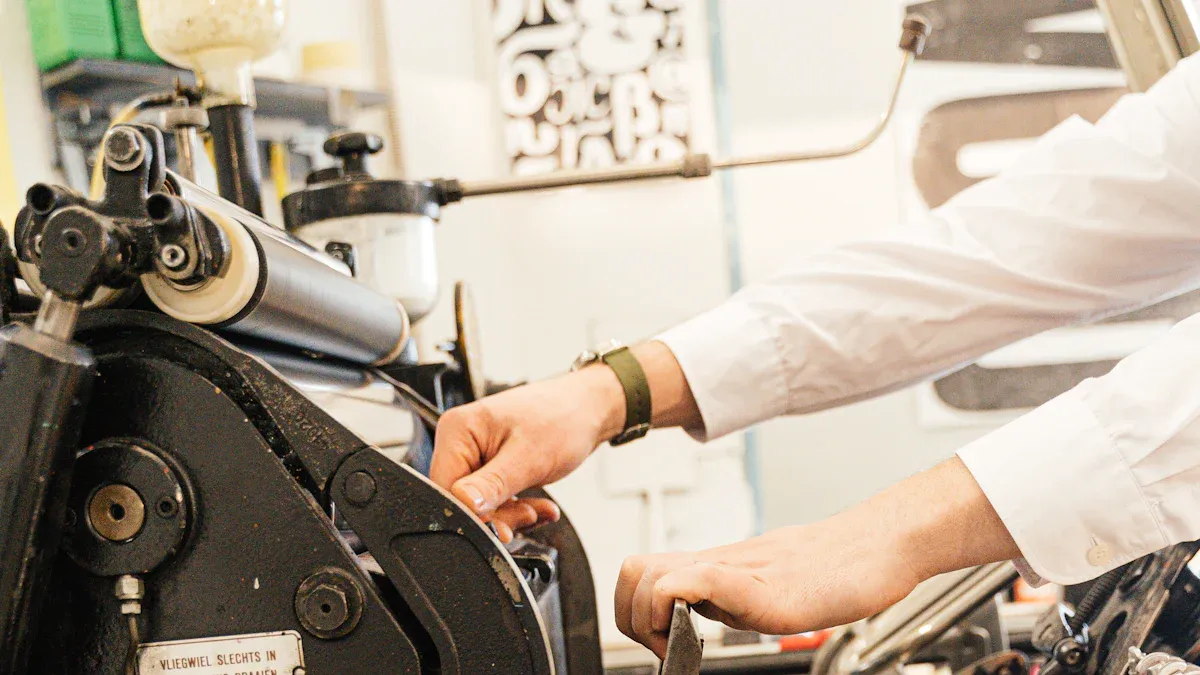
Choosing the best DTF film requires a clear view of how each option stacks up. A direct comparison helps businesses quickly identify the product that best aligns with their specific production needs and quality standards. This table breaks down the key attributes of 2026's top films, offering an at-a-glance guide to their primary strengths and ideal applications. Use this chart to simplify your decision-making process and pinpoint the perfect film for your shop.
Feature Comparison Table
| Feature | STS X-Pro Matte | VibraColor Max Stretch | PrintWorks Pro-Volume | ChromaLuxe Vivid | EcoPrint Value Cold Peel |
|---|---|---|---|---|---|
| Best For | All-around versatility | Sportswear & synthetics | High-volume production | Vibrant, photorealistic prints | Startups & budget orders |
| Peel Type | Hot / Cold | Warm | Instant Hot | Cold | Cold |
| Finish | Soft Matte | Smooth Satin | Light Sheen | Vibrant Glossy | Semi-Matte |
| Key Strength 💪 | Consistency & Reliability | Superior Elasticity | Production Speed | Unmatched Color Pop | Cost-Effectiveness |
| Price Point 💰 | Premium | Mid-High | Mid-Range | Premium | Budget |
Expert Tip: Identify your single most important need first—whether it's speed, color, stretch, or budget. Let that primary requirement guide your initial choice from the table. You can then evaluate the secondary features to confirm it's the right fit for your overall workflow. This approach streamlines the selection process.
How to Choose the Right DTF Film for Your Business
Selecting the ideal film involves more than just picking one from a list. A business must align the film's properties with its specific equipment, products, and production goals. This strategic choice ensures optimal quality and efficiency.
Consider Your Printer and Inks
Your DTF printer and ink set form a cohesive system with the film. Manufacturers design certain films to work best with specific ink formulations. Using a recommended pairing often yields superior color accuracy and print reliability. Mismatched components can lead to poor ink adhesion or inconsistent results. Always check the film’s compatibility with your existing hardware and inks.
Match the Film to Fabric Type
The garment's material directly impacts transfer quality. Different types of dtf film are engineered for specific fabric compositions. A business should choose a film that bonds effectively with the fabrics it uses most.
- 100% polyester fabrics produce exceptionally vibrant and durable prints.
- Cotton offers great comfort and achieves good adhesion with vibrant results.
- Spandex blends require a stretchable film to prevent cracking.
- Nylon is usable but requires careful heat management to avoid melting.
- Linen's rough texture can sometimes reduce print clarity.
Evaluate Your Production Volume
Your daily output should guide your choice of peel type. High-volume shops benefit greatly from instant hot peel films. They eliminate cooling time and accelerate production. Shops with lower volume or a focus on specialty items may find cold peel films more suitable. The slower cold peel process often produces a smoother, more integrated finish.
Workflow Tip: A hot peel film can increase a shop's throughput by over 30% compared to a cold peel film. This makes it essential for meeting tight deadlines on large orders.
Define Your Desired Finish and Feel
The film determines the final look and "hand feel" of the transfer. A glossy finish from a film like ChromaLuxe Vivid creates a bold, shiny look. A matte finish from STS X-Pro offers a soft, no-sheen appearance that feels integrated into the fabric. A satin or sheen finish provides a middle ground. The desired aesthetic should match the brand’s identity and customer expectations.
Understanding the Different Types of DTF Film
The DTF market offers more than just standard films. A deeper knowledge of the various types of dtf film available allows a business to unlock new creative possibilities and optimize its production process. Each category serves a distinct purpose, from everyday printing to high-impact specialty applications.
Standard vs. Specialty Films
Standard DTF films are the versatile workhorses of the industry. They are designed for excellent performance on common fabrics like cotton, polyester, and their blends. These films provide a reliable balance of quality, durability, and cost for most print jobs. Specialty films, in contrast, are engineered for specific challenges. This category includes films with extreme stretch for athletic wear, coatings for maximum color vibrancy, or unique visual effects.
Single-Sided vs. Double-Sided Matte
The coating on a film roll affects how it feeds through a printer. A single-sided film has the ink-receptive coating on one side and a smooth, untreated side on the other. Double-sided matte films feature a matte coating on both sides. This design offers a significant advantage for automated, roll-to-roll systems.
The dual-sided texture provides extra grip for printer rollers. It also reduces static, preventing sheets from sticking together and ensuring a smoother, more reliable printing process with fewer errors.
Glitter, Clear, and Other Effects
Specialty films can introduce eye-catching visual textures to a design. Glitter film is a popular option that adds sparkle without the mess of traditional methods. The application process for these films requires specific knowledge for the best results.
- Glitter is embedded directly into the film's coating, which prevents it from shedding onto the garment or equipment.
- The effect is often subtle in normal lighting but becomes a brilliant sparkle in sunlight or under direct lights.
- It is a cold-peel product, meaning the transfer must cool completely before the film is removed.
- Designers can combine glitter and standard film sections on a single transfer sheet to control exactly where the effect appears.
Pro Tips for Perfect DTF Transfers
Achieving flawless DTF transfers requires more than just quality film. Operators must master the entire process from curing to application. These professional tips help businesses optimize their workflow, reduce errors, and produce consistently superior products.
Optimal Curing Temperatures
Properly curing the adhesive powder is a critical step. The goal is to melt the powder into a uniform, orange-peel-like texture without over-baking it. Most DTF powders cure effectively between 250-320°F (120-160°C).
Pro Tip: Always test a new batch of powder. Curing times and temperatures can vary slightly between manufacturers. A properly cured adhesive layer ensures a strong bond and a clean peel.
Proper Storage of DTF Films
DTF film is sensitive to environmental conditions. Proper storage preserves the film's ink-receptive coating and prevents printing issues. Businesses should follow these key guidelines:
- Store film in a cool, dry place with humidity below 60%.
- Keep the film in its original packaging to protect it from dust and moisture.
- Avoid direct sunlight or exposure to extreme temperatures.
Troubleshooting Common Issues
Even experienced shops encounter problems. Understanding the cause helps resolve issues quickly. This table addresses two frequent challenges.
| Problem | Potential Cause | Solution |
|---|---|---|
| Oily or Blotchy Prints | Excess ink or high humidity | Reduce ink flow in the RIP software. Ensure the print room's humidity is controlled. |
| Incomplete Transfer | Uneven heat press pressure or low temperature | Check the heat press for even pressure. Increase the pressing temperature in small increments. |
Selecting the right film is a critical investment in a business's success. A superior film directly elevates product quality and strengthens brand reputation.
- High-quality prints create vibrant designs that attract customers.
- Durable transfers ensure satisfaction and foster repeat business.
This choice ultimately defines the final product's value.
FAQ
Can you use a regular inkjet printer for DTF?
No. DTF printing requires a specialized printer. It must handle specific DTF inks, including a white ink channel, and accommodate roll-fed film for professional results.
How long do DTF transfers last?
High-quality DTF transfers are very durable. They typically withstand 50 or more wash cycles. The transfer's longevity depends on the film, ink, and application process.
Is DTF better than DTG?
DTF offers greater versatility. It works on more fabric types, including polyester and blends. DTG often provides a softer feel on 100% cotton garments.