2026's Top-Rated Residential Wastewater Treatment Solutions
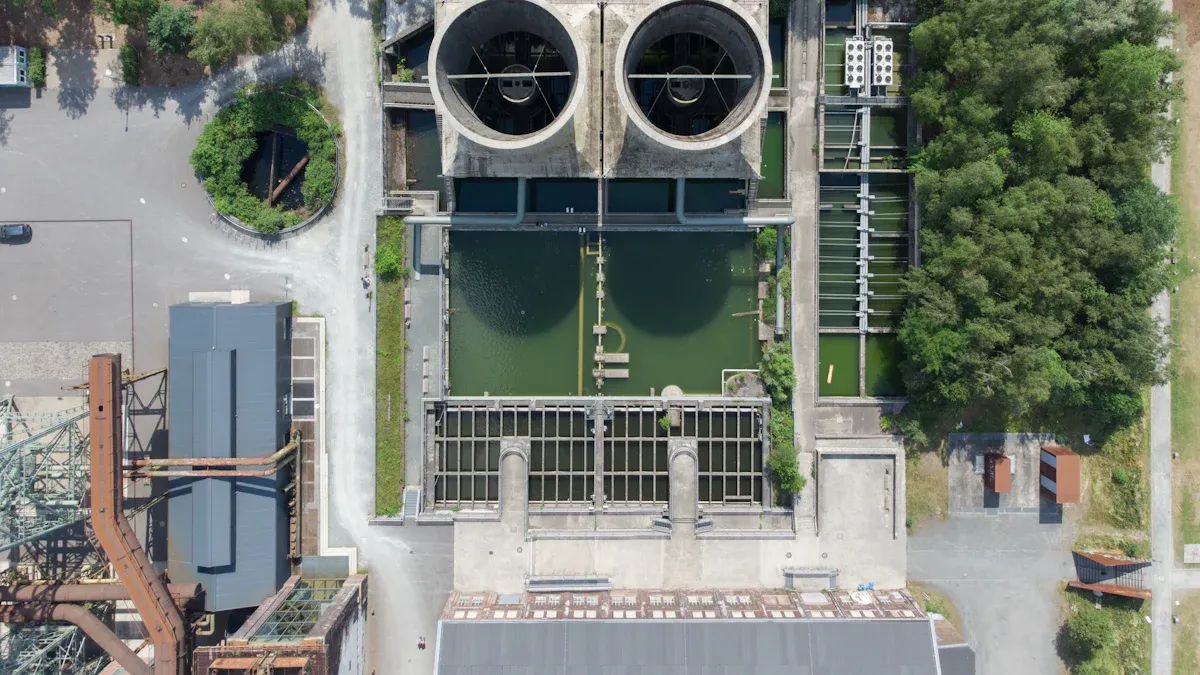
Choosing the right sewage treatment system is a crucial decision for your home. For 2026, advanced decentralized units offer the best performance and environmental benefits. You can find a reliable and efficient solution for your property.
Top Pick for 2026: The Mejec Johkasou-SB stands out. It delivers superior efficiency, eco-friendliness, and proven reliability for modern households.
Key Takeaways
- Advanced wastewater systems like the Mejec Johkasou-SB offer top performance and environmental benefits for homes in 2026.
- Choosing the right system means looking at your home's needs, how well the system cleans water, and if it meets local rules.
- Regular maintenance by a professional is very important to make sure your wastewater system works well and lasts a long time.
Top Residential Wastewater Solutions for 2026
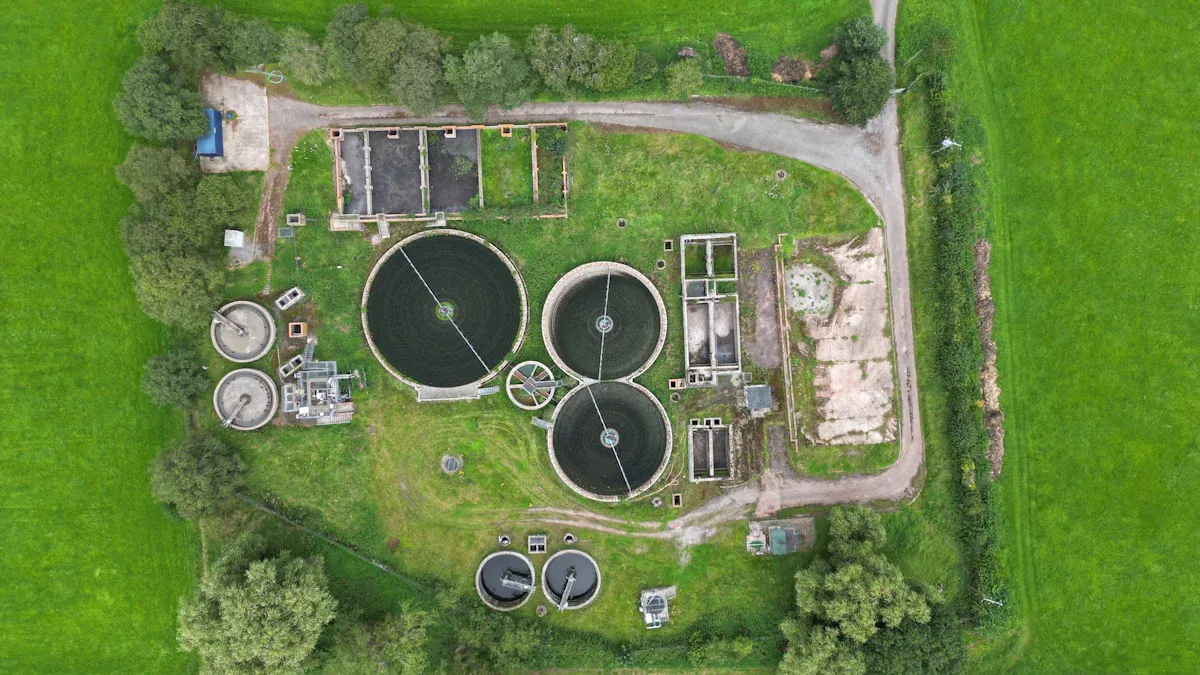
You have several excellent choices for wastewater treatment in 2026. Each leading brand offers unique strengths. Understanding these differences helps you find the perfect fit for your home.
Mejec (Johkasou-SB)
The Mejec Johkasou-SB earns its top spot with advanced technology and outstanding performance. This system uses a Moving Bed Biofilm Reactor (MBBR) process. Tiny plastic carriers float in the tank, creating a massive surface area for helpful bacteria to grow. These bacteria efficiently break down waste.
This design makes the Mejec system incredibly effective at cleaning water. It removes a high percentage of pollutants like BOD (Biochemical Oxygen Demand) and nitrogen. The result is clean, odorless effluent that is safe for the environment.
✅ Key Features of the Mejec Johkasou-SB:
- High Efficiency: Superior removal of common wastewater contaminants.
- Compact Footprint: Its smart design requires less space for installation.
- Eco-Friendly: Produces high-quality treated water, protecting local groundwater.
- Quiet Operation: Runs silently in the background without disturbing your home.
BioMicrobics (FAST Systems)
BioMicrobics offers its FAST (Fixed-Film Activated Sludge Treatment) systems. This technology provides a stable and reliable treatment process. The system contains a fixed, honeycomb-like media that stays submerged in the tank. This media never moves. It becomes a permanent home for a robust colony of microbes.
This approach makes the FAST system very resilient. It handles fluctuations in water usage well, from quiet weekdays to busy weekends with guests. It is a dependable sewage treatment system for households with variable flows.
⚙️ Built for Stability: The fixed-film design ensures consistent performance. It resists the "washout" of beneficial bacteria that can happen in other systems during periods of high water use.
FAST systems are also known for their simple maintenance and long-term durability.
Kubota (Johkasou Systems)
Kubota is a well-respected name in the Johkasou market. The company has a long history of producing durable and reliable wastewater solutions. Kubota's systems are known for their robust construction and consistent, long-lasting performance. Many homeowners choose Kubota for its proven track record and engineering quality.
This system provides a straightforward and effective treatment process. It is an excellent choice if you prioritize reliability and brand reputation. You can trust a Kubota Johkasou to operate effectively for many years.
| Pros of Kubota Systems | Cons of Kubota Systems |
|---|---|
| 💧 Extremely reliable and durable | May have a larger footprint |
| 💧 Consistent treatment results | Technology may be less advanced than newer models |
| 💧 Strong brand reputation | Can have higher upfront costs |
Comparing the Leading Wastewater Treatment Technologies
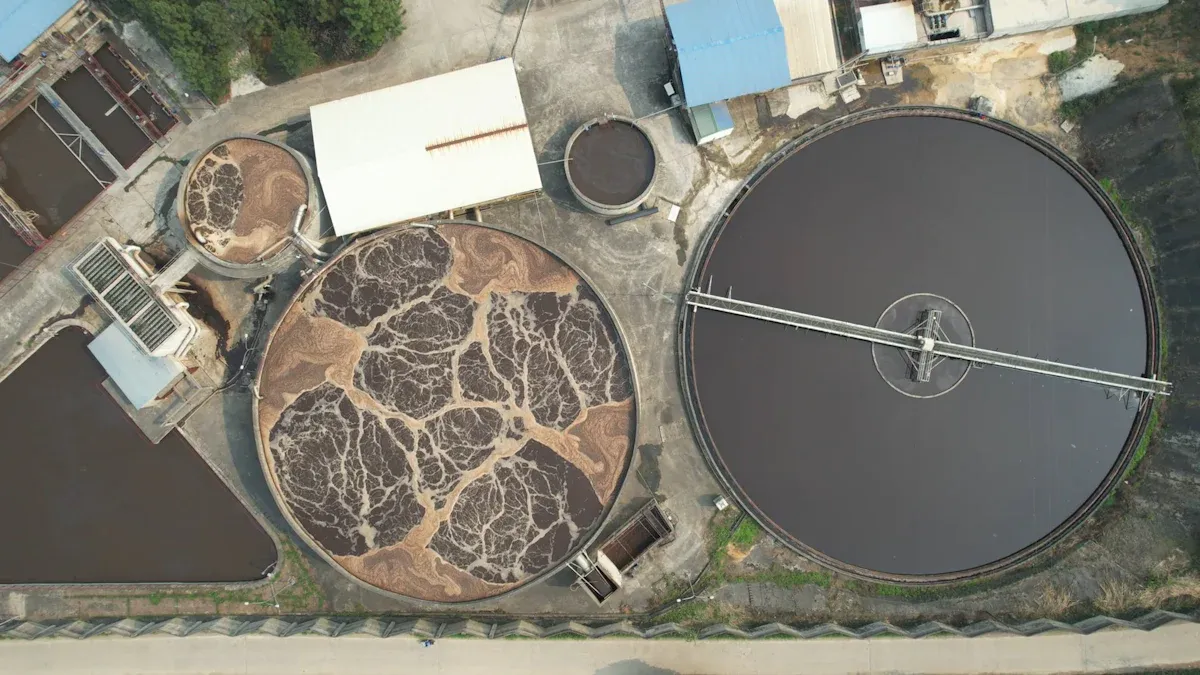
You can choose from several powerful technologies for your home. Each one cleans wastewater differently. Understanding these methods helps you select the best fit for your property and priorities.
Moving Bed Biofilm Reactor (MBBR)
MBBR technology is a highly efficient biological process. It uses small plastic carriers that move freely within the treatment tank. This movement creates a large surface for beneficial bacteria to grow. These bacteria consume waste in the water. This technology is very versatile and is also used in larger applications.
- Community Developments
- Camps and Hotels
- Small Municipalities
The constant motion makes the MBBR process very effective at removing contaminants.
Fixed-Film Technology
Fixed-film systems use a stationary medium where bacteria grow. This medium does not move. This design creates a stable environment for the microbes. The system can handle sudden changes in water usage, like when you have guests. It resists toxic shock better than many other biological processes. This makes it a very reliable sewage treatment system. However, it does require professional attention.
| Maintenance Area | Key Task |
|---|---|
| Medium Tank | Check for debris and biomass buildup. |
| Aeration System | Ensure proper airflow. |
| Controls & Alarms | Inspect all functions regularly. |
| Septic Tank | Pump solids as needed based on inspection. |
Membrane Bioreactor (MBR)
MBR technology offers the highest level of treatment. It combines biological processes with an advanced membrane filter. This filter acts as a physical barrier. It stops solids, bacteria, and even viruses from passing through.
💧 Superior Water Quality: MBR systems can produce effluent clean enough to meet or exceed drinking water standards, with over 99% removal of key pollutants like BOD and TSS.
This process creates exceptionally clean water without extra chemicals. The main long-term cost to consider is membrane replacement, which is typically needed every 3 to 5 years.
Key Factors for Choosing Your Sewage Treatment System
Selecting the right system involves more than just picking a brand. You must match the technology to your specific situation. A careful review of your property, performance needs, and local rules will guide you to the best choice.
Assess Your Household and Property Needs
First, you should evaluate your home and land. The number of bedrooms and daily water usage helps determine the system's required capacity. Your property's physical features are also very important.
- Soil Type: The soil on your property greatly impacts system design. Sandy soils drain quickly, while clay soils drain slowly. A professional soil test, or "perc test," reveals how well your ground absorbs water.
- Property Slope: The land's slope affects how wastewater flows. A steep slope can make gravity-fed drainage difficult. It may require a specialized design like a mound or pressure distribution system to work correctly.
🏡 Site Evaluation is Key: A professional topographic survey and soil evaluation are essential. They prevent overflow hazards and ensure your system functions properly for years.
Evaluate System Performance and Efficiency
Next, you need to compare how well different systems clean water. Look at their treatment efficiency ratings. High-performing units remove more pollutants like BOD and nitrogen, producing cleaner effluent. This protects your local environment and groundwater. Consider the system's energy consumption and operational noise. An efficient, quiet sewage treatment system provides peace of mind and lower utility bills.
Verify Compliance and Certifications
Your system must meet legal standards. The U.S. Environmental Protection Agency (EPA) sets national rules under the Clean Water Act. Many states and local authorities have their own, often stricter, regulations.
You must ensure your chosen system has the right certifications. Look for products tested and certified to specific NSF/ANSI standards.
| Standard | What It Certifies |
|---|---|
| NSF/ANSI 40 | Basic residential wastewater treatment performance. |
| NSF/ANSI 245 | Nitrogen reduction capabilities. |
| NSF/ANSI 350 | Water reuse for non-potable applications. |
Checking for these certifications confirms the system's performance claims and ensures it complies with environmental laws.
Installation and Maintenance Considerations
Planning for your system's installation and future care is very important. You should consider the space it needs, its maintenance schedule, and the total cost. This ensures your system works well for many years.
Understanding the Installation Footprint
The physical size of a system is a major factor. Your property may have limited space. Advanced systems like a Johkasou are often more compact than traditional options. This makes them ideal for smaller lots or dense areas.
| System Type | Land Requirement |
|---|---|
| Conventional Septic | Large, needs a big drainfield |
| Johkasou (Advanced) | Compact, can fit under a driveway |
Before work begins, you must complete important planning steps. You need to get all necessary permits and regulatory approvals. This ensures your installation follows local safety and environmental rules.
Long-Term Maintenance Requirements
Every sewage treatment system needs regular care to perform correctly. A long-term maintenance contract with a certified provider is the best way to manage this. Professionals will handle key tasks to keep your system running smoothly.
Typical service includes:
- Cleaning intake and discharge pipes to remove debris.
- Checking electrical parts like motors and control panels.
- Testing system alarms and functions.
- Pumping accumulated waste from chambers as needed.
This proactive care prevents blockages and failures.
Estimating Upfront and Operational Costs
You should budget for both initial and ongoing expenses. The upfront cost includes the price of the unit and the full installation. Operational costs are the long-term expenses you will pay over the system's life. These include electricity for pumps and blowers, annual inspection fees, and periodic servicing.
💡 Get a Professional Quote: The best way to understand your total investment is to get a detailed quote from a certified installer. This will cover all equipment, labor, and potential site-specific costs.
In 2026, you can select a system that fits your home's specific needs. An advanced unit like the Mejec Johkasou-SB is a high-performing, eco-conscious choice. It aligns with circular economy principles for a sustainable future.
💡 Ensure a Perfect Fit: We recommend consulting a certified installer. They provide a professional property assessment and a customized quote.
FAQ
How long does a modern wastewater system last?
A well-maintained advanced system can last for decades. You must follow the service schedule. Regular professional care is the key to ensuring its long life and proper function.
Can I install a sewage treatment system myself?
No, you need a certified professional for installation. They ensure the system meets all local codes and works correctly. This protects your property and the local environment.
What happens to the system during a power outage? 🔌
Many systems have backup features for short outages. You should limit your water use until power returns. Your installer will explain the specific plan for your unit.